
Antique Porcelain Dessert Dishes
These antique porcelain dessert dishes bring 18th-century botanical painting and Regency armorial service to the table.
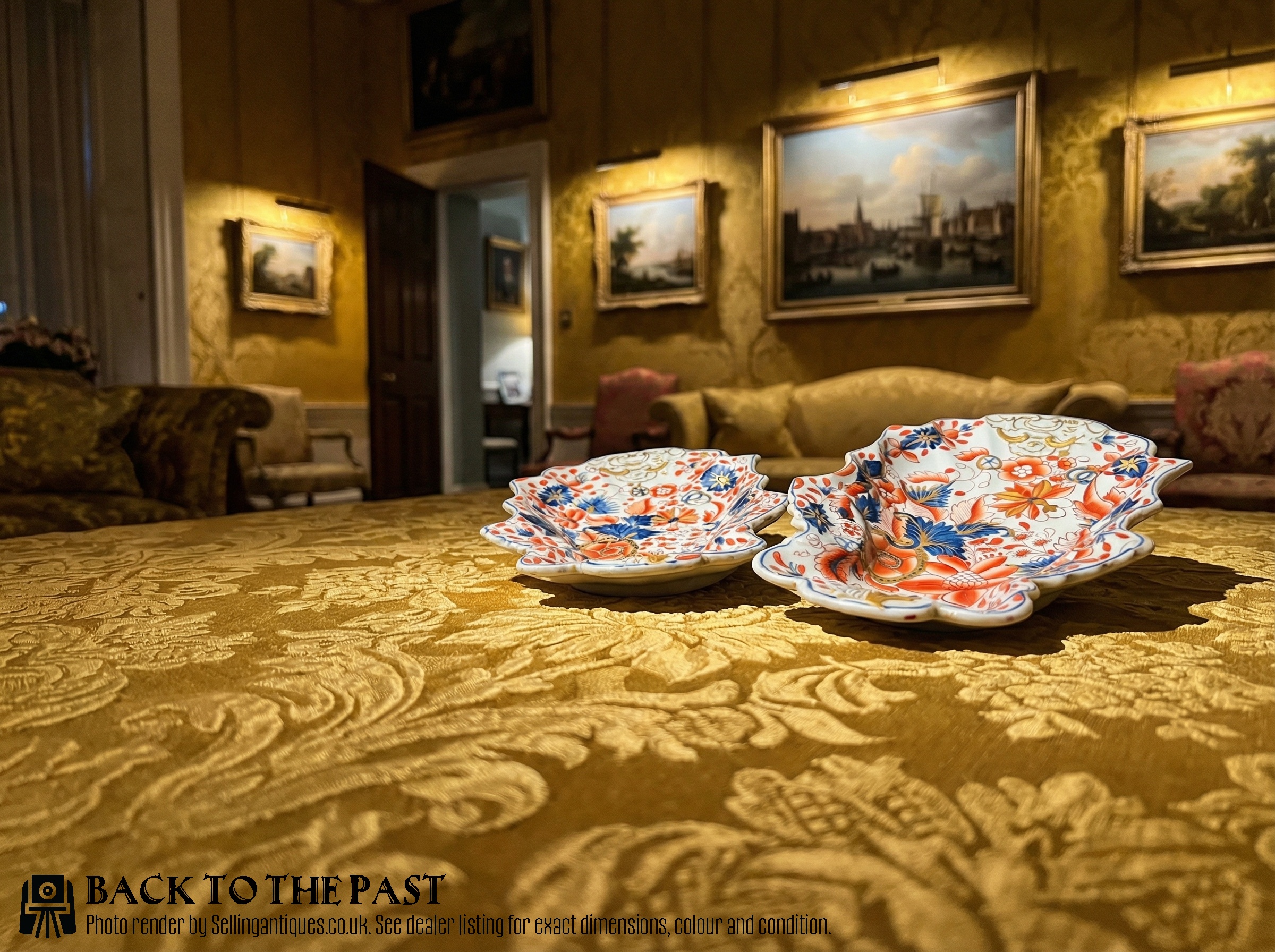
Antique Porcelain Dessert Dishes
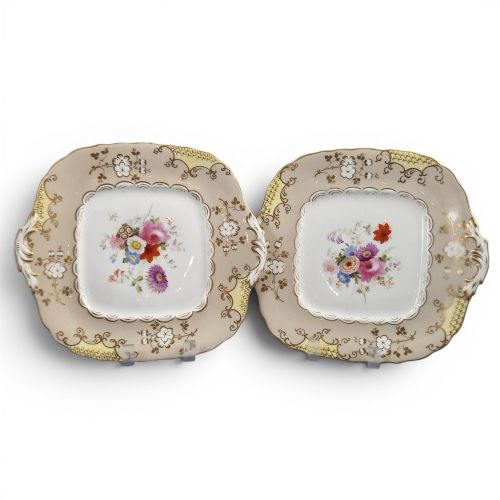
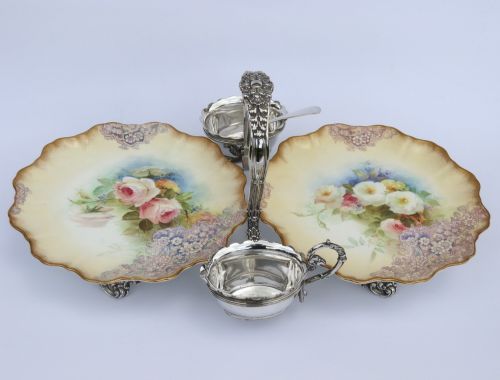
When you search for antique porcelain dessert dishes, you encounter specialised ceramic plates, square dishes, and cream tureens made to complete elite dining services. The versions you meet most frequently on this page date from the Georgian and Regency periods through to the late Victorian era. Makers designed these pieces for the final course of a formal meal, utilising porcelain, bone china, and ironstone to present fruit, sweetmeats, or confections. Surviving examples range from individual cabinet plates to matched sets originating from prominent English factories.
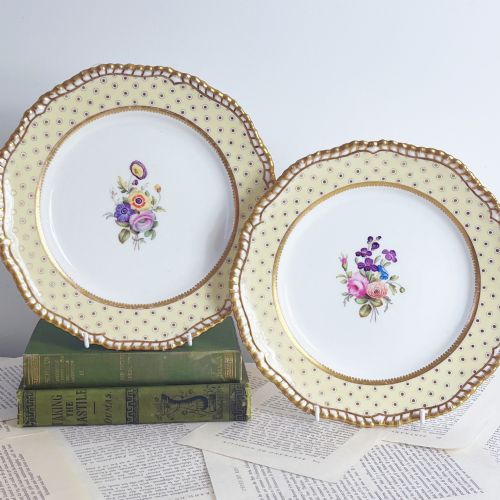
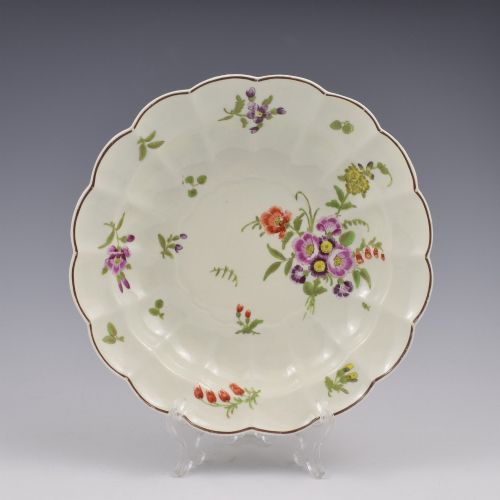
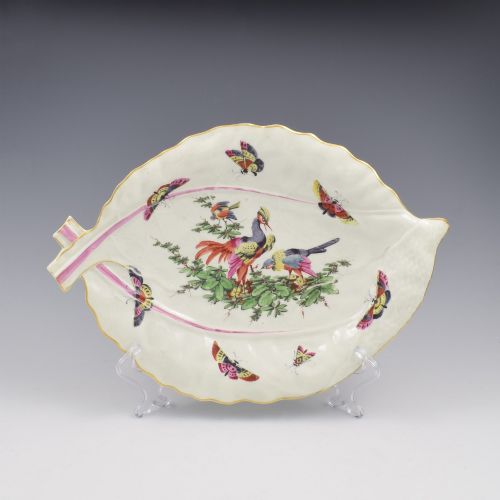
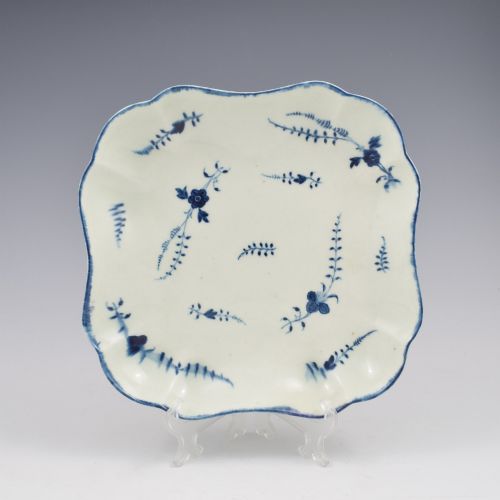
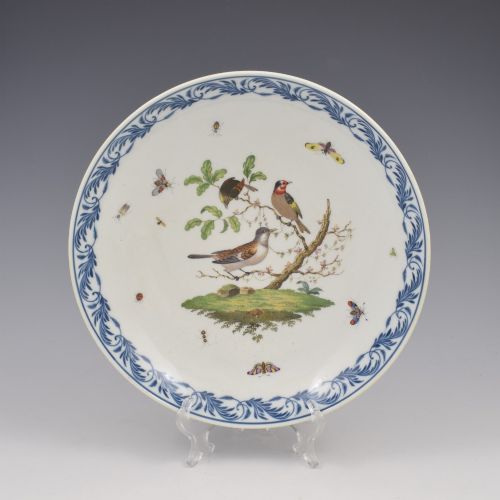
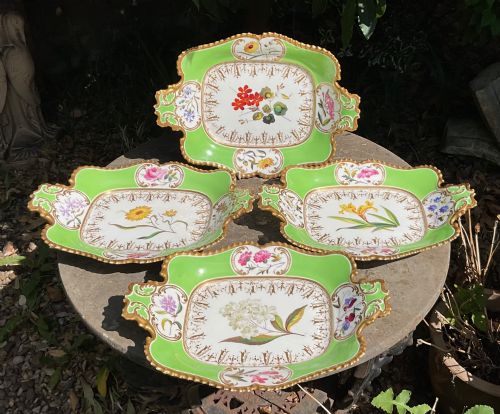
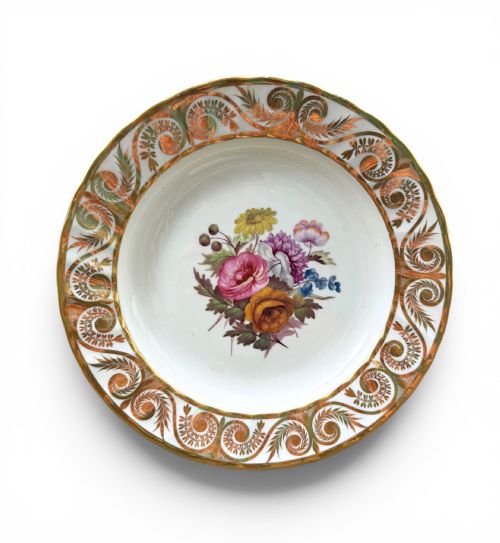
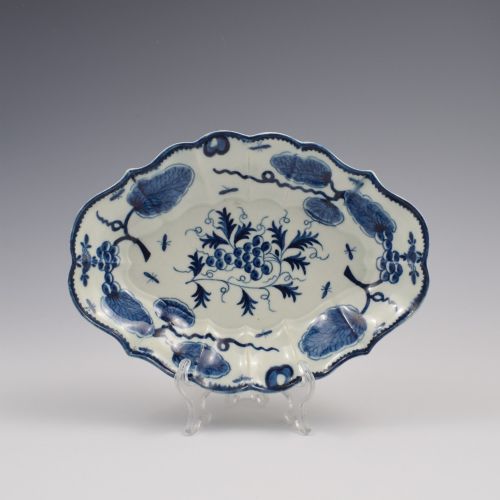
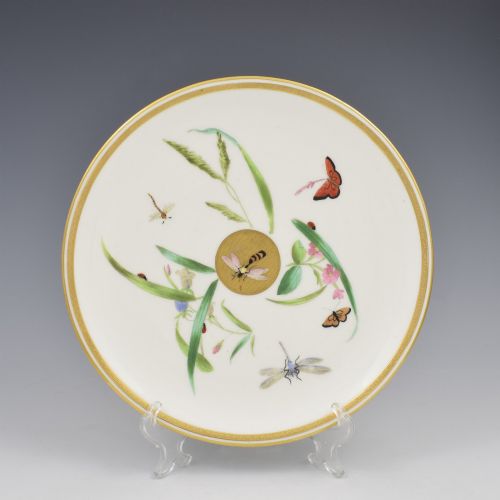
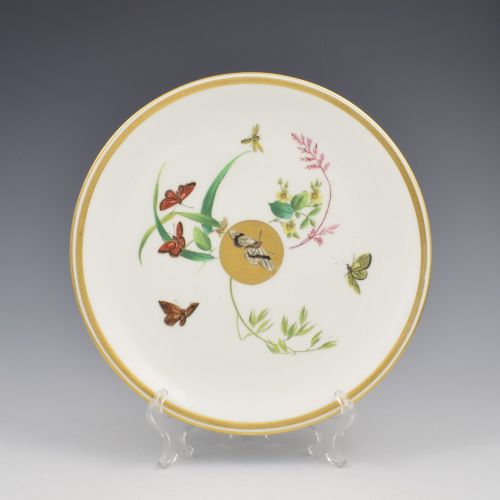
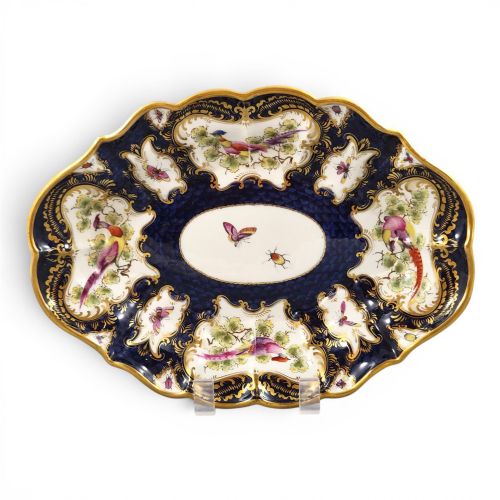
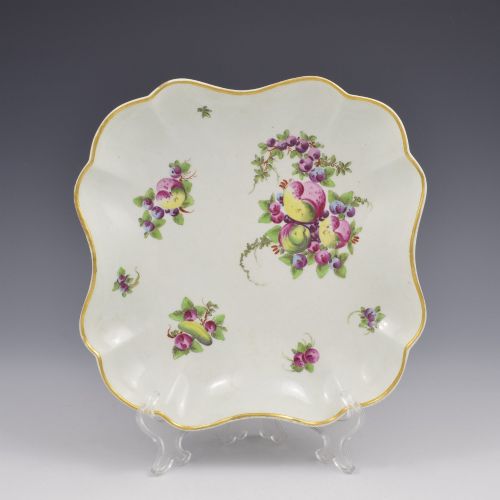
The forms encompass lobed dishes, scalloped plates, shell-shaped sweetmeat stands, and botanical plates painted with named flowers and landscapes. Many items retain armorial bearings, Japanese-style motifs, or elaborate hand-painted bird studies suited to display. While some survive as single decorative plates, others form sets originating from Coalport, Minton, and Worcester manufacturers.
How they were made
Potters shaped these vessels using soft-paste or hard-paste porcelain and bone china, often forming them in moulds to achieve lobed, basketweave, or shell contours. Artisans applied rich glaze layers before firing the pieces in kilns to create smooth, vitreous surfaces suitable for intricate painting. Factories employed specialised decorators to apply hand-painted botanical studies, topographical views, and exotic birds directly onto the ceramic body.
Gilding formed a vital final stage, with craftsmen applying gold leaf and gilt highlights to rims, handles, and borders. Some workshops incorporated raised enamel, pearl jewelling, or cobalt blue scale grounds to add texture and depth. These decorative elements underwent subsequent low-temperature firings to fix the metallic and enamel colours permanently to the glaze.
The available pieces span the 18th century, Regency, Georgian, Victorian, and Edwardian periods.
What varies in quality
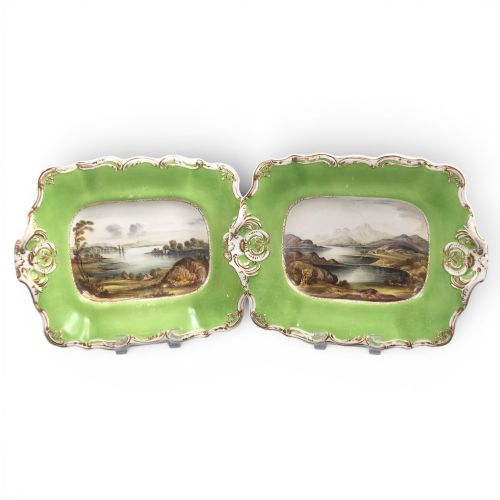
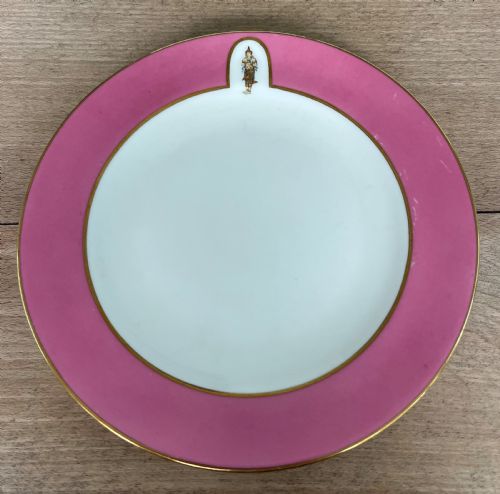
The standard of painting determines the tier of a piece, distinguishing workshop production from the work of named artists like Moses Webster or Thomas Steele. Botanical plates featuring accurately rendered flora and signed or attributed decorations command greater regard than standard factory patterns. The complexity of the ground colour, such as apple green or deep pink with jewelled enamel work, also indicates ambition.
The crispness of the moulding on shell dishes, basketweave plates, and lobed servers reveals the condition of the original factory moulds. Pieces retaining crisp armorial crests, hand-painted topographical scenes, and intact, unrubbed gilding represent the higher end of the range. The reputation of the maker, from First Period Worcester down to lesser-known ironstone potteries, shapes the standing of each item.
Spode·Meissen·Chamberlains Worcester·Derby porcelain·Minton porcelain·Royal Worcester·Coalport·Copeland and Garrett·Cauldon Ltd·Walker and Hall·Doulton Burslem·Bloor Derby·Mintons·John Ridgway·Rockingham Pottery·Flight Barr and Barr·Chelsea-Derby·James Giles
The Antique Porcelain Dessert Dishes Glossary
- Armorial
- Bearing a heraldic crest, coat of arms, or family motto painted in the centre or border. Such services were custom-ordered by landed families and prominent figures.
- Bone china
- A type of soft-paste porcelain containing bone ash, developed to provide a whiter, more durable body. It became a staple material for English dessert services.
- Gilt
- A thin layer of gold or gold leaf applied to ceramics as a surface decoration. It frequently outlines borders or highlights raised porcelain moulding.
- Lobed
- Having indented or scalloped edges that divide the rim into rounded segments. This shaping is common on 18th-century Worcester and Regency dessert plates.
- Soft-paste porcelain
- An artificial porcelain compound fired at lower temperatures than hard-paste, resulting in a warm glaze texture. Many early English factories utilised this composition before adopting bone china.
Antique Porcelain Dessert Dishes: Frequently Asked Questions
What were dessert dishes used for?
These dishes served fruit, nuts, sweetmeats, and delicate pastries during the final course of a formal Georgian or Victorian dinner party.
Hosts arranged them across the table alongside matching cream tureens and compotes to create an impressive visual display for guests.
How do I care for antique dessert plates?
Wash antique porcelain by hand in warm water using a mild detergent, avoiding dishwashers entirely to protect the delicate glaze and hand-painted details.
Store plates vertically in plate racks or use felt dividers between stacked pieces to prevent scratching the gilt rims and fragile enamel surfaces.
How can I tell First Period Worcester apart?
First Period Worcester pieces usually feature soft-paste porcelain bodies with characteristic glaze pooling, underglaze blue painting, or finely executed enamels.
Look for disguised numerals, crescent marks, or square fret marks painted on the base, though many early items relied on pattern style rather than stamps.