
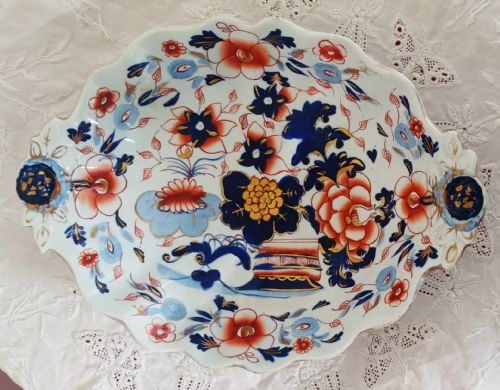
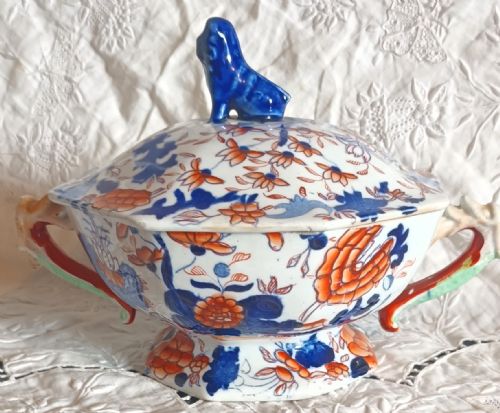


Masons Ironstone Serving Dish
These masons ironstone serving dish pieces combine robust ceramic bodies with striking patterns, offering both practical service and colourful display.
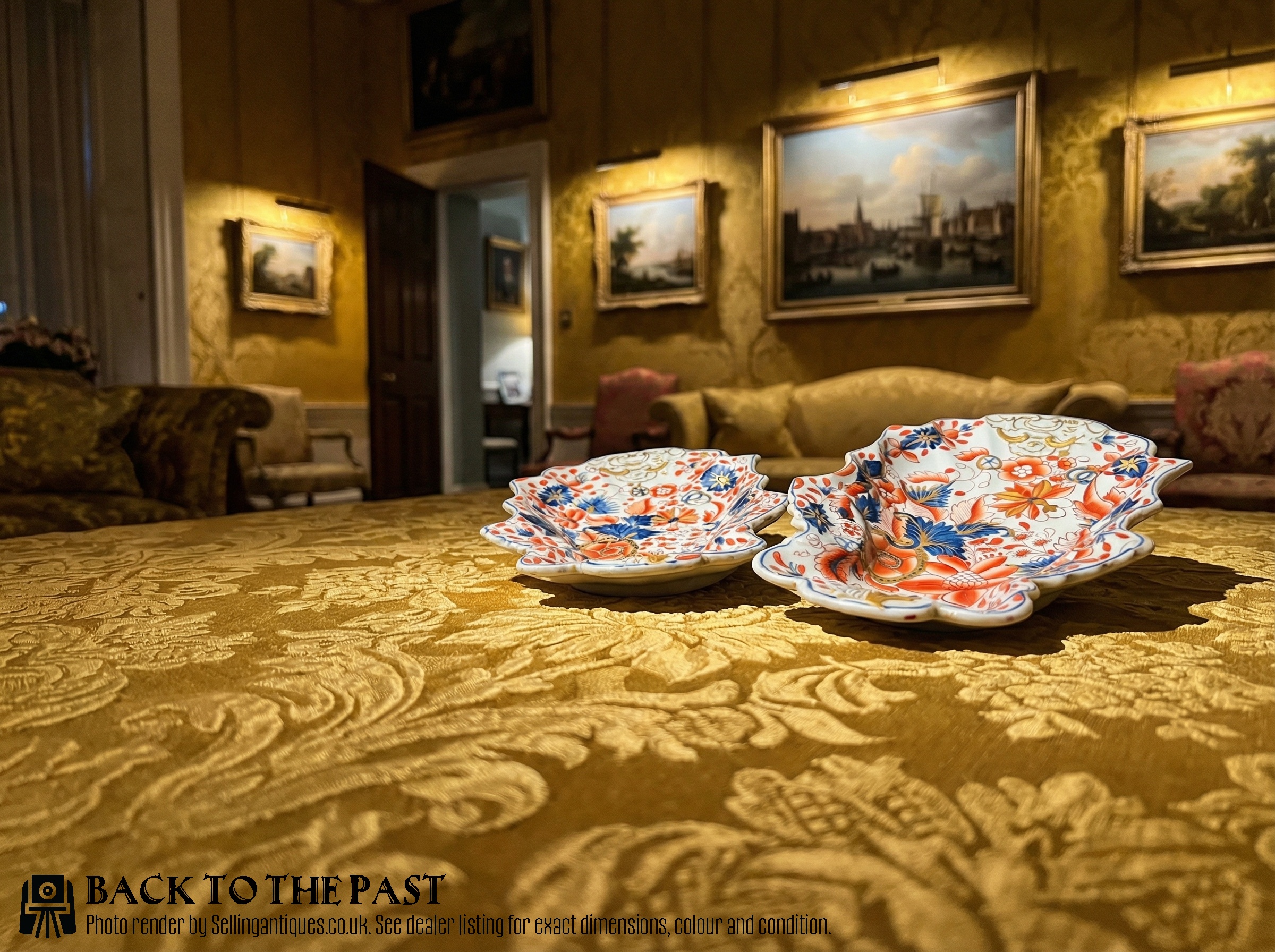
Masons Ironstone Serving Dish
A masons ironstone serving dish brings nineteenth century practicality and bold decoration to the table, taking forms such as tureens, platters, comports, and ashets. Buyers seeking this phrase encounter sturdy ceramic wares produced across the Georgian and Victorian periods, often decorated with rich patterns.
The selection ranges from large meat platters and soup tureens down to dessert dishes and low comports. Most examples date from the nineteenth century, including pieces decorated in distinctive styles like Chinoiserie, Imari, and regional landscape motifs.
How they were made
Makers utilised ironstone china and earthenware bodies, glazed to create a durable surface capable of handling heavy daily use. This ceramic recipe provided the strength needed for large platters and tureens.
Decoration relied on enamel colours, hand painting, and gilding with gold leaf to finish the patterns. Many designs employed transfer printing enhanced by coloured enamels.
Listings feature items spanning the Georgian and Victorian periods, utilising ironstone, enamel, and gold leaf.
What varies in quality
Quality rests in the crispness of the transfer print, the alignment of hand applied enamel colours, and the preservation of the gilding. Better pieces maintain bright, intact pigments across complex patterns.
The weight, throwing of the ceramic form, and clarity of the glaze also separate standard production wares from finer display items. Well preserved handles, finials, and covers on tureens indicate superior survival.
Francis Morley
The Masons Ironstone Serving Dish Glossary
- Ironstone china
- A dense, durable ceramic body patented to withstand heavy household use while imitating porcelain.
- Comport
- A raised dish or bowl used for serving fruit or dessert at the table.
- Ashet
- A regional term for a large meat platter or serving dish.
- Chinoiserie
- A decorative style employing European interpretations of Chinese and East Asian artistic motifs.
- Imari
- A decorative palette featuring rich blues, reds, and gold, inspired by Japanese export ceramics.
Masons Ironstone Serving Dish: Frequently Asked Questions
What are masons ironstone serving dishes used for?
These ceramic pieces served functional dining roles such as presenting meats, vegetables, soups, and desserts at nineteenth century tables. Large platters and tureens held substantial portions for family meals.
Today, collectors utilise them for serving food during gatherings or display them on dresser shelves to bring historic colour into a room.
How do I date a nineteenth century piece?
Dating relies on examining the stamped registry marks, ceramic body weight, and stylistic traits like Chinoiserie or Regency Imari borders. Earlier Georgian pieces often show different potting characteristics compared to later Victorian items.
Comparing the pattern name and border details against known production timelines helps narrow down the decade of manufacture.
How do I care for ironstone tableware?
Wash these ceramic pieces by hand using warm water and mild soap to protect the delicate enamel painting and gold leaf details. Avoid dishwashers and harsh scrubbing sponges.
Store large platters and tureens securely on flat surfaces, keeping covers separated from bases with cloth to prevent chipping.
What is the difference between a comport and a platter?
A comport stands raised on a foot or pedestal, designed primarily for presenting fruit or sweet dishes above the table surface. Platters and ashets lie flat, shaped specifically for carrying roasted meats and main dishes.
Both forms utilise the same sturdy ironstone body and often share matching pattern families.