
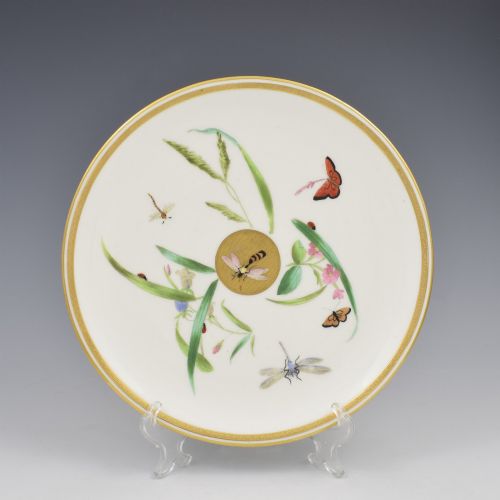
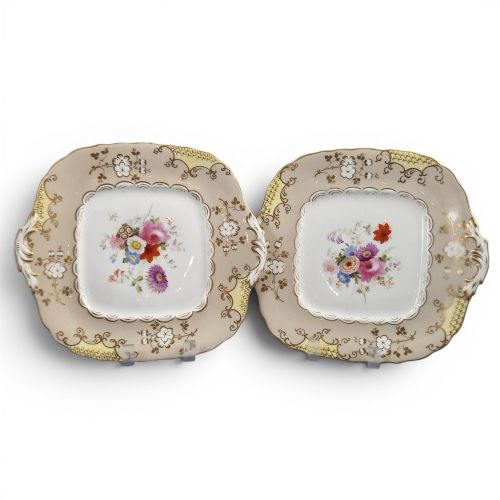
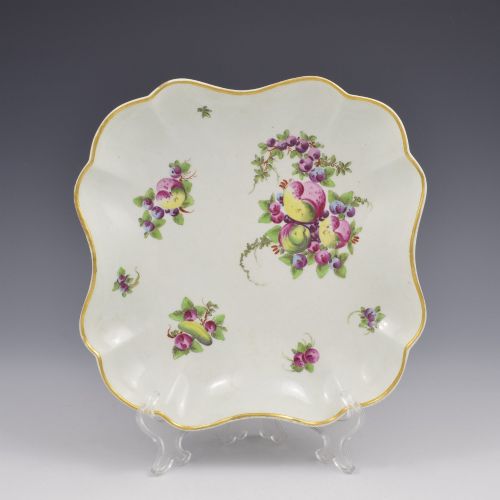
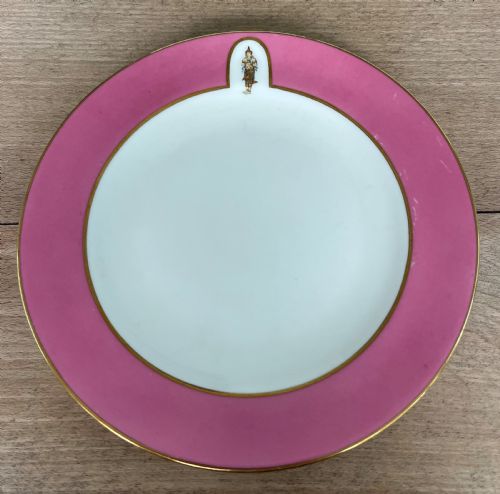


Gilded Ceramic Dessert Dish
These gilded ceramic dessert dish pieces bring table service from the eighteenth and nineteenth centuries into modern homes.
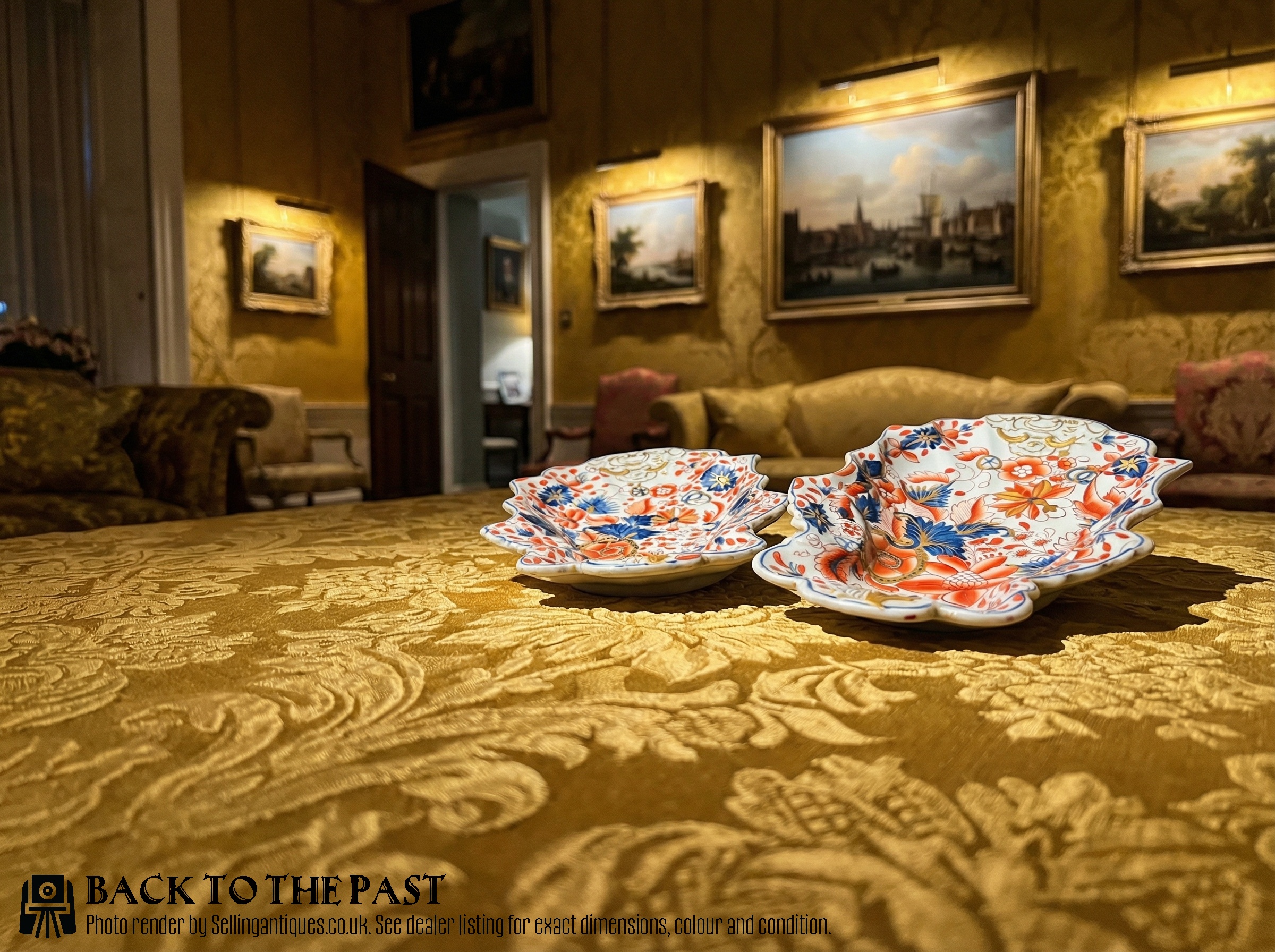
Gilded Ceramic Dessert Dish
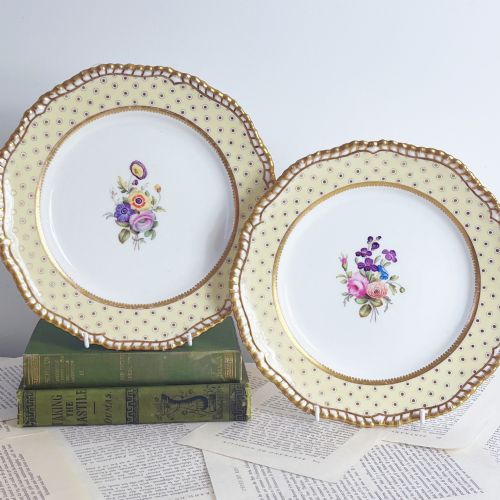
When searching for a gilded ceramic dessert dish, a buyer encounters serving plates, cabinet plates and dessert services created across the eighteenth, nineteenth and early twentieth centuries. These items originated from prominent factories such as Worcester, Coalport and Minton during periods spanning the Georgian, Regency and Victorian eras.
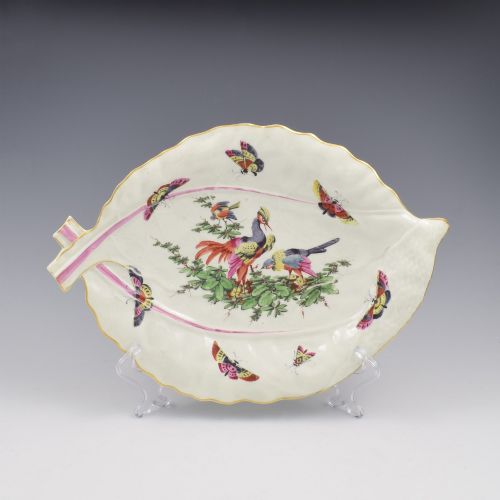
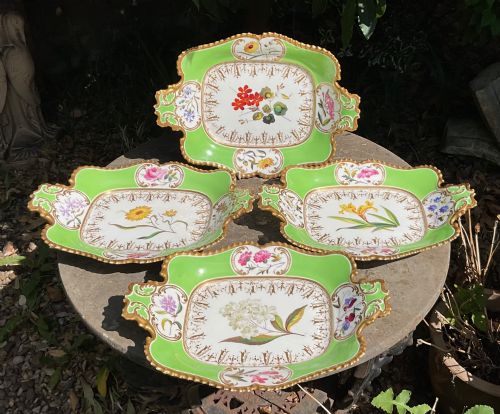
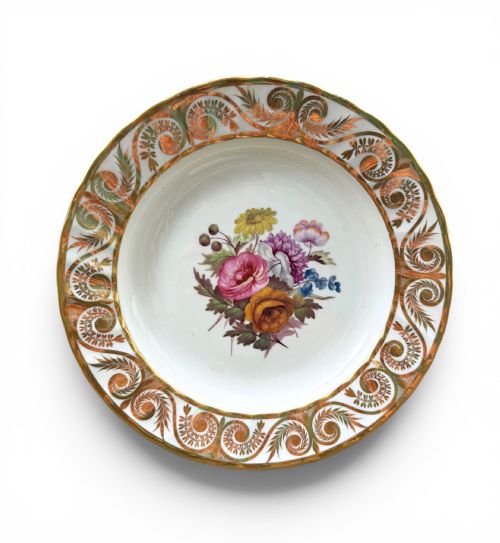
The pieces on this page appear as individual plates, pairs, and matched serving dishes designed for formal dining tables or display cabinets. Forms vary from simple round plates to square lobed dishes, shell shapes, basketweave moulds and larger serving platters.
Most items meeting this description date from the nineteenth century, reflecting the popularity of elaborate dessert courses among collectors today.
Materials and manufacture
Potters shaped these vessels using porcelain, bone china, soft-paste porcelain and ironstone, applying enamel colours by hand alongside gold leaf and gilding. Artisans utilised sophisticated ceramic bodies that allowed for delicate moulding, basketweave textures and lobed rims.
Decoration relied on skilled hand painting for botanical studies, topographical scenes, armorial crests and intricate patterns like Jabberwocky or Kakiemon. The application of gold leaf and burnished gilt completed the surface treatment, accentuating rims and moulded borders.
Quality variations
Distinctions in quality rest upon the precision of the hand painting, the complexity of the ceramic moulding and the preservation of the gilding. Superior examples demonstrate finely executed botanical or figurative artwork combined with crisp, deep relief work in the porcelain body.
The reputation of the manufactory and the clarity of factory marks on the reverse further influence the standing of each piece. Items decorated by named outside studios or associated with specific royal commissions represent the highest tier of production.
Spode·Chamberlains Worcester·Minton·Coalport·Flight Barr And Barr·Rockingham·Wedgwood·Meissen
The Gilded Ceramic Dessert Dish Glossary
- Soft-paste porcelain
- An early ceramic composition fired at lower temperatures than hard-paste porcelain, creating a warm, slightly translucent body popular in eighteenth-century factories.
- Bone china
- A durable ceramic material incorporating animal bone ash, developed in England to produce a white, refined body suitable for detailed painting and gilding.
- Ironstone
- A heavy, robust earthenware patent developed in the nineteenth century for practical service wares that resisted chipping.
- Armorial
- A ceramic design painted with a family crest, coat of arms or heraldic symbols commissioned by landed gentry.
- Gilding
- The application of gold leaf or powdered gold onto the ceramic surface, usually fired and burnished to create a metallic sheen around rims and handles.
Gilded Ceramic Dessert Dish: Frequently Asked Questions
How were these dishes used originally?
These ceramic vessels served the final course of grand meals, holding fresh fruit, sweetmeats and elaborate confections for guests at the dining table.
Servants cleared the savoury dishes before bringing out these decorated plates and serving pieces as a display of wealth and hospitality.
Can I use these antique dishes for dining?
Most collectors treat these historical pieces as display items, cabinet plates or decorative serving dishes rather than everyday tableware.
Hand-painted enamels and delicate gold leaf can suffer wear from modern cutlery, dishwashers and frequent washing.
How do I identify the period of a piece?
Makers' marks stamped, painted, or impressed on the reverse provide the most reliable clue to a piece's age and origin.
Stylistic shifts, such as the transition from eighteenth-century chinoiserie motifs to Victorian floral patterns, also help date the ceramic body.
What is the difference between porcelain and ironstone?
Porcelain offers a finer, more translucent body designed for refined dining and delicate hand-painted cabinet pieces.
Ironstone provides a heavier, opaque and highly durable alternative created for robust service use during the nineteenth century.