




Antique Dessert Service Set
An antique dessert service set brings Victorian and Georgian elegance to the table with matched plates, comports, and fitted cutlery.
Antique Dessert Service Set
An antique dessert service set comprises matched tableware designed specifically for the final course of a formal meal. These groupings typically combine ceramic plates and comports with specialised silver or silver-plated cutlery.
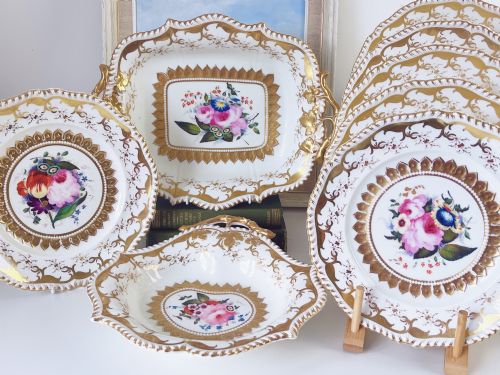
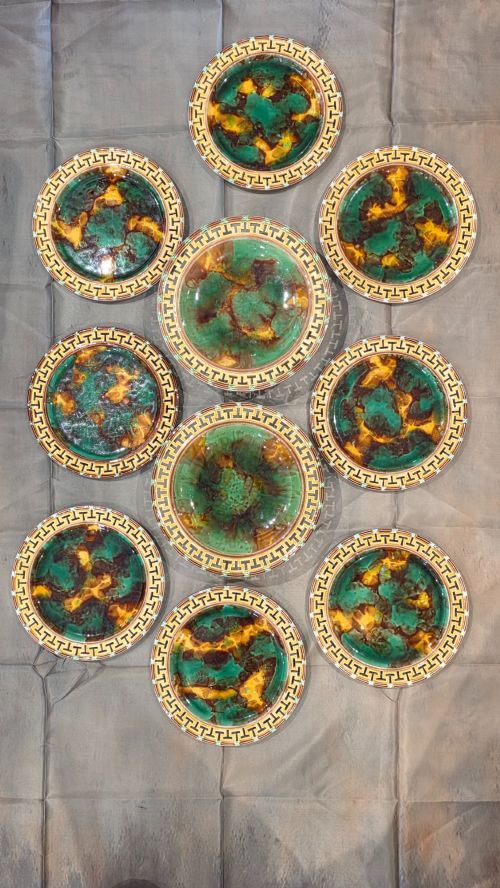
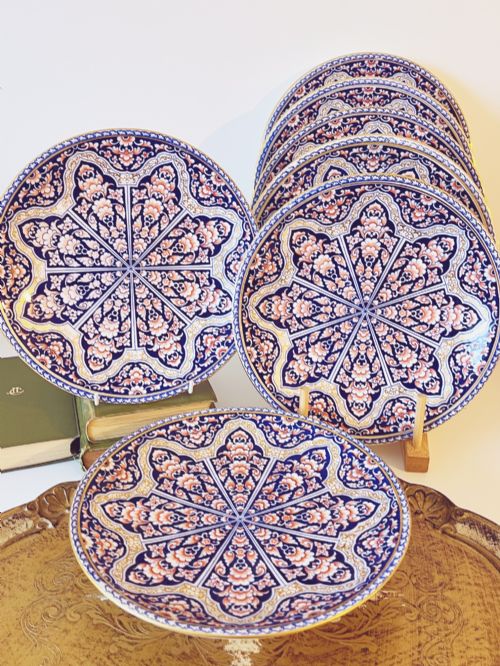
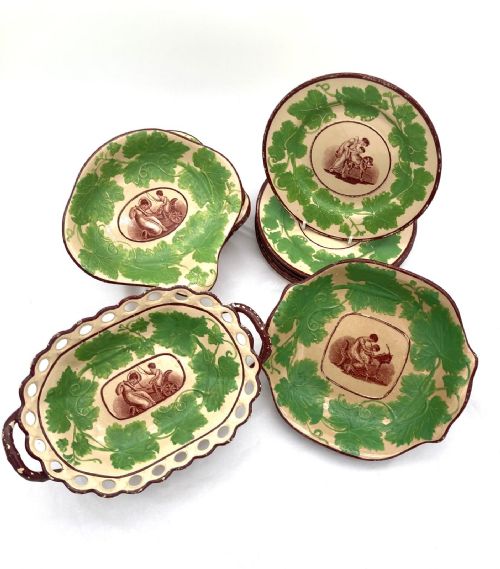
Buyers meet sets from the Georgian, Victorian, and Edwardian eras, spanning earthenware, porcelain, and majolica. Many configurations include hand-painted floral motifs or transfer-printed decoration on ironstone and creamware bases.
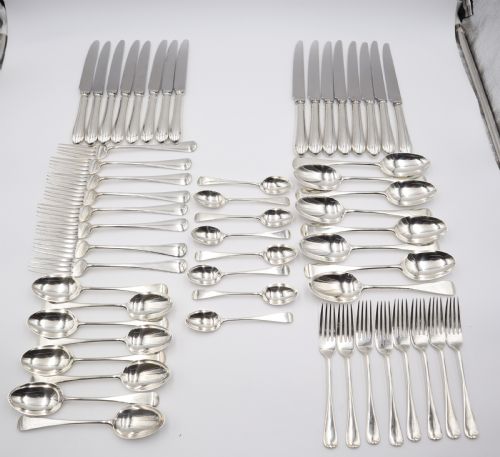
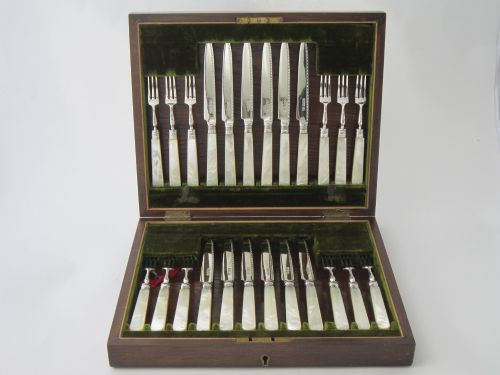
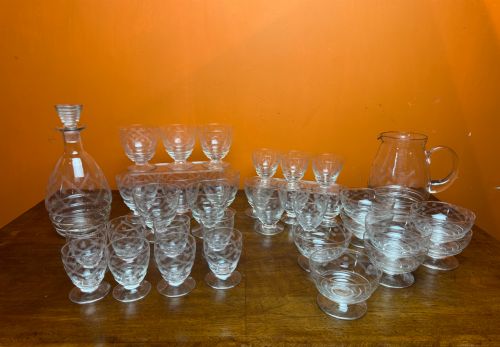
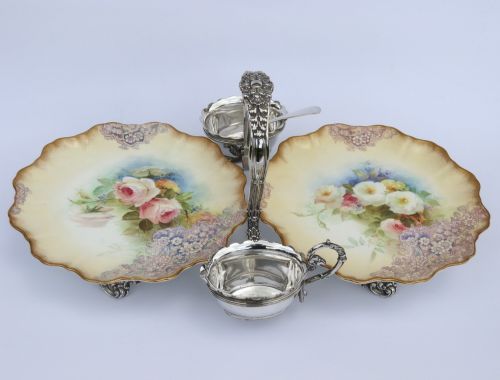
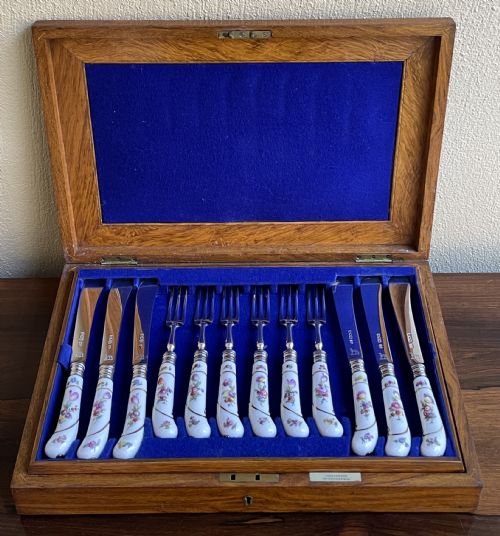
Comports paired with multiple matching plates dominate the selections. Separate boxed cutlery sets featuring mother-of-pearl or agate handles also appear frequently in this category.
Materials and production methods
Potteries utilised fine porcelain, earthenware, and ironstone, shaping plates and comports before applying hand-painted glazes, enamel, or transfer-printed patterns. Kiln firing fixed these pigments beneath protective vitreous layers.
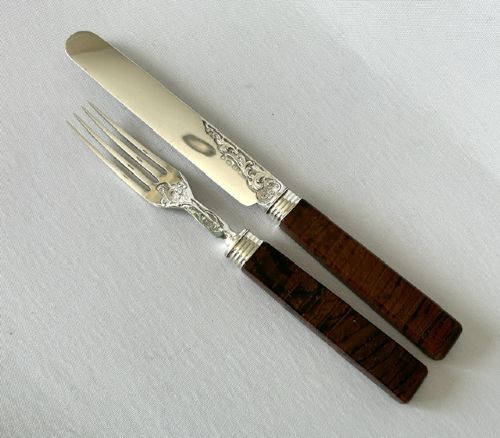
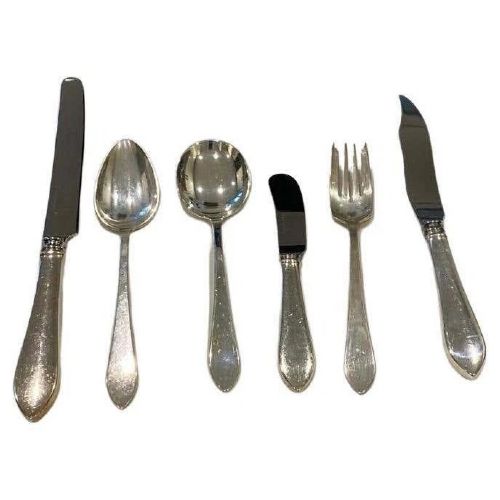
Cutlery items combined sterling silver or silver plate with organic handles carved from mother-of-pearl, ivory, or agate. Metal components were cast, forged, and occasionally engraved with detailed foliage or geometric motifs.
Listings feature ceramics and metalware spanning the Georgian, Victorian, Edwardian, and Art Deco periods, utilising porcelain, earthenware, silver plate, and enamel.
Distinctions in craftsmanship and survival
Quality rests in the crispness of hand-painted floral details and the completeness of the original service. Services that retain every plate and comport without replacement pieces command greater attention.
The integration of materials marks the upper tier, such as silver-plated frames paired with matching Doulton Burslem ceramics or fitted wooden cases lined in velvet. Finer metalwork displays precise hallmarks and deep, clean engraving.
Grainger Lee And Co·Wedgwood·Royal Crown Derby·Tiffany·Walker And Hall·John Ridgway·Rockingham Pottery·Spode·Carrington·Doulton Burslem·Mason S·Hukin And Heath
The Antique Dessert Service Set Glossary
- Comport
- A raised dish or pedestal bowl used for presenting fruit and sweetmeats as the centrepiece of a dessert course. These elevated vessels anchor the visual balance of the table display.
- Ironstone
- A dense, durable type of earthenware patented in the nineteenth century to imitate Chinese porcelain. It provides a robust body for heavy kitchen and tableware decoration.
- Creamware
- A refined, pale yellow-glazed earthenware developed in the eighteenth century by English potters. Its warm tone served as a popular canvas for transfer-printed designs.
- Majolica
- A colourful lead-glazed earthenware characterised by vibrant tones applied over an opaque tin glaze. It enjoyed immense popularity during the Victorian era for decorative serving pieces.
- Mother-of-pearl
- The iridescent inner layer of certain mollusc shells used traditionally for knife and fork handles. This material offers a luminous texture that contrasts with polished silver.
Antique Dessert Service Set: Frequently Asked Questions
What is included in an antique dessert service set?
These sets generally comprise a collection of plates alongside taller serving vessels known as comports. Some listings also incorporate matched cutlery such as specialised knives, forks, and grape scissors.
The exact composition varies by manufacturer and period. Nineteenth-century examples often focus on ceramic plates, whereas later Victorian and Edwardian groupings frequently pair plates with silver-plated or sterling silver flatware.
How were dessert services used historically?
Hosts utilised these matching sets during the final course of grand formal dinners, which focused on fruit, nuts, cheeses, and sweet confections. The elaborate comports held fruit in the centre of the table while guests used specialised cutlery for delicate items.
This practice reflected the refined social rituals of Georgian and Victorian dining. Sets remained displayed on sideboards or stored in fitted wooden canteens when not in active use.
How do I date an antique dessert service?
Dating relies on ceramic backstamps, registry marks, and stylistic indicators such as Regency shapes or Art Deco motifs. Silver components carry distinct hallmarks that pinpoint the exact year and assay office.
Materials and decorative techniques also offer clear chronological clues. Transfer-printed ironstone points toward the early nineteenth century, while majolica and elaborate silver plating are typically Victorian.
How should I care for antique ceramic and silver sets?
Hand washing in lukewarm water with mild soap protects delicate painted glazes and enamel details. Harsh detergents and modern dishwashers must be avoided to prevent surface wear.
Silver and silver plate benefit from occasional gentle polishing using appropriate non-abrasive compounds. Storing components in dry, temperature-controlled environments prevents tarnishing and protects organic handles like mother-of-pearl.