
Gilded China Display Plates
Gilded china display plates bring hand-painted artistry and metallic highlights into domestic interiors.
Gilded China Display Plates
Gilded china display plates comprise decorative porcelain, bone china and earthenware vessels created primarily for visual presentation rather than dining use. These pieces span centuries of ceramic production, featuring heavily in nineteenth-century cabinets and twentieth-century decorative schemes.
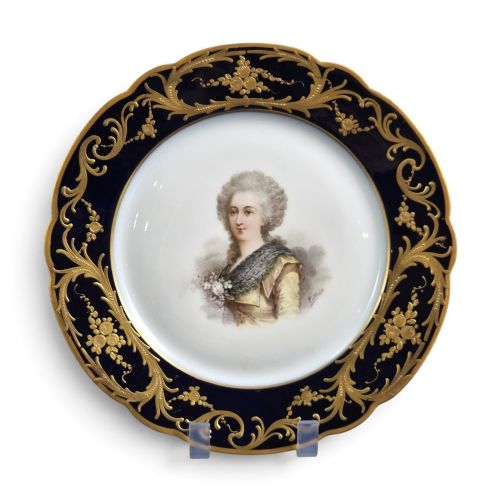
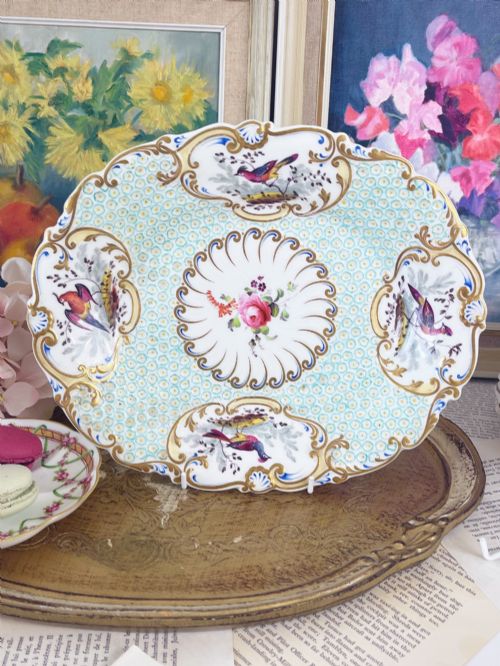
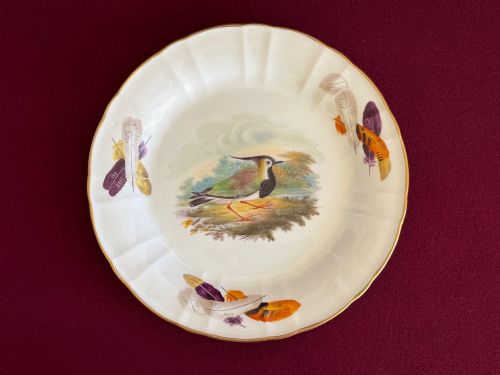
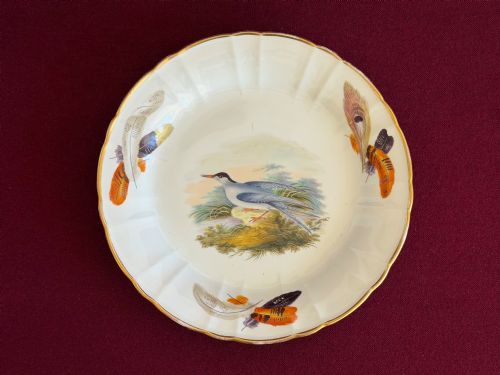
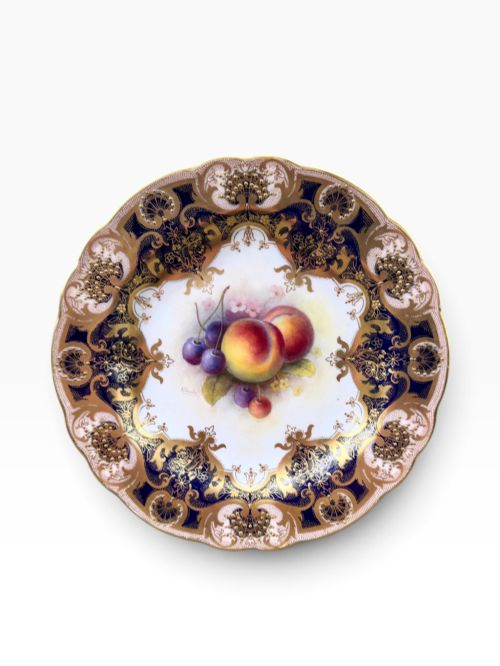
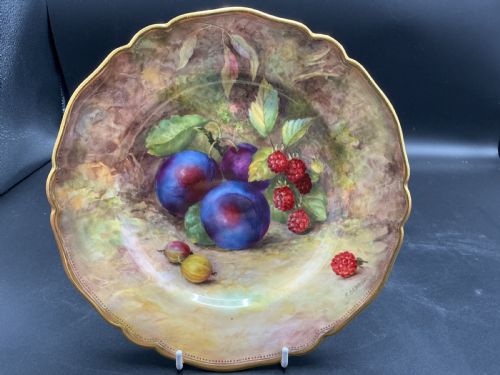
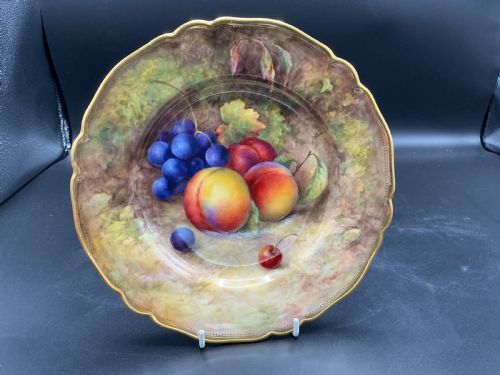
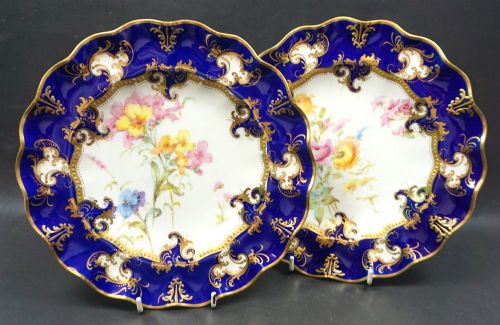
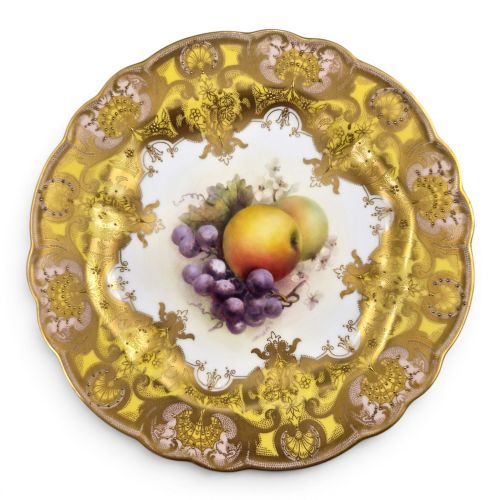
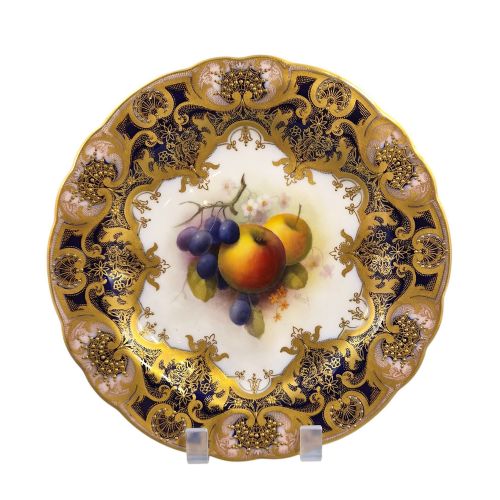
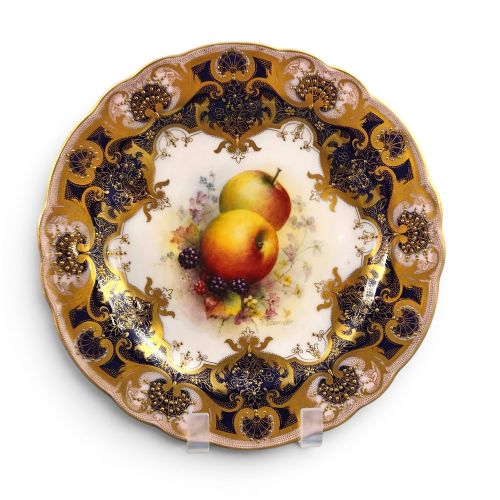
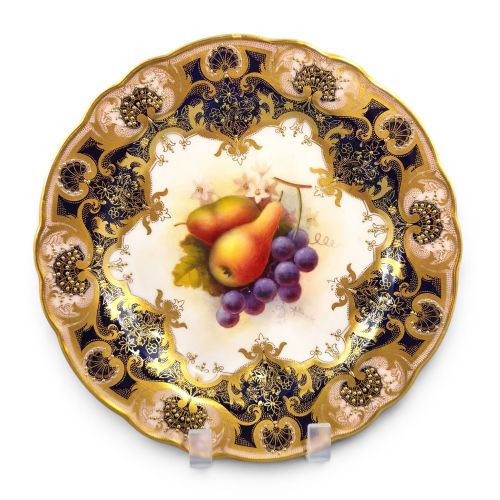
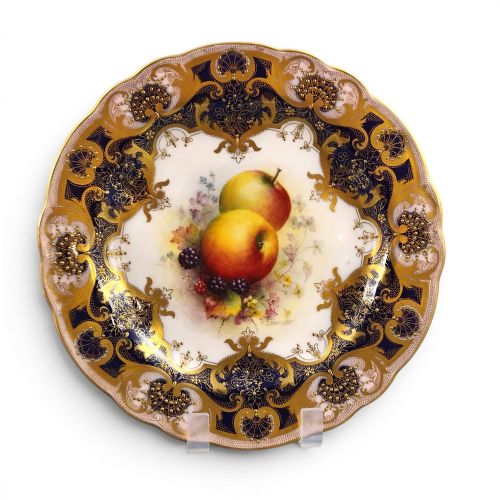
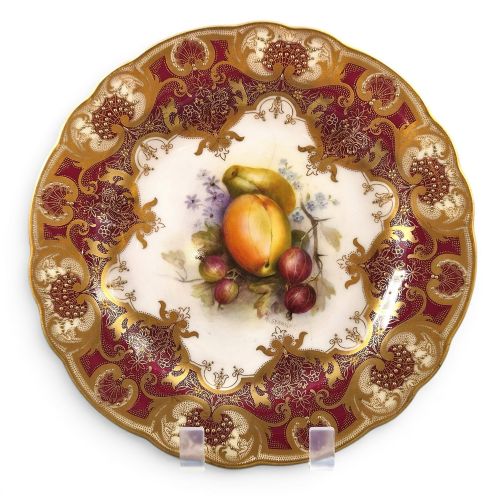
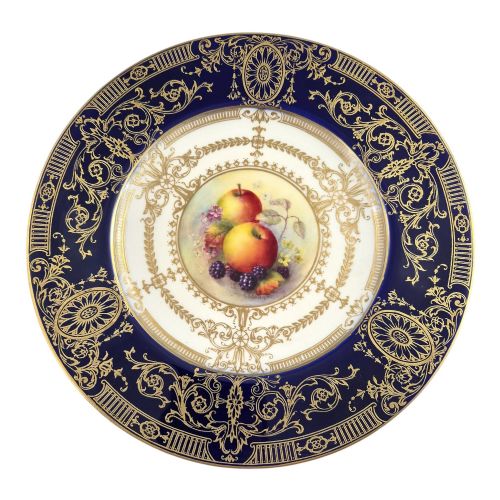
The selection includes cabinet plates, dessert services, serving dishes and platters originating from English, French, German and Japanese kilns. Collectors encounter forms ranging from Regency bird-painted botanical plates to Edwardian fruit-painted Worcester pieces.
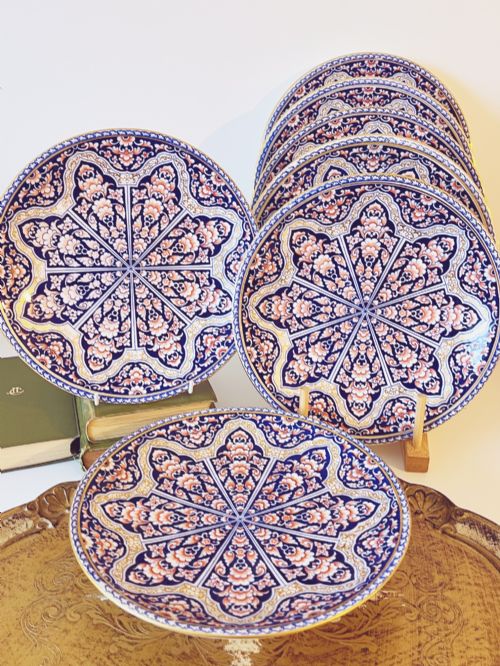
Makers utilise styles such as Rococo Revival, Art Deco and Japanese Imari alongside traditional English painting. Many items double as historical records, depicting named views, botanical specimens and armorial crests.
Materials and technique
Makers form these plates using fine porcelain, bone china and enamel, applying a dense white ceramic base to receive subsequent artistic embellishment. Artisans then paint detailed subjects including fruit, birds, fish and landscapes by hand.
Gold leaf, gilt and gold gilding are applied to rims, borders and central motifs, often using tooling techniques to create textured metallic patterns. Firing fixes the pigments and precious metals onto the glazed surface.
The inventory spans Victorian, Edwardian, Regency, and Art Deco styles, including Japanese Imari and Rococo Revival forms.
Distinctions in quality
The standard of painting heavily influences the desirability of each plate, with named artists commanding greater attention for their brushwork on subjects like fruit and portraits. Hand-painted precision separates unique artistic expressions from standard transfer-printed wares.
The complexity and preservation of the gilding also define the grade of the piece, particularly where tooled gold work and heavy raised borders frame the painted centre. Maker provenance, ranging from Royal Worcester studios to continental factories, anchors the overall standing of the item.
Royal Worcester·Royal Crown Derby·Wedgwood·Coalport·Aynsley·Meissen·Kornilov Brothers
The Gilded China Display Plates Glossary
- Cabinet plate
- A decorative ceramic plate intended for display in a cabinet or on a wall rather than for everyday dining. These pieces usually feature elaborate painted scenes and rich gilding.
- Bone china
- A type of soft-paste porcelain containing animal bone ash, producing a strong, milky-white body. It accepts glazes and enamel colours exceptionally well.
- Gilt
- A thin layer of gold applied to the surface of the porcelain. It provides the characteristic metallic gleam on the rims and borders of these plates.
- Dessert service
- A matching set of plates, comports and serving dishes used for the final course of a formal meal. Surviving pieces are often split into individual cabinet plates.
- Imari
- A style of Japanese export porcelain characterised by underglaze blue, iron red, and gilt highlights. European factories frequently copied these distinct decorative patterns.
Gilded China Display Plates: Frequently Asked Questions
What are gilded china display plates?
These are ornamental ceramic plates embellished with gold leaf or gilt, created to be exhibited in rooms rather than used for serving food.
They showcase detailed hand-painted artwork, ranging from botanical studies to elaborate landscape views.
How were these decorative plates used?
Historically, owners placed them inside glass-fronted cabinets or mounted them on walls to demonstrate wealth and artistic taste.
They also formed part of large dessert services displayed during formal nineteenth-century dining occasions.
How do I live with antique display plates?
Display them securely using specialist wall hangers or sturdy plate stands inside cabinets away from direct sunlight.
Handle them gently by the edges to protect the delicate hand-painted surfaces and fragile gold gilding.
How can I tell the period of a plate?
Examine the backstamp or factory marks stamped into the ceramic base, which often correspond to specific operating dates.
The painting style, colour palette, and type of porcelain body also provide clear indicators of the era of manufacture.