





Hand Painted Porcelain Dishes
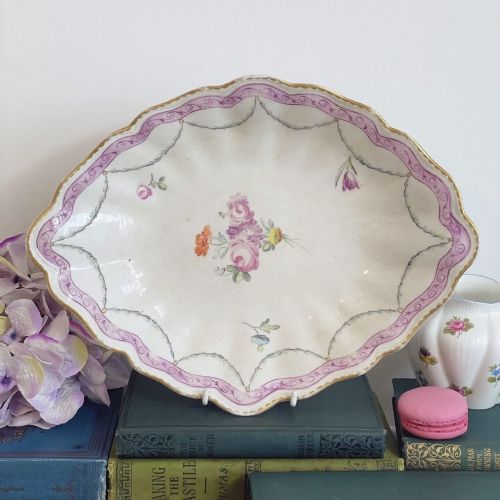
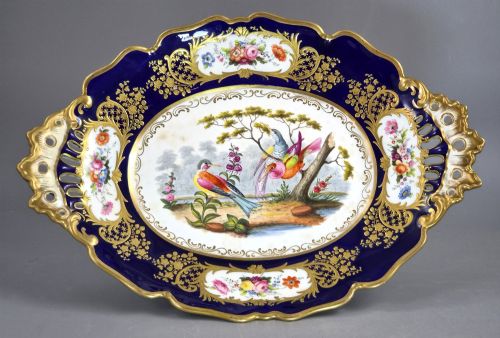
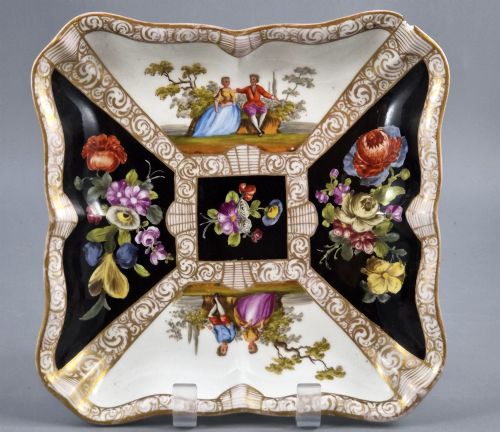
Hand painted porcelain dishes bring centuries of artistic skill to the table, offering intricate botanical, avian and landscape scenes executed in delicate pigments.
Hand Painted Porcelain Dishes
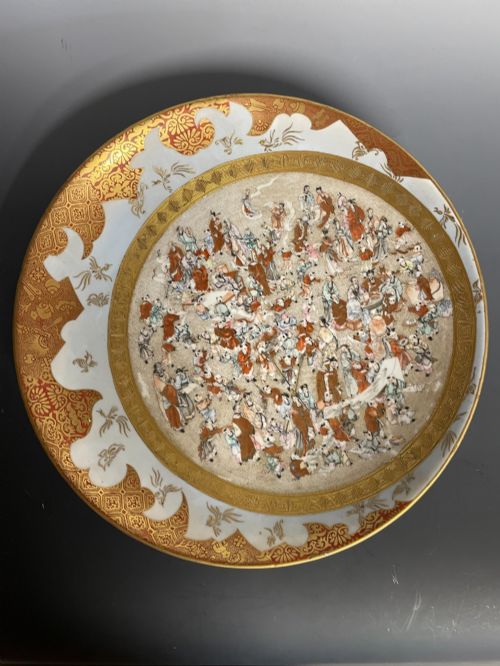
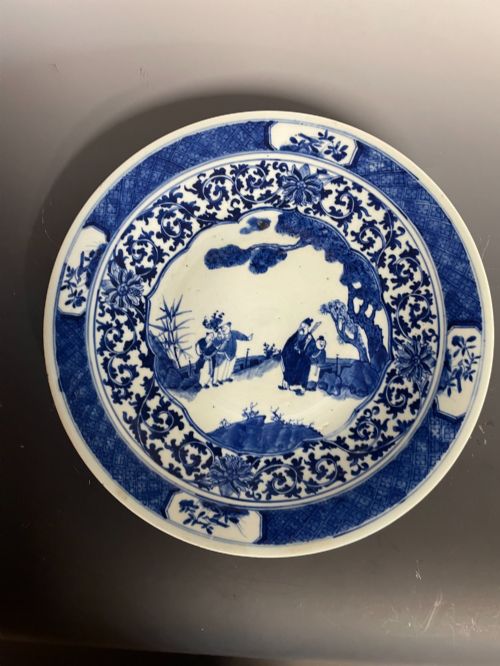
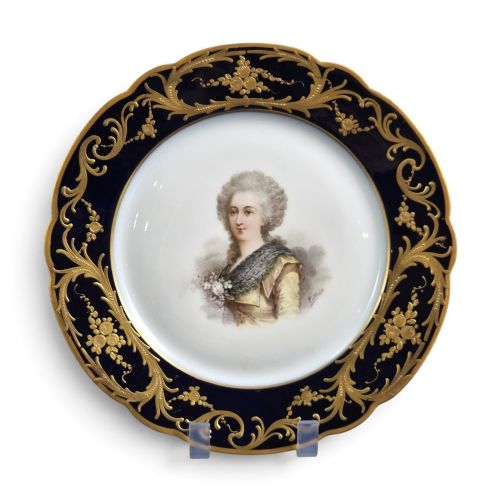
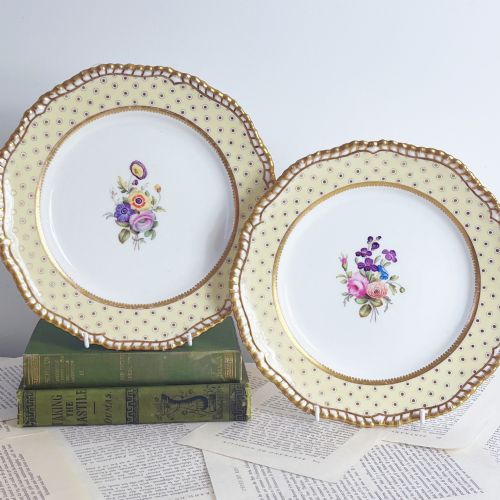
Hand painted porcelain dishes encompass a diverse range of decorative and serving wares, including cabinet plates, dessert plates, bowls, Chargers, and sweetmeat dishes produced across European and Asian kilns. When searching for hand painted porcelain dishes, buyers encounter works spanning the eighteenth, nineteenth, and early twentieth centuries, reflecting varied aesthetic movements from Rococo Revival and Regency to Japanese Meiji and Chinese Qing traditions.
The selection on this page relies heavily upon nineteenth-century pieces alongside eighteenth-century examples and early twentieth-century creations from factories such as Royal Worcester, Meissen, and various Japanese workshops. Domestic English porcelain from makers like Derby, Worcester, and Spode sits alongside imported Asian Imari and Canton porcelains, offering both utilitarian serving vessels and purely decorative cabinet pieces.
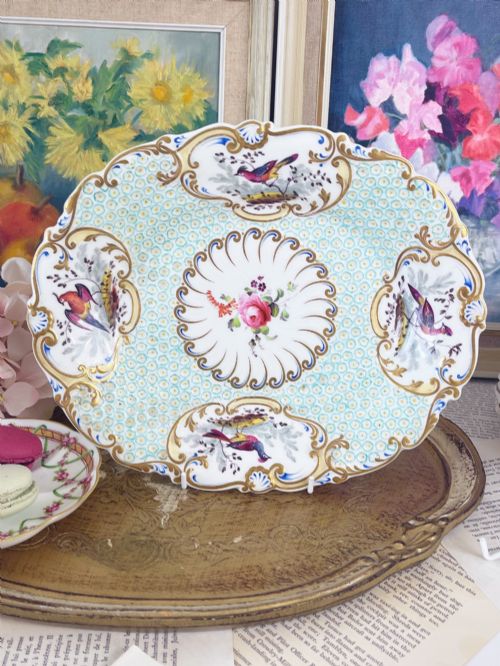
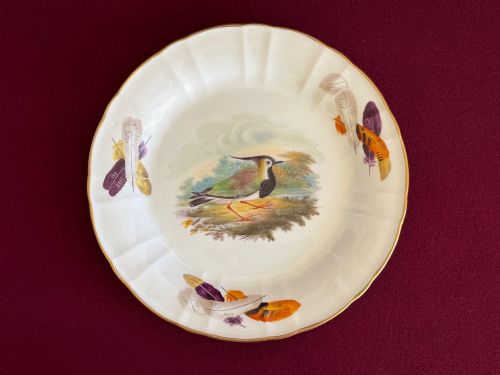
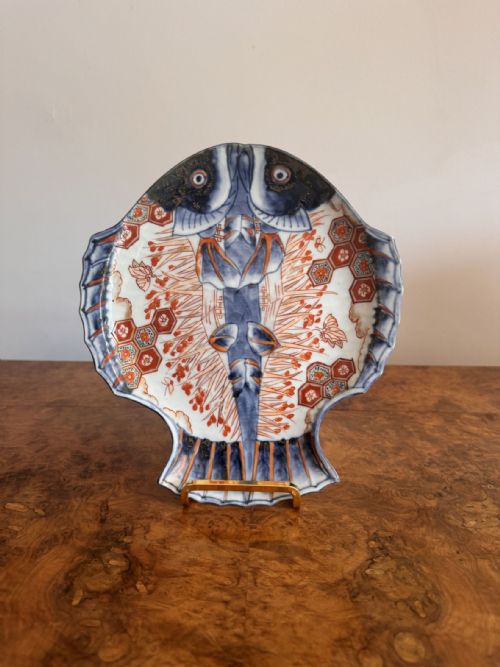
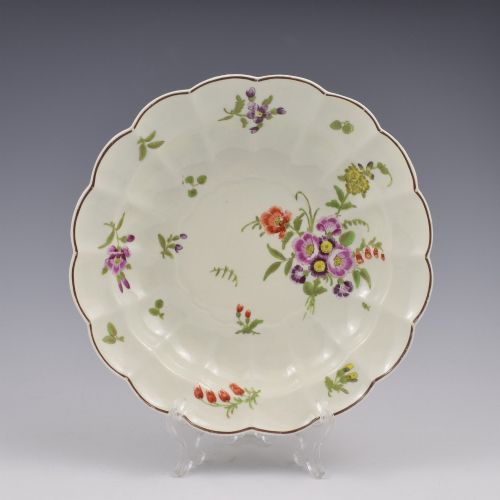
Form and function merge in these objects, shifting from practical dessert and soup plates to large chargers designed for display and specialised dishes shaped as fish or scallops. Buyers select these items for their colourful hand-applied motifs, which often feature birds, flowers, figures, and architectural scenes rendered directly onto glazed porcelain bodies.
How they were made
The creation of these ceramics relies upon refined ceramic pastes, including soft-paste porcelain, bone china, and pearlware, shaped by hand or moulded before receiving an initial high-temperature firing. Artisans then applied delicate mineral pigments and enamels over or under the transparent glaze, frequently incorporating gold leaf, gilding, or gilt accents that required additional low-temperature kiln firings to bond the metallic details.
Painting techniques demanded steady brushwork executed by trained artists who specialised in specific subjects, such as polychrome birds, botanical studies, or Watteau-style figures. Factories employed distinct marking systems, utilising blue painted underglaze marks, impressed stamps, or handwritten titles to record the decorator and the kiln of origin.
Materials recorded on this page include porcelain, bone china, soft-paste porcelain, enamel, glaze, and gold leaf.
What varies in quality
The calibre of hand painted porcelain dishes depends significantly upon the sophistication of the brushwork and the precision of the enamel painting, where skilled artists achieved subtle shading and anatomical accuracy in birds, flowers, and portraits. Superior examples demonstrate harmonious colour palettes and balanced composition across the surface of the dish, whether framing a central subject or filling an elaborate border.
Material composition and manufacturing origin also dictate standing, with fine-grained porcelain bodies and complex moulded forms requiring greater technical mastery from the potter. Furthermore, documented attribution to named artists, specific historic periods, or esteemed manufactories elevates the standing of an individual dish.
Royal Worcester·Royal Crown Derby·KPM Berlin·H & R Daniel·Meissen Porcelain
The Hand Painted Porcelain Dishes Glossary
- Soft-paste porcelain
- A ceramic composition made from white clay mixed with ground glass and other materials, fired at lower temperatures than hard-paste porcelain. This early European body has a warm, creamy tone and accepts certain glaze formulations with distinctive depth.
- Charger
- A large decorative plate or dish utilised primarily for display on sideboard tables rather than for serving food. These expansive surfaces provided artisans with ample space for elaborate hand-painted landscapes and floral arrangements.
- Cabinet plate
- A fine decorative plate intended for display within a glass-fronted cabinet rather than everyday dining use. Such pieces often exhibit the highest tier of factory painting and gilding.
- Imari
- A style of Japanese porcelain featuring a distinctive palette of underglaze cobalt blue, iron red, and supplementary gold leaf. The tradition spread widely through export markets during the Meiji period and earlier.
- Bone china
- A hard-paste ceramic incorporating animal bone ash into the paste mixture to increase strength and translucency. British factories adopted this formula extensively during the nineteenth century for fine tableware.
Hand Painted Porcelain Dishes: Frequently Asked Questions
How do I date antique porcelain?
Dating relies upon examining factory marks, paste composition, and the stylistic traits of the painted decoration. Comparing underglaze blue stamps or handwritten pattern numbers with factory archives helps establish a precise era.
Physical characteristics such as glaze pooling, wear patterns, and the specific weight of the ceramic body also guide the assessment of age.
Can antique porcelain dishes be used for food?
While many historical plates and dishes were originally created for dining or dessert service, antique pieces frequently require careful handling to preserve fragile enamels and delicate gilding. Modern dishwashers and harsh detergents will damage surface pigments and gold leaf.
Hand washing in lukewarm water with mild soap is recommended for any piece brought into domestic use.
What is the difference between bone china and porcelain?
Bone china includes calcined bone ash within the paste, resulting in a lighter, highly translucent body that remains remarkably strong. Traditional porcelain relies on kaolin and petuntse mixtures, yielding either soft-paste bodies with creamy glazes or hard-paste porcelain that withstands higher firing temperatures.
Both materials served as canvases for intricate hand-painted decoration across European manufactories.
How should I display cabinet plates safely?
Displaying cabinet plates requires secure wall mounts or specialist plate stands designed to distribute weight evenly without putting pressure on the rim. Placing dishes away from direct sunlight protects vulnerable enamel colours and prevents gilt fading over time.
Stable shelving positioned clear of heavy foot traffic ensures these decorative items remain secure in the home.