
English Rococo Porcelain
English rococo porcelain brings asymmetrical curves, lively figures, and delicate handpainted botanicals from eighteenth-century manufactories straight into a modern interior.
English Rococo Porcelain
English rococo porcelain encompasses functional tableware, decorative dishes, and sculptural figures shaped by eighteenth-century aesthetics and later revival periods.
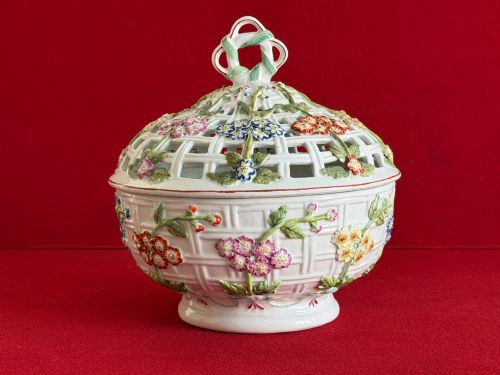
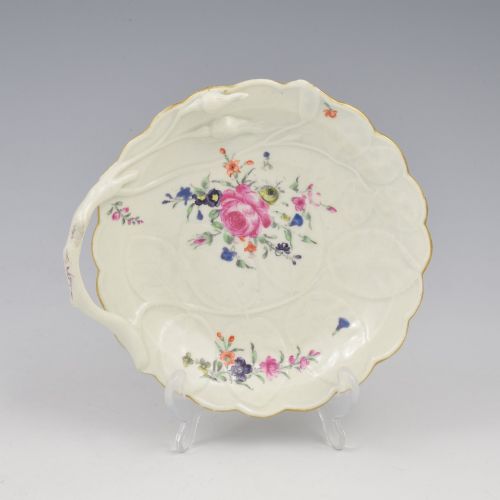
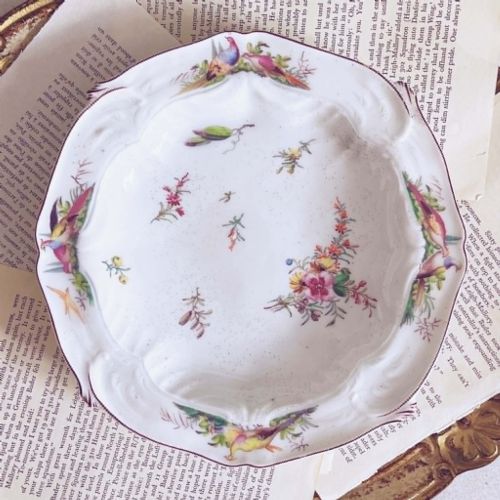
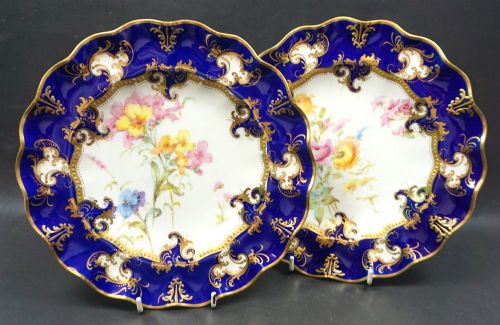
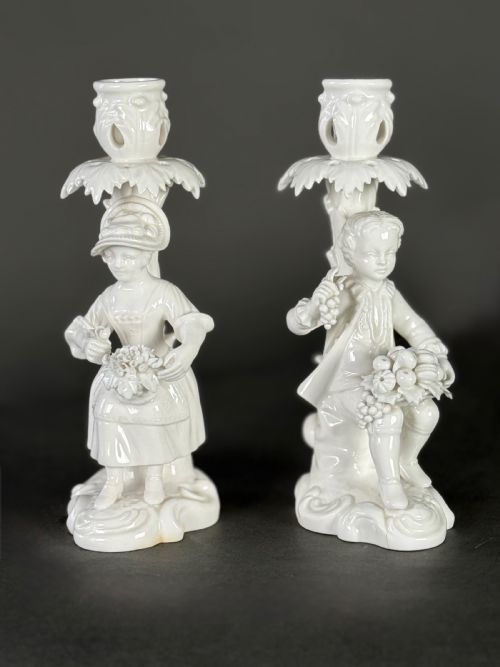
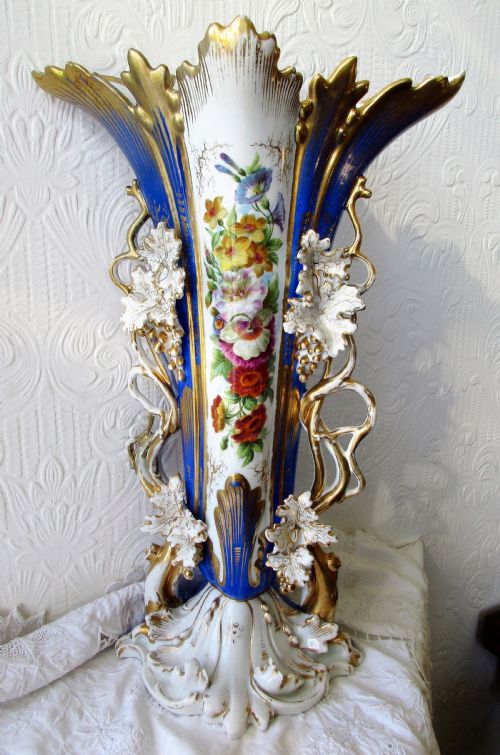
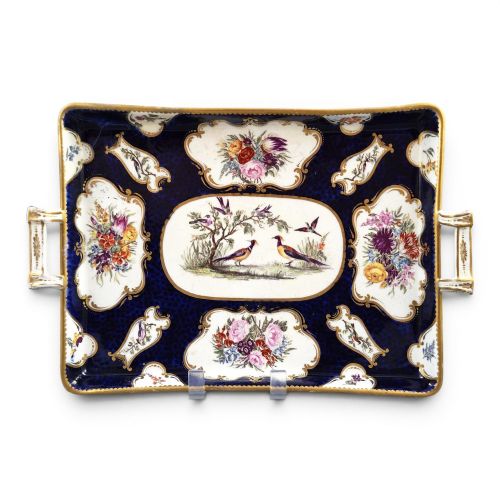
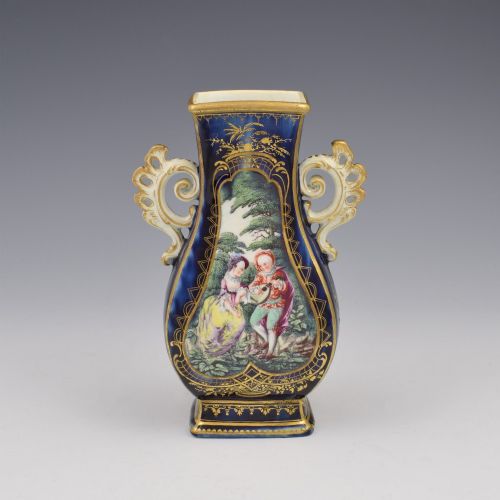
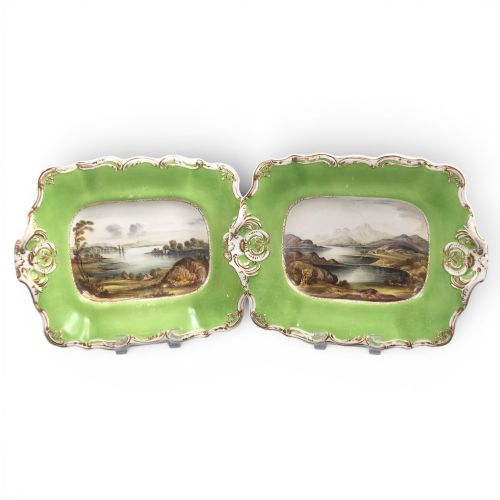
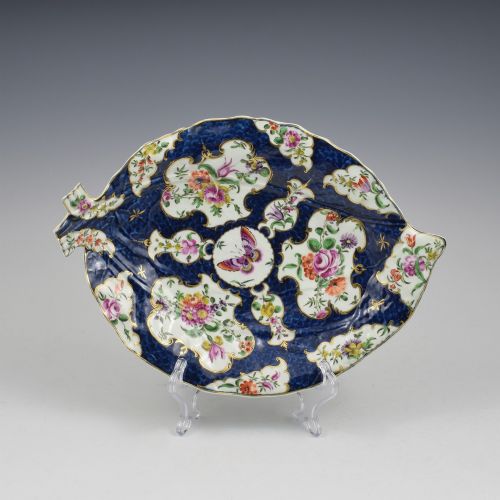
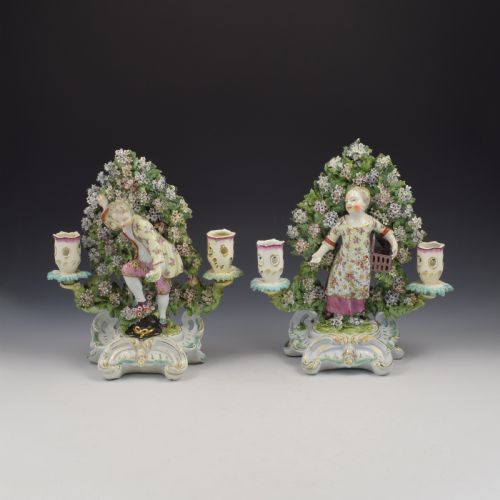
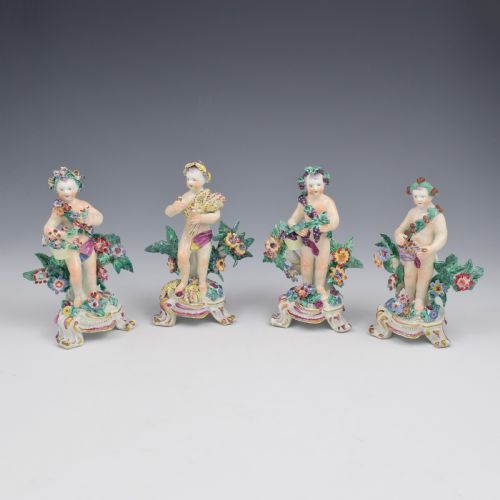
The objects seen here range from soft-paste porcelain sweetmeat dishes and chestnut baskets to allegorical figures and candlesticks framed by ornate bocage work.
Early examples originate from factories such as Derby, Bow, and Worcester, while later nineteenth-century pieces reflect Victorian revivals of these fluid, organic forms.
How they were made
Makers utilised soft-paste porcelain and bone china bodies moulded or thrown into complex, asymmetrical shapes typical of the rococo style.
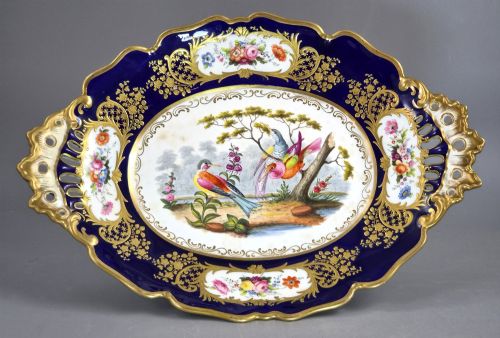
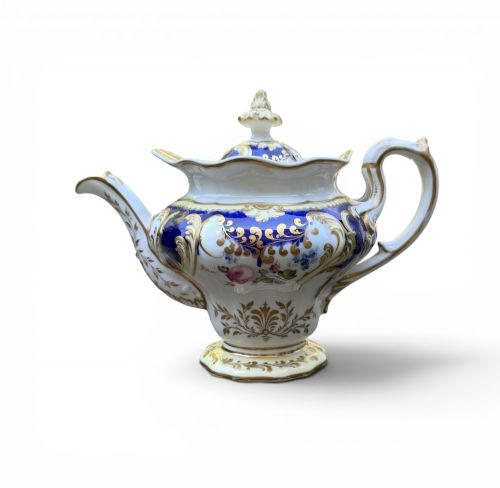
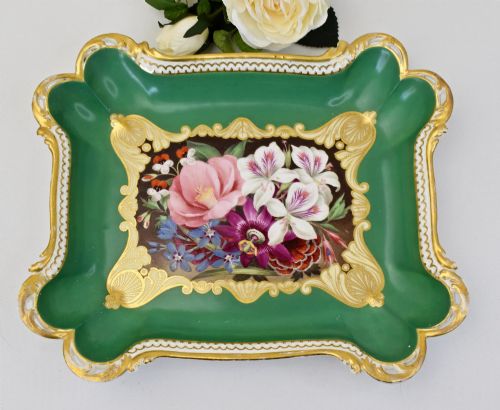
Artisans applied handpainted polychrome enamels, cobalt blue underglazes, and rich gilding, often accentuating moulded scrollwork and naturalistic motifs.
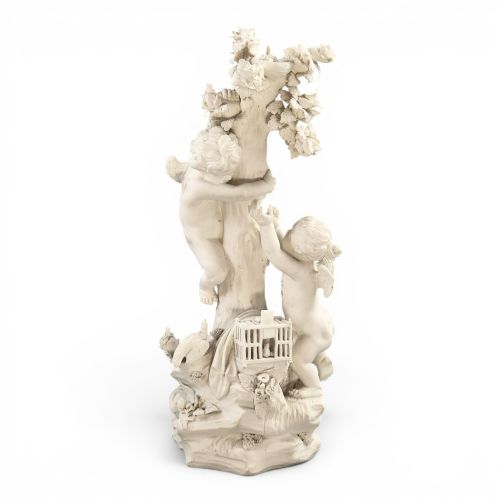
Figurines and candlesticks incorporated detailed background foliage known as bocage, requiring careful kiln firing of delicate clay appendages.
A porcelain milkman and a seated bagpiper with his dog demonstrate that eighteenth-century households welcomed rural life indoors.
What varies in quality
Painted decoration ranges from routine factory output to masterwork panels attributed to specific porcelain painters, showing exceptional control in palette and brushwork.
The preservation of fragile elements like bocage leaves and gilded surfaces dictates the standing of individual surviving specimens.
Derby·Bow·Coalport·Copeland and Garrett·Samuel Alcock·Mintons·John Ridgway·H and R Daniel
The English Rococo Porcelain Glossary
- Bocage
- An arbour or background of applied leaves and flowers made from porcelain, commonly found behind figures and candlesticks. This leafy screen adds significant fragility and visual depth to eighteenth-century groups.
- Soft-paste porcelain
- A glassy ceramic composition fired at lower temperatures than hard paste, producing a warm, creamy body ideal for early enamel adhesion. It is characteristic of many eighteenth-century English manufactories.
- Sweetmeat dish
- A small vessel designed for serving confectionery, nuts, or sweet preserves during formal dining. These pieces often feature moulded shell or leaf motifs suited to rococo curves.
- Putto
- A representation of a plump, naked child, frequently depicted as a winged cupid or allegorical figure in seasonal sets. Sculptors used these motifs to embody abstract concepts like the four seasons.
- Gilding
- The application of gold leaf or gold paint to highlight rims, handles, and scrollwork. On finer pieces, this gold was often burnished to a high metallic lustre.
English Rococo Porcelain: Frequently Asked Questions
What is the difference between soft-paste and bone china?
Soft-paste porcelain is an artificial mixture of clays and glassy frits used extensively in early English factories for its warm translucency. Bone china incorporates calcined bone ash, creating a whiter, stronger body that became standard later.
Both materials carry the characteristic glaze pooling and minor kiln imperfections typical of early production methods.
Are these figures functional or decorative?
Most figures and candlesticks were created purely for display on mantelpieces, brackets, and dining tables during dessert courses. Candlesticks offered ambient lighting while remaining sculptural ornaments in their own right.
Dishes, baskets, and teapots combined practical utility with ornamental rococo design for wealthy households.
How can I tell an eighteenth-century piece from a later revival?
Eighteenth-century examples often display the weight, glaze characteristics, and potting irregularities of early soft-paste porcelain bodies. Factory marks, where present, help anchor the production era.
Later Victorian revivals usually feature harder ceramic bodies, brighter standardised enamel palettes, and manufacturing techniques suited to the nineteenth century.