


19th Century China Service
A 19th century china service brings the colour and craftsmanship of Regency, Georgian and Victorian dining rooms directly to the modern table.
19th Century China Service
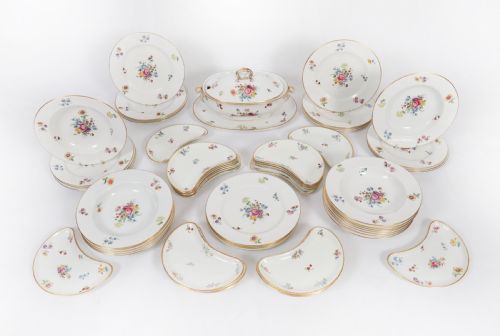
When you search for a 19th century china service, you encounter coordinated sets designed for formal dining, morning tea, or dessert courses. The selection ranges from large dinner services and extensive dessert sets down to intimate coffee sets, breakfast services, and children's toy dinner services.
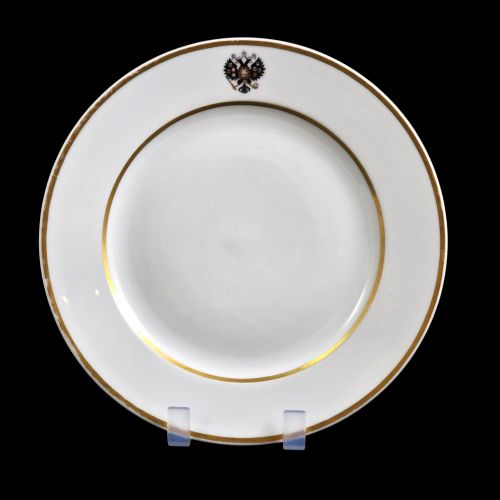
The pieces appearing here date across the entire century, stretching from Georgian and Regency eras through the Victorian period. You find complete table settings with comports and serving dishes alongside smaller cabinet plates, teapots, sauceboats, and custard sets.
Makers and potteries from English and European workshops dominate the offerings, spanning notable names like Minton, Spode, Wedgwood, and Worcester. Many survive as part services, offering useful groupings of plates or teaware rather than their original full complements.
Materials and methods
Potters of this era shaped their wares from fine porcelain, bone china, earthenware, and robust ironstone ceramic. These ceramic bodies were then finished with smooth glazes providing a durable, glossy foundation for subsequent decoration.
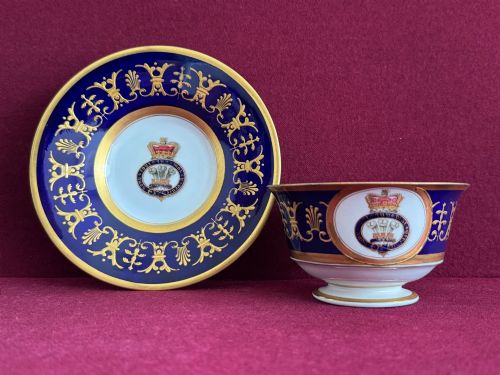
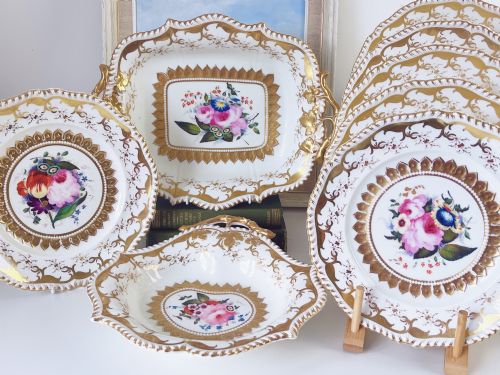
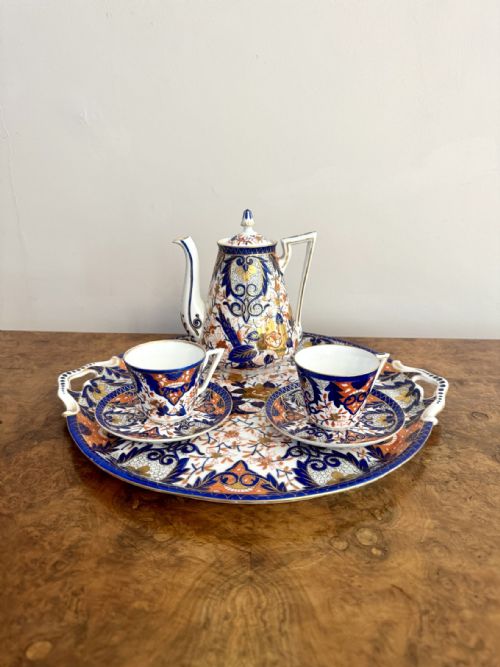
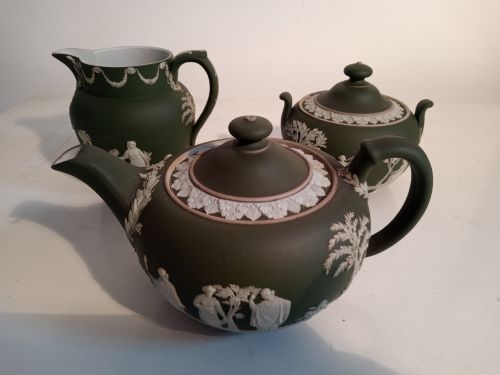
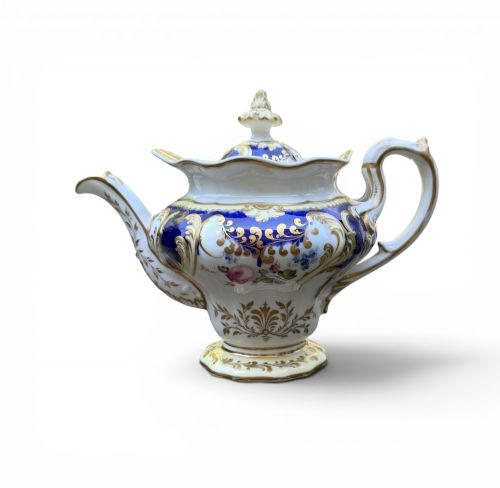
Decoration relied heavily on handpainted floral motifs, scenic landscapes, and rich ground colours such as apple green, olive green, and pink. Artisans applied lavish touches of gold leaf, gilt detailing, and enamels, often combining these with moulded rococo scrolls and neoclassical reliefs.
Listings feature porcelain, bone china, earthenware, and ironstone decorated with gold leaf, enamel, and handpainted florals.
Distinguishing quality
Quality rests upon the crispness of the porcelain moulding and the skill evident in the handpainted details. Superior pieces display finely rendered botanical or landscape subjects executed by named artists, whereas standard production relies on simpler printed or stencil outlines.
The application of gold leaf and enamel also separates finer services from everyday wares. Richly gilt borders, raised jewelled enamel effects, and well-preserved colour grounds demonstrate the higher tier of nineteenth-century ceramic output.
Imperial Porcelain Factory·Grainger Lee And Co·Royal Crown Derby·Wedgwood·Copeland And Spode·Rockingham Pottery·Minton Porcelain·Flight Barr And Barr·Royal Davenport·Derby Porcelain·Mason S Patent Ironstone
The 19th Century China Service Glossary
- Bone china
- A type of soft-paste porcelain incorporating bone ash for strength and translucency. It allowed nineteenth-century factories to produce thinner, more refined tableware.
- Comport
- A raised pedestal dish used for serving fruit or sweets as part of a formal dessert service. These pieces usually sat at the centre of the table arrangement.
- Ironstone
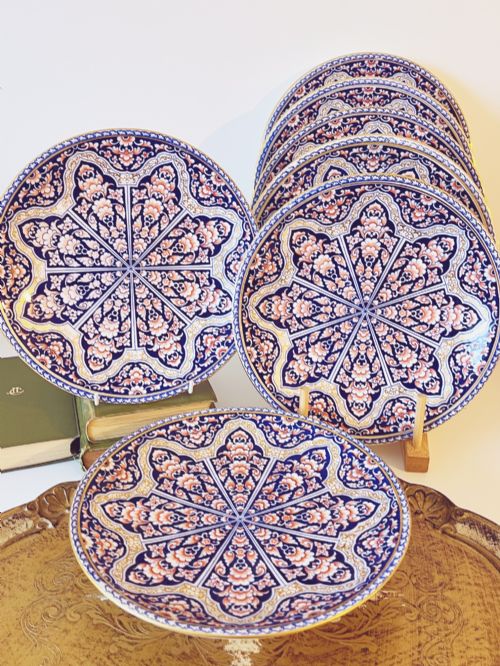
- A heavy, durable earthenware patent developed in Staffordshire as a tough alternative to porcelain. It resists chipping while accepting colourful underglaze prints.
- Flow blue
- A cobalt blue printing technique where the colour intentionally bled slightly into the surrounding glaze during firing. This created a soft, hazy appearance popular on mid-century tableware.
- Gilt
- A thin layer of gold applied to the rims, handles, or surfaces of ceramic pieces. It adds a decorative metallic finish that catches the candlelight.
19th Century China Service: Frequently Asked Questions
What is a china service?
A china service is a matching collection of ceramic tableware designed for a specific meal or course, such as dinner, dessert, tea, or breakfast.
These sets typically include plates, serving dishes, teapots, and cups created in a unified style.
How were these services used?
Families utilised these sets during formal dining occasions, afternoon gatherings, and social visits to serve food and drinks to guests.
Larger services catered to full multi-course meals, while smaller sets served specific functions like morning tea or individual breakfast portions.
Can I use antique china daily?
Many people prefer to display these delicate pieces or reserve them for special occasions rather than everyday dining.
Handwashing is essential to preserve the handpainted enamels and delicate gold leaf decorations over time.
How do I date nineteenth-century china?
Dating relies on maker marks, backstamps, registration numbers, and stylistic clues such as Regency shapes or Victorian floral motifs.
Comparing the ceramic body type and decorative palette helps narrow down the period of manufacture.