


Georgian Dessert Plates
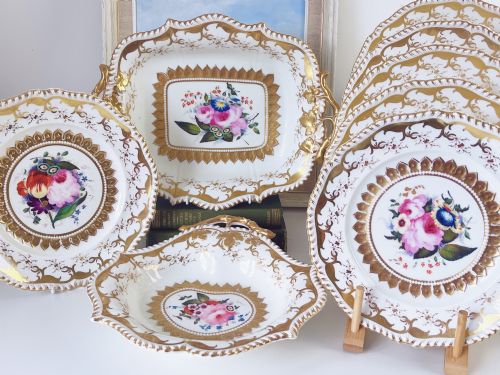
Georgian dessert plates bring colourful botanical paintings and armorial crests to the table, offering a glimpse into elite dining rooms.
Georgian Dessert Plates
When you search for georgian dessert plates, you encounter specialised earthenware and porcelain pieces designed for the final course of a formal meal. These items arrive as individual plates or larger matching services intended for fruit, sweets, and puddings.
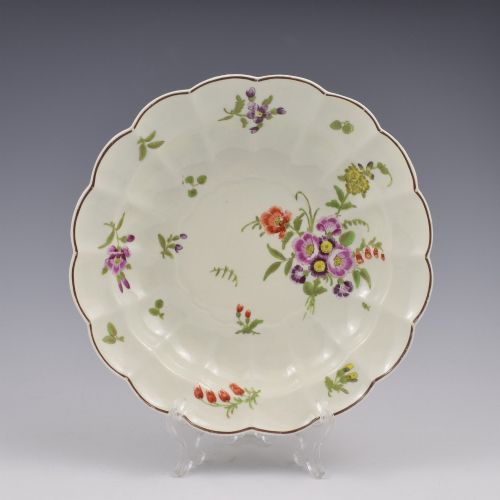
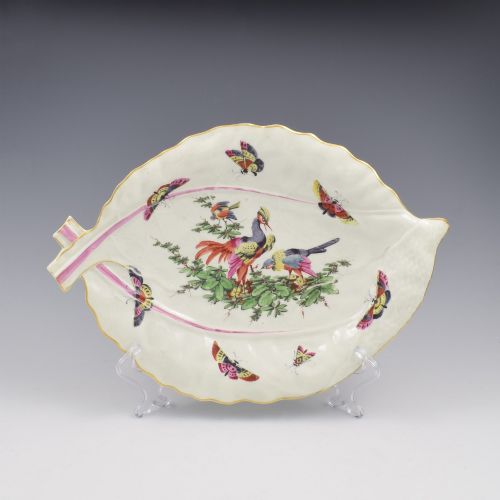
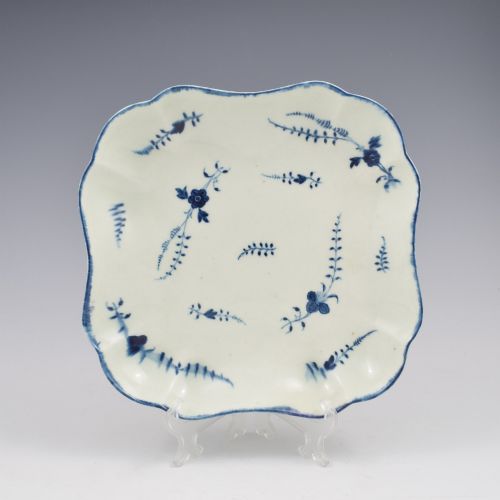
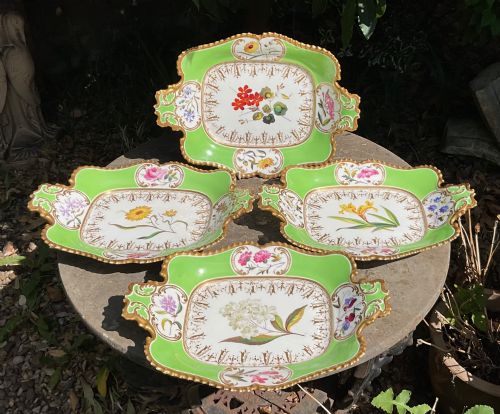
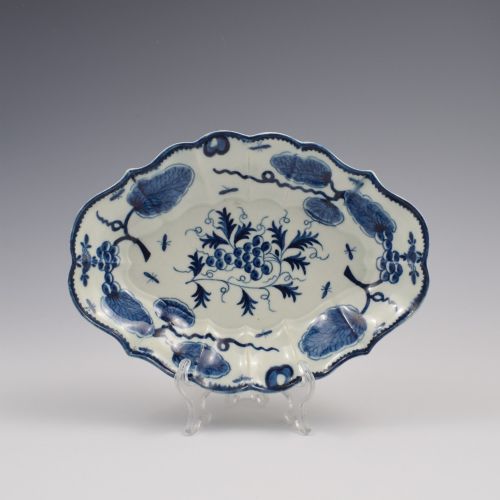
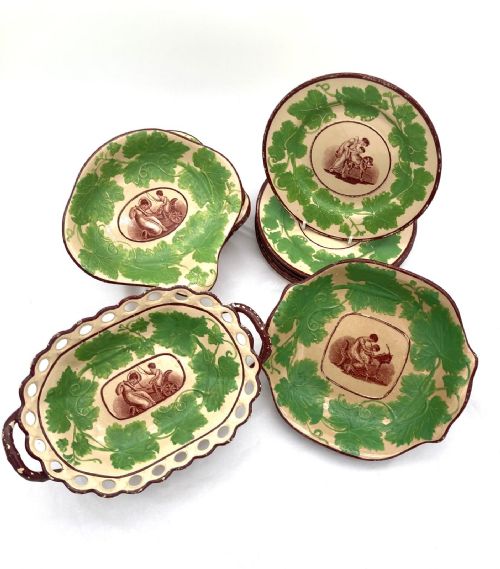
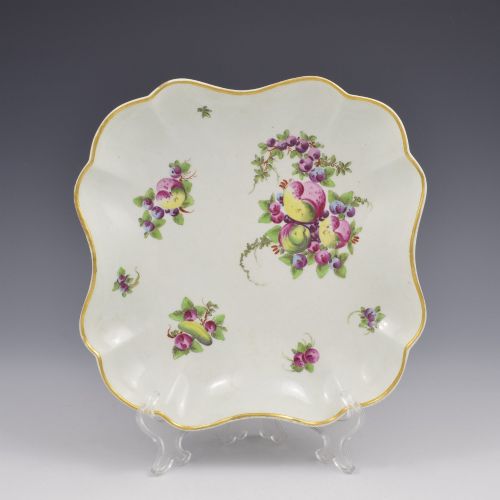
The selections span the eighteenth and nineteenth centuries, taking in Regency designs alongside earlier pieces. Forms include lobed plates, square dishes, shell shapes, and leaf dishes.
Factories such as Worcester, Derby, and Wedgwood dominate the offerings, spanning soft-paste porcelain, creamware, and ironstone.
Materials and production methods
Potters shaped soft-paste porcelain, earthenware, and creamware into specialised moulds for lobed and leaf-edged serving dishes. Glazes sealed the surfaces before artisans applied detailed overglaze enamels.
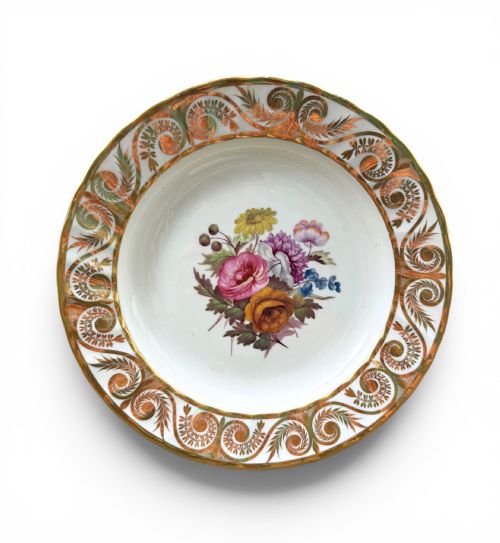
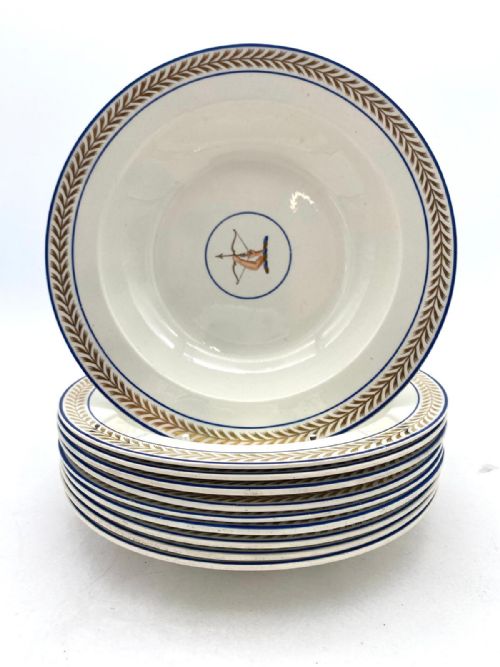
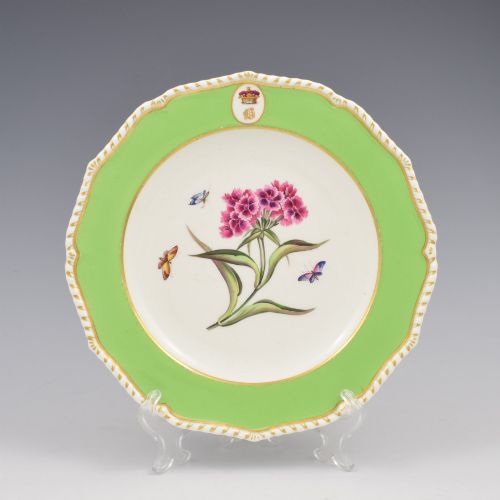
Decoration relied heavily on handpainted botanical studies, topographical views, and armorial crests, often highlighted with gold leaf. Transfer printing also emerged on later services to apply repeating patterns.
Some plates feature meticulously painted botanical errors where the artist confused a garden weed for a prized hothouse specimen.
Distinguishing quality in the range
Excellence rests on the precision of the handpainted details, particularly botanical subjects and armorial crests executed by known artists. Standard production pieces rely on simpler printed motifs or repeat patterns.
The complexity of the moulding shapes, such as lobed rims, intricate handles, and moulded leaf or shell contours, separates standard plates from high-status service pieces.
Grainger Lee And Co·Dr Wall Worcester·Chamberlains Worcester·Bloor Derby·Wedgwood·Spode·Minton·Coalport·Flight Barr And Barr·Masons Patent Ironstone
The Georgian Dessert Plates Glossary
- Armorial
- Bearing a heraldic crest or coat of arms commissioned by a notable family. These designs sit centrally on the well of the plate.
- Creamware
- A refined earthenware developed in Staffordshire with a pale yellow or cream-coloured lead glaze. Wedgwood produced notable examples of this body.
- Soft-paste porcelain
- An artificial porcelain mixture fired at lower temperatures than hard paste, creating a warm, slightly translucent body common in eighteenth-century factories.
- Ironstone
- A durable, heavy earthenware patented by Mason, designed to resist chipping during regular dining use while taking rich enamel colours.
- Enamel
- Opaque coloured glass fused to the ceramic surface during a secondary low-temperature kiln firing. This technique allowed vibrant botanical palettes.
Georgian Dessert Plates: Frequently Asked Questions
How were georgian dessert plates used?
These dishes held fruit, sweetmeats, ice plates, or jellies served at the conclusion of a formal dinner party.
Guests selected delicacies from the passed serving dishes onto individual plates as the tablecloth was removed.
Can I use them for dining?
Most collectors avoid daily dining use due to the delicate nature of soft-paste porcelain and historic enamel paints.
Displaying them on plate racks or within cabinets preserves the surface glazes from modern cutlery scratching.
How do I identify the factory?
Makers often applied painted script marks, impressed letters, or factory crests to the unglazed underside of the foot rim.
Style clues, such as specific Worcester patterns or Derby botanical painting styles, also point to the origin.
What is the difference between creamware and porcelain?
Creamware is a refined, cream-coloured earthenware that is opaque and slightly heavier in the hand.
Porcelain offers a whiter, more resonant, and translucent body designed for finer formal services.