


White China Serving Platters
White china serving platters are large ceramic dishes for the table, bringing period character and practical scale to modern dining.
White China Serving Platters
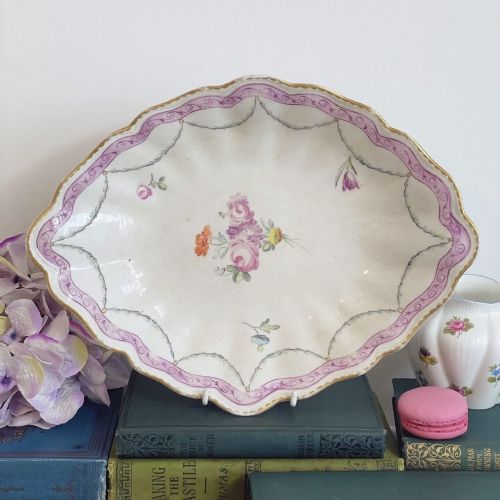
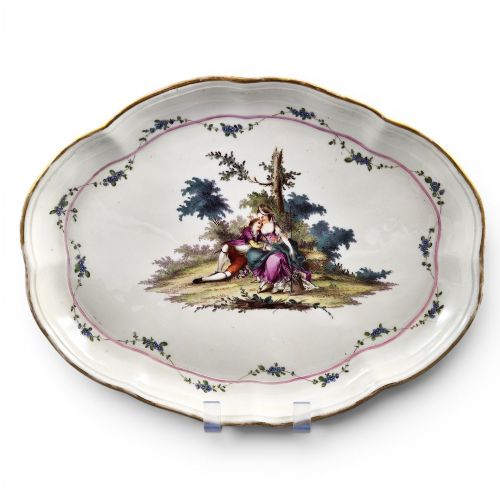
White china serving platters span centuries of production, appearing primarily as earthenware, porcelain, and ironstone vessels designed for heavy domestic use. Buyers selecting white china serving platters will encounter forms ranging from simple eighteenth-century oval dishes to large nineteenth-century meat platters with integrated reservoirs and drainers.
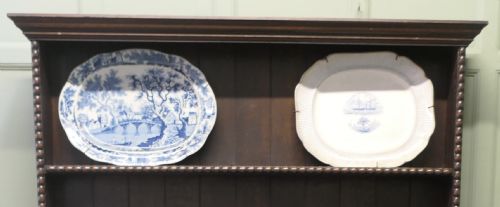
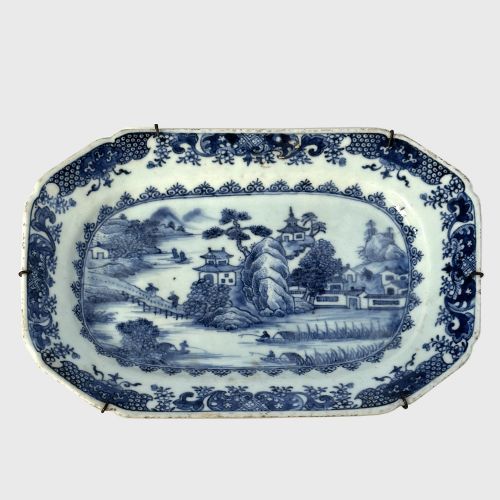
The aesthetic vocabulary stretches from traditional European floral motifs and Chinese Export designs to transfer-printed architectural scenes like the Tower pattern or Glasgow cathedral views. Many examples reflect Georgian and Victorian dining customs, where substantial platters formed the centrepiece of formal service.
Distinctions in Execution
Quality rests in the crispness of the transfer print, the delicacy of the potting, and the stability of the glaze across large surfaces. Superior examples maintain a clean white ground and precise handpainted details without blurring or kiln distortion.
The weight and density of the ceramic body also signal execution, with ironstone offering robust utility while fine porcelain showcases translucency and refined potting.
Several nineteenth-century platters feature built-in wells to catch meat juices, saving dining room carpets from enthusiastic carving.
Derby·Minton·Spode·Mason's Ironstone·Bow Porcelain
The White China Serving Platters Glossary
- Ironstone
- A dense, durable type of earthenware patented in the nineteenth century to rival true porcelain. It withstands heavy use while accepting crisp blue and white decoration.
- Transfer print
- A decorative technique where an engraved copper plate transfers a design onto tissue paper, which is then pressed onto the ceramic body before glazing. This method allowed consistent reproduction of complex pictorial scenes.
- Charger
- A large decorative plate or platter used traditionally for ceremonial service or as an under-dish. These items often measure significantly larger than standard dining plates.
- Pearlware
- An earthenware body developed in the late eighteenth century featuring a subtle bluish glaze that pooled in recesses, creating a whiter appearance than creamware.
- Polychrome
- Decoration employing multiple distinct colours, typically applied by hand over or under the glaze. This contrasts with monochrome blue printing.
White China Serving Platters: Frequently Asked Questions
How were white china serving platters used?
These large dishes served roasted meats, fish, and vegetables at the centre of communal dining tables. Many included wells and drainers to collect juices during carving.
Larger chargers and platters also functioned as decorative display pieces on sideboards when not in active use during meals.
How do I care for antique platters?
Wash antique ceramics gently by hand in warm water using mild soap, avoiding modern dishwashers that can craze the glaze or damage delicate handpainted enamels and gold leaf.
Store large platters vertically in secure plate racks or interleave them with soft felt to protect the rims from chipping.
How can I tell the period of a platter?
Examine the ceramic body, weight, and underside markings to determine the era of manufacture. Ironstone and heavy pearlware typically point to the nineteenth century, while lighter soft-paste porcelain often suggests the eighteenth century.
Transfer printed subjects and registry marks offer further clues, as architectural and landscape themes evolved across the Georgian and Victorian periods.
Can I use these antique platters for food?
Most nineteenth-century ironstone and porcelain platters remain robust enough for serving dry foods or roasted joints. Inspect each piece for stability and ensure old glazes are sound before direct contact with acidic foods.
Fine eighteenth-century porcelain pieces are better reserved for light display or gentle presentation due to their age and delicate glaze.