
Gilt Floral Ceramic Dishes
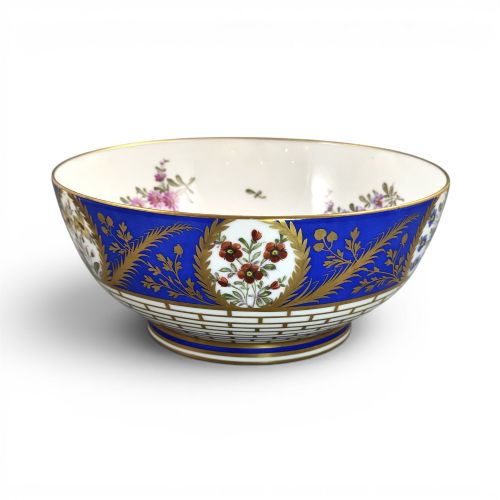
Gilt floral ceramic dishes bring together hand-painted botanical details and rich metallic borders across centuries of European and Japanese workshops.
Gilt Floral Ceramic Dishes
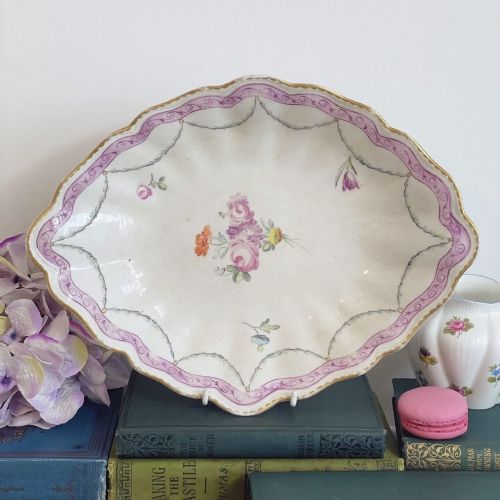
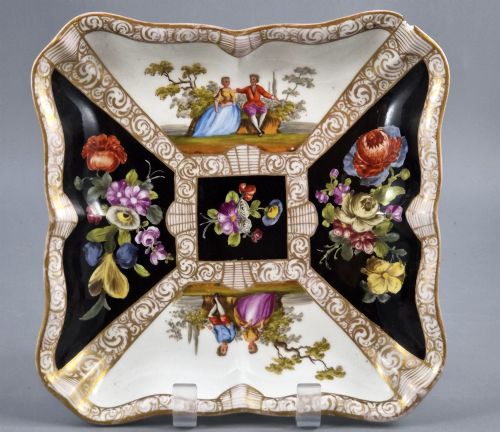
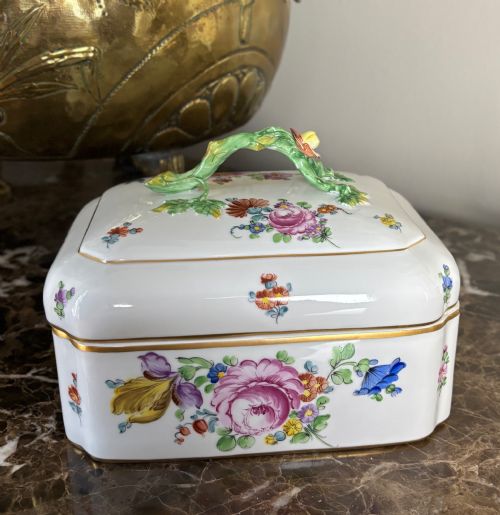
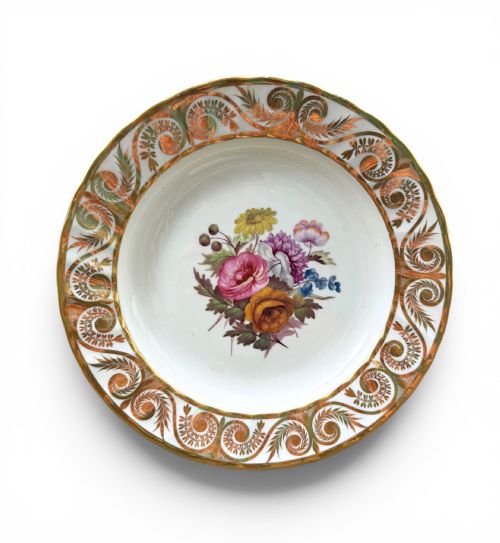
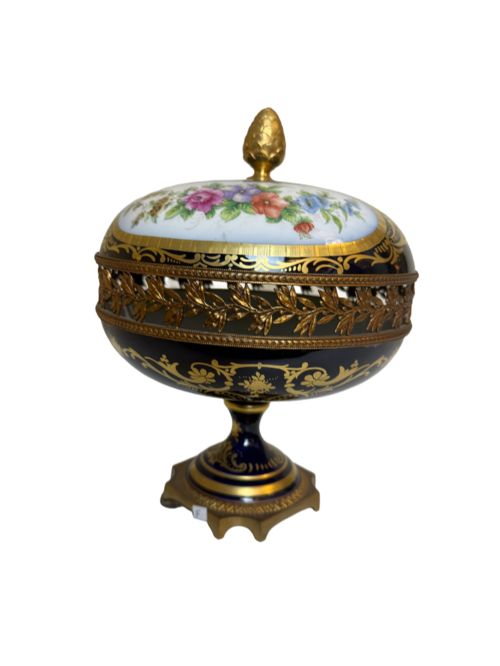
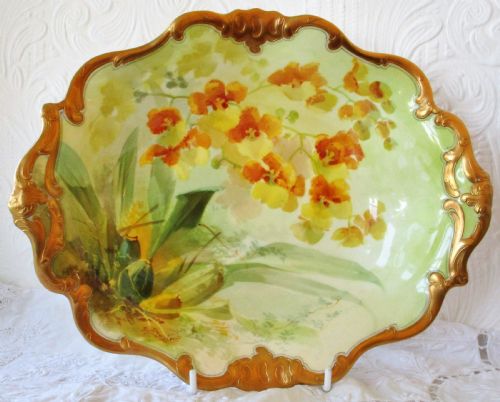
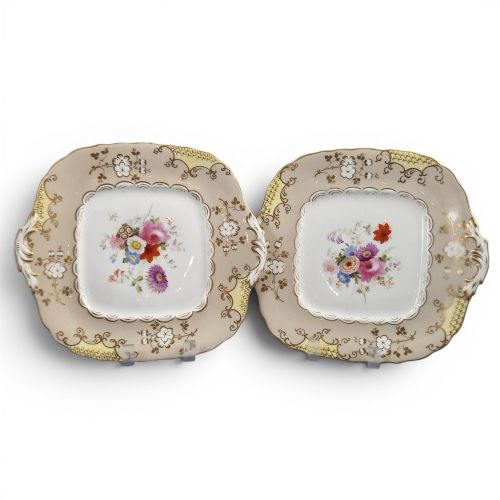
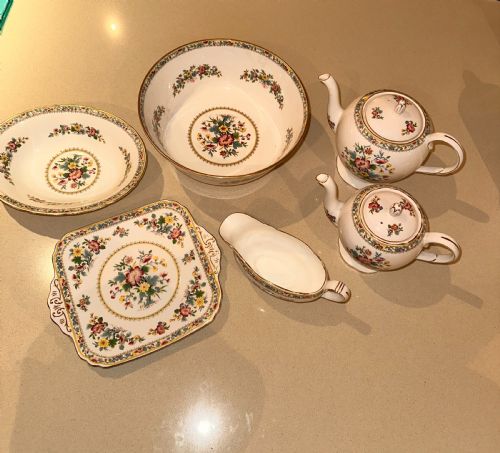
When you search for gilt floral ceramic dishes, you encounter everything from eighteenth-century soft-paste serving vessels to early twentieth-century cabinet plates. The selection spans domestic porcelain, earthenware and ironstone, taking the shape of decorative bowls, trays, dessert dishes and lidded tureens.
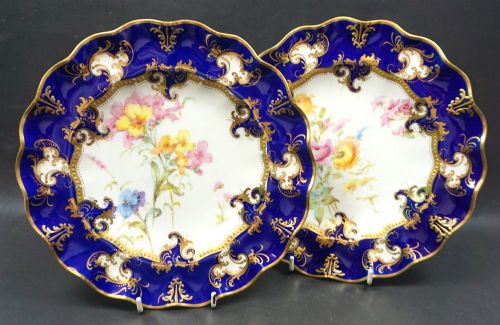
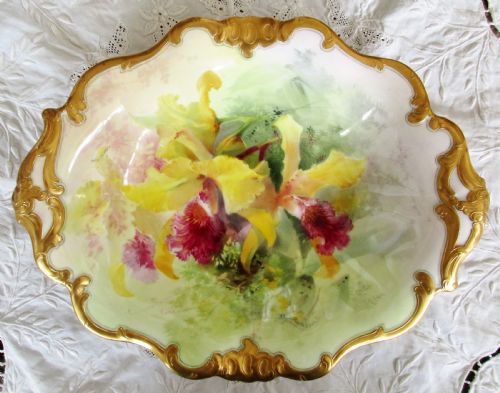
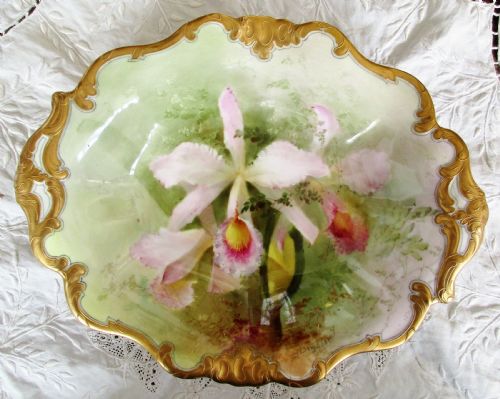
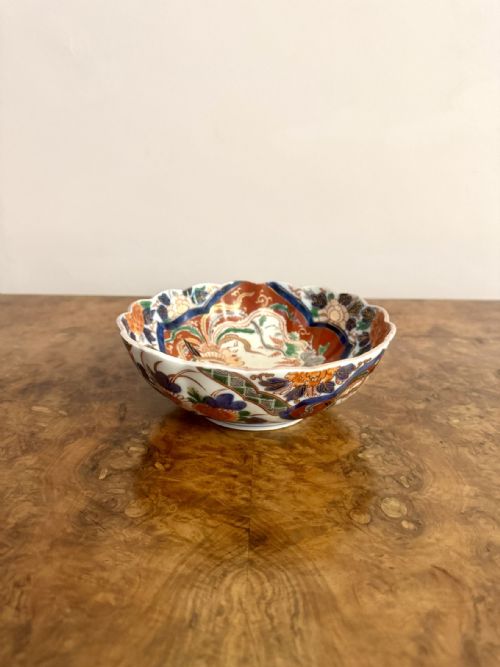
English and continental European factories dominate the offerings, alongside notable Japanese Imari and Satsuma pieces. You will find forms ranging from rococo revival centrepieces to simple cabinet plates painted with naturalistic orchids and garden bouquets.
Materials and technique
The pieces rely on hard-paste and soft-paste porcelain, earthenware and ironstone, providing a durable white ground for detailed overglaze painting. Artisans applied polychrome enamels by hand to render botanical subjects, often incorporating raised enamel work or applied ceramic roses.
Gilding was applied using gold leaf, liquid gold or traditional gilding mixtures, fired to bond the metallic edge to the ceramic body. Many items combine this bright gilt finish with cobalt blue underglaze decoration or transfer-printed foundations.
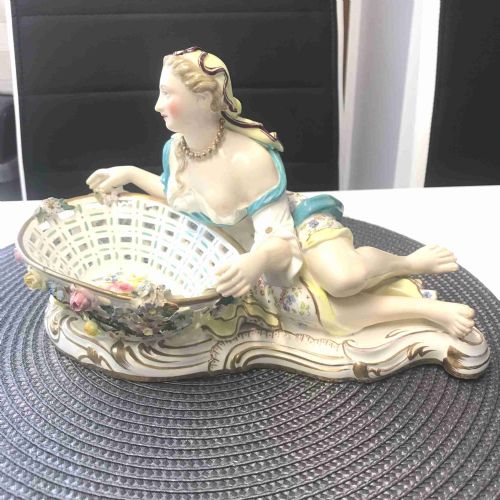
Several porcelain centrepieces include tiny ceramic cherubs and applied roses clinging permanently to the edges.
Evaluating quality
Quality rests on the crispness of the hand-painted brushwork and the precision of the gilding. Pieces with finely detailed botanical studies, such as named orchids or individualised floral sprays by known artists, stand apart from simpler factory output.
The weight and translucency of the ceramic body also define the standard, alongside the survival of the original gilding without excessive rubbing. Superior examples maintain sharp relief moulding and clear factory marks from periods like the eighteenth century or the Victorian era.
Meissen Porcelain·Royal Crown Derby·Royal Doulton·John Davenport·Royal Worcester·Minton
The Gilt Floral Ceramic Dishes Glossary
- Cabinet plate
- A decorative ceramic plate intended for display rather than dining use. These often feature elaborate hand-painted scenes and gilt borders.
- Ironstone
- A dense, durable type of earthenware patented in the nineteenth century. It provided a sturdy alternative to porcelain for heavy-use domestic services.
- Imari
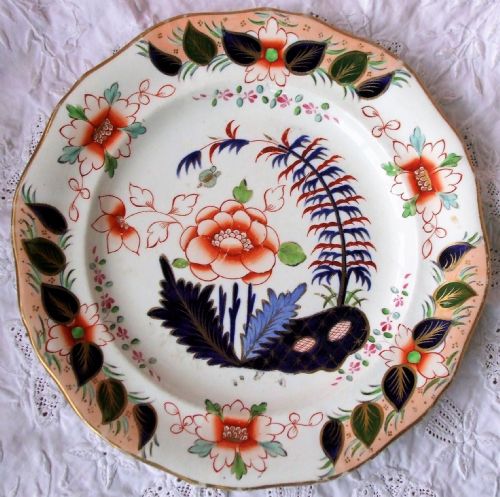
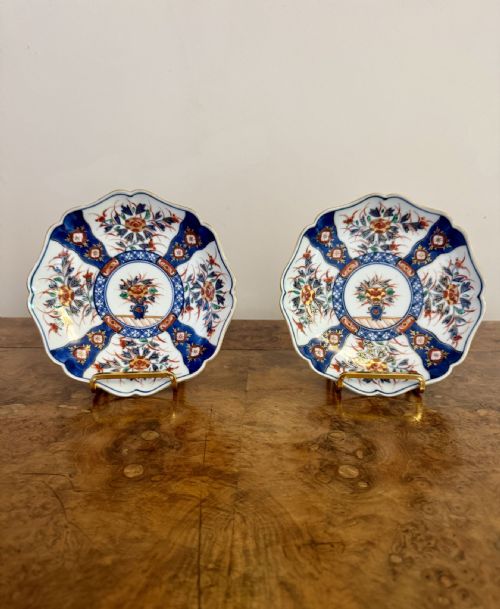
- A style of Japanese ceramic decoration featuring a palette of cobalt blue, iron red and gilt highlights. European factories frequently copied these distinct patterns.
- Polychrome
- Decorated in multiple colours. In these dishes, it describes the varied enamel pigments used to paint naturalistic flowers.
- Soft-paste porcelain
- An early ceramic composition fired at lower temperatures than hard-paste porcelain. It possesses a warm glaze and a slightly softer body.
Gilt Floral Ceramic Dishes: Frequently Asked Questions
How were these dishes used?
Most of these items served functional roles in dining rooms and drawing rooms, holding fruit, sugar, sauces or sweetmeats during formal meals. Serving dishes and tureens carried food to the table, while cabinet plates and decorative trays were meant primarily for display.
Over time, many utilitarian vessels transitioned entirely to ornamental pieces as dining customs changed. Their survival reflects both daily use and careful preservation in cabinets and sideboards.
How do I date a piece?
Dating relies heavily on factory marks, backstamps and pattern numbers stamped or painted on the underside of the ceramic. Stylistic clues, such as the heavy gilding of the Victorian era or the characteristic palette of eighteenth-century factories, also help narrow the timeframe.
Comparing the body material, whether ironstone, soft-paste or hard-paste porcelain, provides further evidence. Reference books on British and European pottery marks remain essential for precise attribution.
What is Imari style?
Imari refers to decorative patterns originating in Japan and widely imitated by European potteries. The traditional scheme employs deep underglaze blue, iron red and generous gilt accents.
Dishes decorated in this manner often feature busy floral or panelled motifs. Both antique Japanese originals and European copies appear in these listings.