
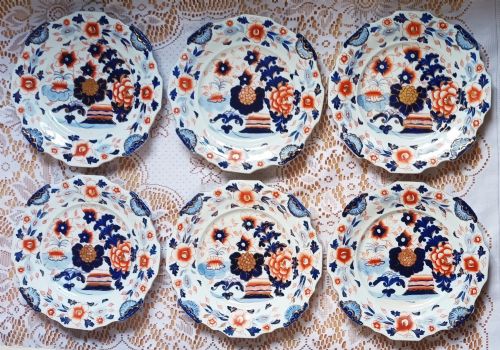


Antique Ironstone Porcelain
Antique ironstone porcelain brings sturdy nineteenth-century utility together with vibrant hand-painted Chinoiserie and Imari patterns designed for display on dining tables and mantlepieces.
Antique Ironstone Porcelain
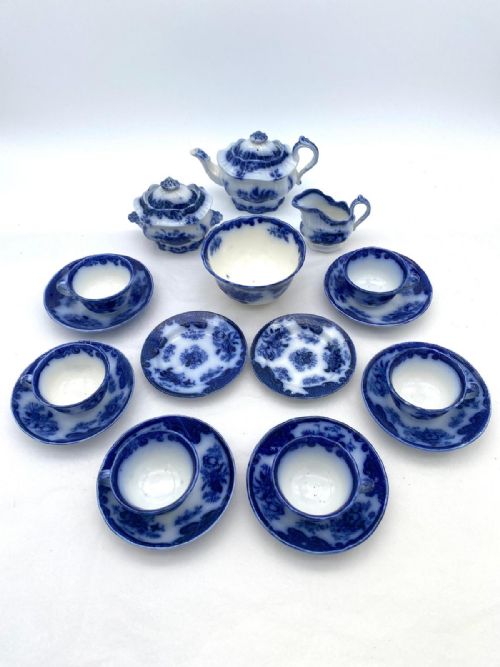
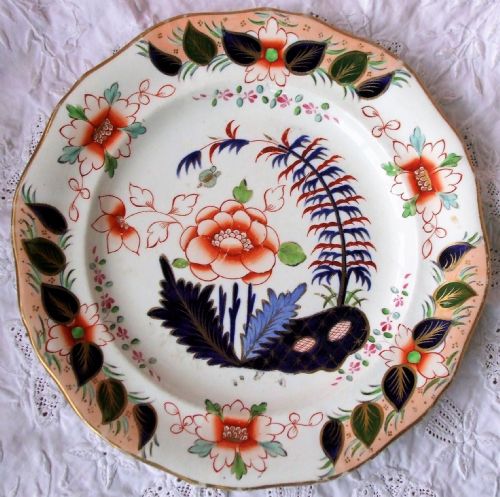
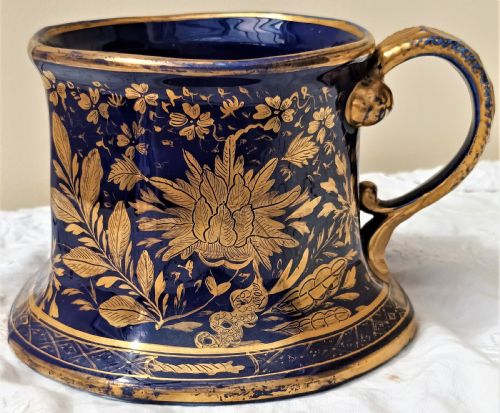
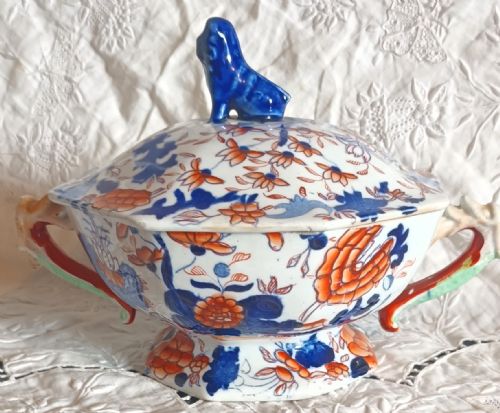
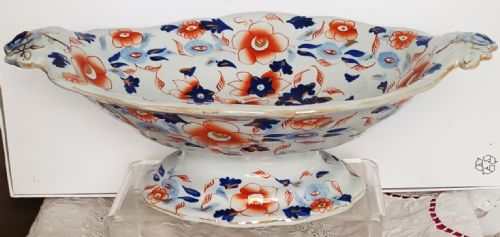
Antique ironstone porcelain pieces span functional serving vessels and decorative display items produced primarily during the nineteenth century across Georgian, Regency, and Victorian periods. Buyers encounter dinner services, tureens, plates, comports, and large vases decorated with rich cobalt blue and polychrome enamels.
How they were made
Makers combined heavy earthenware bodies with durable glaze formulations to create a dense ceramic hybrid that resisted chipping better than standard porcelain. Artisans applied cobalt blue transfer printing alongside hand-painted enamel colours and gold leaf highlights before a secondary kiln firing.
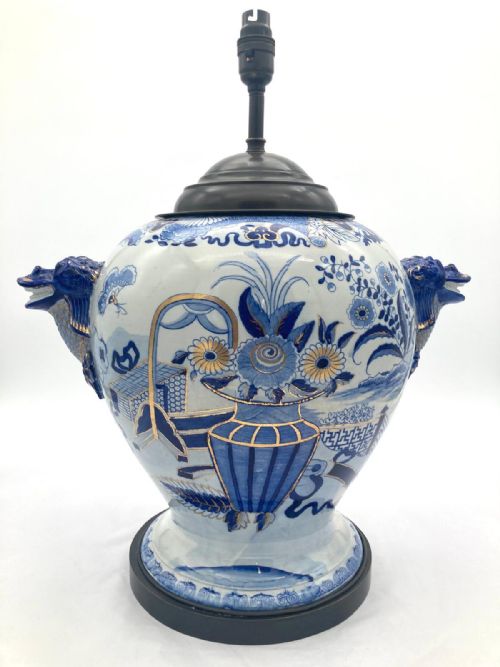
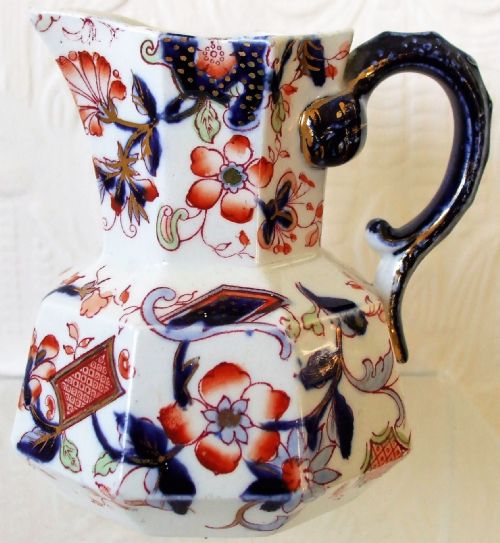
Moulded decorative elements such as grotesque handles, raised fluting, and panelled octagonal shapes required precise plaster moulds. Potters utilised specialised patent ironstone bodies to support large structural forms like garden seats, umbrella stands, and monumental hall vases without slumping during firing.
Materials recorded across current items include ironstone, enamel, gold leaf, ceramic, glaze, and gilt.
What varies in quality
Quality rests in the crispness of the moulded relief and the alignment of hand-applied enamels over transfer-printed outlines. Pieces featuring complex polychrome palettes, rich gilding, and unusual forms command greater attention than standard utilitarian tableware.
The sophistication of the pattern execution separates standard production ware from exhibition-grade pieces. Early nineteenth-century examples often demonstrate superior depth in the cobalt blue grounds and greater attention to fine detail in exotic bird and floral motifs.
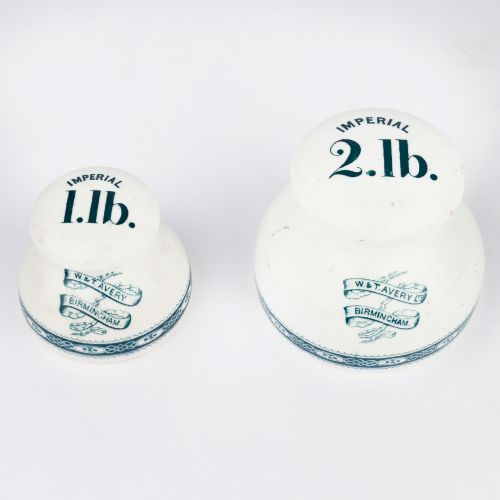
W & T Avery·Masons Ironstone·Copeland·Hicks and Meigh·Keeling & Co.·John Davenport of Longport
The Antique Ironstone Porcelain Glossary
- Ironstone
- A patented ceramic body invented in the early nineteenth century to provide a durable, heavy alternative to oriental porcelain. It absorbs less moisture and withstands heavy daily use.
- Imari
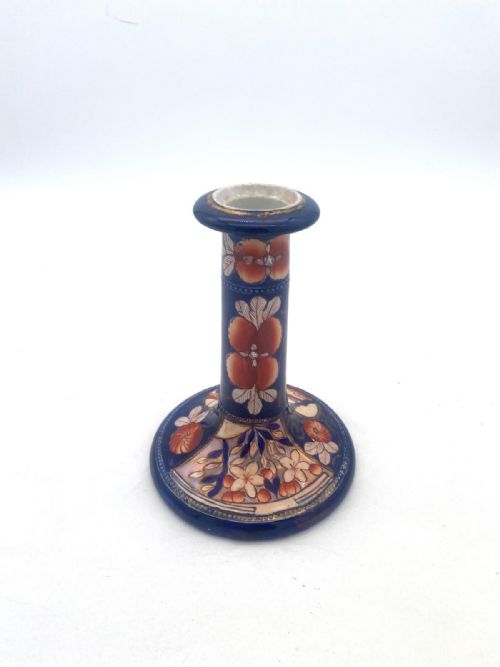
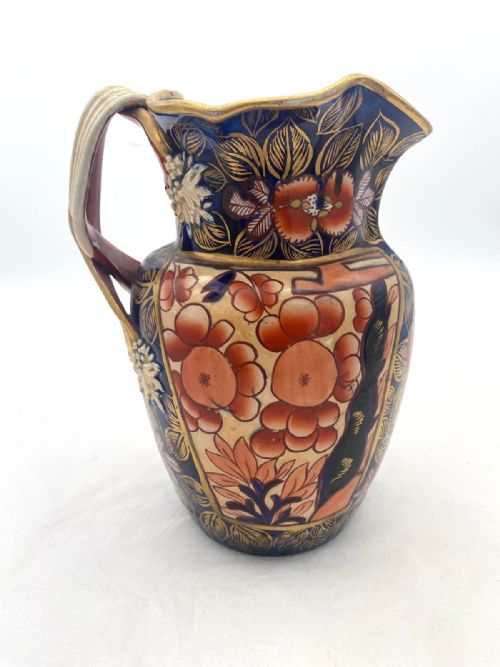
- A decorative palette inspired by Japanese export wares featuring deep underglaze blue combined with iron red and gilt highlights. It appears frequently on nineteenth-century table services.
- Comport
- A raised footed dish or bowl used for serving fruit or sweetmeats as part of a formal dessert course. These often form part of large matched dinner and dessert services.
- Clobbered
- A term describing older blue and white transfer-printed ceramics that received subsequent layers of brightly coloured enamel and gilding, often applied later in the nineteenth century.
- Mazarine
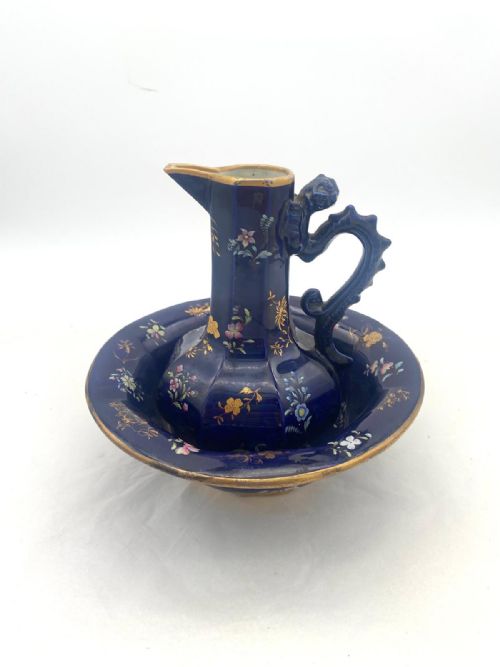
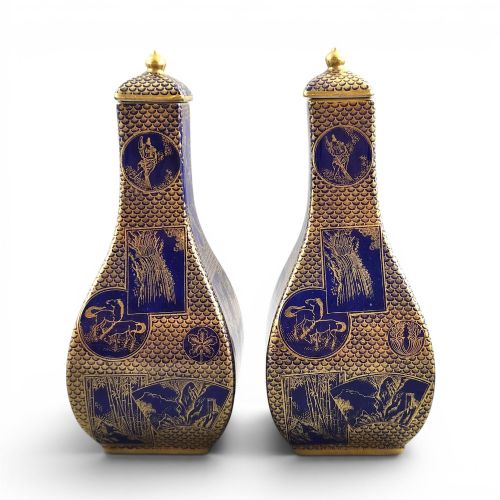
- A deep, rich shade of dark blue used as a solid background colour on nineteenth-century vases and cabinet plates. It provides a striking contrast against gilt and polychrome decoration.
Antique Ironstone Porcelain: Frequently Asked Questions
What is antique ironstone porcelain?
Antique ironstone porcelain is a durable ceramic developed in nineteenth-century England to mimic expensive Chinese porcelain while offering superior strength for daily dining. It bridges the gap between earthenware and porcelain through a dense, heavy body.
Peculiar to the period, these wares utilised specialised clay recipes patented by potters to withstand heavy kitchen use while carrying elaborate hand-painted and transfer-printed decorations.
How do I clean ironstone?
Cleaning antique ironstone requires gentle hand washing in warm water with mild detergent rather than machine washing. Harsh abrasives and modern dishwashers can damage fragile overglaze gilding and hand-painted enamels.
Careful drying with a soft cloth prevents moisture accumulation in any existing hairline crazing within the glaze surface over time.
How are different periods identified?
Periods are identified through a combination of maker marks, pattern styles, and ceramic body weights typical of Georgian, Regency, or Victorian production. Early nineteenth-century pieces often display richer cobalt grounds and heavier potting.
Later Victorian examples tend toward standardised transfer printing techniques and lighter bodies, reflecting industrial manufacturing shifts in Staffordshire potteries.
Can ironstone be used daily?
Many sturdy ironstone plates and serving dishes remain robust enough for careful contemporary table use. Heavy tureens and platters handle warm food well provided thermal shock is avoided.
Decorative items, comports with delicate handles, and heavily gilded cabinet pieces are better suited for display rather than active service.