


Georgian Ceramic Centrepiece
A georgian ceramic centrepiece serves as the grand focal point of a formal dining table, combining decorative elegance with practical service.
Georgian Ceramic Centrepiece
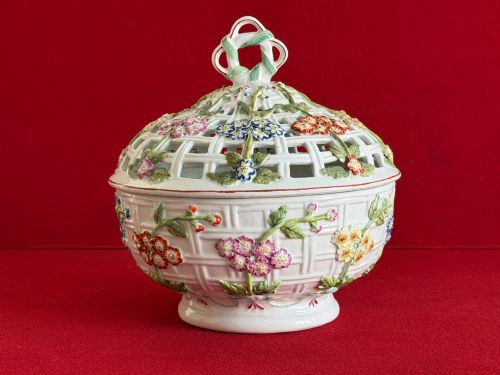
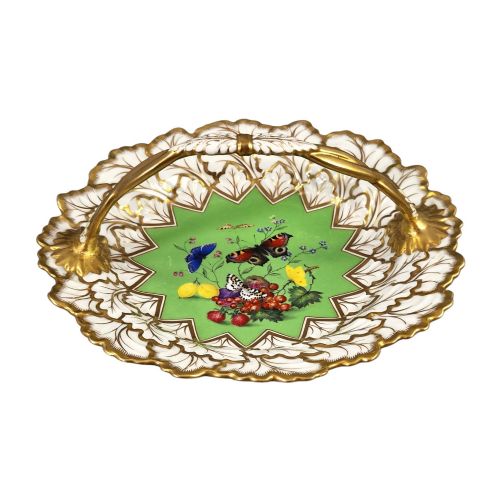
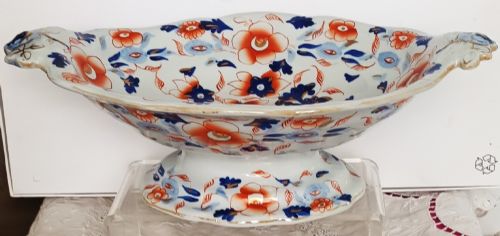
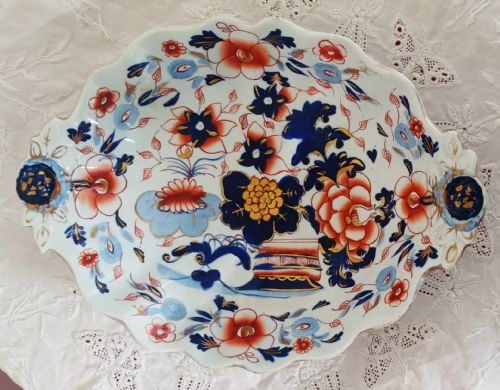
A georgian ceramic centrepiece encompasses a variety of large serving vessels designed to hold fruit, sweets, or dishes during formal meals. The selection available here includes pedestal bowls, comports, baskets, tureens, and intricate shell stands.
Most pieces date from the eighteenth and nineteenth centuries, spanning the Georgian and Regency periods. Makers working in soft-paste porcelain, ironstone, and earthenware shaped these forms to dominate the centre of the dining table.
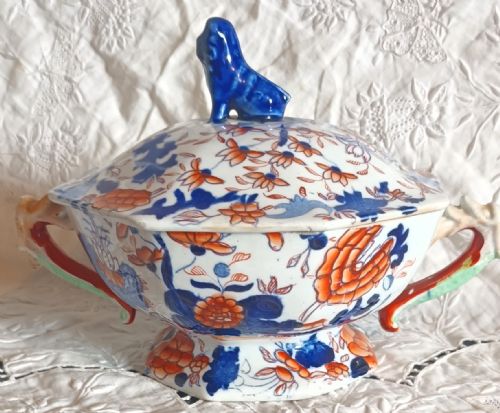
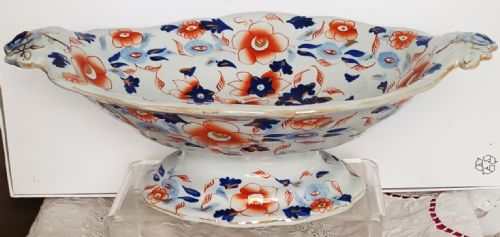
Buyers will encounter specialised items such as chestnut baskets with covers, footed comports in Japan patterns, and large covered bowls decorated with Chinoiserie motifs. These objects reflect the sophisticated dining habits of the era through their scale and ornamentation.
How they were made
Potters utilised materials such as soft-paste porcelain, ironstone, earthenware, and pearlware to form these large centrepieces. Workers often applied glazes and enamel colours over transfer-printed blue and white designs or hand-painted landscapes.
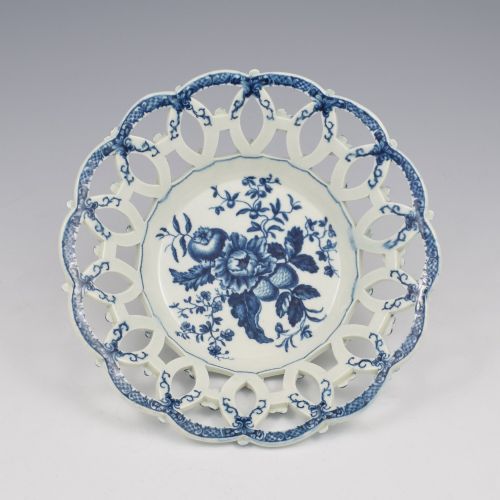
Gilt accents and moulded details enhanced the surfaces of porcelain baskets, dessert dishes, and tureens. Artisans combined throwing, moulding, and piercing techniques to create openwork galleries and pedestal feet on comports and stands.
Object types span comports, tureens, decorative baskets, and pedestal bowls with painted or transfer-printed decoration.
What varies in quality
The sophistication of the painted or transfer-printed decoration dictates the distinction between standard and exceptional pieces. Elaborate Chinoiserie patterns, titled landscapes, and hand-applied enamel work elevate the status of a vessel.
Complexity of form and the presence of specialised elements such as pierced galleries, fitted covers, or matched stands separate standard utility items from high-status display pieces. The crispness of moulded details on porcelain and ironstone further distinguishes superior examples.
Derby Porcelain·Flight, Barr & Barr Worcester·Mason's Patent Ironstone·Minton Porcelain·Ridgway Porcelain·Davenport·Coalport Porcelain
The Georgian Ceramic Centrepiece Glossary
- Comport
- A raised dish or bowl used for serving fruit or dessert on a formal table. These pieces often feature a pedestal base and appear frequently in low or footed formats.
- Ironstone
- A heavy, durable type of earthenware patented in the nineteenth century to imitate porcelain. It provides a sturdy body for heavily decorated tureens and serving dishes.
- Tureen
- A deep covered bowl designed for serving soups, vegetables, or sauces. These vessels often include matching stands and decorative handles.
- Soft-paste porcelain
- A ceramic composition made from a mixture of clays and glassy materials rather than true china clay. It was widely used by eighteenth-century English factories for intricate baskets and bowls.
- Pearlware
- An refined earthenware developed in the late eighteenth century featuring a subtle bluish glaze that pooled in recesses. It formed the body for many transfer-printed blue and white service items.
Georgian Ceramic Centrepiece: Frequently Asked Questions
What was a georgian ceramic centrepiece used for?
These vessels held fruit, sweetmeats, or prepared dishes in the middle of a formal dining table. They provided both functional service and visual theatre during multi-course meals.
Hostesses used pedestal bowls, comports, and tureens to display wealth and taste to assembled guests.
How do I date a georgian ceramic centrepiece?
Dating relies on examining the ceramic body, glaze characteristics, and decorative style alongside factory marks. Soft-paste porcelain and specific transfer-printing styles point towards the eighteenth century.
Ironstone bodies and bolder polychrome patterns typically indicate early nineteenth-century production during the Regency period.
How should I display a centrepiece today?
These large vessels sit well on dining tables, sideboards, or open shelving where their scale and colour can be appreciated. Footed comports and pedestal bowls function effectively as standalone decorative objects.
Displaying them away from direct heat sources helps preserve vulnerable enamels and gilt highlights.
What is the difference between a comport and a tureen?
A comport is an open pedestal dish designed for presenting fruit or dry sweetmeats. Its open form emphasises decorative rims and painted surfaces.
A tureen is a covered vessel meant for containing foods that required containment and heat retention during a meal.