



Regency Ironstone China Dish
These regency ironstone china dish pieces offer robust utility and striking patternwork for any table.
Regency Ironstone China Dish
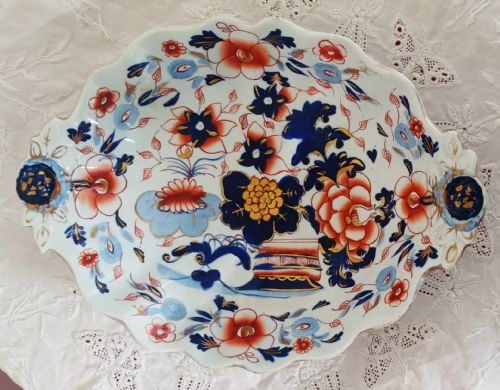
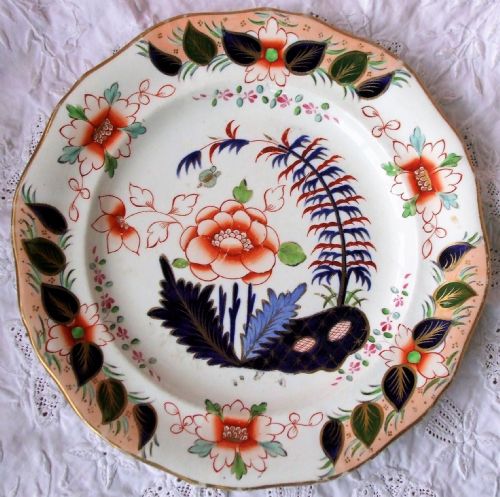
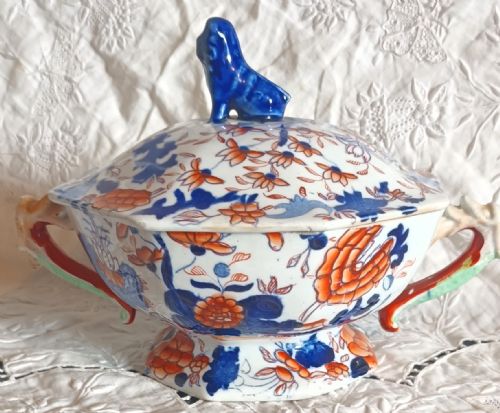
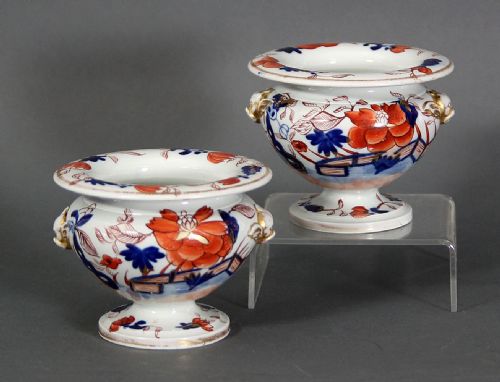
When you search for a regency ironstone china dish, you encounter durable ceramic tableware originating from the nineteenth century and the Georgian period. These pieces encompass serving dishes, decorative plates, tureens, comports, bowls, platters, and salts.
The selections available here predominantly showcase English Chinoiserie, Regency Imari, and specific named motifs like Japan pattern, Tonquin China, Green Mandarin, Bamboo, Japan Basket, Indian Grasshopper, and Italianate Landscape.
Materials and construction
These items utilise ironstone ceramic, earthenware, and ironstone china body compositions designed for strength during daily service. Potters applied glaze to seal the heavy ceramic surfaces.
Decoration relied on enamel pigment application and gold leaf detailing to bring complex Chinoiserie and Imari motifs to life across plates, platters, and tureens.
The listings feature ironstone china and earthenware from the nineteenth century and the Georgian period, created by makers including John Davenport of Longport and Mason's.
Distinctions in quality
Quality differs primarily in the crispness and complexity of the enamel patternwork, alongside the precision of gilding with gold leaf. Superior examples display intricate hand-painted details in patterns such as Green Mandarin or Indian Grasshopper.
The status of the maker and the scale of the object also dictate standing, with large country house platters and marked pieces by established potteries representing the higher tiers of production.
John Davenport of Longport·Mason's
The Regency Ironstone China Dish Glossary
- Ironstone china
- A dense, heavy ceramic developed in the nineteenth century to provide a durable alternative to porcelain. It forms the sturdy body of these dishes and tureens.
- Comport
- A raised vessel or dish used for serving fruit or sweets on a dining table. Low comports appear frequently in these nineteenth-century ceramic listings.
- Imari
- A decorative style inspired by Japanese export wares, featuring rich cobalt blue and iron red complemented by gold leaf. Regency Imari adaptations typify several plates in this group.
- Chinoiserie
- European artistic interpretations of Chinese and East Asian motifs. English Chinoiserie patterns decorate many of these ironstone serving platters and tureens.
Regency Ironstone China Dish: Frequently Asked Questions
What is ironstone china?
Ironstone china is a heavy, durable ceramic material developed in the nineteenth century to withstand regular dining use while mimicking porcelain.
Potters favoured it for large serving platters, tureens, and heavy-duty tableware due to its resilience.
How do I identify a Regency period dish?
Regency ironstone dishes typically feature characteristic patterns such as Chinoiserie, Imari, or specific botanical and landscape motifs from the early nineteenth century.
Many pieces also carry specific nineteenth-century or Georgian factory marks on the underside.
Can I use these dishes for serving food?
These ceramic pieces were originally made for dining service, including meat platters, vegetable tureens, and dessert services.
Care should be taken with antique enamel and gold leaf details during washing to preserve the surface.
What patterns are common on these pieces?
Common patterns include Japan, Imari, Tonquin China, Green Mandarin, Bamboo, Indian Grasshopper, and Italianate Landscape.
These designs reflect the nineteenth-century preference for vibrant enamel colours and East Asian artistic influences.