
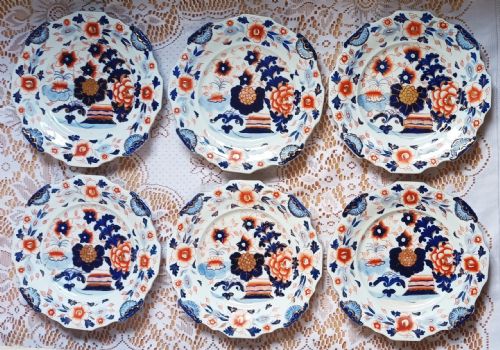
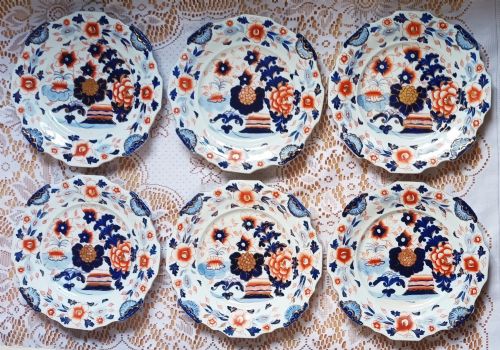


Georgian Imari Plate
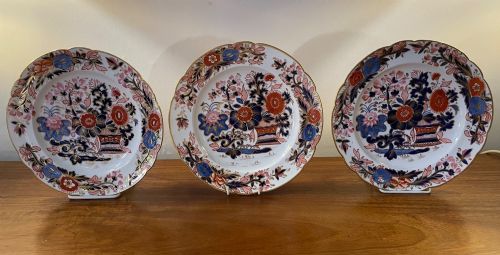
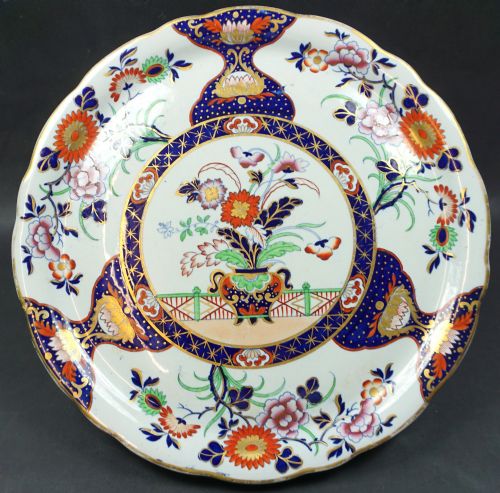
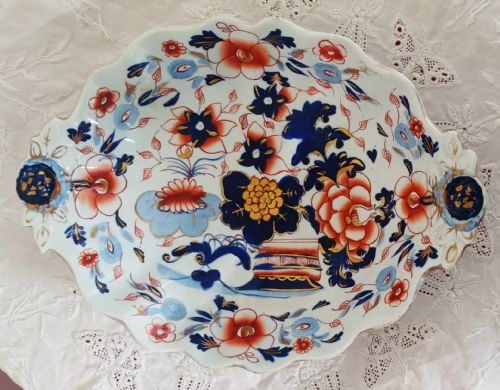
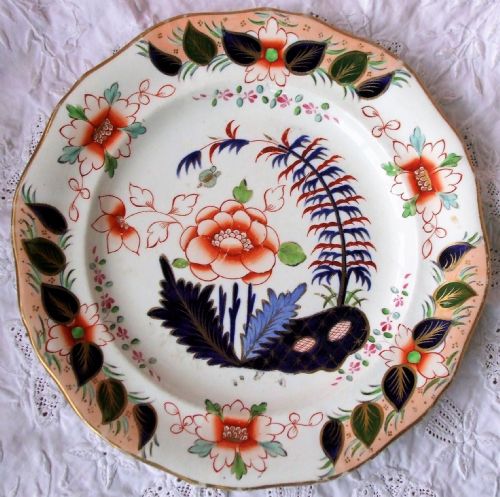
A georgian imari plate brings rich ironstone and porcelain colour to the table through deep cobalt blues and contrasting red enamel.
Georgian Imari Plate
A georgian imari plate brings together bold ceramic decoration from the eighteenth and nineteenth centuries, spanning porcelain and ironstone bodies. Buyers search for these pieces to acquire traditional earthenware and porcelain plates decorated in the classic Japanese-inspired palette.
Most examples found on this page date from the georgian period through to the regency era, utilising styles like regency chinoiserie and japanese imari. Forms range from standard dessert and cabinet plates to large serving platters, comports, and specialised dishes.
The evidence shows output from major english factories and potteries, appearing singly or in matched sets of various sizes. These serving and dining pieces reflect the period fascination with eastern decorative motifs adapted for western dining rooms.
Quality differences in the range
The standard of painting distinguishes standard production from finer cabinet pieces, particularly in the precision of the hand coloured details. Crisp brushwork on complex dragon, kylin, or floral patterns indicates skilled factory output from established makers.
The richness and stability of the gilt work and enamel colours also separate fine examples from simpler wares, showing how well the metallic leaf and pigments bonded during firing. Preservation of the original glaze surface without extensive rubbing reveals careful handling over two centuries.
Hicks & Meigh·John Davenport of Longport·Worcester Flight Barr & Barr·Chamberlain Worcester·Minton·Masons Patent Ironstone China·Coalport Porcelain
The Georgian Imari Plate Glossary
- Imari palette
- A decorative colour scheme utilising underglaze blue, iron-red, and gilt highlights inspired by Japanese export ceramics. English factories adopted this palette extensively during the georgian period.
- Ironstone
- A dense, heavy ceramic body patented in the nineteenth century for its durability and resistance to chipping. It served as a robust alternative to porcelain for heavy service dishes.
- Comport
- A raised dish or bowl used for serving fruit or dessert on the dining table. These elevated pieces sat centrally among flat plates.
- Kylin pattern
- A traditional oriental design featuring mythical guardian creatures incorporated into the central well of plates and dishes. English porcelain works often copied these motifs from imported wares.
- Underglaze
- Pigment applied to the ceramic body before the application of a transparent glaze and subsequent kiln firing. This technique protects the blue colour beneath the glass surface.
Georgian Imari Plate: Frequently Asked Questions
How are these plates dated?
Makers' marks stamped or painted on the reverse often identify specific factories active during the georgian and regency eras.
Stylistic shifts in the ironstone bodies and the hand painted imari palette also help narrow the production period.
Can I use these plates for dining?
Ironstone service plates and platters possess a robust fabric originally intended for regular food presentation.
Fine porcelain cabinet pieces are better suited for display rather than heavy modern dining use.
What does the Japan pattern mean?
English potteries used the term Japan to describe patterns inspired by imported Japanese export ceramics featuring cobalt blue and red enamel.
These designs frequently incorporated floral, bird, or mythical creature motifs adapted to western shapes.
How do I care for antique porcelain?
Hand washing in warm water with mild soap protects the fragile enamel and gold leaf highlights from household detergents.
Avoiding abrasive scrubbers preserves the glaze surface and prevents wear to the painted decoration.