




Brown Stoneware Vase
A brown stoneware vase brings rich, earthy tone and textured weight to a room.
What these pieces are
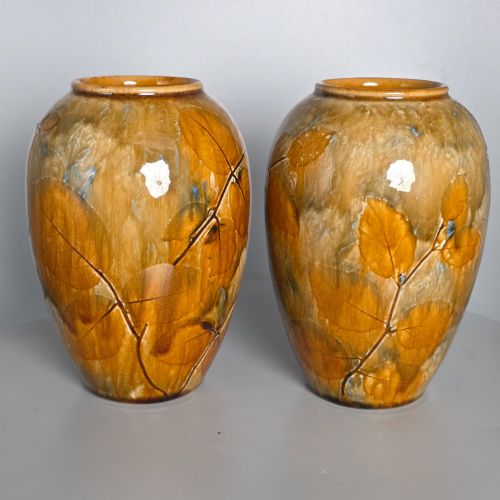
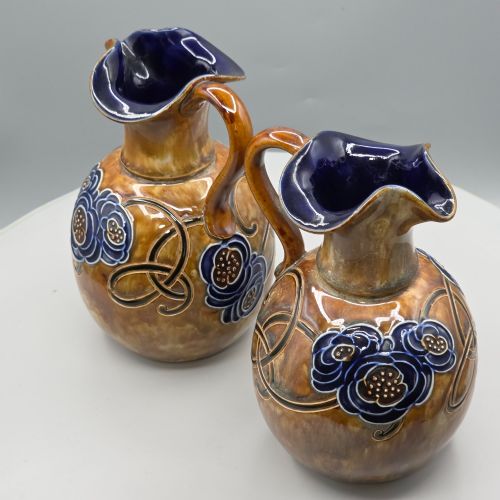
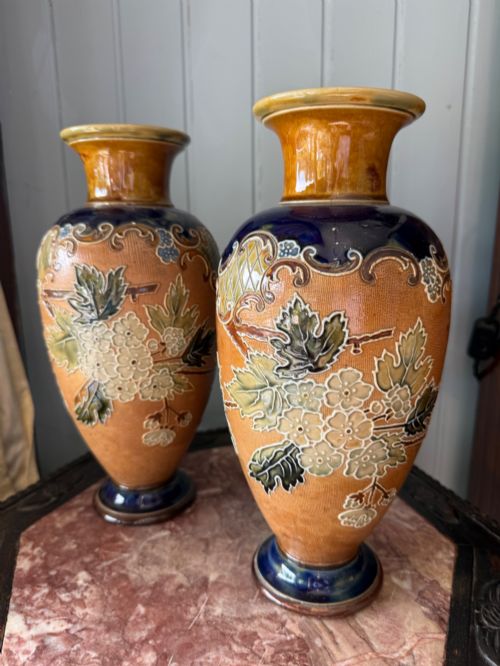
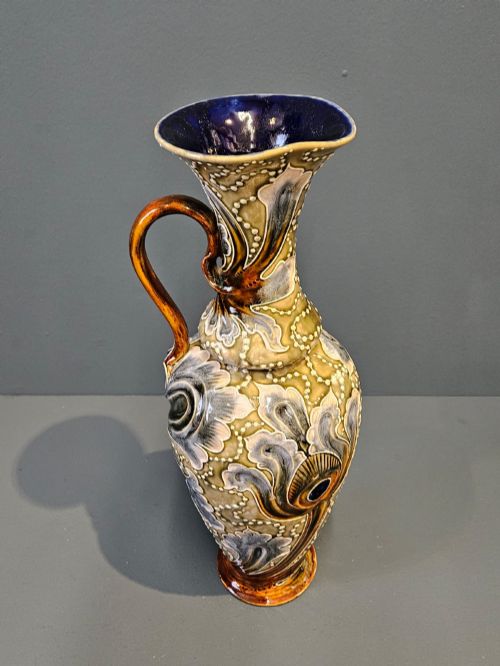
A brown stoneware vase encompasses robust ceramic vessels produced during the nineteenth century and the early twentieth century. These pieces display the dense, vitrified bodies characteristic of salt-glazed and heavy-clay potting traditions.
How they were made
Potters shaped dense stoneware clay on the wheel or moulded it by hand before firing the body at high temperatures to achieve vitrification. This intense heat rendered the clay impervious to liquid without requiring traditional porous earthenware techniques.
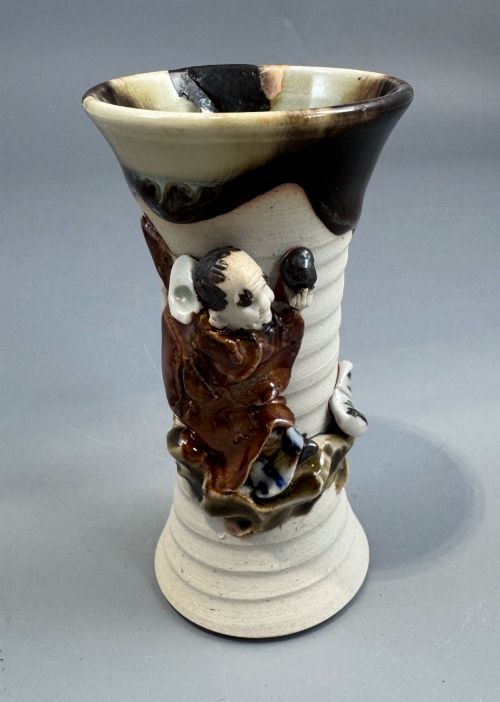
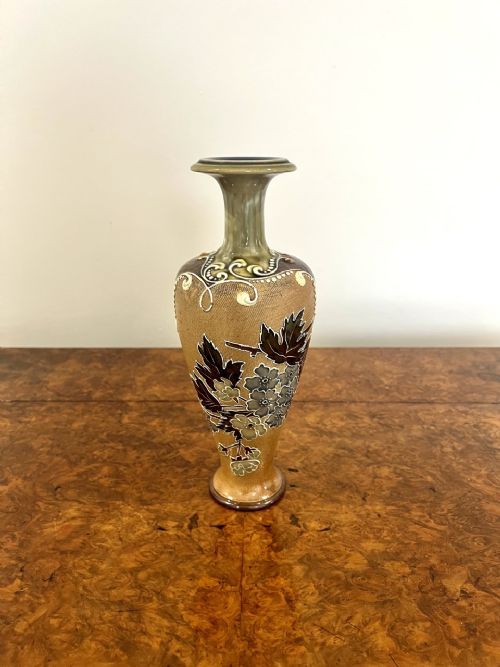
Makers applied glazes, enamels, and distinct surface additions such as raised figural motifs. Doulton pieces often utilised specialised pate-sur-pate or incised decoration, while Sumida Gawa examples incorporated applied figures.
Retail Price Guide 2026
Typical UK retail prices for brown stoneware vase, calculated from the Sellingantiques database of over a million retail prices indexed since 2003. This retail price guide relies exclusively on Sellingantiques data; no external sources or auction records are used, so the figures do not describe the wider market.
Current listings span the nineteenth century and 1910, utilising stoneware, ceramic, glaze, and enamel materials.
What varies in quality
The artistic ambition of the surface decoration defines the upper echelon of these vessels. Master decorators achieved depth through careful incision, pate-sur-pate work, and detailed enamel painting rather than relying solely on a plain glaze.
Signatures and factory attribution elevate specific pieces significantly. Marked works by notable artists or renowned potteries demonstrate a superior command of kiln chemistry and sculptural application.
Doulton Lambeth·Mason·Ryōsai
The Brown Stoneware Vase Glossary
- Stoneware
- A type of pottery fired at high temperatures until the clay body vitrifies and becomes non-porous. It provides a heavy, durable foundation for deep brown glazes.
- Glaze
- A glassy coating fused to the ceramic body during firing to seal the surface and add colour. Brown variations range from rich chestnut to deep chocolate tones.
- Enamel
- Opaque, glass-like pigments applied over a fired glaze and heated again to fix the decoration. This technique allows for bright, contrasting surface details.
- Arts and Crafts
- A design movement valuing handcraftsmanship and natural materials over mass production. It heavily influenced late nineteenth-century ceramic forms.
Frequently Asked Questions
Can I use these vases for fresh flowers?
Stoneware is naturally water-resistant due to the high firing temperature, making these vessels suitable for holding water. However, historic pieces benefit from cautious handling to prevent accidental impact against heavy stems.
Consider placing a small protective liner inside if the interior glaze shows any hairline crazing. This protects the historic body from prolonged moisture exposure.
What is Japanese Meiji Period pottery?
The Meiji Period spans late nineteenth and early twentieth-century Japan, a time of opening international trade and flourishing ceramic export arts. Workshops produced highly expressive wares for Western markets alongside traditional domestic items.
Pieces from this era often feature distinctive sculptural additions and tactile glazes. They reflect a distinct cultural synthesis of traditional techniques and new aesthetic demands.
How do I date a nineteenth-century vase?
Examine the base for factory stamps, impressed registration marks, or artist signatures that correspond to known operational periods. Stylistic cues such as Victorian Chinoiserie motifs or Arts and Crafts lettering also provide chronological markers.
Compare the weight, clay texture, and glaze characteristics with documented examples from the same workshop. Subtle variations in manufacturing methods help narrow down the production decade.