







Decorative Wooden Tray
A decorative wooden tray brings tactile warmth and historic craftsmanship to any room, offering both practical surface space and distinct artistic charm.
Decorative Wooden Tray
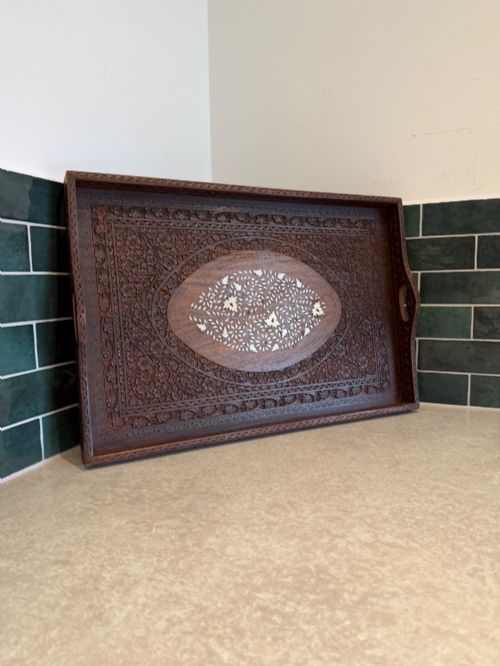
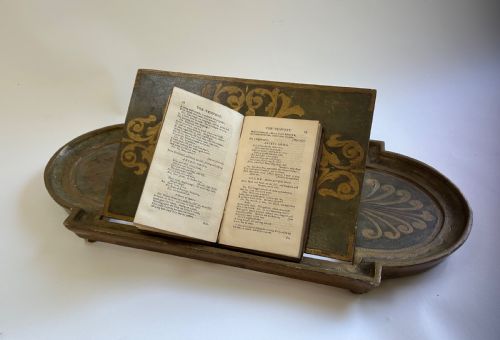
When you search for a decorative wooden tray, you encounter an array of serving pieces, desk stands, and occasional tables spanning the nineteenth and twentieth centuries. The selection encompasses diverse regional traditions, from Anglo-Indian and Venetian workshops to standard Victorian and Edwardian British forms.
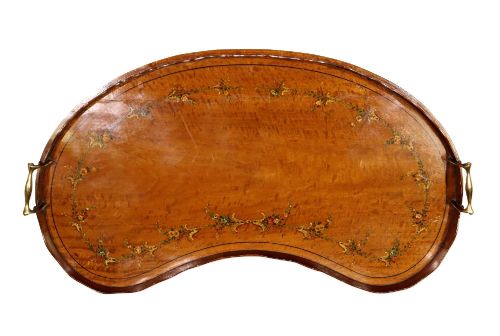
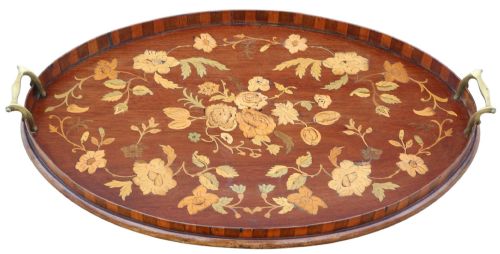
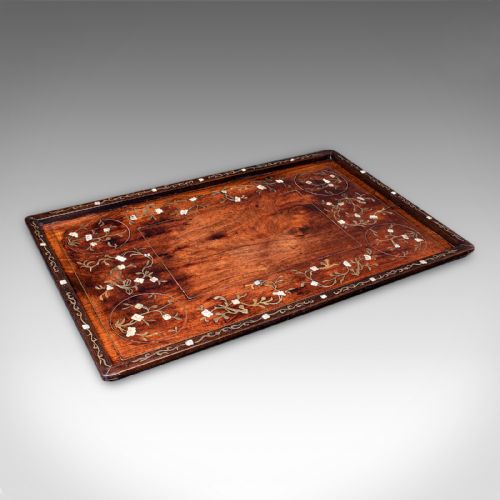
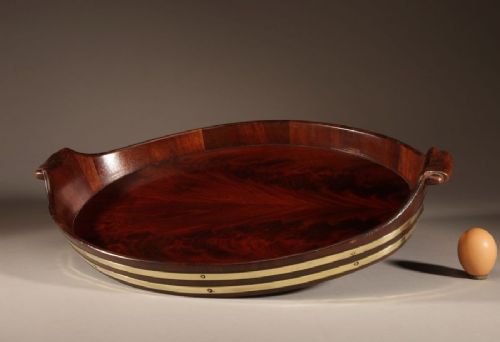
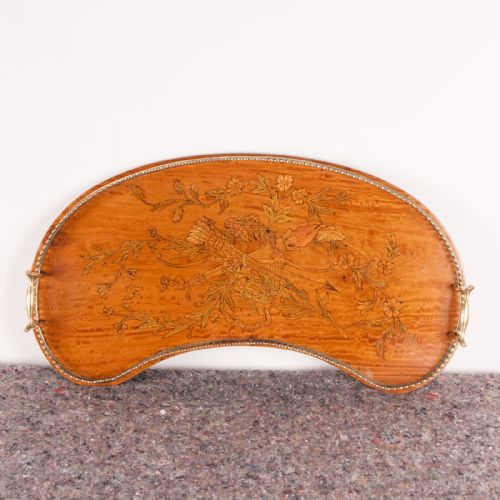
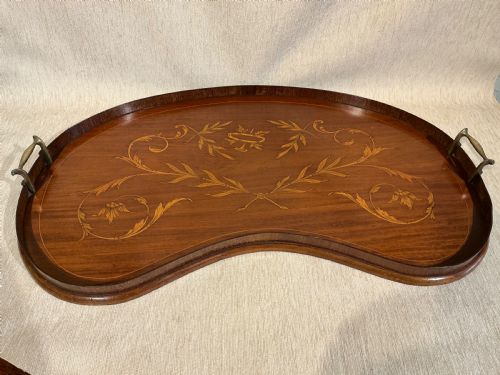
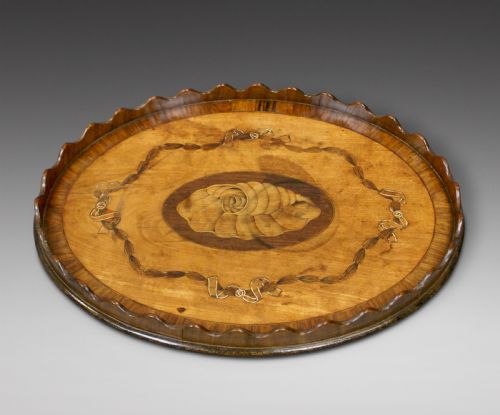
Mahogany and satinwood serve as the predominant timbers, frequently enhanced by intricate marquetry inlay, brass galleries, or painted polychrome finishes. Oval and kidney shapes appear regularly alongside octagonal and rectangular serving trays, reflecting the varied domestic uses of past eras.
Materials and construction methods
Cabinetmakers utilised hardwoods such as mahogany, walnut, and teak, occasionally employing coromandel or satinwood for finer marquetry and contrasting details. Surfaces often received hand-painted polychrome decoration, parcel-gilt highlights, or meticulous inlays of contrasting woods to create pictorial and geometric motifs.
Functional elements like brass handles, pierced brass galleries, and coopered construction provided structural integrity to serving pieces. Carved wooden elements and applied gesso completed the ornamentation on regional items originating from Venetian and Florentine workshops.
Decorative Wooden Tray Retail Price Guide 2026
Typical asking prices for decorative wooden tray among the pieces listed under this phrase on Sellingantiques today, from the lower quarter to the upper quarter. They describe what is for sale here now, not the wider market.
Listings feature items spanning the nineteenth and twentieth centuries, incorporating materials such as brass, gesso, glass, and painted wood.
Factors of quality and execution
Quality rests primarily on the precision of the woodwork and the crispness of any inlay or carved detail. Pieces featuring integrated brass galleries, well-executed marquetry, and sound timber construction stand apart from simpler painted or plain variations.
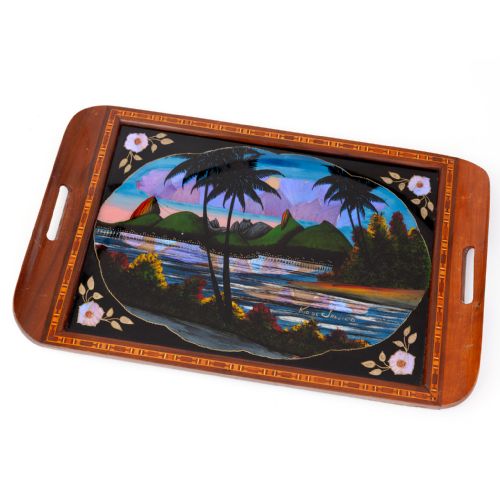
The origin and decorative complexity further distinguish individual examples, with specialised techniques like Tunbridge Ware or detailed butterfly wing panels representing higher levels of artisanal specialisation.
The Decorative Wooden Tray Glossary
- Gallery
- A raised rim or border surrounding the edge of a tray, frequently fashioned from pierced or solid brass to secure items during transport.
- Marquetry
- The art of applying small pieces of veneer to a structure to form decorative patterns and pictures, commonly seen on satinwood and mahogany surfaces.
- Coopered
- Constructed from curved wooden staves joined tightly together, traditionally used in the making of buckets and certain sturdy serving vessels.
- Polychrome
- Decorated in multiple colours, a technique frequently observed on Italian and Venetian painted surfaces from the nineteenth and twentieth centuries.
- Tunbridge Ware
- A distinct form of woodworking characterised by minute mosaic patterns made from many different natural timbers, assembled to form pictorial designs.
Decorative Wooden Tray: Frequently Asked Questions
How were antique trays used?
These pieces served primarily for carrying tea, letters, or beverages in formal domestic settings. Many functioned as permanent display surfaces on side tables or desks.
Over time, their decorative qualities led to them being kept on display rather than utilised for everyday service.
What woods are most common?
Mahogany and satinwood appear most frequently in British and European pieces, offering durable surfaces for detailed inlay work.
Teak and walnut also feature prominently in regional or colonial items from the nineteenth century.
How do I date a wooden tray?
Dating relies on identifying the prevailing style, such as Victorian or Edwardian, combined with the specific timber and construction methods used.
Inlay styles and the presence of specific hardware like brass galleries help narrow the period of manufacture.
Are these trays suitable for daily use?
While originally built for domestic service, older pieces with delicate painted finishes or intricate marquetry benefit from gentle handling.
Sturdier brass-galleried or coopered examples tolerate light everyday deployment as surface displays.