



Georgian Style Wood Tray
A georgian style wood tray brings timeless serving utility and rich timber grain to any table or sideboard.
Georgian Style Wood Tray
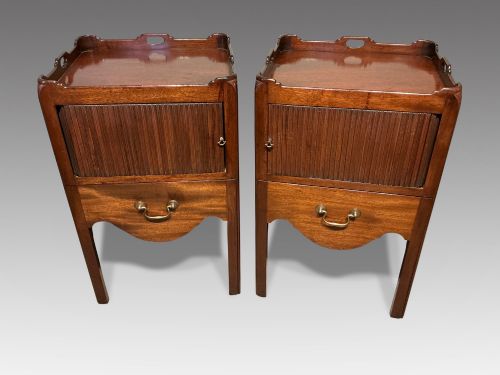
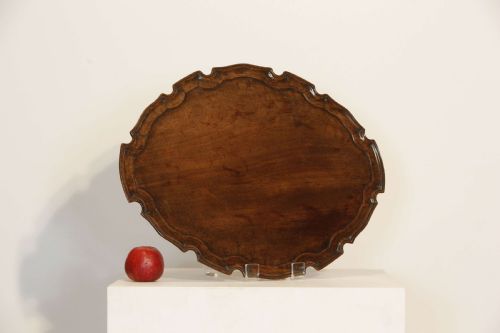
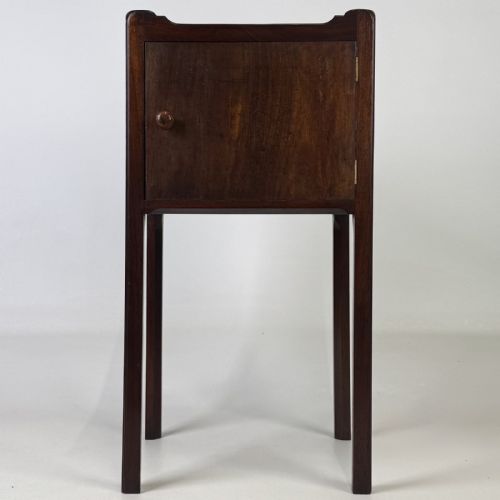
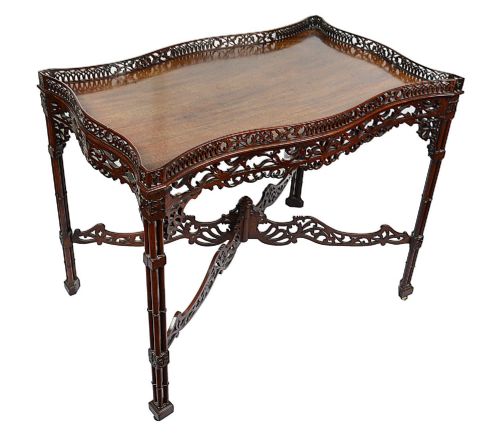
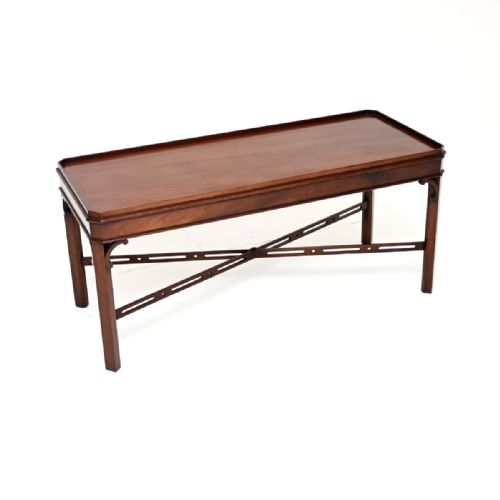
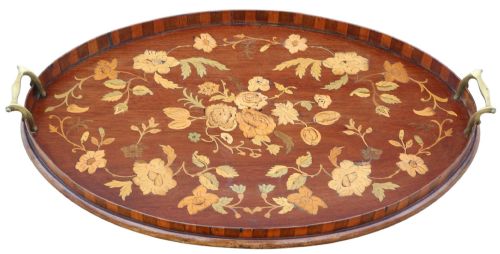
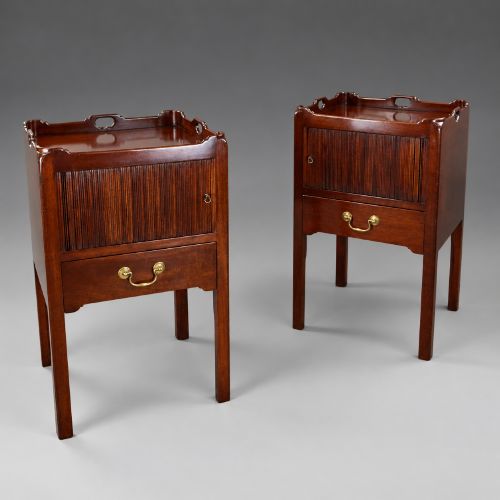
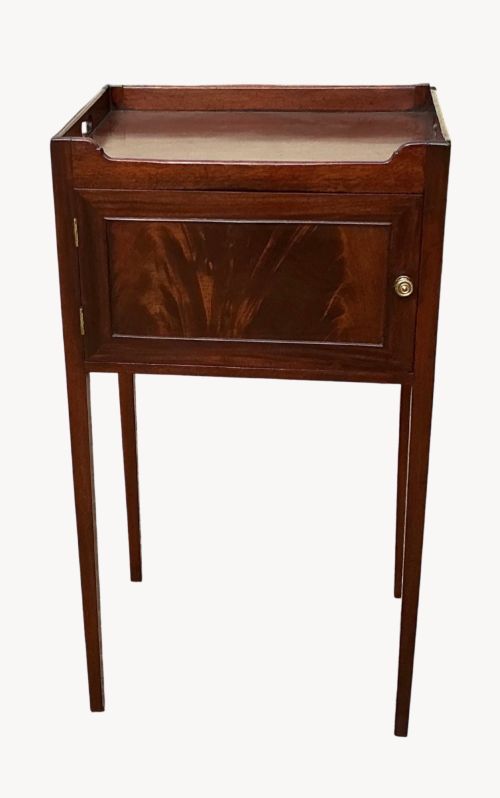
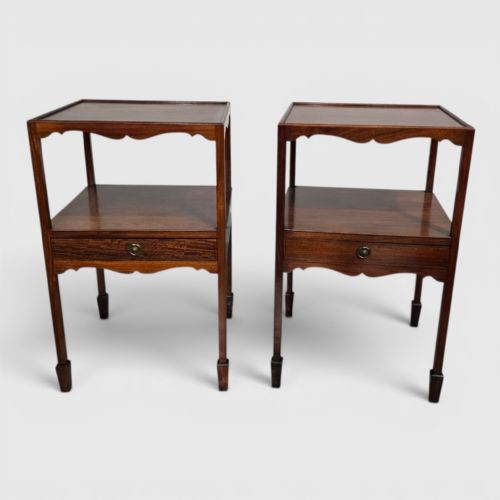
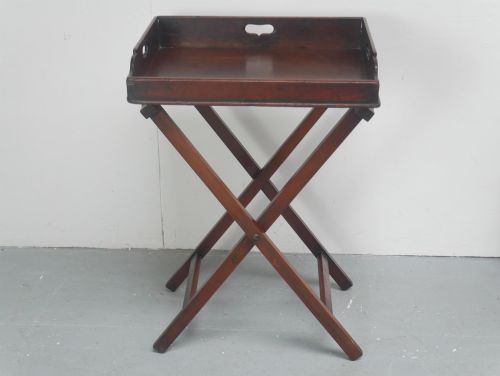
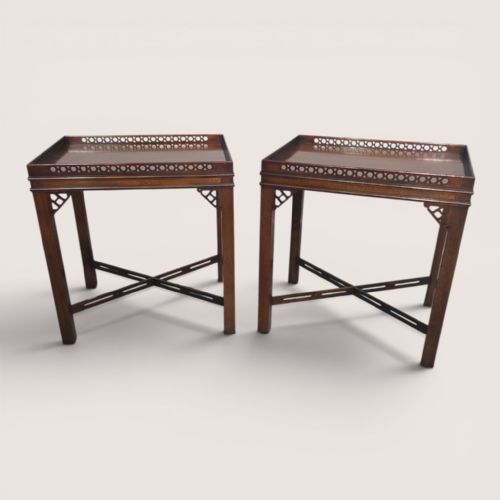
When you search for a georgian style wood tray, you encounter serving pieces and tray-top tables spanning the eighteenth century through revival periods like Edwardian and the 1930s. The selection ranges from authentic George III examples to later walnut and mahogany pieces made with classical proportions.
The serving trays and tray-top tables on this page reflect formal dining and drawing room traditions. Most versions you meet combine practical raised edges with figured timbers like flame mahogany and satinwood.
How they were made
These trays and tables rely on solid mahogany, satinwood, and burr walnut, often selected for strong grain patterns. Brass handles and gallery rails frequently provide structural contrast to the dark timber.
Cabinet makers utilised traditional joinery for the tray bases and raised rims, sometimes incorporating painted Neo-Classical scenes or fine inlaid stringing into the wooden surface.
Georgian Style Wood Tray Retail Price Guide 2026
Typical asking prices for georgian style wood tray among the pieces listed under this phrase on Sellingantiques today, from the lower quarter to the upper quarter. They describe what is for sale here now, not the wider market.
Some trays rotate, proving that eighteenth-century diners were just as keen to avoid passing the mustard.
What varies in quality
The grade of timber determines the initial visual impact, with figured flame mahogany and burr walnut sitting at the upper end. Finely carved gallery edges and crisp inlaid details distinguish superior examples from plain utility pieces.
Construction methods also separate the standard items from the finer works, visible in the snugness of the corner joints and the weight of the brass hardware.
Gillows
The Georgian Style Wood Tray Glossary
- Flame mahogany
- A veneer cut from the fork of the mahogany tree that creates a distinctive flickering flame pattern. This timber was favoured by cabinet makers for grand eighteenth and nineteenth century serving pieces.
- Satinwood
- A durable exotic timber with a pale yellow sheen and a lustrous grain. It frequently appears in neoclassical inlay work and decorative tray surfaces.
- Gallery
- A raised wooden or brass rail encircling the edge of a tray to prevent items from sliding off. Finer versions feature pierced frets or shaped mouldings.
- Burr walnut
- A prized timber cut from walnut tree growths, producing an intricate swirling pattern. It adds rich texture to tray tops and occasional tables.
Georgian Style Wood Tray: Frequently Asked Questions
How do I clean a wood tray?
Dust the surface regularly with a soft dry cloth to protect the timber polish. Avoid harsh chemical cleaners that can strip the historic finish.
Apply a traditional beeswax polish sparingly when the wood appears dry, then buff gently with a clean cloth to restore the natural lustre.
Can I use an antique tray daily?
Many solid mahogany and walnut trays remain sturdy enough for regular service. Use coasters to protect the polish from moisture rings.
For delicate satinwood or painted pieces, limit use to decorative display or dry items to preserve the fragile surface work.
What is a tray top table?
A tray top table combines a removable or fixed serving tray with a supporting stand or base. They served versatile roles in historic drawing rooms for tea and silver.
These pieces offer the visual appeal of a tray with the stability of a small occasional table.
How do I date a wood tray?
Examine the timber species, construction joints, and wear patterns underneath the base. Eighteenth century examples show hand-cut joinery and aged patination.
Revival pieces from the Edwardian era or the 1930s often utilise machine-sawn elements while imitating earlier George III styles.