

Inlaid Wooden Tray
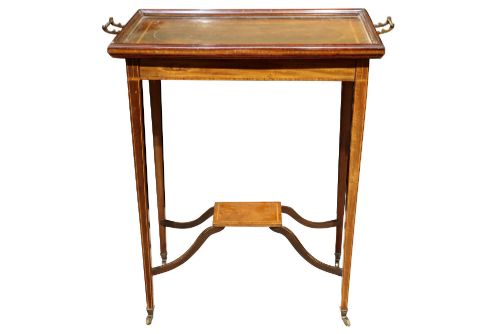
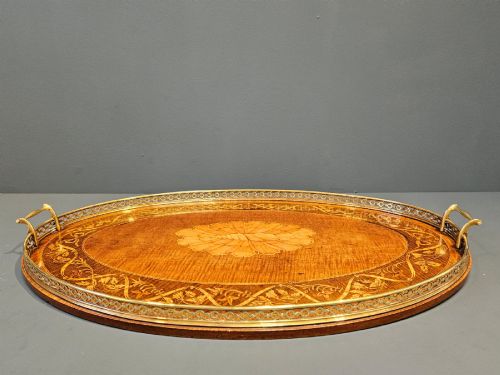
An inlaid wooden tray brings warmth and craftsmanship to a room, offering a practical surface with decorative detail that catches the eye.
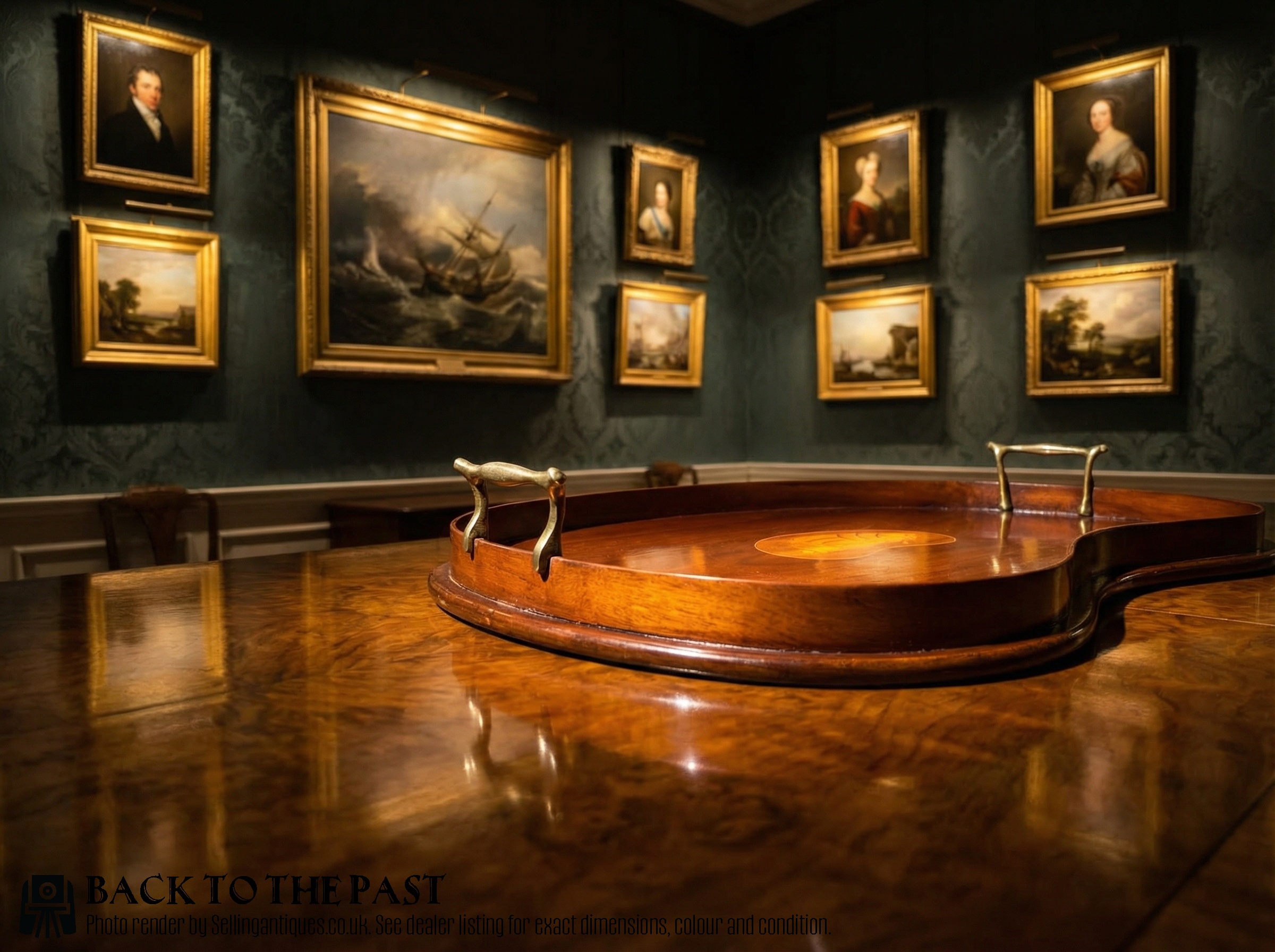
Inlaid Wooden Tray
How they were made
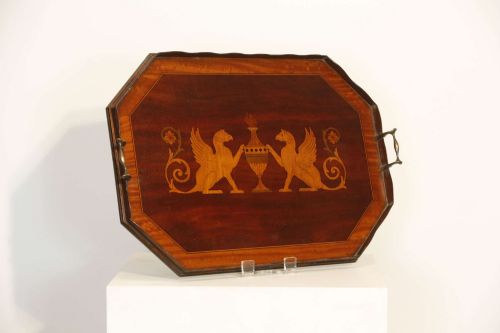
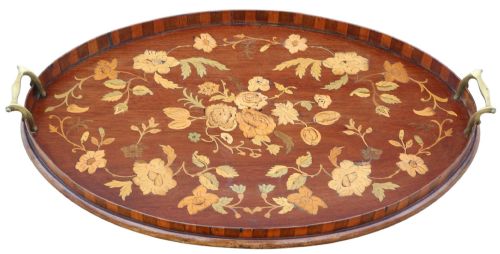
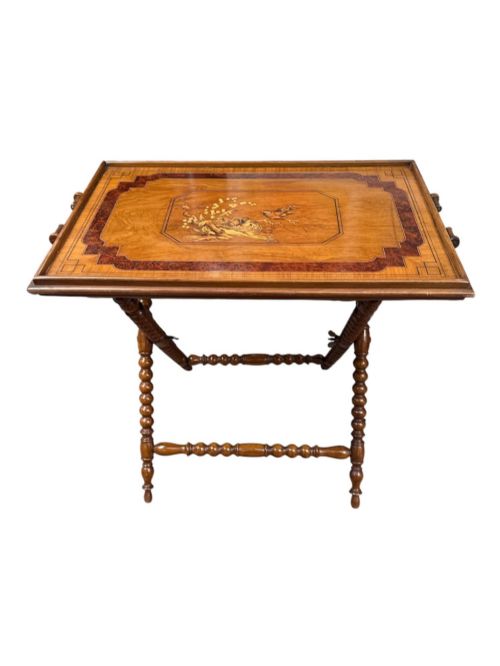
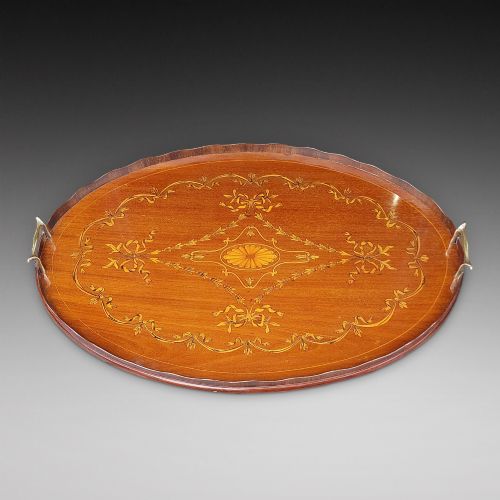
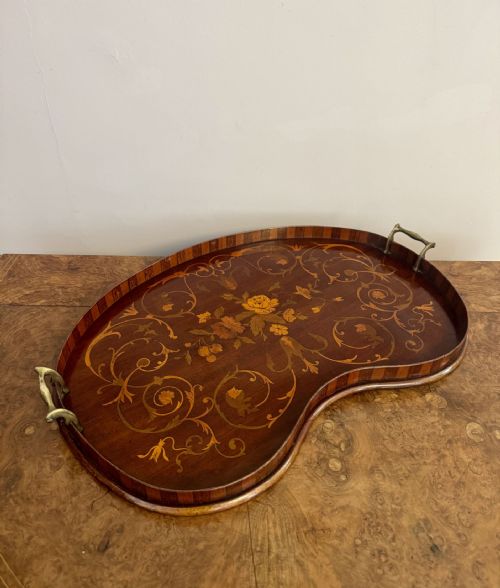
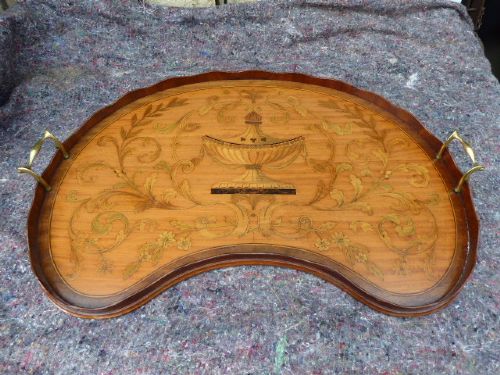
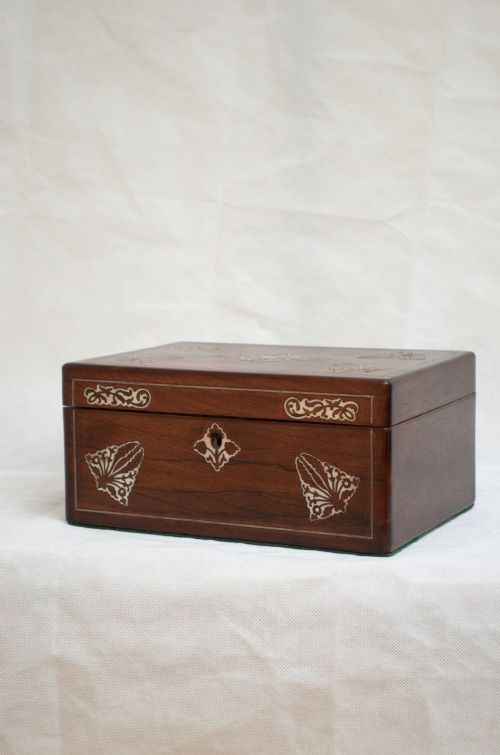
Cabinetmakers built these pieces using solid timbers like mahogany, rosewood and teak for structural stability, applying contrasting veneers such as satinwood, boxwood and burr yew for the decorative surfaces. Marquetry techniques allowed artisans to assemble intricate pictorial or geometric designs from thin wood slices set flush into the primary timber.
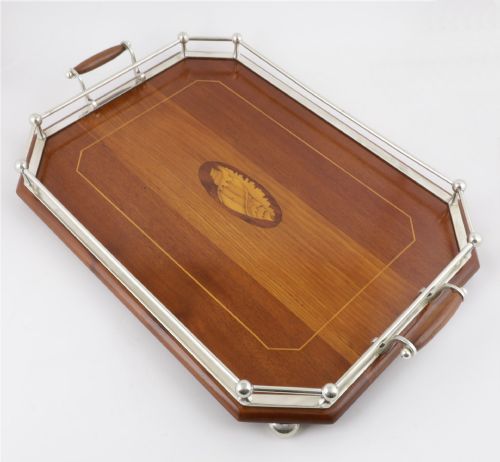
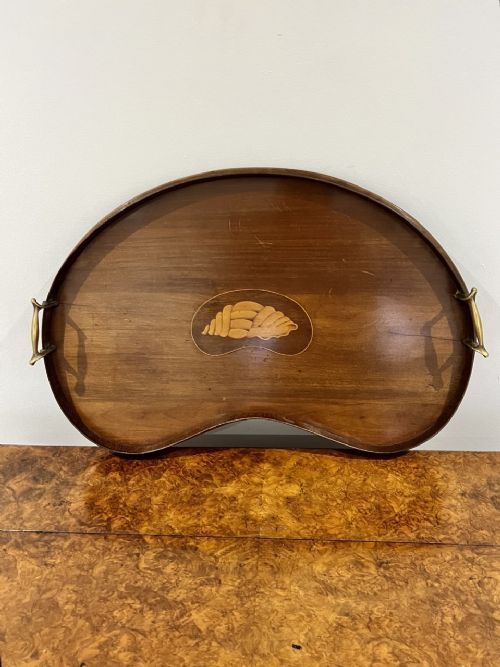
Many examples incorporate brass handles, silver-plated galleries or silvered side rails to secure glassware and china during service. Skilled hands shaped the raised edges, carved handholds and fitted internal compartments, combining structural joinery with precise surface decoration.
Inlaid Wooden Tray Retail Price Guide 2026
Typical asking prices for inlaid wooden tray among the pieces listed under this phrase on Sellingantiques today, from the lower quarter to the upper quarter. They describe what is for sale here now, not the wider market.
Some nineteenth-century trays incorporate preserved Brazilian butterfly wings beneath glass panels, creating miniature scenic views of Rio de Janeiro.
What varies in quality
Quality rests upon the precision of the marquetry and the choice of timbers, where tightly fitted contrasting veneers demonstrate superior bench skills. Simpler pieces rely on plain mahogany with minimal line inlay, whereas finer examples display elaborate satinwood motifs, burr timbers and substantial brass or silver-plated mountings.
The crispness of the edge joinery and the preservation of the polished surface distinguish better-made examples. Well-executed handles and sturdy gallery rails indicate workshop standards that survive heavy domestic use over generations.
Edwards and Roberts
The Inlaid Wooden Tray Glossary
- Marquetry
- The art of applying pieces of veneer to a structure to form decorative patterns and pictures. It differs from inlay by assembling the entire design on a backing before gluing it down.
- Satinwood
- A durable, lustrous timber native to India and Ceylon, prized for its golden yellow colour. Cabinetmakers used it extensively for contrasting borders and light-toned field panels.
- Gallery
- A raised border or rail fitted around the edge of a tray or table. It prevents items from sliding off during service and frequently incorporates pierced brass or silver plating.
- Sorrento ware
- Woodwork decorated with micro-mosaic marquetry, produced in the Italian coastal town of Sorrento during the nineteenth century. Pieces often feature olivewood bases and architectural or floral scenes.
- Butler's tray
- A portable wooden tray designed to rest on a folding stand for serving drinks or tea. Many surviving examples feature hinged sides that fold down flat.
Inlaid Wooden Tray: Frequently Asked Questions
How were inlaid wooden trays used?
These pieces served primarily for carrying tea ware, wine bottles and afternoon refreshments across drawing rooms and dining spaces. They functioned both as portable service items and as decorative display surfaces on side tables.
In domestic settings, servants brought tea or breakfast to guests using these trays, while owners also utilised them on stands as permanent occasional tables.
How do I clean an inlaid wooden tray?
Maintenance requires gentle dusting with a soft, dry cloth to protect the polished surface and delicate veneer work. Moisture can damage old polish and lift veneer, so liquid cleaners must be avoided.
Applying a traditional beeswax polish occasionally will nourish the timber and maintain the soft lustre of the wood without harming the antique finish.
Are these trays suitable for daily use?
While sturdy enough for occasional service, antique trays benefit from careful handling to preserve their delicate marquetry and historic polish. Heavy daily use may risk scratching the antique timber or loosening older brass fittings.
Many owners choose to place them on coffee tables or sideboards for static display, using them gently when entertaining guests.
How do I tell Victorian trays from Edwardian ones?
Victorian examples tend to use rich, dark timbers like rosewood and heavy mahogany, often featuring robust brass handles and deep gallery rails. They reflect a period focused on solid construction and formal service.
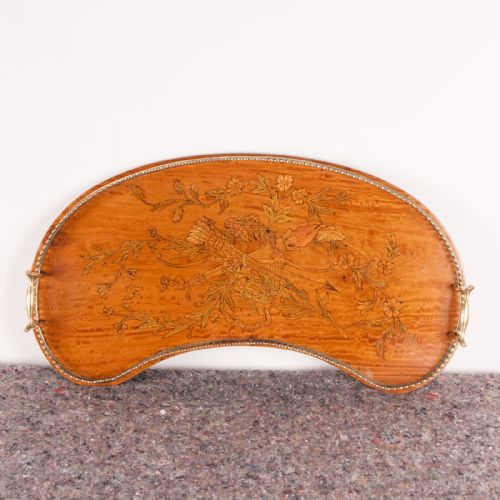
Edwardian pieces frequently embrace the lighter Sheraton Revival style, showcasing satinwood, kidney shapes, and delicate floral marquetry that suits brighter domestic interiors.