
Edwardian Silver Pot
An edwardian silver pot brings domestic utility and functional elegance to a desk, dressing table, or dining surface.
Edwardian Silver Pot
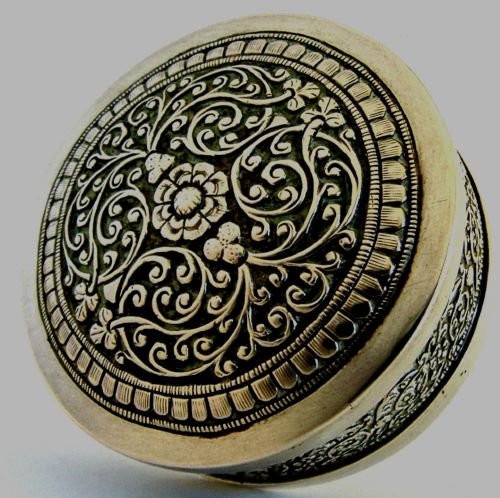
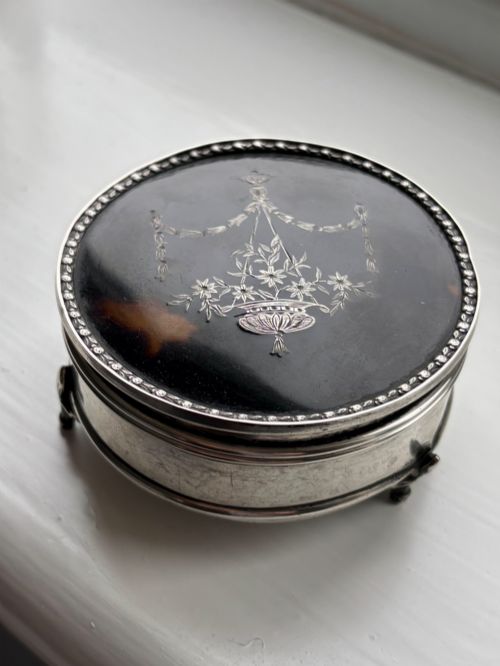
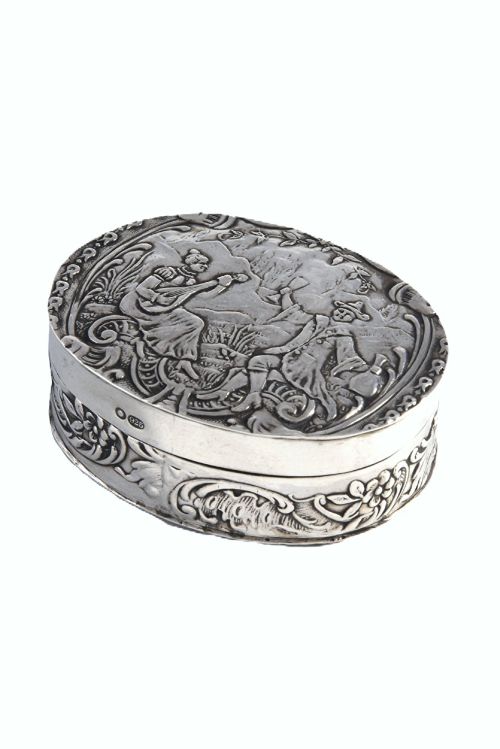
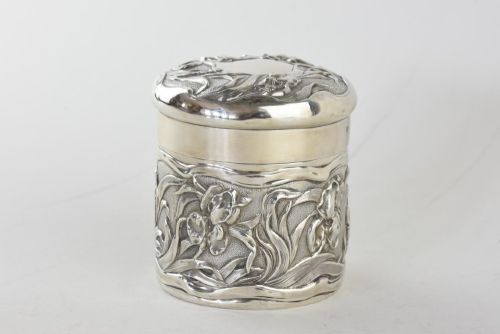
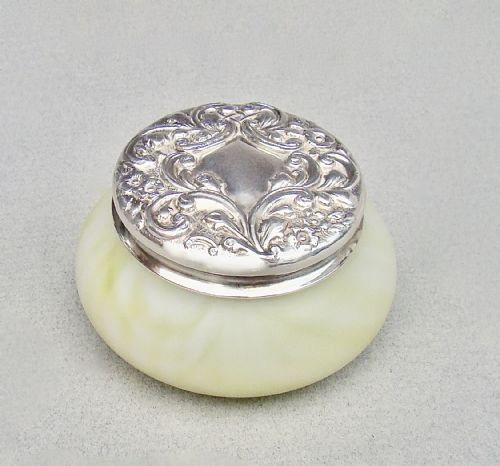
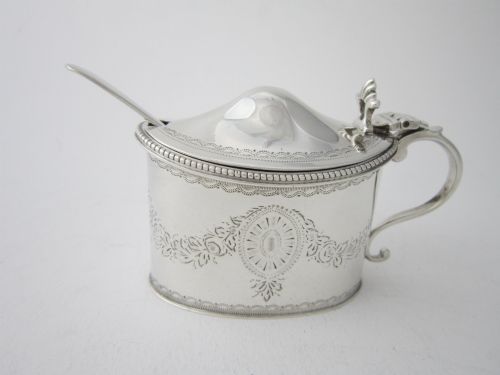
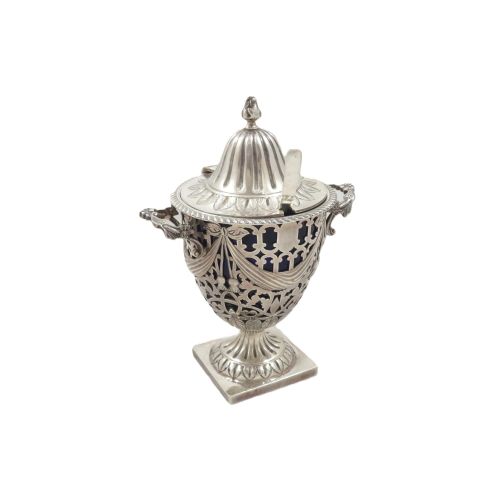
When searching for an edwardian silver pot, buyers encounter a diverse selection of small domestic vessels produced around the turn of the twentieth century. These include mustard pots, inkwells, dressing table jars, pepper pots, and pot pourri boxes. Many examples combine precious metal mountings with glass bodies, enamel lids, or tortoiseshell panels.
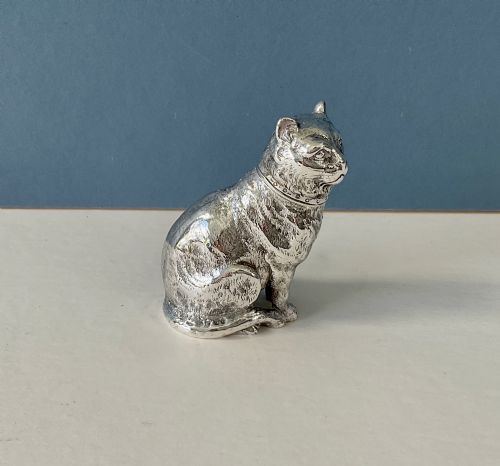
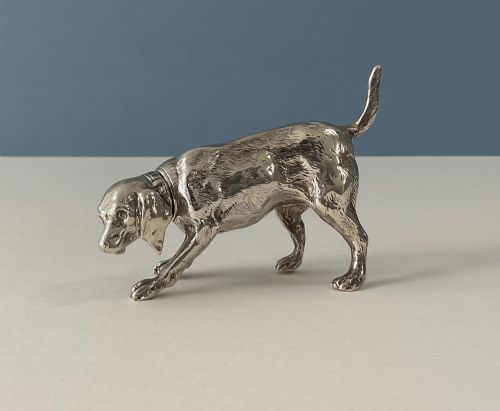
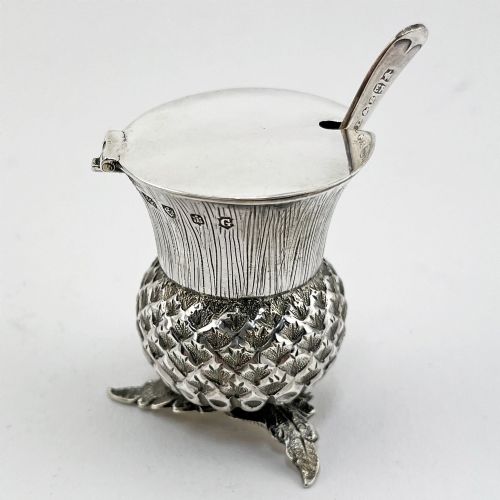
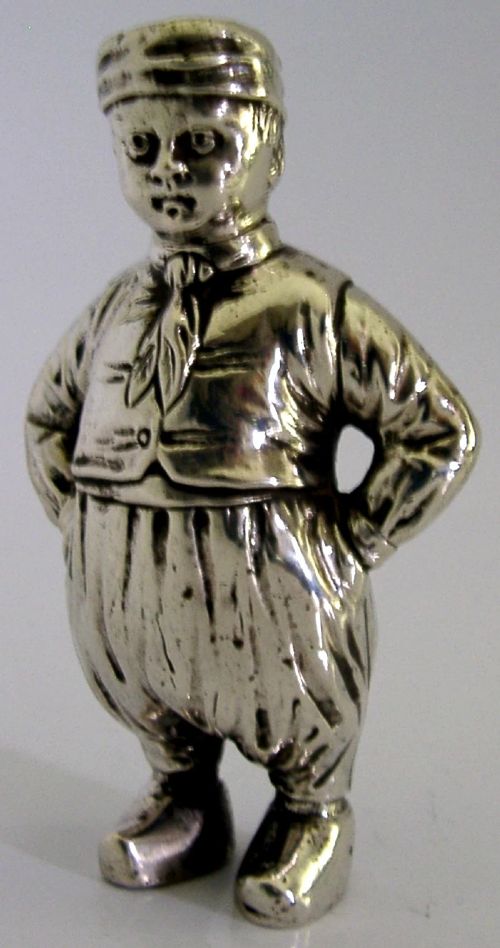
The objects span multiple styles and periods, drawing heavily on Edwardian and Victorian aesthetics alongside Georgian Revival, Art Nouveau, and Art Deco influences. Makers utilised various forms ranging from conventional cylindrical containers to novelty animal shapes and thistle designs.
How They Were Made
Silversmiths formed the metallic components using sterling silver or silver plate, frequently incorporating techniques such as repousse decoration, wirework, and piercing. Assay offices in cities like Birmingham, Chester, London, and Sheffield stamped items with hallmarks denoting the metal standard and year of production.
Many jars and cruet elements paired the metal mounts with cut glass, satin glass, cranberry glass, or ceramic liners. Artisans also integrated organic materials, applying tortoiseshell, enamel, and pique work to lids and bodies.
What Varies In Quality
The caliber of an edwardian silver pot depends upon the heaviness of the metal gauge and the crispness of the hand-applied decoration, such as repousse scrolling or pierced gallery work. Maker attribution plays a significant role, with pieces bearing the marks of established silversmiths commanding greater interest.
The integration of secondary materials dictates overall refinement. Intact guilloche enamel, unblemished tortoiseshell panels, and original coloured glass liners or matching spoons elevate the standard of the piece.
Goldsmith and Silversmiths Company·Ollivant and Botsford·Alfred Marston·Henry Clifford Davis·A. Bromet and Co·Henry Matthews·Walker and Hall·William Comyns·Hukin and Heath·James Dixon and Sons·Levi and Salaman·William Vale·Charles Weale·Charles Edward·Atkin Brothers·Samson Mordan·Nathan and Hayes·A and J Zimmerman·Saunders and Shepherd
The Edwardian Silver Pot Glossary
- Hallmark
- A series of official marks stamped onto precious metal items to indicate the maker, standard of purity, and year of manufacture. These stamps provide a reliable method for dating silver vessels.
- Repousse
- A metalworking technique where the artisan hammers the design from the reverse side to form raised relief patterns on the surface. This method created ornate floral and scroll motifs on lids and bodies.
- Guilloche
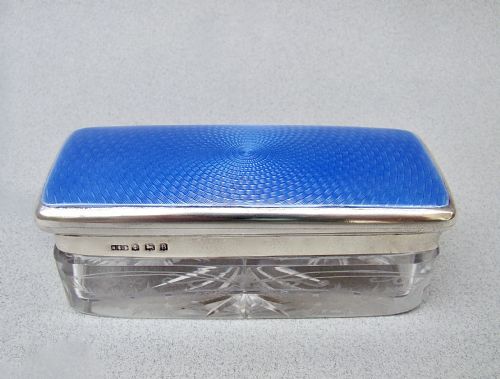
- A decorative engineering process involving precise, intricate geometric patterns engraved beneath translucent enamel. It appears frequently on the lids of dressing table jars and rouge pots.
- Capstan inkwell
- A desk accessory shaped like a ship's capstan, featuring a wide circular base tapering upwards to a smaller top opening. This stable form prevented tipping during use.
- Cruet set
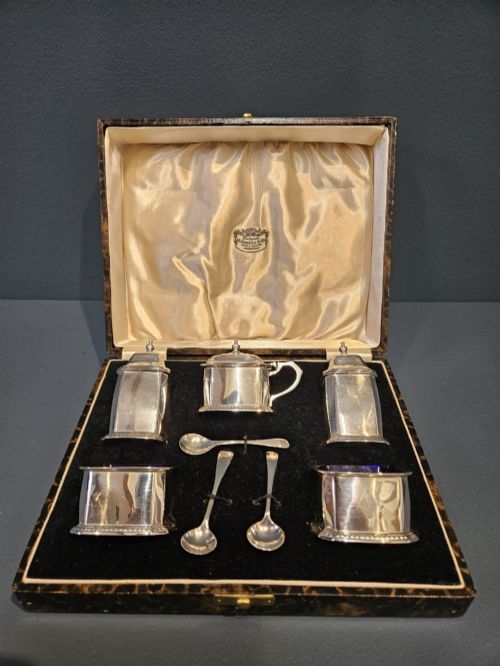
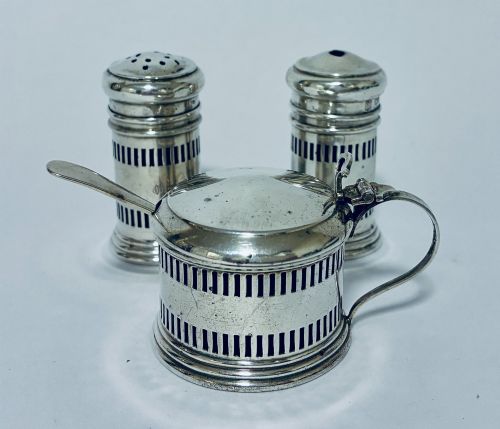
- A matched group of small condiment containers, typically holding mustard, salt, pepper, and vinegar oils for the dining table. These sets often rest on dedicated silver or plated stands.
Edwardian Silver Pot: Frequently Asked Questions
What is a silver mustard pot?
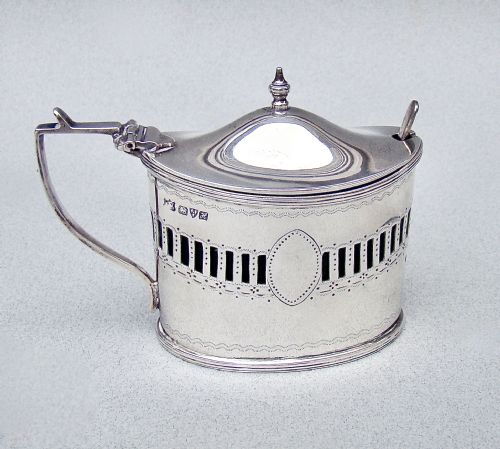
A silver mustard pot is a small lidded container designed to hold prepared mustard on the dining table. They frequently feature blue glass liners to protect the metal from the condiment's corrosive properties.
Many examples include a small aperture in the lid to accommodate a matching silver spoon. They appear in various forms, including cylindrical shapes, pierced openwork designs, and novelty configurations.
How do you use a capstan inkwell?
A capstan inkwell serves as a desk accessory designed to hold liquid ink for writing with a pen. The wide base provides stability to prevent accidental spills while dipping nibs.
Inside the weighted metal housing, a glass or ceramic insert holds the ink safely away from the outer silver shell. The hinged lid seals the well shut when not in use to prevent the ink from drying out.
What is a dressing table jar used for?
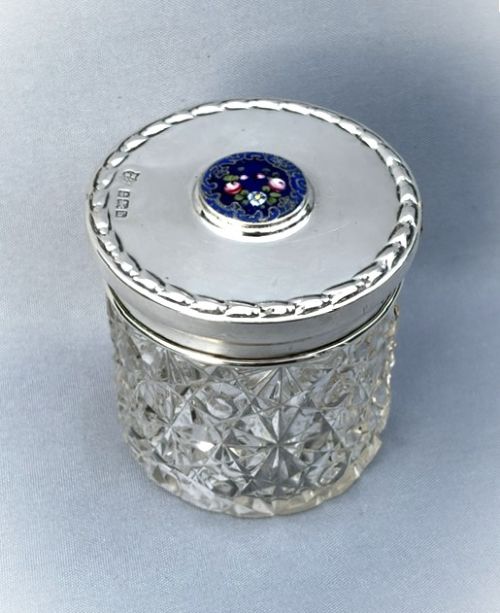
A dressing table jar functions as a small container for cosmetics, pins, trinkets, or toiletries. They sat atop nineteenth and early twentieth century bedroom furniture as both practical storage and decorative items.
The bodies typically consist of cut glass or crystal topped with a solid silver lid, frequently decorated with enamel, tortoiseshell, or embossed floral motifs.
How do I identify Edwardian silver?
Identifying Edwardian silver relies primarily on reading the hallmarks stamped into the metal. The presence of King Edward VII's reigning profile mark alongside assay office symbols and date letters confirms the period between 1901 and 1910.
Stylistic cues also help distinguish the era, as makers frequently utilised Art Nouveau motifs, garland ornamentation, and Georgian Revival designs alongside traditional Edwardian aesthetics.