

Edwardian Tobacco Box
An edwardian tobacco box brings together period craftsmanship and gentlemanly utility, offering a tactile piece of smoking history for your desk or mantel.
Edwardian Tobacco Box
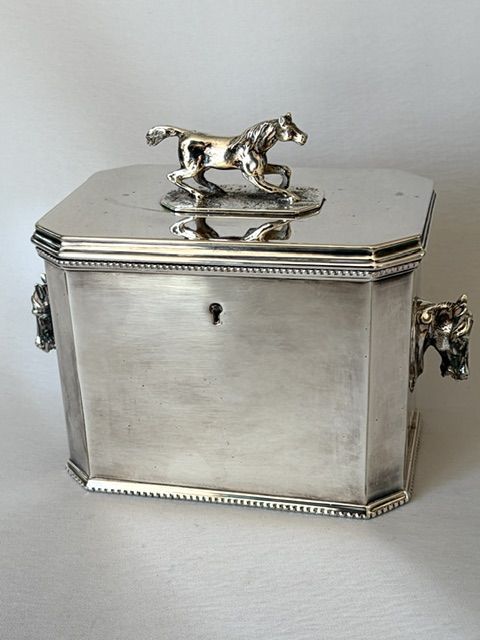
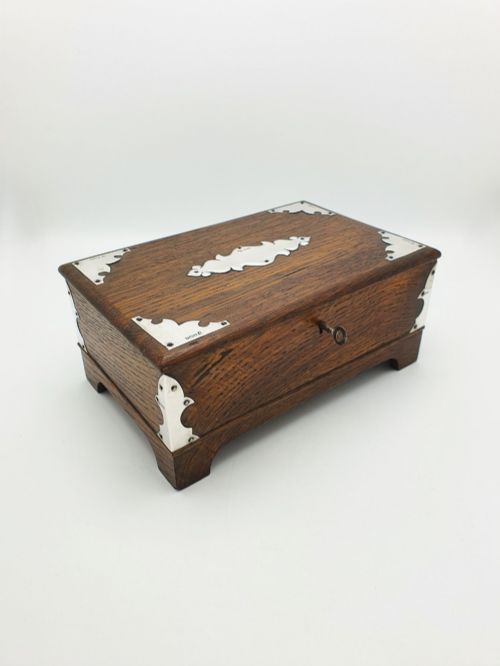
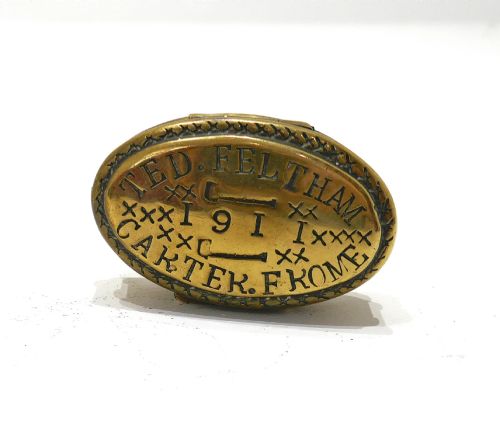
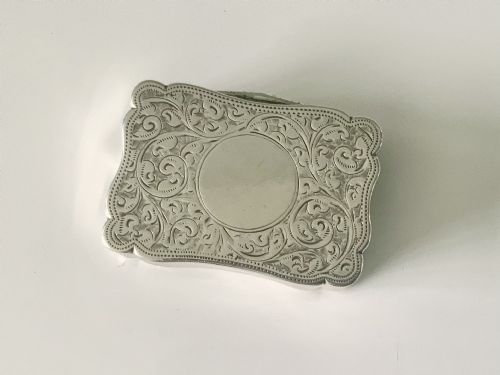
When searching for an edwardian tobacco box, buyers encounter a diverse range of vessels designed to store leaf and keep it fresh, including pocket squeeze boxes and larger desktop cabinets. The examples most commonly met on this page span pocket-sized silver pebbles alongside substantial oak and brass humidors from the early decades of the twentieth century. These pieces reflect the prominent smoking culture of the era, drawing upon periods ranging from the late nineteenth century through to the nineteen-thirties.
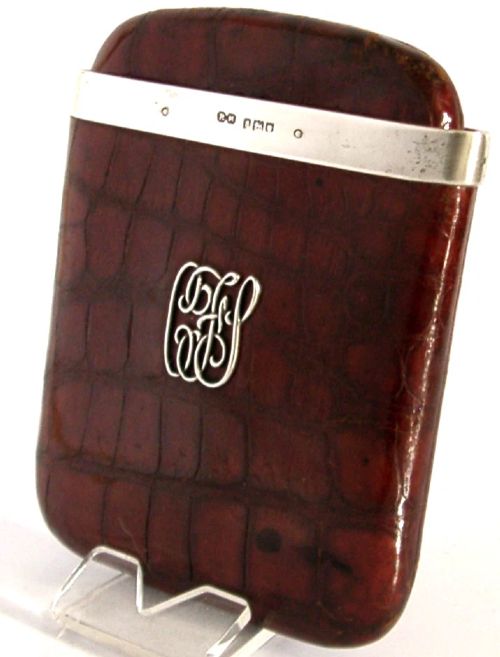
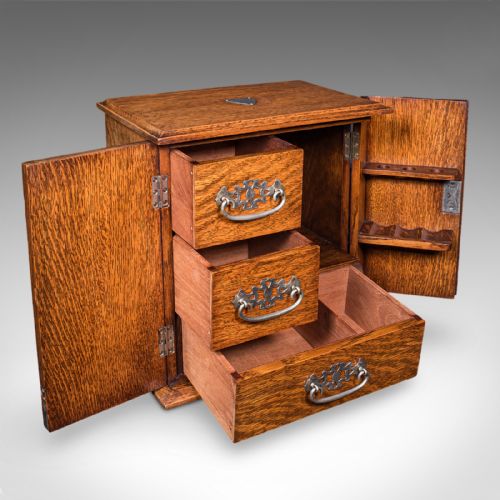
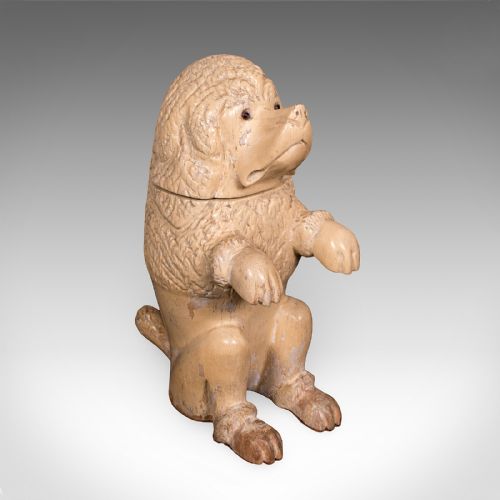
The forms vary from utilitarian table-top storage to novelty figural containers and fitted smoking cabinets with multiple compartments. Makers utilised different scales depending on whether the container was intended for personal travel use or communal lounge display. Alongside traditional boxes, the selection embraces related smoking compendiums, cigar cases, and specialised snuff containers that share the same aesthetic pedigree.
How they were made
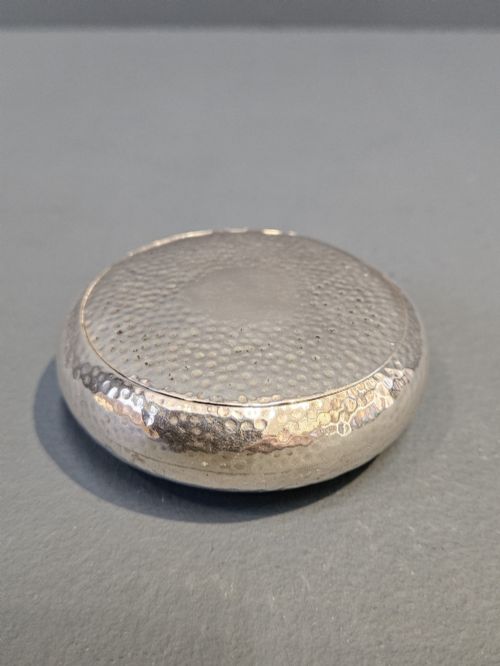
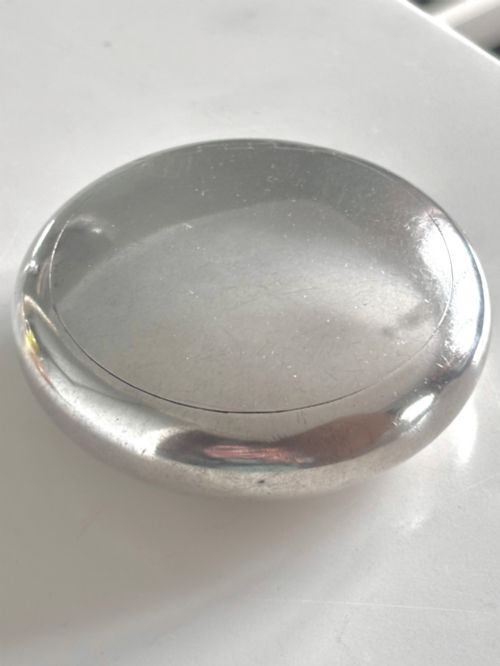
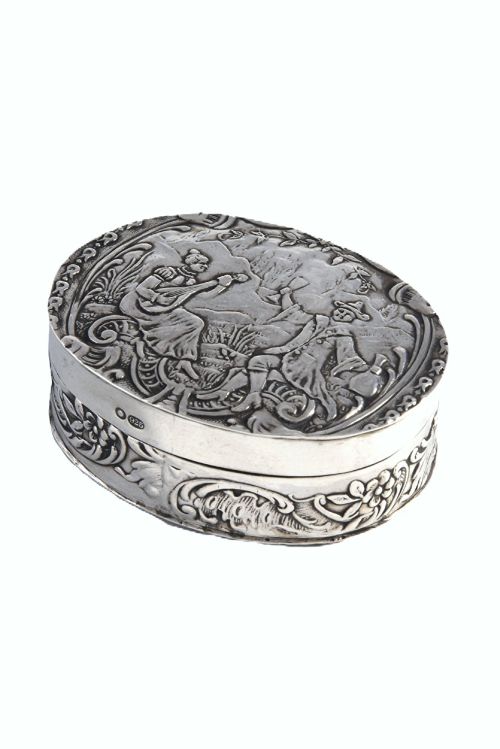
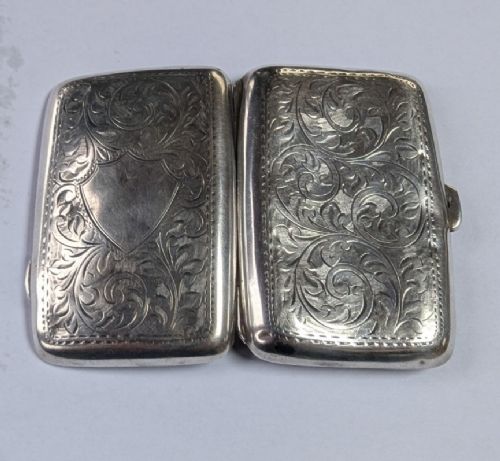
Metalwork pieces rely heavily on sterling silver and silver plate, often shaped into ergonomic pebble forms utilising planished surfaces and detailed floral scroll engraving. Silversmiths employed specialised hinges and squeeze mechanisms to ensure pocket containers remained securely shut while offering smooth daily operation.
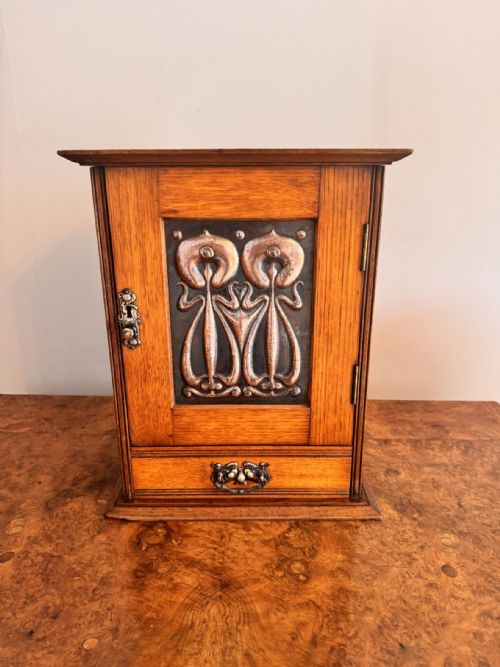
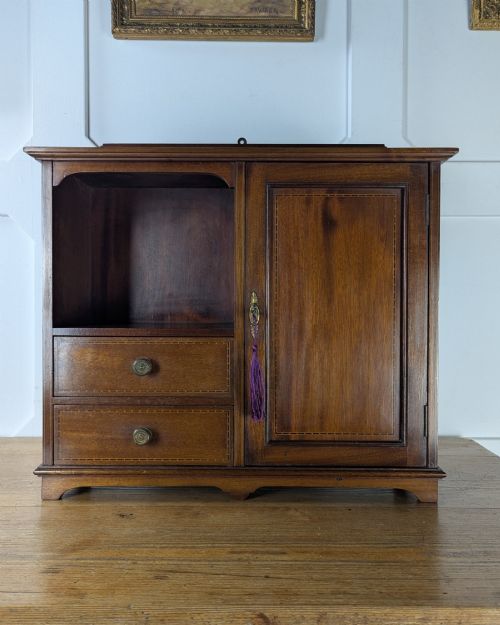
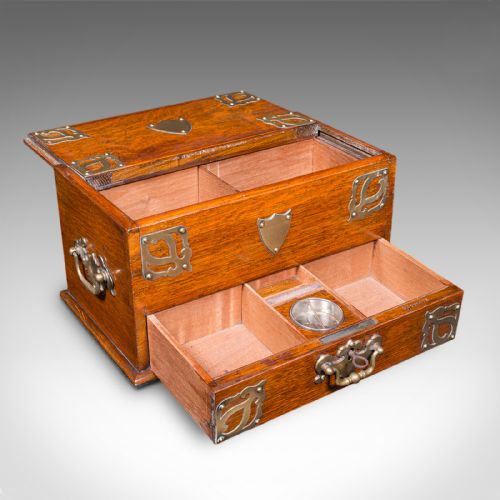
Wooden variants incorporate sturdy timbers such as oak, satinwood, and fruitwood, frequently mounted with brass or sterling silver hinges, escutcheons, and internal linings. Cabinet makers constructed these humidor boxes with tight-fitting lids and doors, occasionally featuring tambour fronts or specialised glass panels to display the contents safely.
One exceptional smoking cabinet takes the literal form of a Great Western Railway coal wagon.
What varies in quality
The distinction between ordinary utility items and superior examples lies in the integrity of the materials and the precision of the mechanics. High-grade silver boxes feature crisp hallmarks, substantial gauge metal that resists denting, and spring mechanisms that operate with exact tension. Lesser items display thin gauge metal and worn hinges that lose their original alignment over time.
In wooden cabinets and humidor boxes, quality is determined by the selection of figured timber veneers, the joinery of internal partitions, and the preservation of original locks and mounts. Superior pieces retain well-fitted lids and intact interior linings, whereas basic versions show shrinkage in the wood and replacement hardware.
Mappin And Webb·A And J Zimmerman Ltd·George Unite·Sampson Mordan
The Edwardian Tobacco Box Glossary
- Planished
- A hammered metal finish achieved by striking the surface with a small-faced hammer to create a textured, light-catching pattern. This technique was particularly favoured by Arts and Crafts silversmiths.
- Humidor
- A moisture-controlled storage container designed specifically to keep cigars and pipe tobacco in optimal condition. These vessels often feature wood interiors to regulate humidity.
- Squeeze box
- A pocket-sized container engineered with a flexible or hinged mechanism that opens when pressure is applied to the sides. They were widely produced in silver during the Edwardian period for loose leaf tobacco.
- Smokers cabinet
- A tabletop or wall-mounted cupboard fitted with racks for pipes, drawers for tobacco, and compartments for matches. They represent the more elaborate domestic forms of smoking storage.
- Treen
- Small handmade wooden objects produced before the widespread adoption of plastics. The category encompasses turned jars, figural carvings, and desktop containers.
Edwardian Tobacco Box: Frequently Asked Questions
What is a squeeze tobacco box?
A squeeze tobacco box is a pocket container designed with sides that yield slightly under hand pressure to pop the lid open. These silver pieces allowed users to access loose leaf tobacco easily while on the move.
Most surviving examples date from the Edwardian era and display smooth pebble shapes or planished finishes. Their clever mechanical design makes them particularly sought after by collectors of small silver.
How do I use an edwardian tobacco box?
These boxes function well for storing small dried goods or serving as decorative desktop storage for modern trinkets. Their historical compartments suit the display of small collections rather than heavy daily use.
When housing original-style tobacco, ensure the internal wooden or metal linings are clean and dry. Placing them on a stable surface away from direct heat protects the wood and metal from environmental stress.
Are these boxes suitable for cigars?
Pocket boxes generally hold loose tobacco or cigarettes, whereas larger oak cabinets and humidors accommodate cigars. Desktop boxes often feature fitted interiors specifically dimensioned for rolled cigars.
Vintage cabinets may lack the modern humidification seals required to keep cigars fresh for long periods. Consequently, collectors typically utilise them for display or short-term storage.
How do I identify an edwardian piece?
Identification relies primarily on silver hallmarks, maker marks, and stylistic indicators such as Art Nouveau motifs or Arts and Crafts planishing. Official date letters stamped into the metal provide the exact year of assay.
Stylistic cues include lighter oak framing compared to heavy Victorian furniture, combined with understated brass mounts. Comparing the construction details against documented periods confirms the era of manufacture.