


Repousse Silver Jar
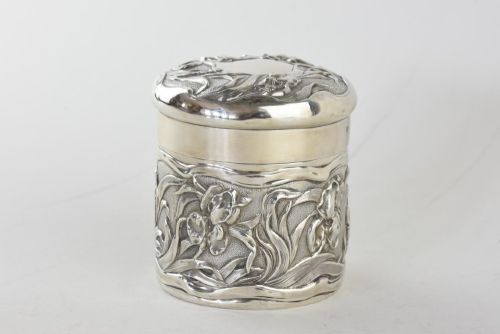
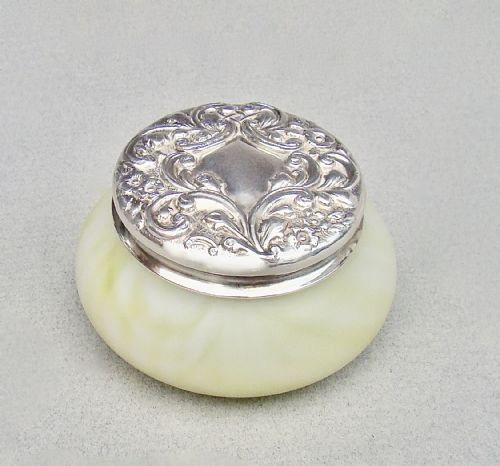
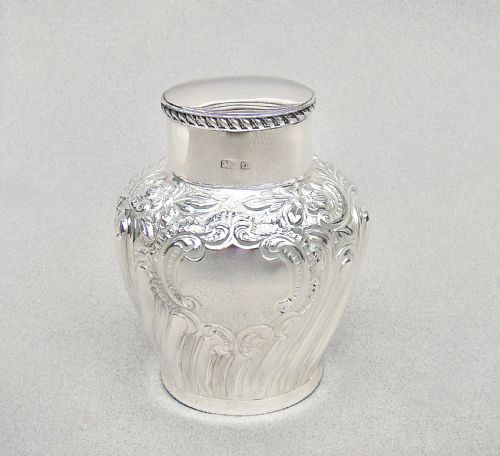
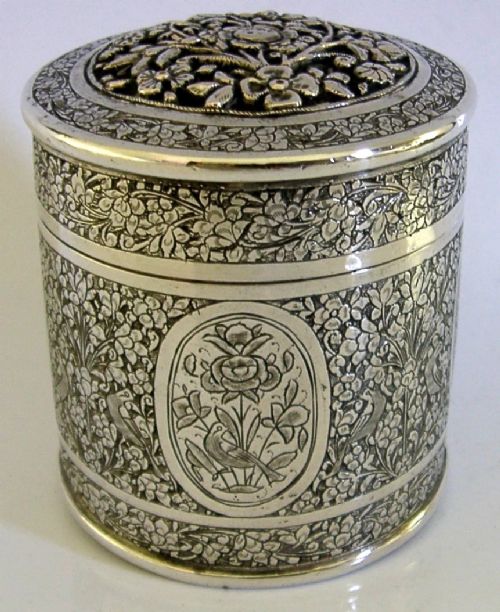
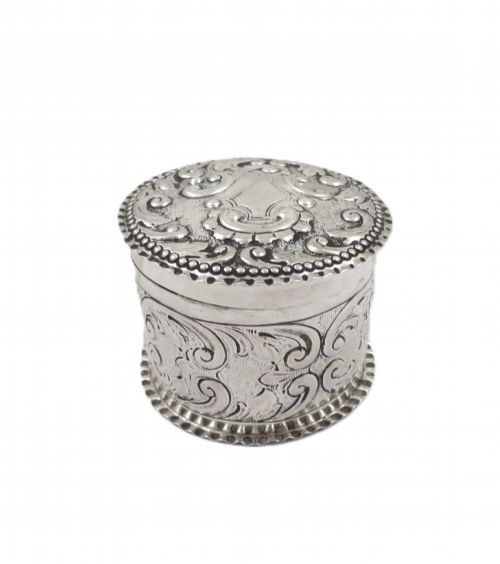
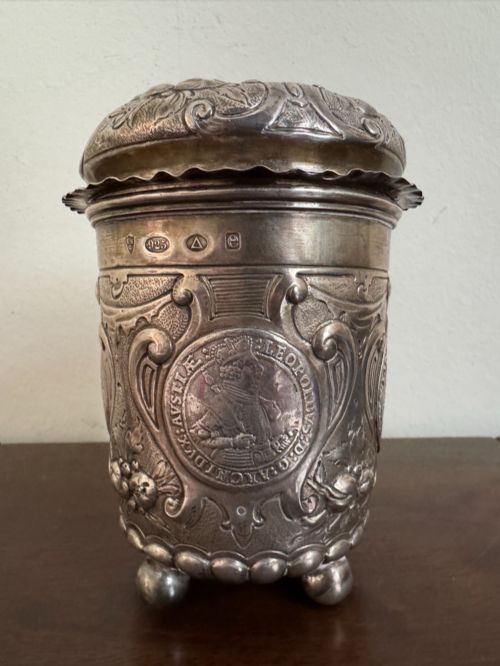
These repousse silver jar examples span tea caddies, trinket boxes, and vanity pots, offering intricate ornamentation that brings tactile texture to any surface.
Repousse Silver Jar
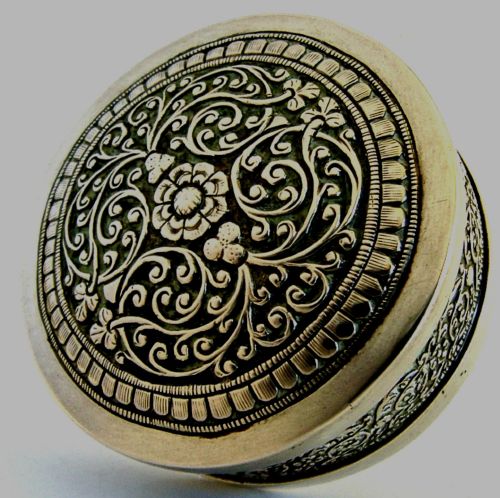
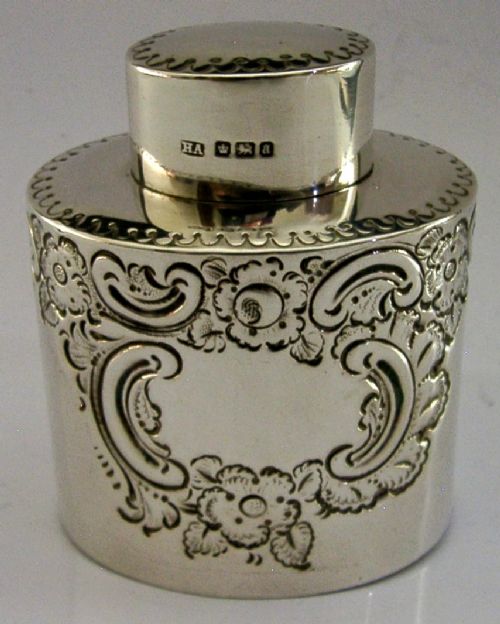
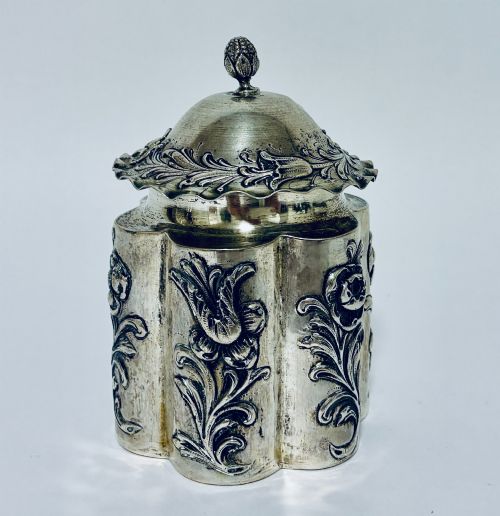
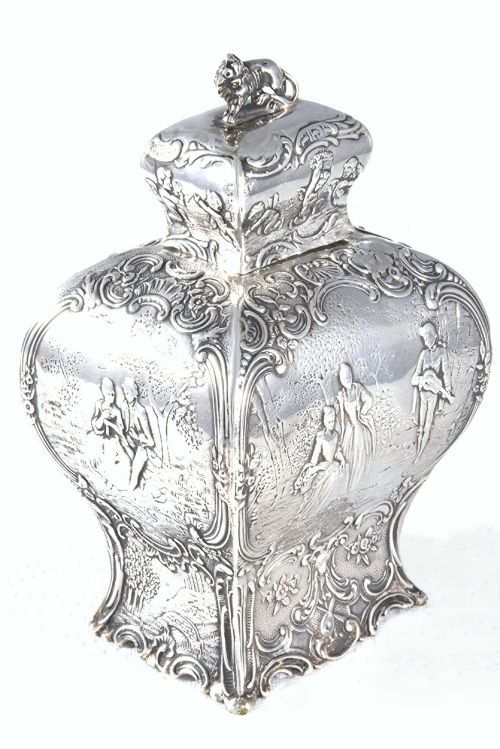
A repousse silver jar comprises lidded vessels and boxes utilised for storing tea, tobacco, trinkets, or cosmetics, often featuring hammered metalwork pushed out from the reverse to create raised relief decoration. These pieces emerge across Victorian, Edwardian, and nineteenth-century periods, hailing from English, continental, Ottoman, and colonial origins.
Anglo-Indian, Art Nouveau, Baroque Revival, and Rococo Revival styles shape the decorative surface schemes, combining floral motifs, foliate scrolls, and figural or folkloric scenes. Each container balances utility with ornate artistry, designed to sit upon dressing tables, tea tables, and sideboards.
How they were made
Silversmiths utilise solid sterling silver, coin silver, and German silver, hammering the sheet metal from the underside to raise the decorative motifs in high or low relief. Artisans then refine the surface details from the front using chasing tools to sharpen lines, add texture, and define contours.
Many examples combine the silver work with other media, pairing the hammered lids and mounts with cut glass, cut crystal, satin glass, oak, or quartz bases. Hallmarks struck into the metal record the assay office, maker, and date of manufacture for English and Scottish pieces.
What varies in quality
The depth, crispness, and complexity of the hammered relief work distinguish superior pieces from simpler utilitarian containers, with finer examples displaying deeply punched and finely chased details rather than shallow pressing. The weight of the solid silver, the integration of makers' marks, and the quality of the companion materials - such as heavy cut crystal or polished oak - further separate standard production from exceptional artistry.
The proportion of the design to the vessel form and the harmony between the repousse lid and its glass or metal body dictate the aesthetic success of the piece. Well-preserved definition across intricate floral or figural panels indicates a higher grade of craftsmanship.
Goldsmiths and Silversmiths Company·A. Bromet and Co·Thomas Hayes
The Repousse Silver Jar Glossary
- Repousse
- A metalworking technique where the artisan hammers and pushes the metal from the reverse side to form a raised design in relief on the front. This method creates tactile, dimensional ornamentation across the surface of boxes and jars.
- Caddy
- A small container or box historically utilised for storing and dispensing loose tea leaves. These vessels frequently feature secure lids and decorative metal or wooden construction.
- Sterling silver
- An alloy comprising ninety-two point five percent silver and seven point five percent other metals, typically copper, chosen for durability and lustre. British pieces often bear distinct hallmarked stamps confirming this standard.
- Chasing
- A finishing technique performed on the front side of metalwork alongside repousse, using small punches to sink the metal and refine the details of the design. It sharpens the edges and adds texture to the raised motifs.
- Old Sheffield plate
- A composite material made by fusing a thin sheet of silver to a thicker copper base, popular before the invention of electroplating. It offers the appearance of solid silver while utilising base metal underneath.
Repousse Silver Jar: Frequently Asked Questions
What were repousse silver jars used for?
These vessels served various domestic purposes, primarily holding loose tea leaves in caddies, or storing tobacco, betel nuts, and small vanity items. Their decorative nature meant they were kept on display in reception rooms and dressing areas.
Over time, many functioned as elegant receptacles for keeping precious trinkets, coins, and vanity accessories secure and out of sight.
How do I identify the period of a silver jar?
English and Scottish pieces typically feature hallmarks that record the assay office, a date letter for the year of manufacture, and the maker's mark. Comparing these stamps against historical records gives a precise date.
Stylistic cues also help, as Art Nouveau pieces display organic whiplash lines from nineteen hundred, while Victorian and Edwardian examples lean toward floral scrolls and revivalist motifs.
Are glass and silver jars original?
Many Edwardian and Victorian vanity jars pair cut glass or satin glass bodies with heavy silver repousse lids designed specifically for them. The mounts and collars secure the lid directly to the glass rim.
Matching hallmarks on the silver top and collar often confirm the original pairing of the components.
How should I care for repousse silver?
Silver requires gentle cleaning with a soft cloth and specialised silver polish to maintain its lustre without flattening the raised repousse details. Avoid harsh abrasive cleaners that can wear away the chasing and delicate relief work.
Storing pieces away from direct humidity helps preserve both the silver surface and any companion materials like oak or glass.