







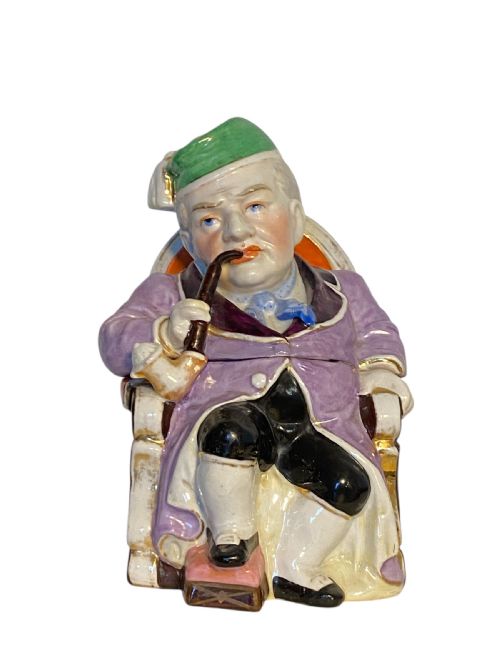

Antique Tobacco Jar
An antique tobacco jar keeps leaf fresh while anchoring a desk or table with period character and tactile weight.
Antique Tobacco Jar
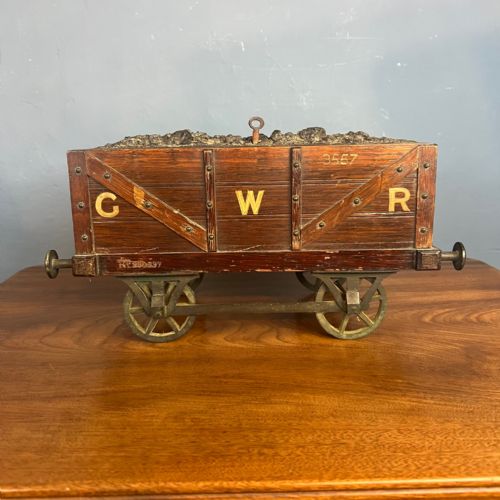
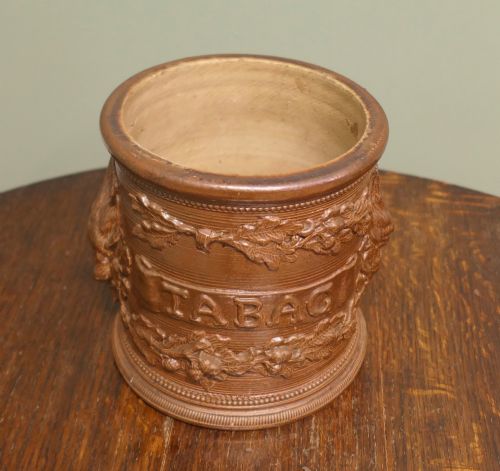
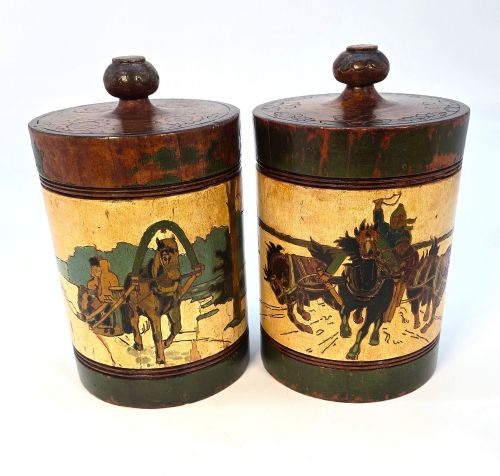
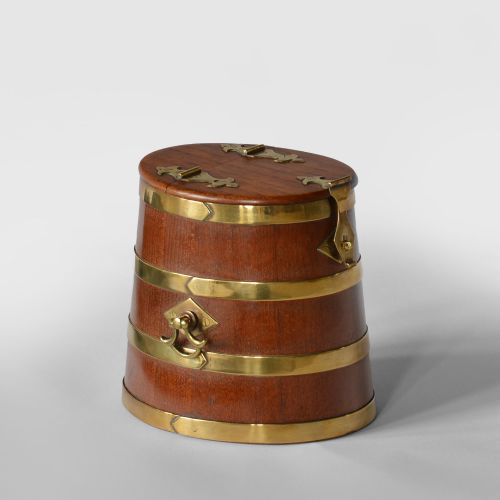
An antique tobacco jar serves as a lidded container designed to store and preserve smoking leaf, frequently appearing as a utilitarian storage barrel, humidor, or figural box. These pieces emerge in domestic spaces from the eighteenth century through the Edwardian era, constructed to keep the contents moist before airtight seals became standard.
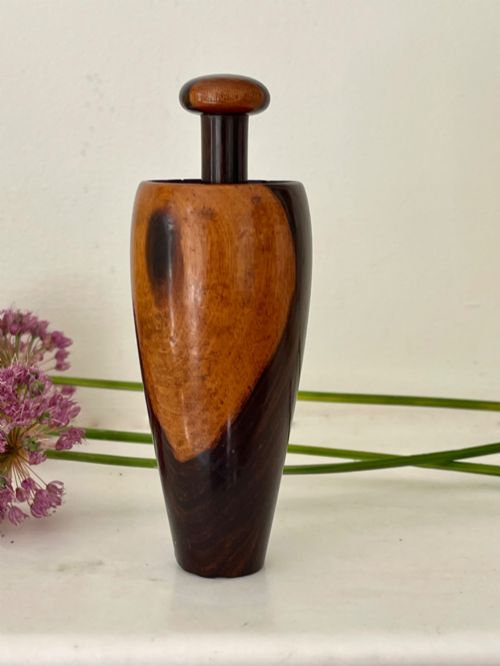
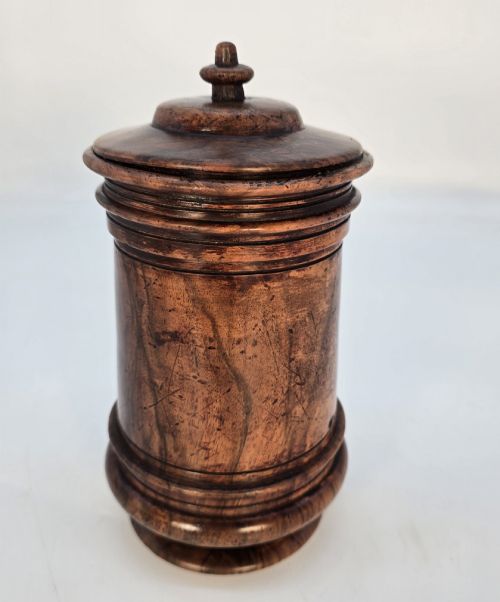
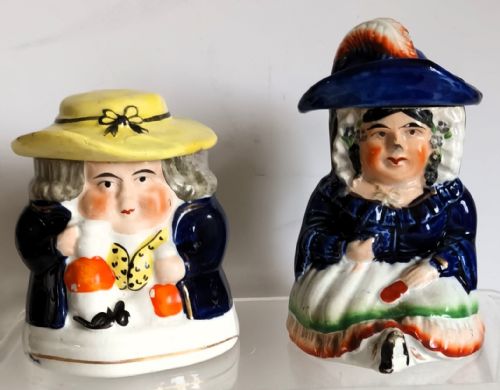
The assortment on this page spans utilitarian treen barrels to figurative sculptures and mounted containers. Buyers most often encounter turned wood vessels alongside ceramic, porcelain, and metal examples from the Victorian and Edwardian periods.
Makers shaped these containers for daily use in studies, smoking rooms, and parlours, pairing practical lids with varied interior presses. The surviving forms reflect diverse regional trades across England, Scotland, and continental Europe.
What varies in quality
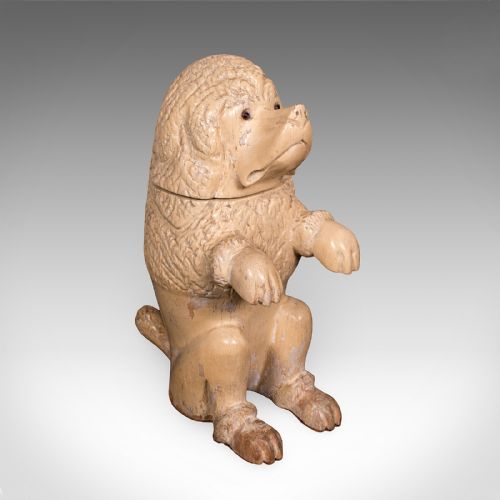
Quality rests in the crispness of the carving, the integrity of the timber or ceramic body, and the presence of original internal components like pressers and lids. Intricately modelled figural subjects, such as animals or human heads with glass eyes, demand higher skill than simple turned barrels.
The selection of dense, richly figured hardwoods like laburnum or multi-wood staving elevates a piece, as does documented regional provenance or intact trade labels. Superior examples retain their original surface patination and tight-fitting covers without excessive replacement parts.
Antique Tobacco Jar Retail Price Guide 2026
Typical asking prices for tobacco jar among the pieces listed under this phrase on Sellingantiques today, from the lower quarter to the upper quarter. They describe what is for sale here now, not the wider market.
Carved wooden monkeys and poodles peer out from historical records as surprisingly fierce guardians of dried leaf.
Royal Doulton·Johann Maresch
The Antique Tobacco Jar Glossary
- Treen
- Small wooden domestic objects created by turners using a lathe or hand-carving tools. These items display the natural grain and age patination of the timber.
- Humidor
- A moisture-controlled storage container designed specifically for tobacco or cigars. They often feature internal linings and tight-fitting lids.
- Presser
- A weighted interior disc or plate placed inside the jar to compress the tobacco leaf. Surviving examples retain this original functional component.
- Staved
- Built from narrow vertical strips of wood bound together with hoops or glue, similar to barrel construction. This technique allowed makers to shape durable cylindrical vessels.
- Bell metal
- An alloy of copper and tin traditionally used for bells, possessing a resonant quality and dark patina. Makers cast durable lidded containers from this material.
Antique Tobacco Jar: Frequently Asked Questions
How do I date an antique tobacco jar?
Dating relies on material clues, manufacturing techniques, and stylistic markers tied to specific periods. Pewter vessels with acorn finials and earthenware pieces often point to the Georgian or early Victorian eras.
Later Edwardian examples frequently combine oak and sterling silver mounts or display distinct figural carvings. Examining the base, interior wear, and construction methods helps confirm the age.
What materials were used for these jars?
Makers utilised a wide variety of materials depending on regional traditions and the intended function. Woodworkers chose fruitwoods, oak, walnut, and laburnum, while potteries produced stoneware, earthenware, Delft, and porcelain.
Metalworkers cast pieces in pewter, bell metal, lead, and brass, occasionally adding glass eyes, paint, and enamel details.
How were tobacco jars used historically?
Owners placed these jars on desks, sideboards, or smoking tables to store loose leaf tobacco for daily use. The heavy lids and interior pressers helped prevent the tobacco from drying out too quickly.
They served as functional furniture accessories in studies and smoking rooms, combining practical storage with decorative presence.