


Solid Silver Gilt Box
A solid silver gilt box holds centuries of small treasures, offering a warm golden interior or exterior finish built to last.
Solid Silver Gilt Box
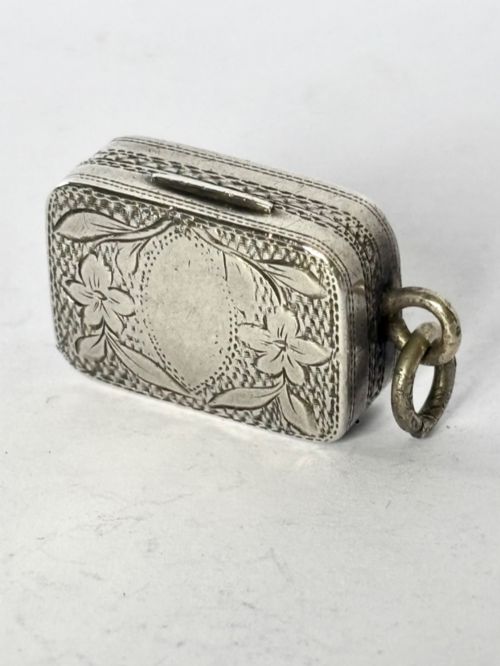
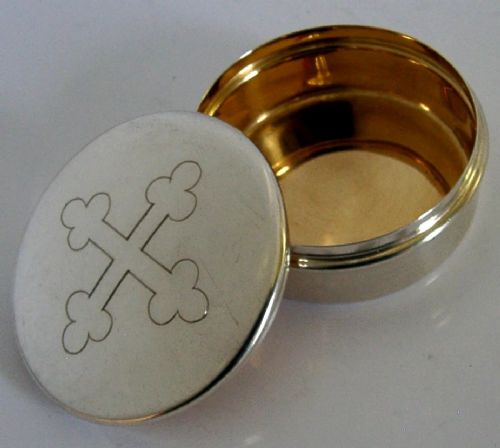
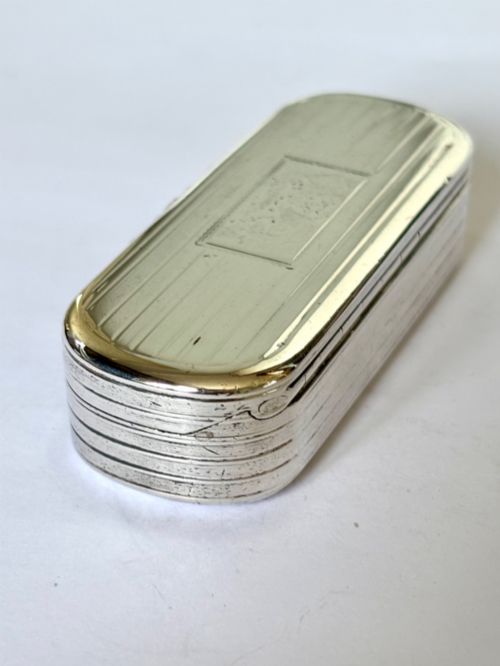
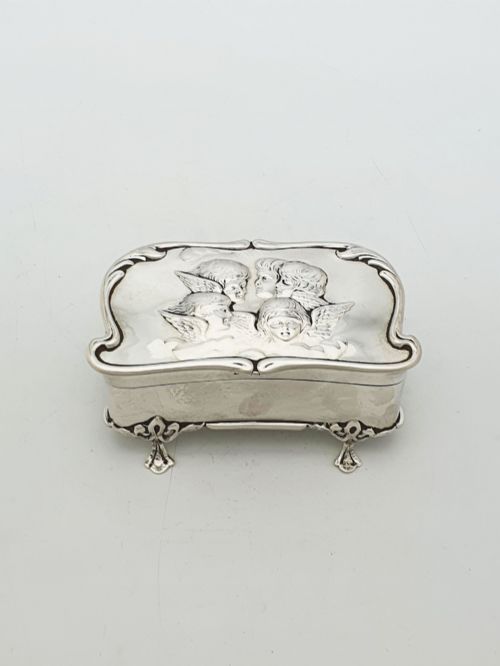
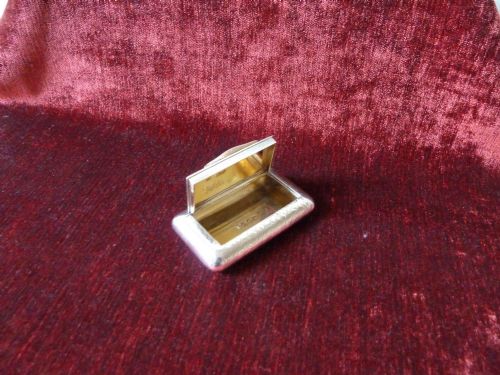
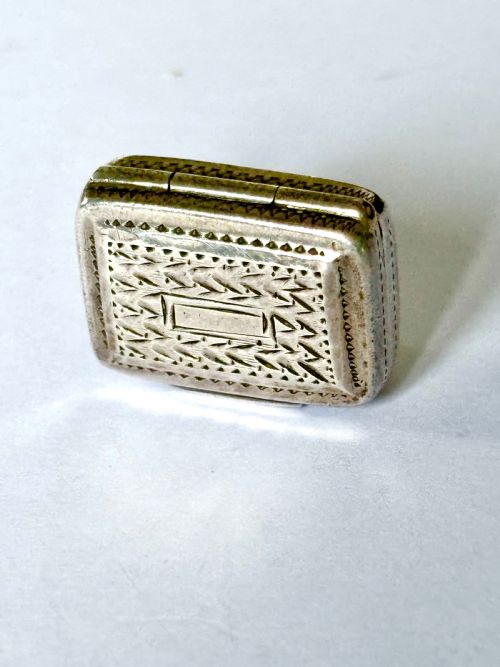
The most common formats met on this page include pocket-sized snuff boxes and detailed vinaigrettes, alongside occasional larger table boxes, pyx wafer boxes, and cylindrical etuis. Many examples feature interior gilding paired with sterling or solid silver bodies, while others present an entirely gilt exterior.
Makers utilised these small receptacles for tobacco, aromatic vinegars, pills, and personal trinkets, reflecting the social habits of their respective periods. Surviving specimens range from plain domestic pieces to highly decorated containers bearing narrative scenes and floral motifs.
How they were made
Silversmiths constructed the foundational body of each solid silver gilt box using sterling or standard silver, shaping panels through hammering, casting, and soldering. Artisans applied decorative surface work such as engine turning, guilloche designs, and cast acanthus borders directly onto the metal exterior.
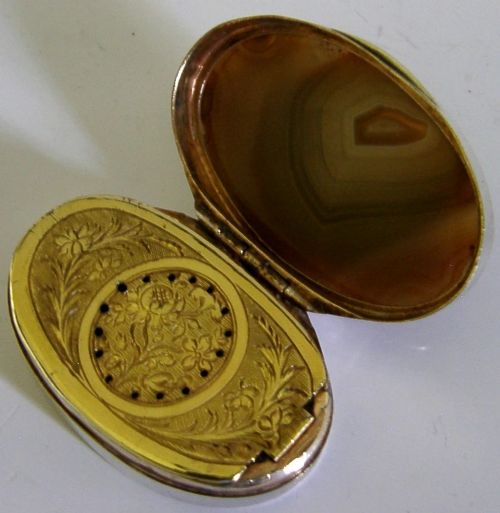
Gilding was achieved through fire gilding or vermeil techniques, bonding a layer of gold to the silver substrate to create a rich, durable golden finish. Interior surfaces often received this gilt wash to protect the silver from corrosive contents like snuff or vinegar.
Listings feature items from the eighteenth, nineteenth, and twentieth centuries, spanning Georgian, Victorian, and Art Deco design periods.
What varies in quality
The degree of hand-finishing and the complexity of decorative work separate standard production from exceptional specimens. Crispness in cast borders, depth in engine-turned guilloche patterns, and the definition within pictorial scenes carved or stamped onto the lid distinguish superior examples.
The integration of contrasting materials, such as inset rock crystal, agate, or niello work, alters the character and perceived quality of a piece. Heavier gauge silver construction and fully preserved original gilding indicate higher workshop standards during production.
SAMUEL PEMBERTON·ROBERT THORNTON·JOHN BETTRIDGE·EDWARD EDWARDS·WILLIAM SIMPSON·ARCHIBALD DOUGLAS·CHARLES RAWLINGS·WILLIAM SUMMERS·EDWARD SMITH·HENRY DUMENIL·GEORGE WILKINSON·EDWARD HOLLINS·CARRINGTON AND CO
The Solid Silver Gilt Box Glossary
- Silver-gilt
- Sterling or solid silver that has been coated with a thin layer of gold, providing a warm golden surface while retaining a silver core. This technique protects the interior metal from acidic contents.
- Vinaigrette
- A small ornamental box containing a perforated inner grille, designed to hold a sponge soaked in aromatic vinegar. Victorians and Georgians carried these to ward off unpleasant odours.
- Guilloche
- A decorative technique where a mechanical lathe engraves precise, intricate geometric patterns into a metal surface. It appears frequently on nineteenth-century boxes.
- Pyx
- A small round container used in religious contexts to carry consecrated wafers. Examples are occasionally rendered in solid silver with gilt interiors.
- Thumbpiece
- A small projection on the rim or lid of a box designed to assist with opening. They are often cast in floral or scroll shapes.
Solid Silver Gilt Box: Frequently Asked Questions
How were vinaigrettes used?
Vinaigrettes served as personal deodorisers in eras when street odours were challenging. Owners placed a vinegar-soaked sponge beneath a pierced internal grille.
Opening the lid released the scent while keeping the vinegar contained within the silver gilt body.
How do I date a silver gilt box?
Dating relies primarily on hallmarks stamped into the metal, which indicate the assay office, the year of production, and the maker's mark. Stylistic clues like Rococo motifs or engine-turned patterns also help assign pieces to specific eras.
Comparison with archive records provides further context for Georgian and Victorian specimens.
Are these boxes made of solid gold?
No, the primary metal is solid silver, which is then coated with gold through gilding or vermeil methods. This combination provided the strength of silver with the appearance of gold.
Interior surfaces frequently retain this gold wash even when the exterior shows handling wear.