



1909 Silver Hallmark
These pieces bearing a 1909 silver hallmark are Edwardian tablewares, trinkets, and personal accessories crafted in sterling silver that collectors prize for their precise assay office stamps and period character.
1909 Silver Hallmark
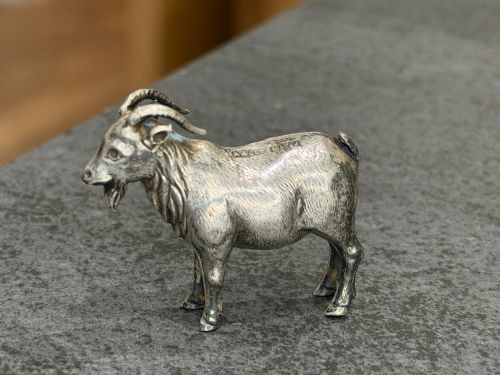
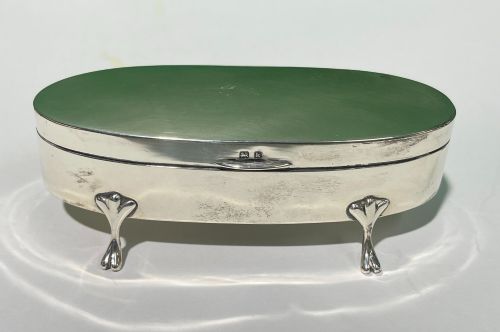
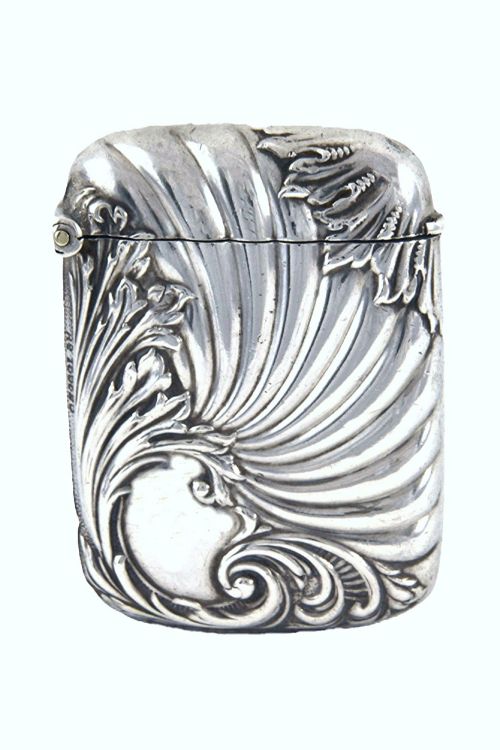
When you search for a 1909 silver hallmark, you are looking at Edwardian objects spanning practical desk accessories, dining pieces, and personal items like vesta cases and pin cushions. The selection here brings together items stamped in that single year, showing the range of domestic silver production during the reign of Edward VII.
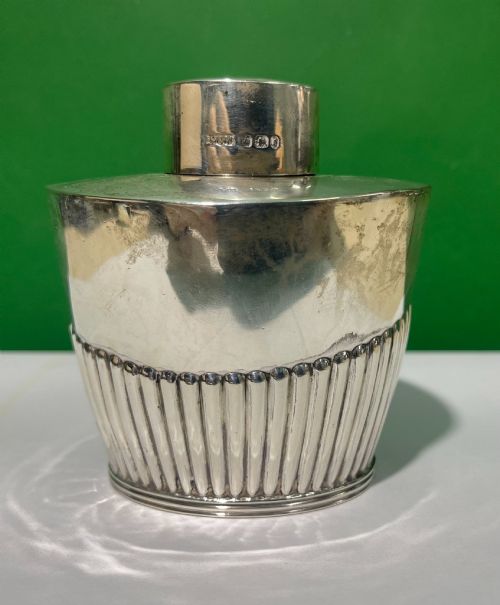
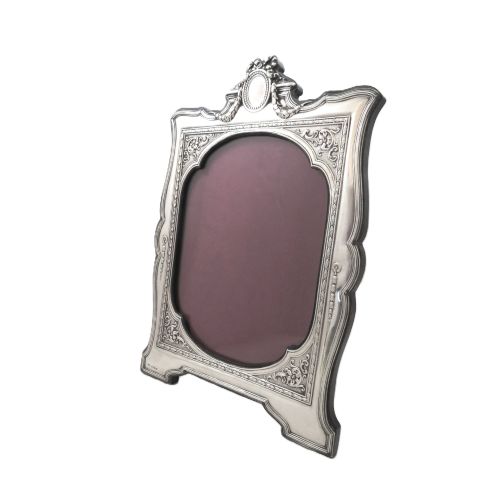
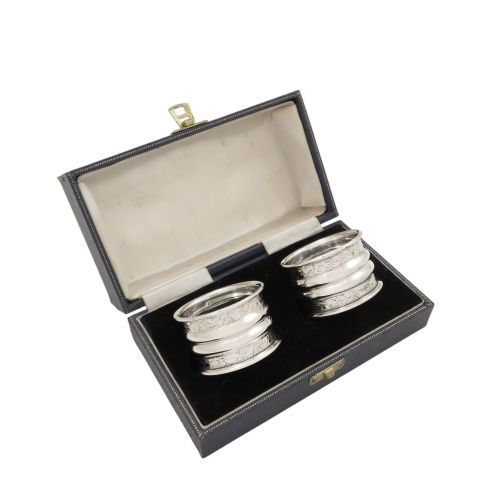
The versions you are most likely to meet on this page include sterling silver photo frames, napkin rings, and novelty pin cushions shaped as animals such as pigs and chicks. Alongside these smaller items sit functional tablewares including sugar casters, silver jars, and crystal desktop inkwells with silver lids.
Every piece from this year carries the physical proof of its testing date through official assay marks applied by British offices such as Birmingham and Sheffield. These stamps establish the exact year of manufacture and connect the object directly to the Edwardian period.
What varies in quality
Quality in these pieces rests upon the crispness of the original chasing, the weight of the sterling silver used in the body, and the preservation of any supplementary materials like cut crystal and crocodile leather. Pieces that retain sharp detail in figural novelty items or crisp facets on crystal inkwells stand apart from heavily worn examples.
The clarity and completeness of the individual punch marks within the hallmark grouping also influence the piece, as legible stamps confirm the identity of the silversmith and the assay office without ambiguity.
1909 Silver Hallmark Retail Price Guide 2026
Typical asking prices for 1909 silver hallmark among the pieces listed under this phrase on Sellingantiques today, from the lower quarter to the upper quarter. They describe what is for sale here now, not the wider market.
An Edwardian silversmith once decided that holding sewing pins required a solid silver pig.
Mappin & Webb·James Dixon
The 1909 Silver Hallmark Glossary
- Hallmark
- Official marks stamped on precious metals to guarantee purity and origin. These stamps typically include the maker's mark, standard mark, assay office mark, and date letter.
- Vesta case
- A small pocket container designed to hold matches and keep them dry. Edwardian examples often feature hinged lids and spring-loaded mechanisms.
- Pin cushion
- A small decorative object stuffed to hold sewing pins. Novelty versions shaped as animals like pigs and birds are particularly sought after by collectors.
- Sugar caster
- A perforated vessel used for dusting sugar over food. These standing pieces often feature pierced tops and weighted bases.
- Assay office
- An official body that tests the purity of precious metals and applies hallmark stamps. Offices in Birmingham and Sheffield feature prominently on pieces from this era.
1909 Silver Hallmark: Frequently Asked Questions
How do I read a 1909 silver hallmark?
A 1909 hallmark typically consists of a series of small stamped punches showing the maker's initials, a lion passant indicating sterling standard, an assay office symbol, and a specific date letter corresponding to that year. Each mark provides a piece of the object's documentary history.
Reading these stamps requires good light and often a magnifier to distinguish the exact shape of the shield and letter. Comparing the marks against standard assay tables confirms the year of testing.
What items were made in sterling silver in 1909?
Edwardian silversmiths produced a wide array of domestic and personal items, ranging from large twelve-inch photo frames and desktop inkwells to small novelty pin cushions and napkin rings. Practical accessories like vesta cases and hip flasks were also common.
These objects served both decorative and functional roles in Edwardian households and personal routines, reflecting the high volume of domestic metalwork production at the time.
How should I clean silver from 1909?
Cleaning antique silver requires a gentle approach to preserve the softer details of the metal and any secondary materials like velvet or glass inserts. Using a mild, non-abrasive polish with a soft cloth removes tarnish without scrubbing away the underlying hallmarks.
Harsh chemical dips should be avoided, especially on fitted pieces or items with organic components like crocodile leather and fabric cushions, which can be easily damaged by excess moisture.
Are animal pin cushions from 1909 rare?
Novelty pin cushions shaped as animals, such as pigs and birds, were produced in moderate quantities during the Edwardian period. Their survival depends heavily on the condition of the original fabric cushion insert and the crispness of the silver casting.
Because these whimsical pieces were used daily in sewing rooms, finding them with clear hallmarks and intact stuffing adds to their appeal for specialist collectors.