

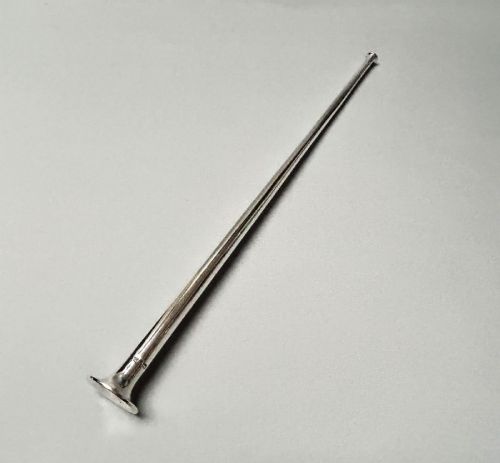


Victorian Candle Snuffer
A victorian candle snuffer is a practical domestic accessory designed to extinguish flames cleanly, offering both utility and period charm for the collector.
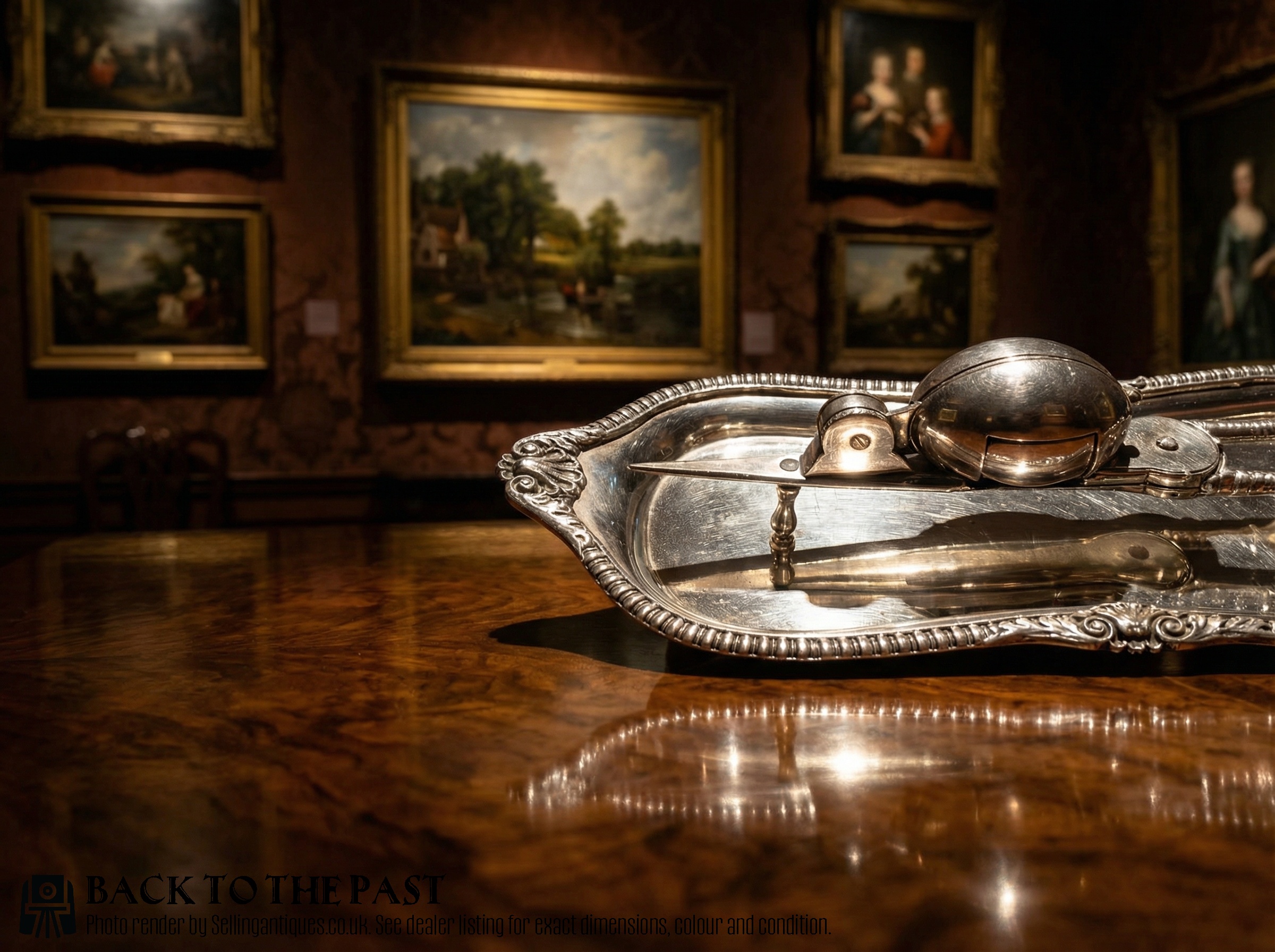
Victorian Candle Snuffer
When you search for a victorian candle snuffer, you encounter a variety of forms including handled scissors, tray sets, and figural porcelain extinguishers. These pieces reflect the daily domestic lighting needs of the nineteenth century, ranging from simple brass to elaborate silver creations.
The versions most commonly met on this page include sterling silver chambersticks with matching extinguishers, silver plated sets, and porcelain character snuffers produced around the turn of the century. They span early Victorian examples through to Edwardian and later interpretations.
How They Were Made
Makers utilised sterling silver and silver plate alongside porcelain, shaping metal through casting, chasing, and smithing techniques. Porcelain extinguishers feature hand-painted enamel decoration, gilding, and gold leaf applied over a fine glaze.
Organic materials such as baleen occasionally appear on handles, providing a flexible grip for metal scissor mechanisms. Chambersticks incorporate applied crests and naturalistic cast elements like foliage to frame the snuffer itself.
Victorian Candle Snuffer Retail Price Guide 2026
Typical asking prices for victorian candle snuffer among the pieces listed under this phrase on Sellingantiques today, from the lower quarter to the upper quarter. They describe what is for sale here now, not the wider market.
Some Victorian households extinguished their candles using small porcelain characters with very stern expressions.
What Varies in Quality
Quality rests upon the crispness of the casting and the preservation of hand-applied details such as enamel painting and gilding. Finer silver examples display clear hallmarks and balanced proportions, while porcelain pieces rely on the clarity of the moulding and the delicacy of the facial expressions.
Wear patterns indicate genuine period use, but the integrity of moving scissor joints or the completeness of fitted trays heavily influence the desirability of a piece. Maker marks, particularly on porcelain and silver, separate standard production items from more distinguished workshops.
Royal Worcester
The Victorian Candle Snuffer Glossary
- Chamberstick
- A short candlestick fitted with a wide drip pan and a handle, designed to be carried through a house. These frequently include a matching snuffer resting in a dedicated clip or tray.
- Baleen
- A flexible keratin substance taken from the mouths of baleen whales, utilised historically for handles on silver snuffers to prevent heat transfer.
- Extinguisher
- A specific type of snuffer shaped as a small cone or a figural character, designed to place directly over a candlewick to smother the flame without smoke.
- Hallmark
- An official stamp applied to precious metals indicating the standard of purity, the assay office, and the date of manufacture. These markings provide secure dating for silver pieces.
Victorian Candle Snuffer: Frequently Asked Questions
How do you use a candle snuffer?
A candle snuffer places a small metal cone or cap directly over the burning wick to cut off the oxygen supply. This extinguishes the flame cleanly without blowing hot wax or creating smoke.
Scissors-style snuffers use two small blades to pinch the wick gently. They were historically used to trim the charred wick before extinguishing the light.
What is a chamberstick?
A chamberstick is a portable candlestick featuring a wide saucer base to catch melting wax. The saucer protects the hand and holds a small socket for the candle.
Many Victorian examples include a small vertical clip on the tray to hold a candle snuffer securely while moving through a dark house.
Are porcelain snuffers fragile?
Porcelain snuffers require careful handling because the ceramic body and painted glaze can chip upon impact. They were primarily decorative items made to sit on a mantelpiece or dressing table.
Metal snuffers made of sterling silver or silver plate offer much greater durability for regular household use.
How do I date a silver snuffer?
Silver snuffers usually carry hallmarks stamped directly onto the metal surface. These stamps reveal the assay office, the silver standard, and a date letter corresponding to the exact year of production.
Pieces without hallmarks rely on stylistic evidence such as naturalistic Victorian decoration or early Victorian manufacturing techniques to narrow down the decade.