

Antique Earthenware Pot
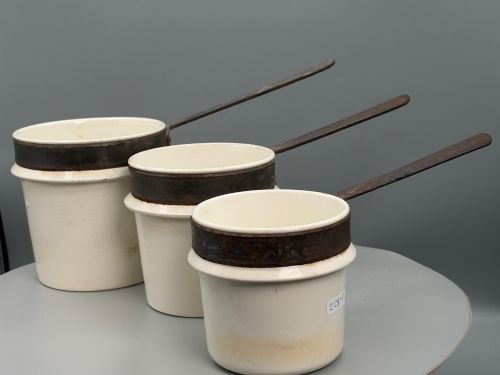
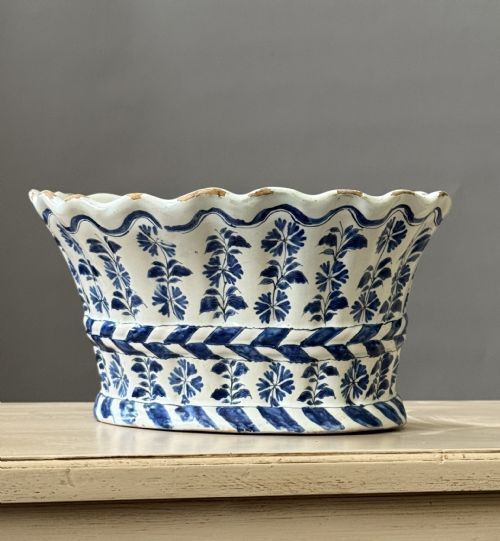
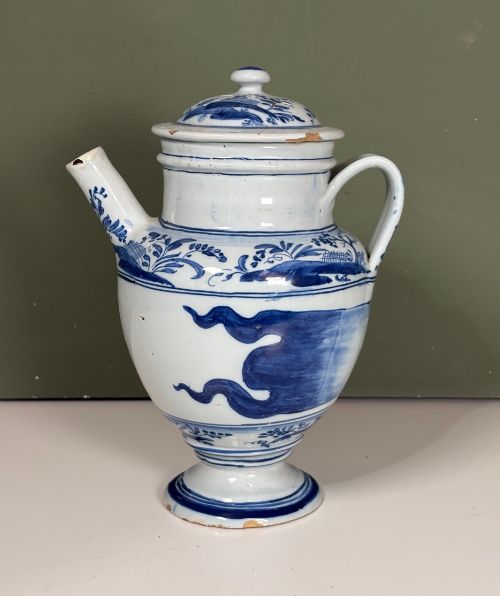
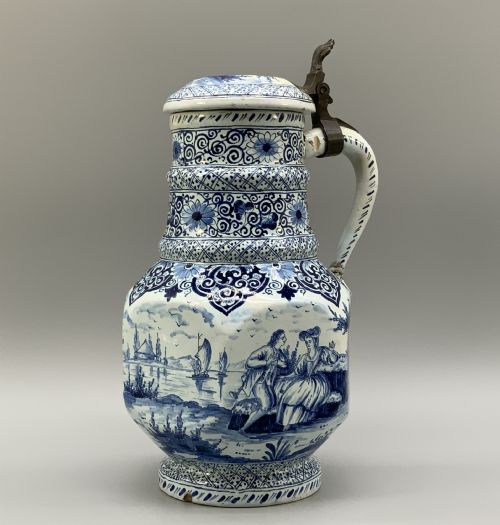
An antique earthenware pot brings utilitarian charm and history to a room, appearing in forms from French confit jars to Dutch delft vessels.
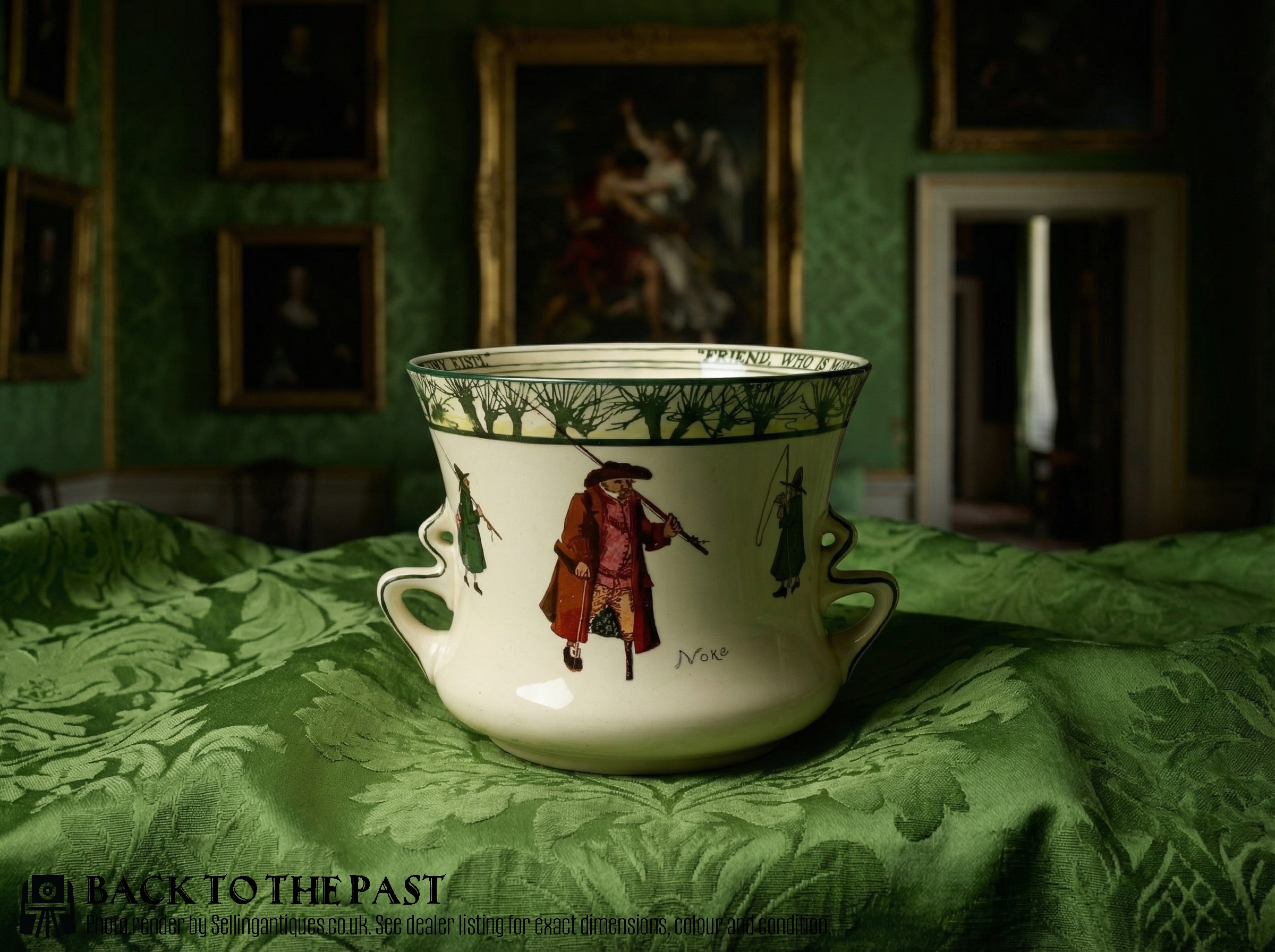
Antique Earthenware Pot
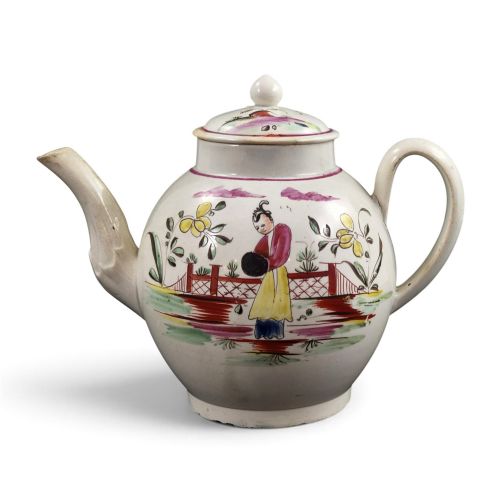
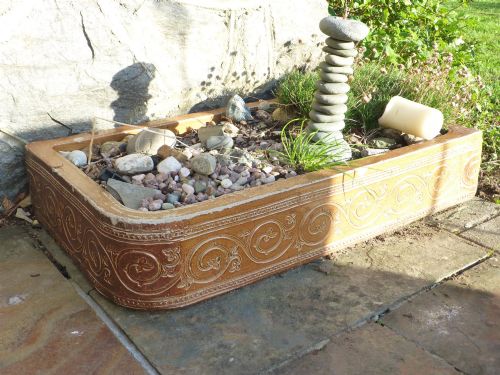
When you search for an antique earthenware pot, you encounter a diverse group of ceramic vessels spanning multiple centuries and origins. The selection ranges from utilitarian dairy crocks and olive oil jars to decorative garden urns, teapots, and apothecary jars.
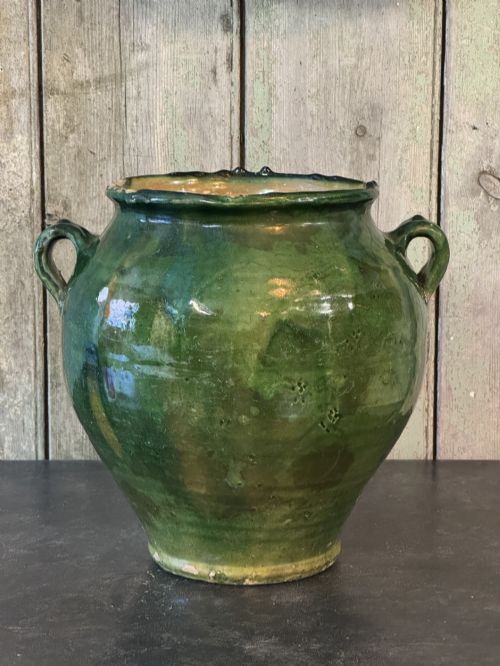
The most common versions met on this page include 18th-century Dutch and English delftware alongside 19th-century French glazed confit pots and terracotta planters. These domestic and garden containers reflect the everyday needs of past households.
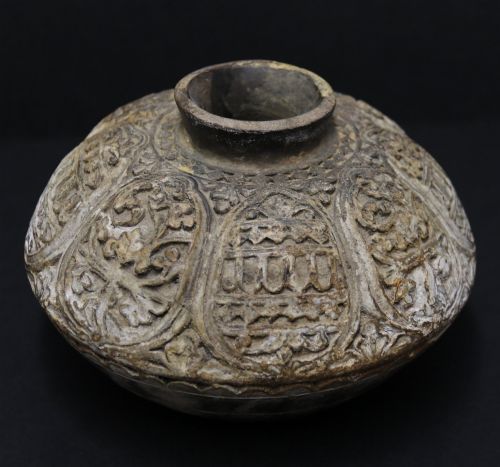
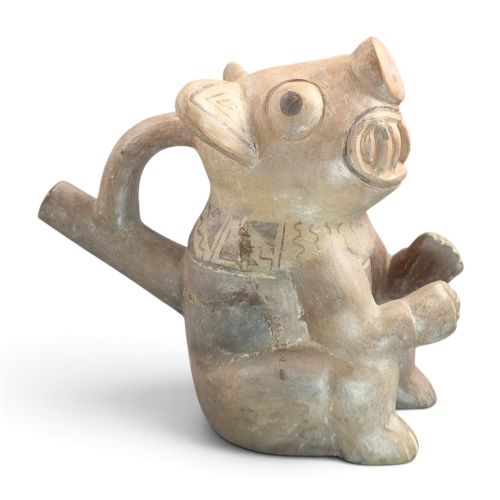
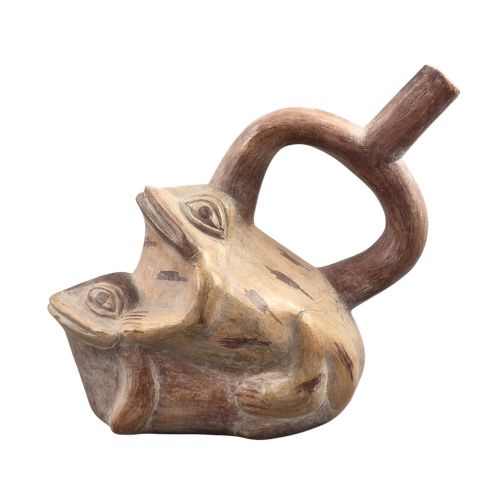
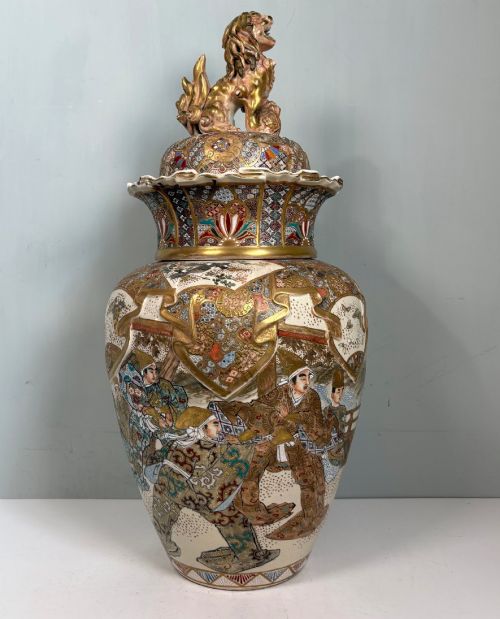
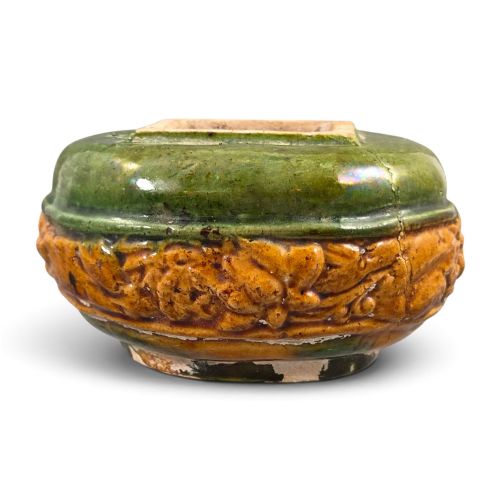
Beyond European domestic wares, the material encompasses ancient pre-Columbian ornithomorphic vessels, Asian ceramic waterpots, and Japanese Satsuma wares. Each piece demonstrates how functional clay bodies transformed into enduring objects across global traditions.
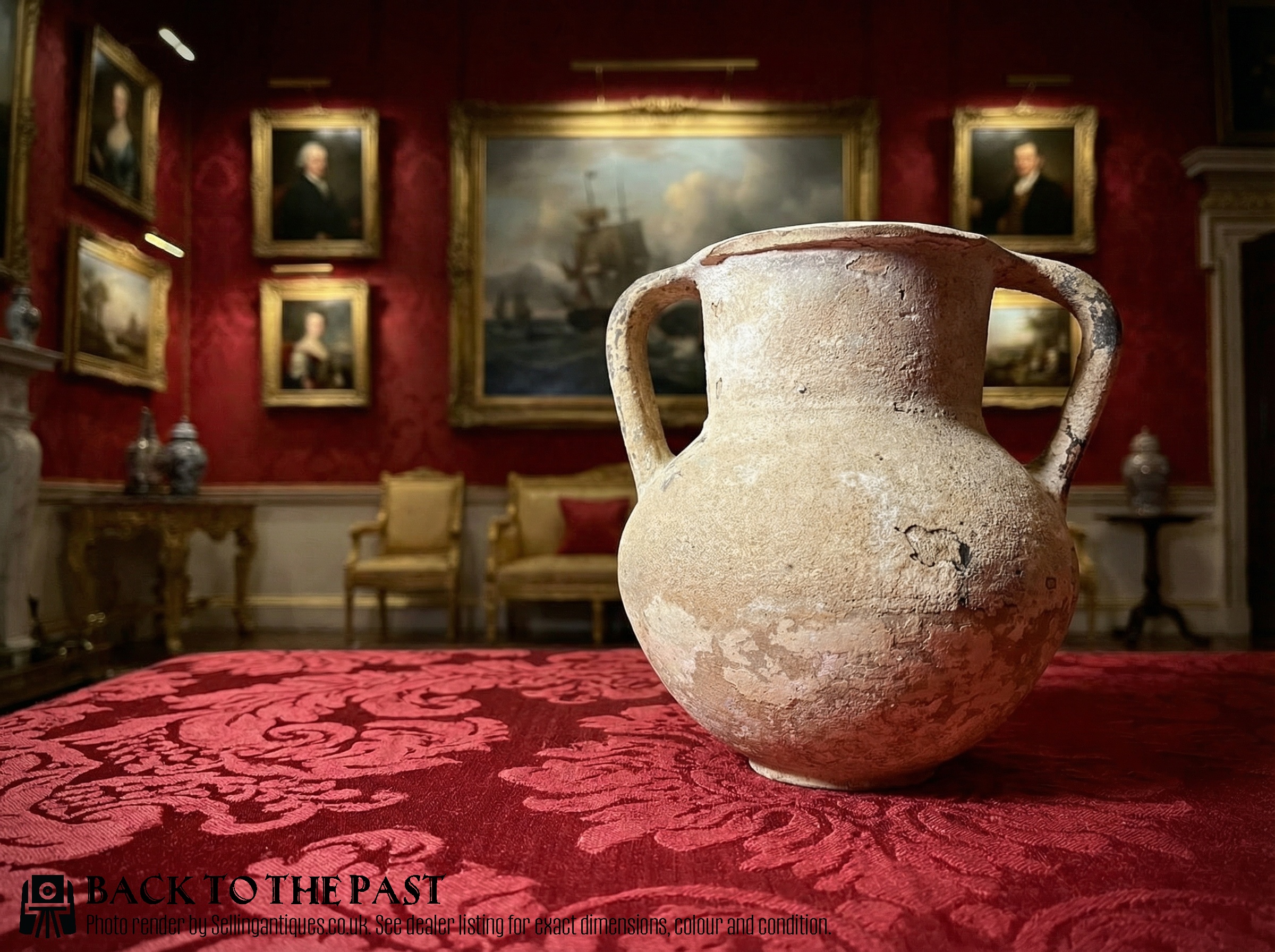
How they were made
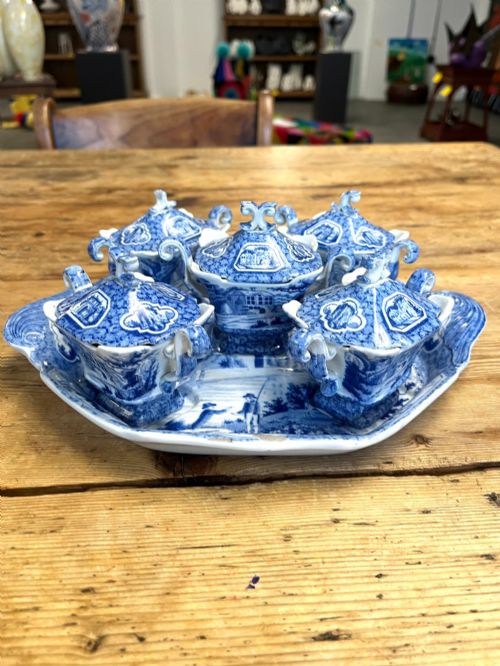
Potters shaped porous earthenware and terracotta bodies on the wheel or by hand before applying tin glazes, enamel, or salt glazing. These surface treatments sealed the porous clay while providing a canvas for blue and white transfer printing or hand-painted botanical and figurative motifs.
Firing techniques in regional kilns produced distinct body colours and glaze behaviours, from the characteristic dribble glazes on French planters to the glossy majolica finishes of the Victorian period. The interaction between raw clay and liquid minerals dictated the final texture of each vessel.
Antique Earthenware Pot Retail Price Guide 2026
Typical asking prices for earthenware pot among the pieces listed under this phrase on Sellingantiques today, from the lower quarter to the upper quarter. They describe what is for sale here now, not the wider market.
Materials featured across the inventory include earthenware, salt glaze, tin glaze, terracotta, enamel, and ceramic bodies.
What varies in quality
The standard of an antique earthenware pot rests upon the crispness of its hand-painted decoration and the harmonious application of its glaze. Finely potted walls and well-balanced forms distinguish master potteries from standard utilitarian production.
Historical significance and factory attribution elevate certain vessels, particularly marked pharmaceutical jars, early delftware, and signed studio pottery. Preservation of the original glaze surface without extensive modern restoration remains central to the standing of any piece.
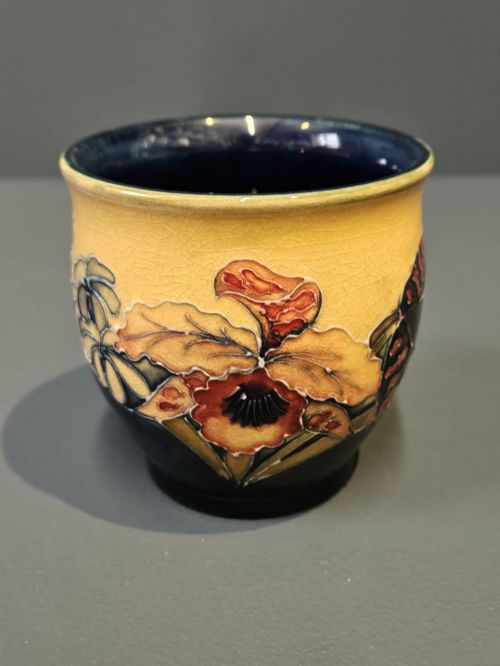
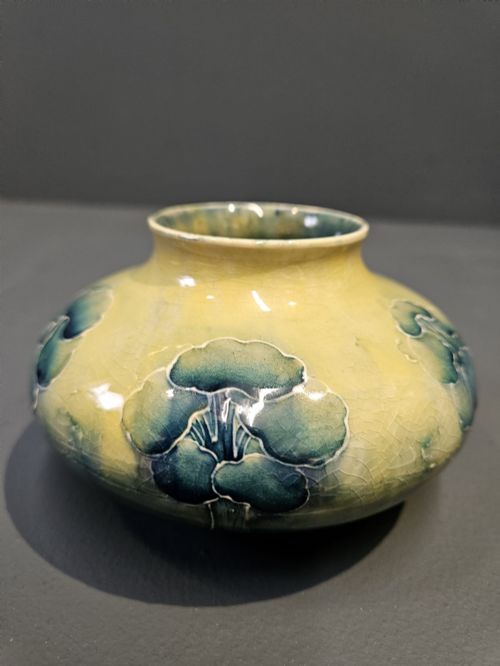
Moorcroft·Burmantoft's Pottery·Mintons·Doulton Burslem·Doulton Lambeth
The Antique Earthenware Pot Glossary
- Delftware
- Tin-glazed earthenware produced in the Netherlands and England, typically decorated in blue and white. It often mimics Chinese porcelain styles from the seventeenth and eighteenth centuries.
- Confit Pot
- A French glazed earthenware jar traditionally used for preserving meat and storing fats. These utilitarian pots feature partial or full green and yellow lead glazes.
- Majolica
- A type of earthenware coated with an opaque tin enamel and painted with brightly coloured metallic oxide glazes. This technique gained immense popularity during the Victorian era.
- Posset Pot
- A multi-handled ceramic vessel used for serving a traditional hot drink made of curdled milk mixed with wine or ale. They frequently date to the seventeenth and eighteenth centuries.
- Terracotta
- Unglazed or glazed fired clay containing high iron content, resulting in a brownish-red colour. It serves widely for garden planters, amphorae, and ancient vessels.
Antique Earthenware Pot: Frequently Asked Questions
How do I identify delftware?
Delftware typically presents a chalky white tin glaze painted with cobalt blue botanical, architectural, or figurative scenes. The exposed base often reveals a porous buff or pinkish earthenware body.
Early pieces from English and Dutch potteries may show crazing or minor glaze flakes along the rims. This wear exposes the soft clay underneath, which helps confirm the age of the pottery.
Are earthenware pots waterproof?
Traditional earthenware possesses a porous clay body that allows moisture to pass through slowly unless heavily glazed. Historical pots used for liquids, such as oil jugs and drug jars, relied on thick interior tin or salt glazes to remain watertight.
Unglazed terracotta pots will absorb water and can crack if exposed to freezing outdoor temperatures. Using a protective liner inside historical vessels prevents moisture damage to both the pot and household surfaces.
What is an apothecary jar?
Apothecary jars served as ceramic storage containers for dried herbs, medicinal compounds, and liquid syrups in historical pharmacies. They often feature painted Latin inscriptions or abbreviated drug names on the front.
These pieces reflect the intersection of medical history and decorative ceramics from the eighteenth century and earlier. Their distinctive labels and blue-and-white motifs make them striking display objects for collectors.