




Ancient Pottery Vessel
An ancient pottery vessel carries millennia of human history in its clay, offering a tangible link to early civilisations across the globe.
Ancient Pottery Vessel
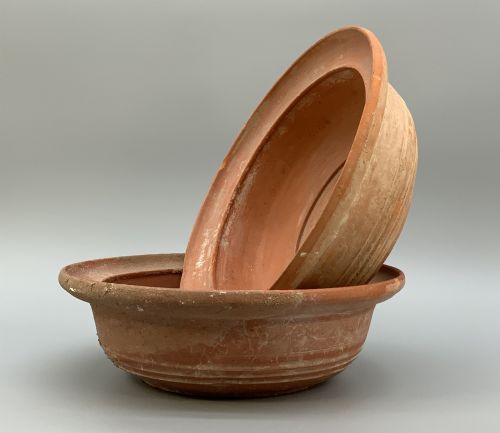
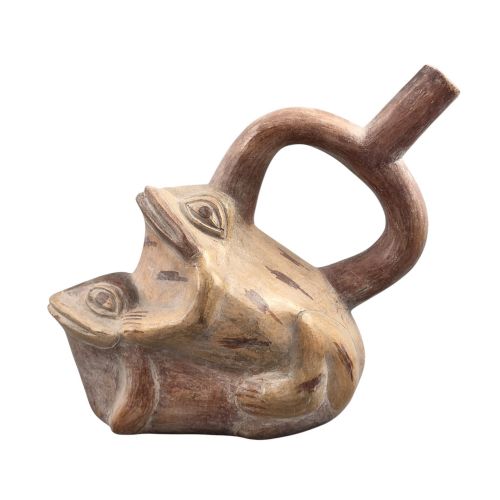
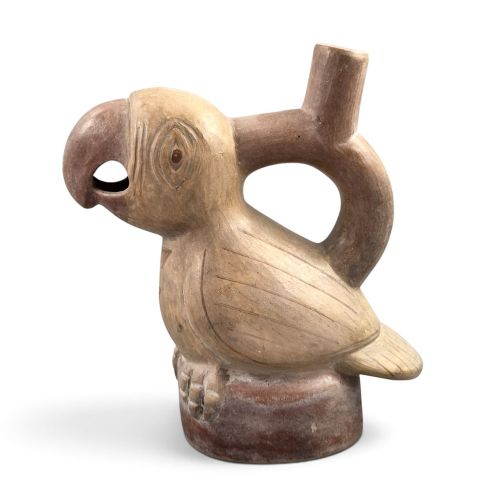
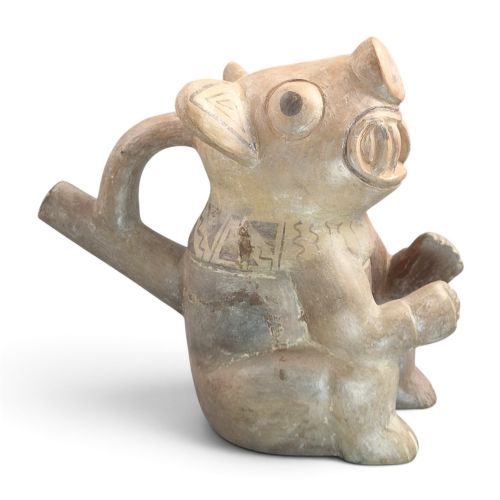
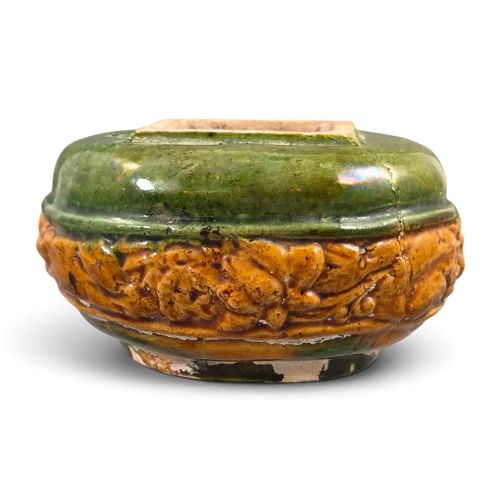
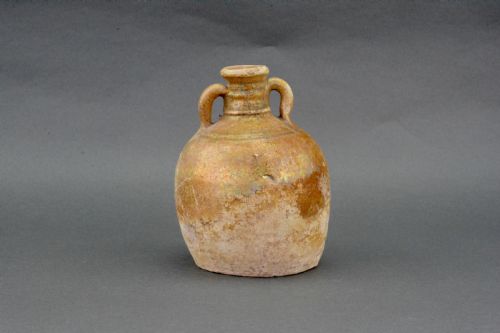
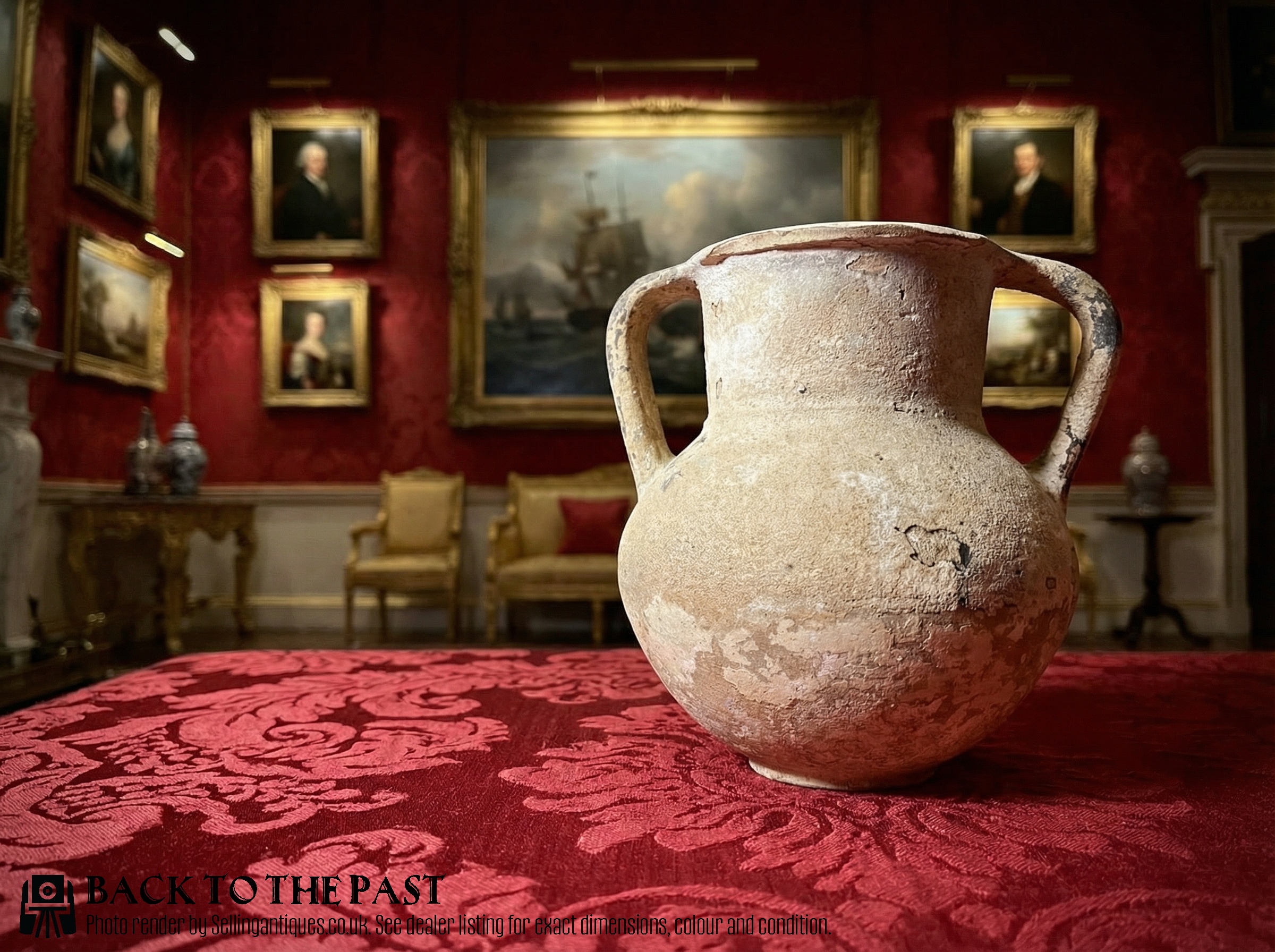
When you search for an ancient pottery vessel, you encounter objects spanning pre-history up to the Ming Dynasty, originating from diverse global cultures. The most common forms on this page include decorative bowls, waterpots, and figural vessels from Chinese dynasties and Pre-Columbian traditions.
These artefacts range from utilitarian water vessels to ritual objects, featuring zoomorphic shapes and slip-painted bowls. Each piece demonstrates the primary functional and artistic domestic needs of early societies.
How they were made
Potters shaped these vessels from raw clay and terracotta, often applying mineral pigments, lead glaze, or slip for surface decoration. Firing techniques varied widely across the Han, Tang, and Islamic traditions, determining the durability and colour of the finished ceramic.
Specialised decorative methods such as lustre painting and fritware creation allowed early artisans to achieve intricate designs and distinct surface sheens. These methods required precise kiln control to achieve the enduring finishes seen today.
Ancient Pottery Vessel Retail Price Guide 2026
Typical asking prices for ancient pottery vessel among the pieces listed under this phrase on Sellingantiques today, from the lower quarter to the upper quarter. They describe what is for sale here now, not the wider market.
Some ancient potters immortalised chatty frogs and leaping riders in clay, ensuring their amusing wildlife encounters survived two millennia.
What varies in quality
The sophistication of the form and the preservation of surface pigment or glaze distinguish standard domestic pottery from exceptional examples. Figurative details, such as those on zoomorphic vessels or painted bowls, dictate the artistic merit of the piece.
The stability of the terracotta and the intact nature of delicate additions, such as spouts or handles, influence the overall integrity of the artefact. Original surfaces untouched by modern restoration command greater appreciation from collectors.
The Ancient Pottery Vessel Glossary
- Terracotta
- Unglazed, brownish-red fired clay used extensively for early sculptures and vessels. It provides a porous structure typical of antiquity.
- Slip
- A liquid mixture of clay and water applied to pottery before firing to smooth the surface or add colour. It forms the base for intricate painted designs.
- Fritware
- A type of pottery developed in the Near East incorporating ground quartz or glass to improve whiteness and strength. It allowed for finer detail in early Islamic vessels.
- Glaze
- A vitreous coating fused to ceramic pottery through firing to render items impervious to liquids. Lead glazes provided early green and yellow finishes.
- Double-Gourd Vase
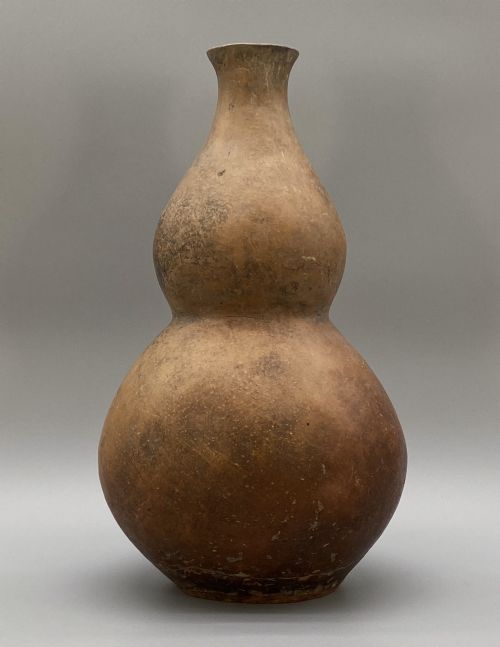
- A vessel shape featuring two bulbous spheres stacked vertically, associated with Neolithic Chinese culture. This form held both symbolic and practical utility.
Ancient Pottery Vessel: Frequently Asked Questions
How old is an ancient pottery vessel typically?
These artefacts frequently date from pre-historic periods through to the medieval era, spanning multiple millennia.
Specific pieces on this page originate from the Neolithic era, Chinese dynastic periods, and early Islamic civilisations.
How were ancient vessels used daily?
Many served practical functions such as storing water, holding wine, or containing scholar's ink and water.
Others held ritual significance, functioning as grave goods or symbolic figures representing animals and deities.
How do I care for ancient terracotta?
Keep these fragile ceramics away from direct sunlight, high humidity, and sudden temperature fluctuations.
Display them on stable surfaces without harsh chemical cleaners, dusting them gently with a dry, soft brush.
Can I date a vessel by its glaze?
Glaze formulations and colours often reflect specific regional techniques tied to distinct historical centuries.
For instance, turquoise glazes and lustre applications point towards specific medieval Persian ceramic traditions.