

Earthenware Pottery Bowl
An earthenware pottery bowl brings tactile depth and centuries of domestic craft directly to a tabletop.
Earthenware Pottery Bowl
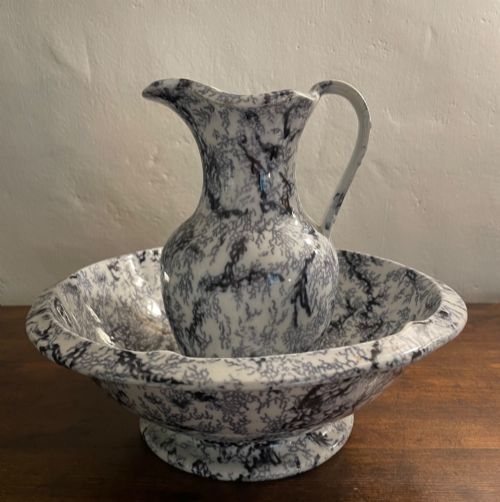
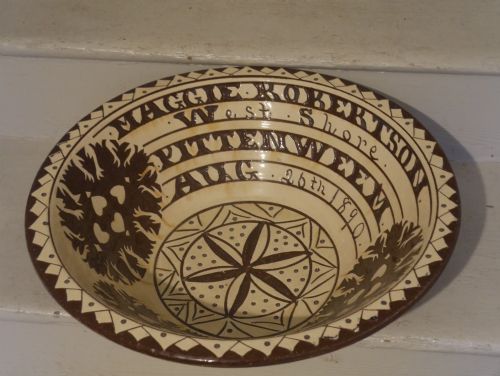
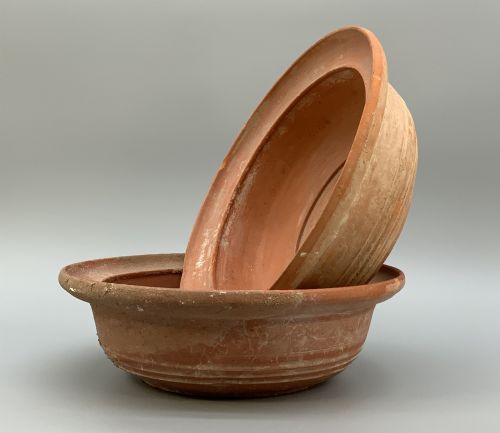
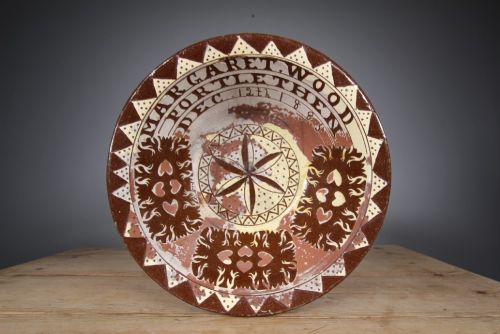
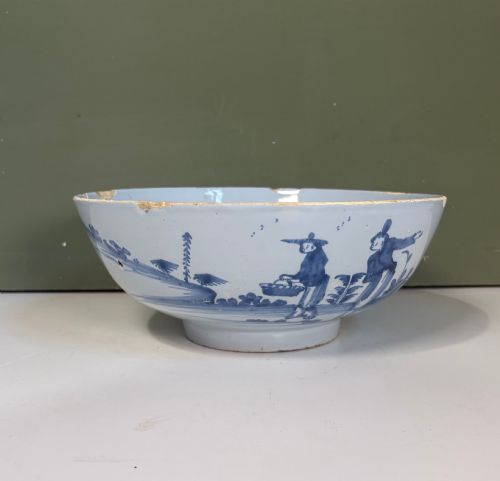
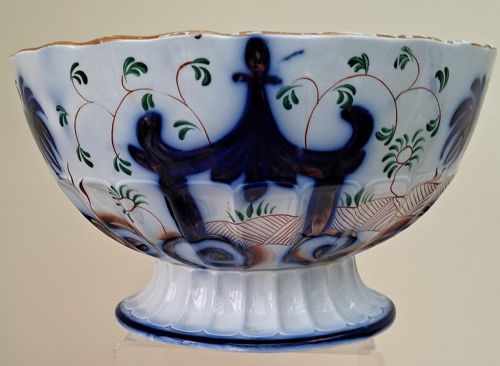
When you search for an earthenware pottery bowl, you encounter functional vessels spanning centuries of British, European, and Asian ceramic production. The selection ranges from robust dairy and slipware vessels originating in Scottish potteries to refined creamware and transfer-printed tableware from Georgian and Victorian makers.
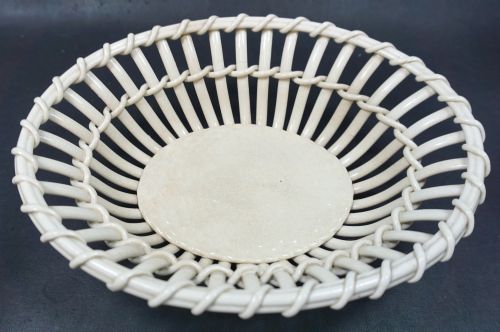
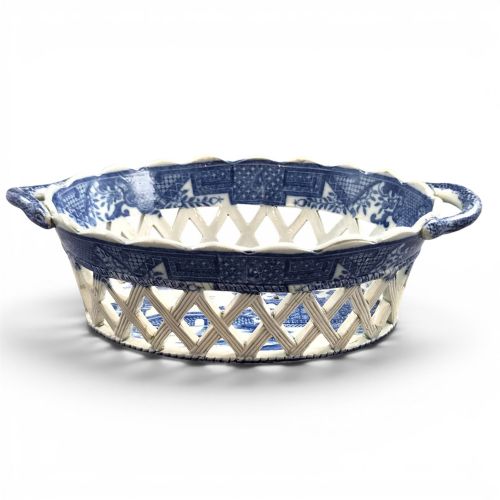
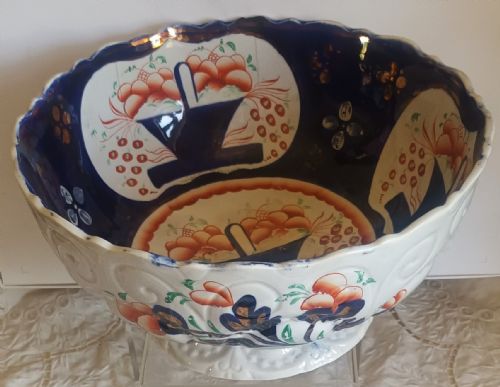
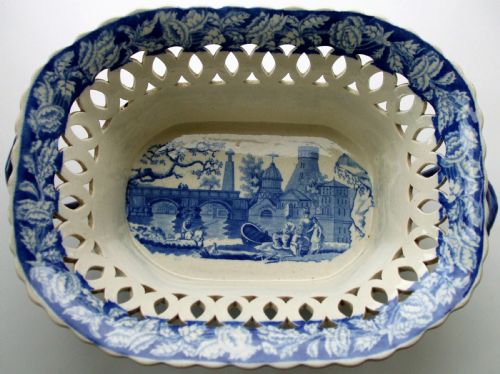
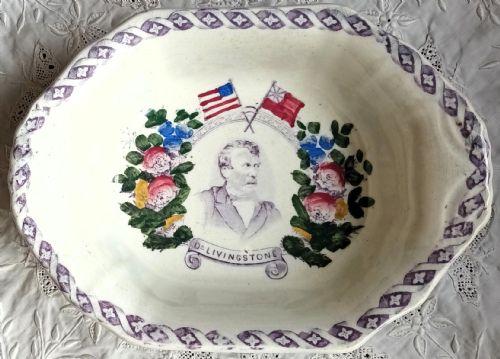
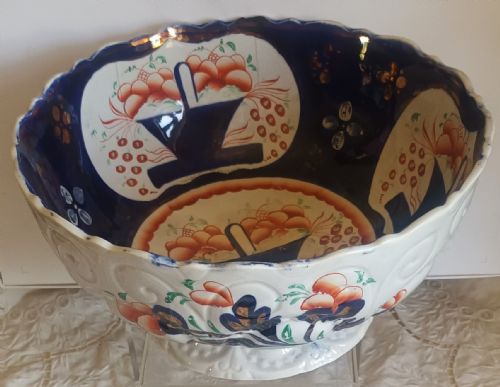
Beyond standard kitchen and pantry forms, the evidence includes specialised serving items such as chestnut baskets, lidded tureens, pudding bowls, and commemorative dishes. Many examples display regional traditions like Gaudy Welsh patterns, Delft tin-glazing, and Japanese Satsuma earthenware decorated with intricate enamel and gold leaf.
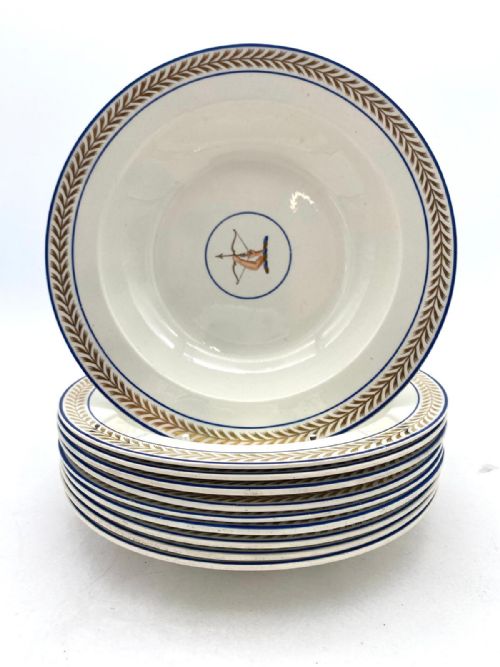
The objects vary from utilitarian vessels made for daily household dairy use to highly decorative display pieces created during the Georgian and Victorian periods. This mix reflects how earthenware evolved from simple kitchen utility into a canvas for pictorial transfer printing and hand-painted artistry.
How they were made
Potters shaped these vessels using traditional methods on the wheel or in moulds, utilising local clays and earthenware bodies that fired at lower temperatures than porcelain. Artisans then applied lead glazes, tin-glazes, or specialised enamel colours to seal the porous clay and provide a smooth surface for decoration.
Decoration relied heavily on blue and white transfer printing, hand-applied polychrome enamels, and slipware trailing techniques. Workshops often combined moulded details, such as reticulated basketwork and applied cherubs, with rich surface painting and gold leaf highlights before a final kiln firing.
The listings feature earthenware pottery bowl forms spanning 18th-century Dutch Delftware, Georgian creamware, and 19th-century Japanese Satsuma ceramics.
What varies in quality
Quality rests in the crispness of the transfer print, the delicacy of the moulded basketwork or handles, and the control shown in hand-painted enamel and gold leaf details. Earlier pieces often demonstrate superior tactile weight and depth in the glaze, distinguishing standard utilitarian wares from ambitious decorative commissions.
The artistic ambition of the painting and the precision of the potter's initial forming determine the distinction between ordinary domestic vessels and pieces bearing named factory or studio signatures.
J. & R. Clews·J. & R. Riley·John Rogers & Son·Mann & Co·Seaton Pottery·T G Green·Wedgwood·Gyokkō·Kozan·Ryuzan
The Earthenware Pottery Bowl Glossary
- Creamware
- A fine-bodied, pale cream-coloured earthenware developed in the 18th century by English potters like Wedgwood. It replaced heavier salt-glazed stonewares for dining tables.
- Slipware
- Pottery decorated with slip, a liquid clay mixture applied to the unframed body before firing. Potters use trailing or combed methods to create contrasting linear patterns.
- Tin-Glaze
- An opaque white glaze containing tin oxide, used on Delftware and faience pottery. It provides a smooth white background for painting in cobalt blue and polychrome pigments.
- Transfer Printing
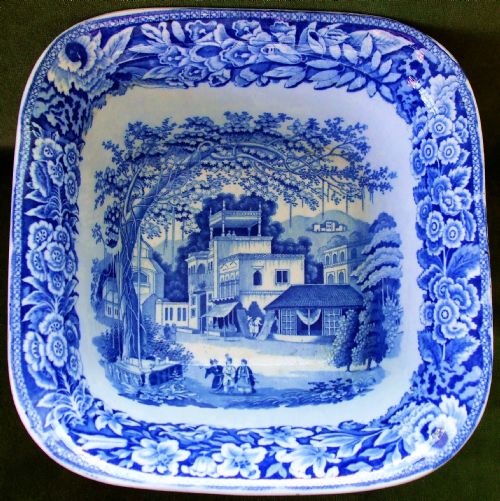
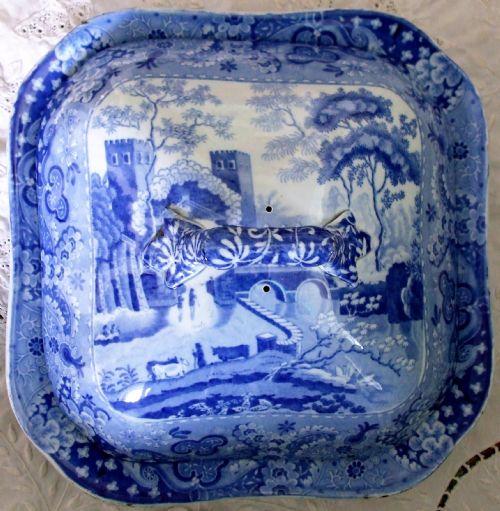
- A decoration technique where an engraved copper plate transfers a design onto tissue paper and then onto the ceramic surface. This method allowed intricate blue and white river and castle scenes to be reproduced consistently.
- Earthenware
- Porous ceramic fired at relatively low temperatures and rendered impermeable to liquids through the application of a glaze. It forms the base material for slipware, creamware, and majolica pieces.
Earthenware Pottery Bowl: Frequently Asked Questions
What is an earthenware pottery bowl?
An earthenware pottery bowl is a vessel formed from porous clay and finished with a protective glaze, spanning functional kitchenware and decorative display pieces.
These items range from simple 19th-century dairy and slipware bowls to intricate transfer-printed vessels and Japanese Satsuma earthenware.
How were old earthenware bowls used?
Historical earthenware served diverse domestic roles, including food preparation, dairy work, table service, and chamber usage.
Specialised forms like chestnut baskets, pudding bowls, and lidded tureens held specific foods during Georgian and Victorian dining.
How do I identify a transfer printed bowl?
Transfer-printed bowls feature detailed monochromatic scenes, such as river landscapes, eastern street views, or castles, applied mechanically onto the ceramic surface.
Examining the depth of the blue colour and checking for maker marks on the base helps identify specific historic potteries.
Can I use an antique bowl every day?
While these bowls were originally built for practical household tasks, their age and porous earthenware bodies suggest careful handling today.
Displaying them or reserving them for light occasional use preserves the glaze and any delicate enamel or gold leaf decoration.