



Ancient Chinese Earthenware
Ancient Chinese earthenware encompasses centuries of funerary figures and vessels shaped from clay for burial and ritual use.
Ancient Chinese Earthenware
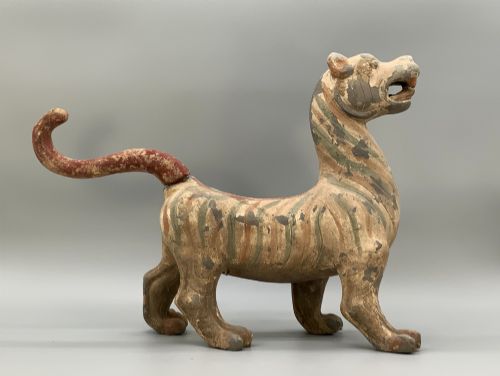
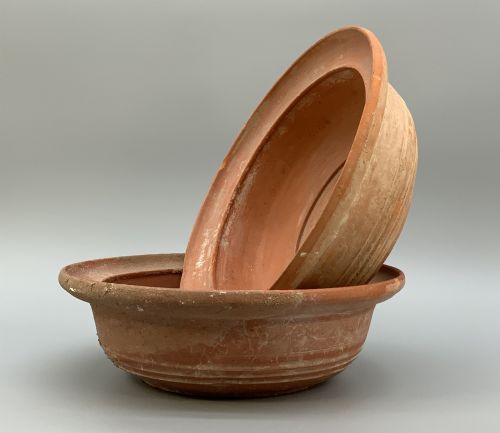
Ancient Chinese earthenware pieces on this page span several millennia, featuring forms from the Neolithic Yangshao culture through to the Ming Dynasty. Buyers searching for ancient chinese earthenware will encounter utilitarian vessels alongside guardian figures and tomb attendants fashioned for placement in burials.
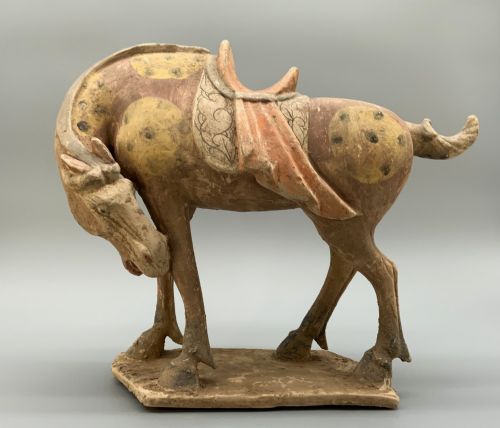
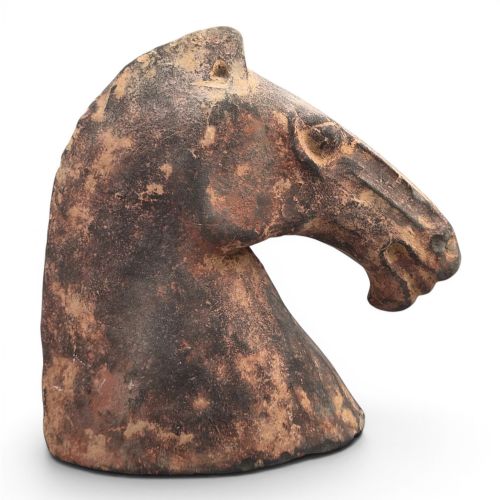
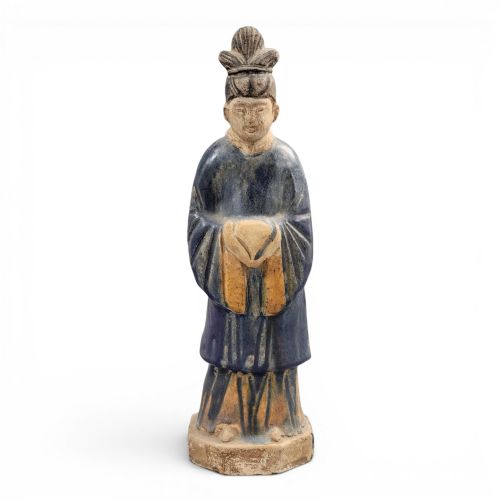
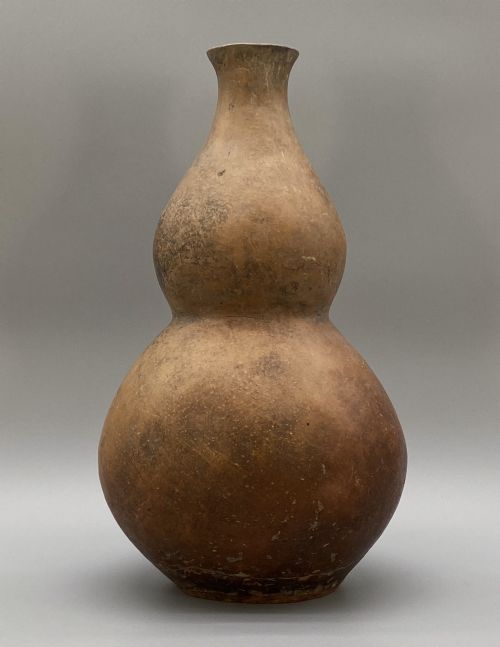
The selection ranges from early painted pottery bowls and large double-gourd vases to grey pottery dancer figures and Tang Dynasty horses. Many of these items are mingqi, specifically created as funerary goods rather than for daily household use.
Origins stretch from the Pre 16th century categorisation down to specific imperial periods including the Han, Sui, Tang, and Tang to Liao dynasties. Each era brings distinct modelling traditions, from the robust red pottery basins of the early dynasties to the refined glazed ceramics of later centuries.
Materials and Construction
Potters shaped these works using local clays, terracotta, and grey earthenware, sometimes building vessels by hand or utilising early forming techniques. Surfaces were frequently decorated with mineral pigments, applied colours, and slip painting before firing.
Listings include terracotta and grey earthenware pieces spanning from the Neolithic Yangshao culture through to the Ming Dynasty.
Assessing Quality and Execution
Quality in these ceramics rests upon the crispness of the modelling, the survival of original surface pigments, and the stability of the clay body. Finer works display confident sculptural execution in details such as the musculature of horses or the expressive drapery of attendant robes.
The preservation of delicate lead glazes and fugitive mineral pigments distinguishes superior examples from those with extensive surface loss. Proportion and balance in vessel forms, such as double-gourd vases and scholar's water vessels, further define the standing of individual pieces.
The Ancient Chinese Earthenware Glossary
- Mingqi
- Spirit objects or burial goods placed in tombs to accompany the deceased into the afterlife. These items typically include attendants, animals, and model houses.
- Sancai
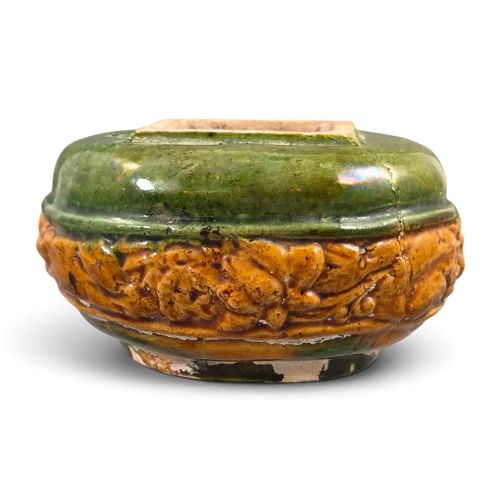
- A three-colour lead glaze tradition prominent during the Tang Dynasty, commonly utilising amber, green, and cream tones. These glazes run naturally during firing to create mottled effects.
- Terracotta
- Fired unglazed clay of a brownish-red hue, frequently used for early Chinese figures and vessels. The porous material accepts pigments readily.
- Yangshao Culture
- An early Neolithic culture known for painted pottery vessels with distinctive geometric motifs. The Banpo phase represents a key period within this tradition.
Ancient Chinese Earthenware: Frequently Asked Questions
What is mingqi?
Mingqi are burial artefacts created specifically for internment in tombs rather than for daily use. They served to provide servants, animals, and provisions for the afterlife.
These figures offer archaeologists and collectors a clear window into the dress, social structures, and domestic animals of ancient dynasties.
How do I care for ancient earthenware?
These ceramic and terracotta pieces require stable indoor humidity and protection from sudden temperature shifts. Keep them away from direct sunlight to preserve any remaining surface pigments.
Handle unglazed or flaking surfaces with extreme care, supporting the weight from the base rather than projecting limbs or handles.
How are different dynasties told apart?
Stylistic shifts in form, clay colour, and glazing techniques distinguish one period from another. Han pieces often feature red or grey earthenware with matte pigments, while Tang works frequently showcase lead glazes.
Form also changes significantly, moving from early utilitarian basins and Neolithic vessels to elaborate court figures and glazed vases.
Were these vessels used in daily life?
Most ceramic vessels and figures found in early contexts were made as burial furniture. Water vessels and bowls served ritual or symbolic functions within the tomb setting.
Even utilitarian shapes were frequently produced in dedicated funerary workshops rather than serving domestic households.