


Chinese Red Pottery
Chinese red pottery brings ancient terracotta and iron-red ceramic artistry into your home, offering rich earthy tones and centuries of imperial history.
Chinese Red Pottery
When you search for chinese red pottery, you encounter a diverse range of objects spanning multiple dynasties and centuries of ceramic production. The selection encompasses early burial pieces alongside later dynastic wares and decorative vessels.
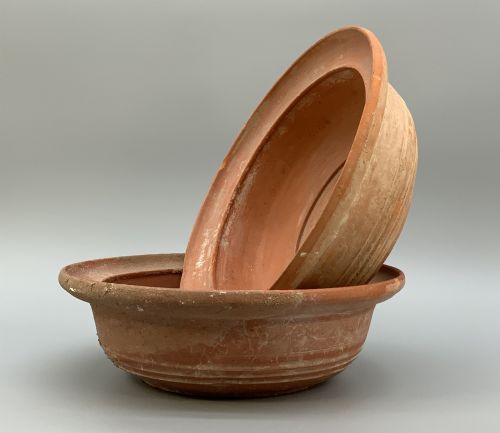
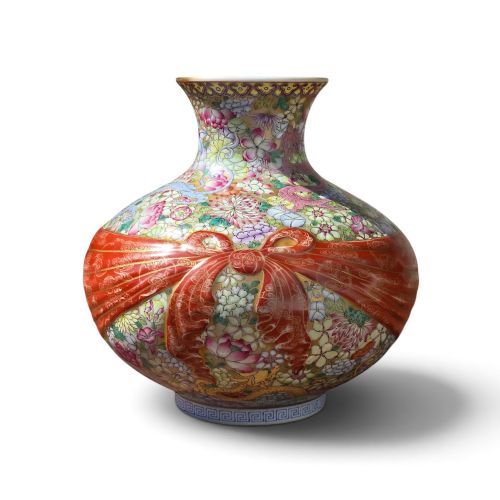
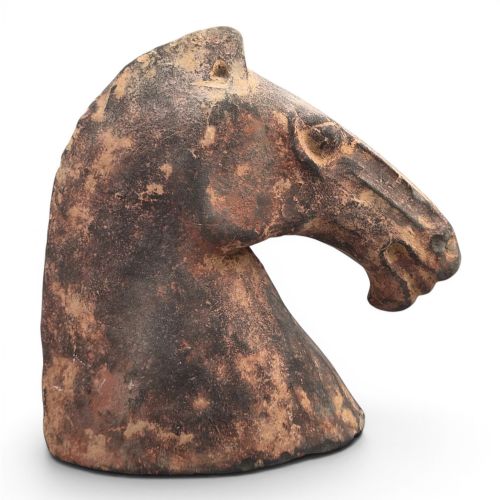
You are most likely to meet terracotta bowls and vessels from early periods like the Han Dynasty, alongside later porcelain and earthenware pieces decorated with iron-red enamel or copper-red pigments. These range from ritual objects and tomb figures to refined scholar's items and vases.
How these ceramics were constructed
Potters shaped these objects using foundational materials such as terracotta, earthenware, and porcelain, forming vessels by hand or on the wheel. Early burial pieces relied on unglazed or painted terracotta, while later periods introduced refined porcelain bodies.
Decoration involved the application of coloured pigments, copper-red underglazes, and iron-red enamels before firing at high temperatures. Artisans also utilised gold leaf and intricate glazes to achieve the rich crimson hues seen across the centuries.
Listings feature materials spanning terracotta, porcelain, earthenware, and enamel, alongside decorative elements like gold leaf and copper-red pigments.
What separates different examples
Quality in these pieces rests on the precision of the form, the stability of the clay body, and the control demonstrated during the firing process. Early terracotta works depend on the clarity of surviving pigment and the integrity of the modelled shape.
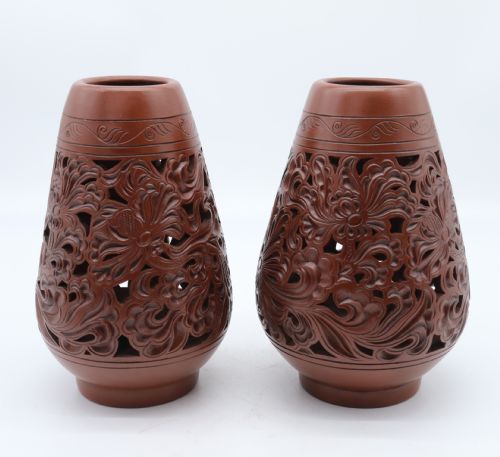
In painted and glazed examples, the fineness of the brushwork and the depth of the red iron or copper tones distinguish superior items. The complexity of the vessel type, from simple bowls to intricate reticulated forms, also influences the character of each piece.
The Chinese Red Pottery Glossary
- Terracotta
- A porous reddish-brown earthenware clay used extensively for early vessels and figures. It forms the base material for many ancient burial objects.
- Underglaze red
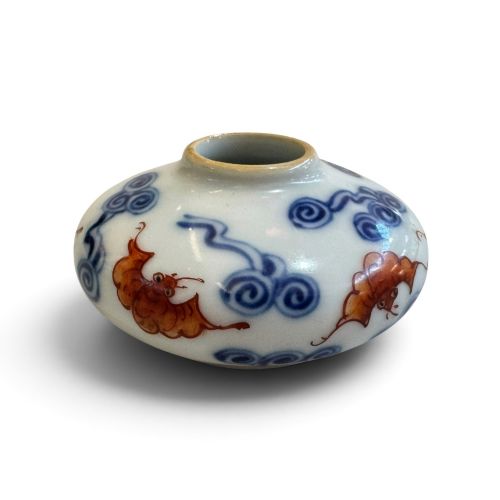
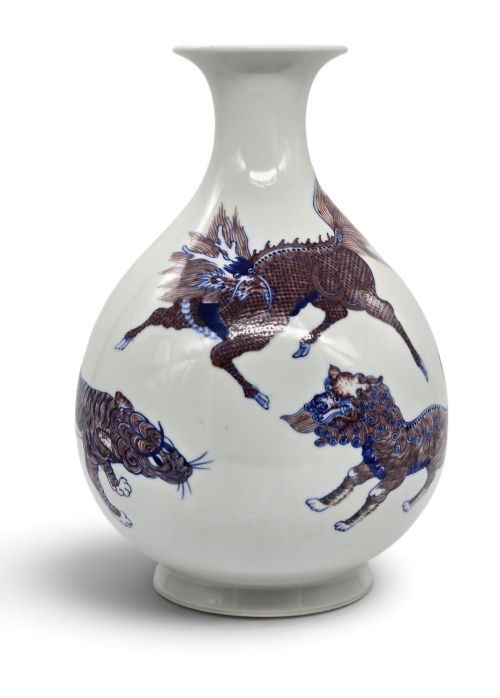
- A decorative technique where copper-bearing pigment is applied beneath the transparent glaze before firing. This method requires precise kiln temperature control to achieve the desired red colour.
- Iron-red
- A brick-red enamel pigment fixed over the glaze at a lower temperature during a second firing. It is frequently seen on later Qing Dynasty and Republic period porcelain.
- Mingqi
- Burial goods and ritual objects placed in tombs to accompany the deceased. These figures and vessels span ancient dynasties such as the Han.
- Yixing
- A type of Chinese pottery originating from the city of Yixing, known for unglazed stoneware teaware and vessels. Pieces often feature reticulated or moulded decoration.
Chinese Red Pottery: Frequently Asked Questions
How old is most Chinese red pottery?
The pieces span a vast chronological range, from ancient Han Dynasty terracotta dating back over two millennia to late Qing and early 20th-century porcelain.
Earliest examples often originate from pre-16th century burial contexts, while later decorative vessels reflect imperial Qing styles and transitional periods.
What is the difference between terracotta and porcelain here?
Terracotta is a porous, unglazed or painted earthenware used predominantly for early tomb figures and ancient bowls. It offers a matte, earthy texture.
Porcelain is a dense, vitrified ceramic material introduced in later centuries, typically finished with smooth glazes and iron-red or copper-red enamel decoration.
How do I care for antique red pottery?
Keep these ceramic and terracotta pieces in a stable indoor environment away from direct sunlight and excessive moisture. Dust them gently with a dry, soft cloth.
Avoid using liquid cleaners or chemical polishes, particularly on ancient terracotta with surviving pigments, to protect the fragile surfaces.
Are these pieces painted or glazed?
Decoration techniques vary considerably depending on the period and material of the object. Early items often feature mineral pigments painted directly onto raw terracotta.
Later pieces utilise copper-red underglazes or iron-red enamels applied over a white porcelain glaze, sometimes combined with blue and white designs.