
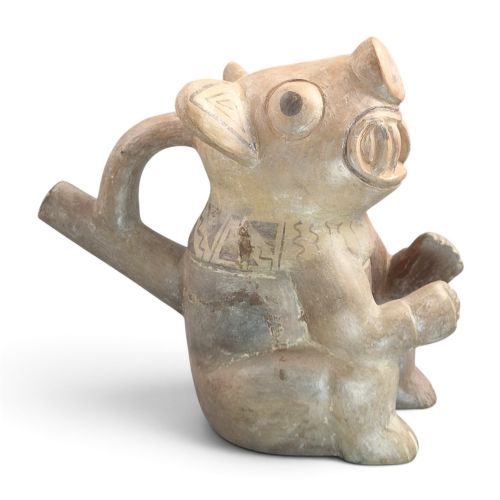
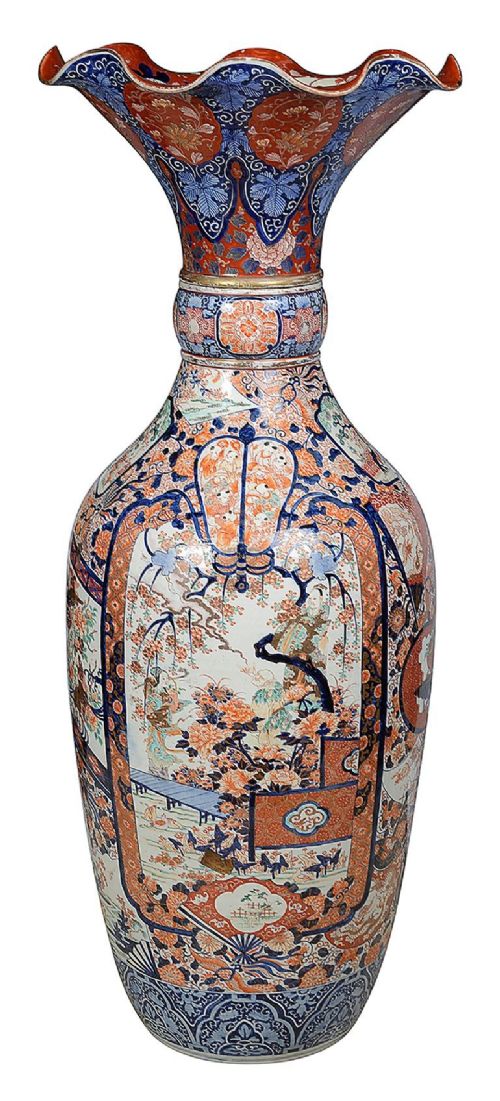
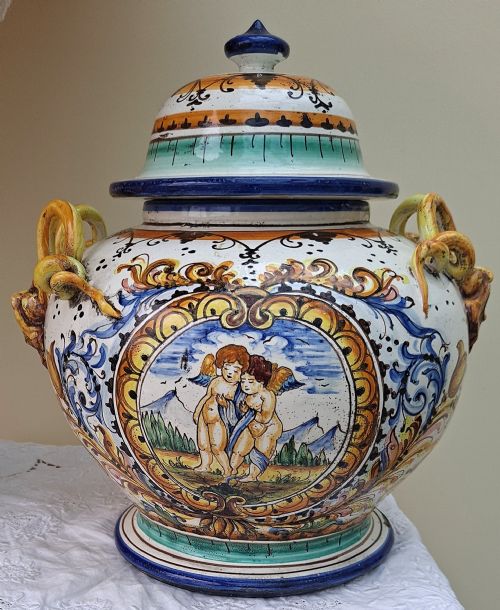


Painted Terracotta Jar
A painted terracotta jar brings tactile warmth to a room, combining earthy clay bodies with enduring surface colour.
Painted Terracotta Jar
When you search for a painted terracotta jar, you are looking at earthenware vessels shaped from baked clay and finished with pigment. These items span domestic storage forms like olive jars and decorative amphorae.
The versions you are most likely to meet on this page date from the nineteenth century, including Mediterranean folk pieces alongside revival styles. Their origins range across European potteries and regional workshops.
Makers shaped these pots for function or display, resulting in vessels varying from simple rural containers to elaborate classical forms. Each piece bears the distinct physical weight and porous nature of fired earth.
Evaluating quality and execution
Quality rests upon the harmony between the thrown clay shape and the preservation of the applied pigment. A well-executed jar demonstrates balanced proportions in the terracotta body alongside stable, well-adhered surface painting.
The depth of historical character separates standard examples from superior ones. Better pieces show intentional brushwork and authentic surface wear that reflects genuine age rather than manufactured distress.
One remarkably travelled tobacco jar once wore a cold-painted Austrian disguise before finding its way to the archive.
Johann Maresch
The Painted Terracotta Jar Glossary
- Terracotta
- A porous, brownish-red earthenware clay that is shaped and fired in a kiln without necessarily being glazed. It serves as the foundational material for many utilitarian and decorative vessels.
- Maiolica
- Tin-glazed Italian earthenware painted with metallic oxide colours before a second firing. This technique produces a bright, opaque white surface suitable for detailed pictorial decoration.
- Amphora
- A two-handled ancient vessel with a narrow neck, traditionally used for transporting and storing oil or wine. Later nineteenth-century potteries adopted this classical form for decorative display.
- Pigment
- A finely ground coloured powder mixed with a binder to create opaque paints applied to pottery surfaces. These mineral and organic colorants define the decorated exterior of earthenware jars.
Painted Terracotta Jar: Frequently Asked Questions
What is a painted terracotta jar used for?
These vessels originally served practical storage functions for dry goods, oils, or liquids within domestic and agricultural settings. Over time, many transitioned into purely decorative objects valued for their sculptural presence.
Today, collectors place them in living spaces as standalone decorative focal points or utilise them to display dried botanicals. Their robust earthenware construction suits interior placement where an earthy, tactile element is desired.
How do I care for antique terracotta?
Protect the fragile painted surface by keeping the jar in a stable environment away from direct moisture and harsh temperature fluctuations. Dust the exterior gently with a dry, soft cloth rather than using liquid cleaners that might disturb old pigments.
Avoid placing unglazed terracotta directly on polished wooden surfaces without a protective pad underneath, as the porous clay can retain moisture or scratch fine finishes. Handle the vessel by its body rather than delicate handles or rims.
How can I tell the age of a jar?
Examine the clay body, manufacturing marks, and the way the pigment interacts with the surface over time. Nineteenth-century examples often display specific regional throwing techniques and characteristic earthenware patination.
Compare the style of decoration with documented historical periods found in similar pottery. Natural wear patterns on the base and interior provide further clues to the age and origin of the piece.
Are these jars waterproof?
Many traditional terracotta jars remain slightly porous due to the low-fire nature of the clay, meaning unglazed interiors can seep moisture. Even pieces with surface paint or partial glazes are generally intended for decorative display rather than holding water.
If you wish to use one for fresh flowers, place a dedicated waterproof glass or plastic vessel safely inside the jar. This prevents stagnant water from damaging the historic clay and original pigments.