


Turquoise Glazed Ceramic Vase
These turquoise glazed ceramic vases span centuries of global pottery traditions, offering striking colour and historic craftsmanship for the modern interior.
Turquoise Glazed Ceramic Vase
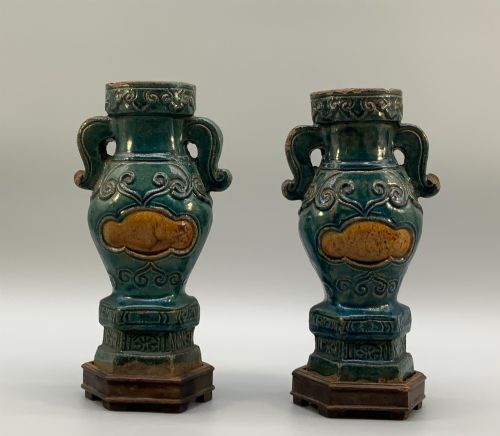
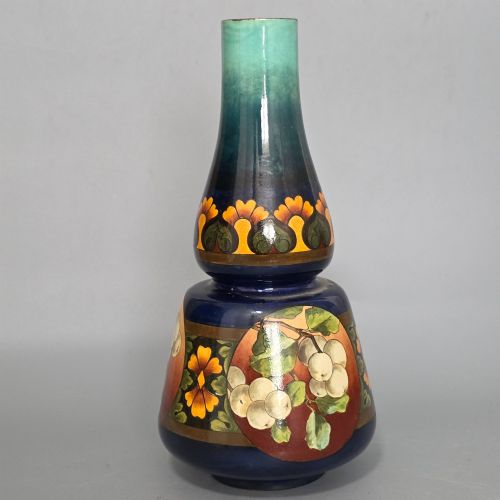
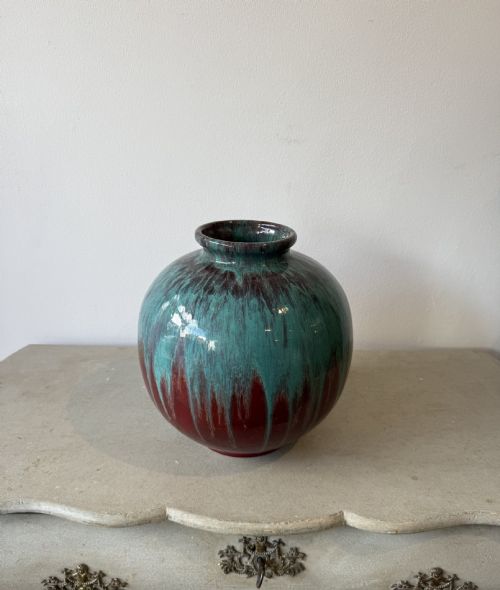
A turquoise glazed ceramic vase brings vibrant colour and remarkable historical depth to any room, drawing on traditions from seventeenth-century China and nineteenth-century Europe. When searching for a turquoise glazed ceramic vase, collectors encounter diverse forms ranging from monumental majolica to delicate French art pottery.
The selection here encompasses centuries of global ceramic design, including early Chinese monochromes, Japanese works, and British art pottery. Pieces span from pre-sixteenth-century examples up to twentieth-century European interpretations.
Functional variations include traditional display vessels alongside items converted to table lamps or large umbrella stands. This versatility allows these ceramic pieces to serve both decorative and practical roles in contemporary homes.
Materials and construction methods
The foundation of these vessels relies on ceramic and earthenware bodies shaped by hand or on the wheel. Artisans applied specialised glazes, including lead glaze and rich coloured enamels, to achieve the distinctive turquoise surface tones before high-temperature firing.
Surface ornamentation often involves incised detailing, such as stylised peonies, or moulded relief work characteristic of majolica and faience techniques. Some pieces incorporate metal or brass mounts as part of their structural design or later conversion.
Turquoise Glazed Ceramic Vase Retail Price Guide 2026
Typical asking prices for turquoise glazed ceramic vase among the pieces listed under this phrase on Sellingantiques today, from the lower quarter to the upper quarter. They describe what is for sale here now, not the wider market.
Materials represented across the inventory include earthenware, lead glaze, ceramic, and brass fittings associated with lamp conversions.
Assessing quality in ceramic vessels
Quality rests on the depth and evenness of the glaze application, alongside the crispness of any incised or moulded surface decoration. Superior examples demonstrate confident handling of the ceramic material and precise control during the firing process.
The artistic ambition of the form, whether an Alhambra-style profile or an intricate Arts and Crafts shape, distinguishes standard production from exceptional studio and factory output. Condition and historical integrity, even when pieces have been adapted into lamps, further define the standing of individual works.
Alice Euphemia Thatcher·Doulton Lambeth·Minton·Burmantofts Faience
The Turquoise Glazed Ceramic Vase Glossary
- Earthenware
- Porous pottery fired at lower temperatures, typically requiring a glaze to render it waterproof. This forms the foundational body for many historic glazed vessels.
- Lead glaze
- A traditional glossy coating containing lead compounds, utilised historically to seal ceramic bodies and impart a brilliant sheen. It often deepens the vibrancy of turquoise pigments.
- Majolica
- A type of earthenware decorated with opaque coloured glazes over a white tin enamel ground. It allows for sculptural modelling and vivid polychrome effects.
- Faience
- European tin-glazed earthenware developed in imitation of imported Chinese porcelains. It became widely utilised by nineteenth-century art pottery makers.
- Monochrome
- A ceramic piece finished in a single uniform glaze colour, such as turquoise. This style highlights the purity of the vessel's form and surface texture.
Turquoise Glazed Ceramic Vase: Frequently Asked Questions
How do I care for a historic ceramic vase?
Dust the surface gently with a dry, soft cloth to prevent accumulation. Avoid using water or cleaning solutions, as historic glazes can be sensitive to moisture.
Keep the vessel away from direct sunlight and areas subject to sudden temperature fluctuations. This protects both the ceramic body and the historical glaze from stress.
What does a conversion to a lamp mean?
A lamp conversion involves running electrical wiring through the historic vessel, occasionally requiring a drilled base or fitted mounts. This practice was common in the twentieth century to give antique vases a functional purpose.
While purists prefer untouched vessels, these conversions represent the changing domestic utility of decorative objects over time. Professional rewiring ensures safety while retaining the original ceramic body.
How are different periods of turquoise ceramics distinguished?
Early pieces often display distinct crazing, characteristic potting weights, and specific glaze formulations unique to their dynasty or century. Examining the base and clay body reveals manufacturing clues.
Stylistic influences, such as Ming dynasty motifs or nineteenth-century Arts and Crafts ideals, help place an object within its historical context. Comparing form and glaze depth clarifies the era of production.