

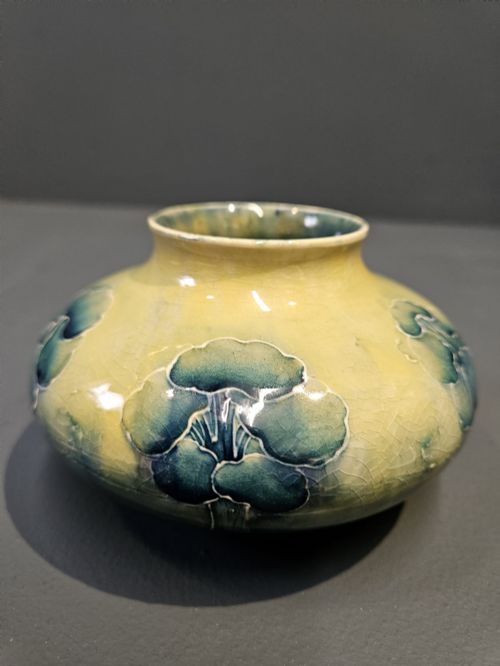
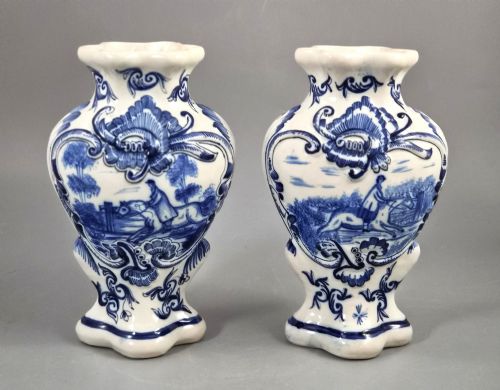
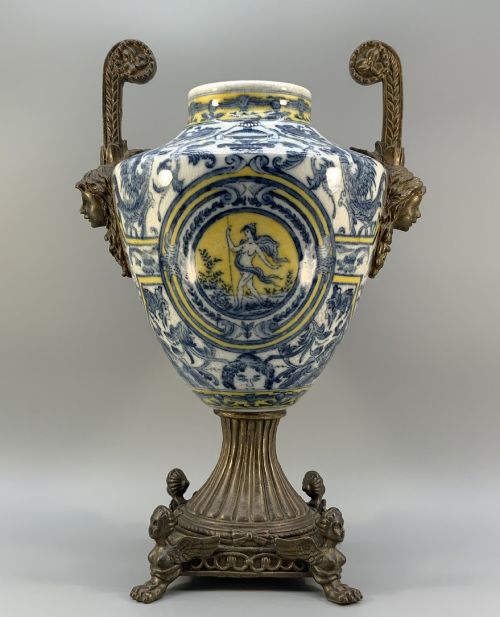
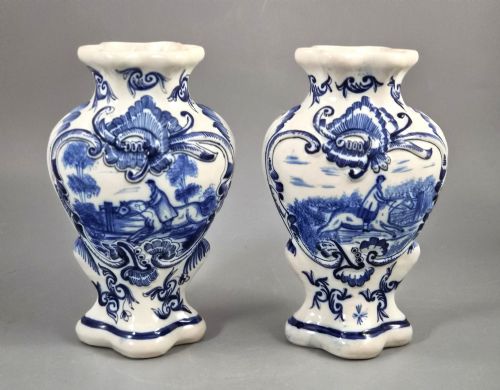
Blue Ceramic Pottery Vase
When you search for a blue ceramic pottery vase, you encounter centuries of global kilns producing earthenware, porcelain and stoneware vessels.
Blue Ceramic Pottery Vase
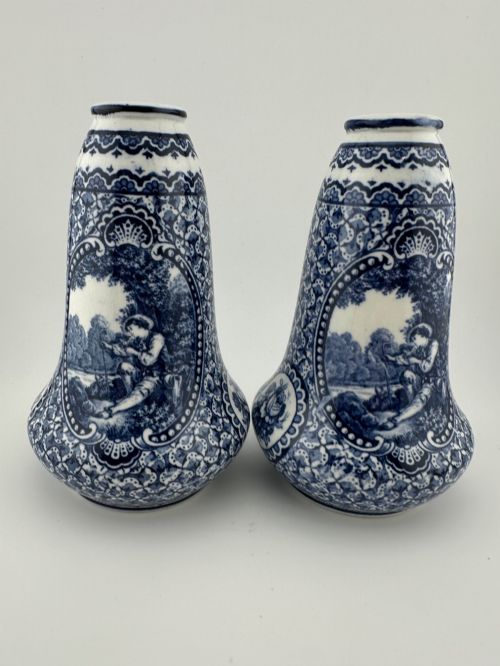
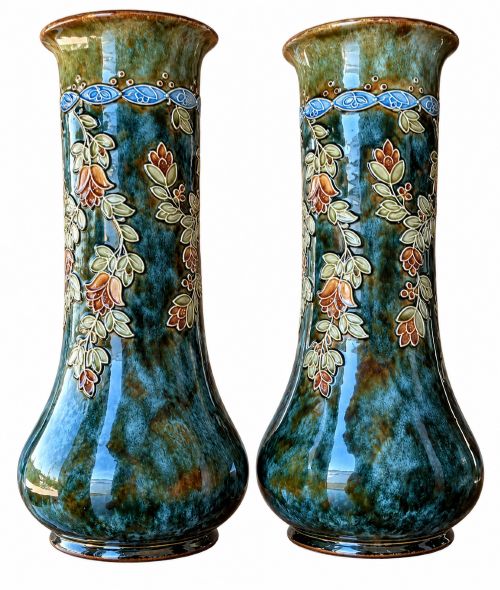
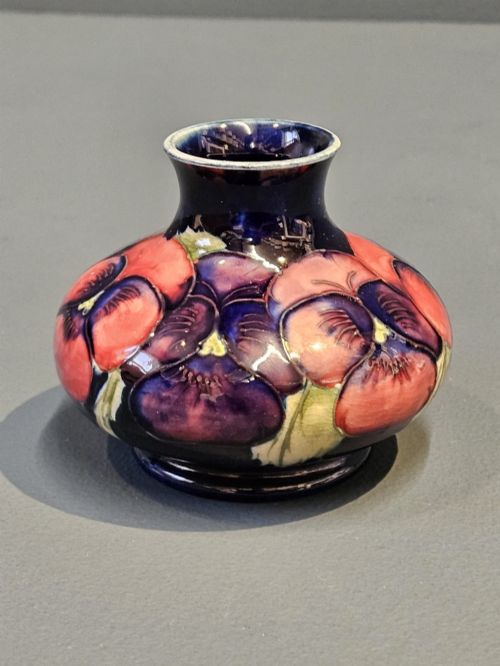
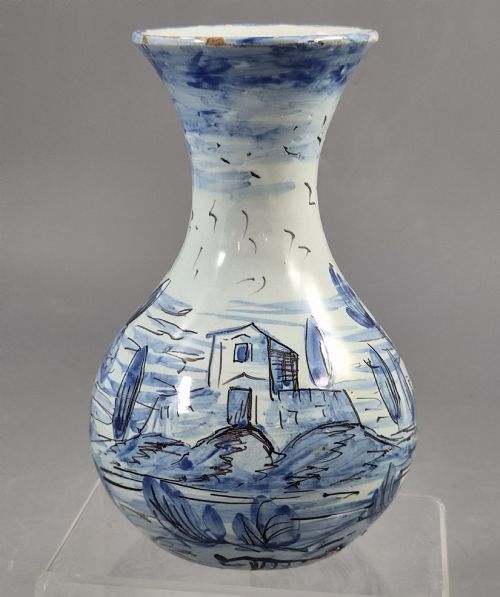
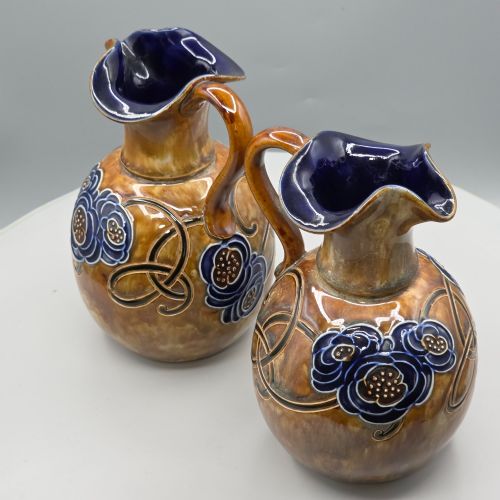
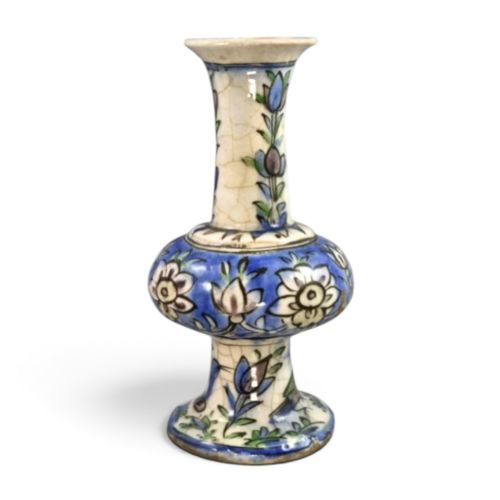
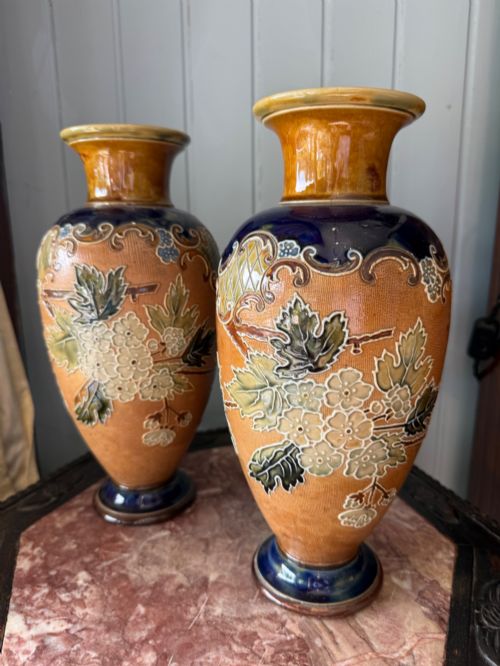
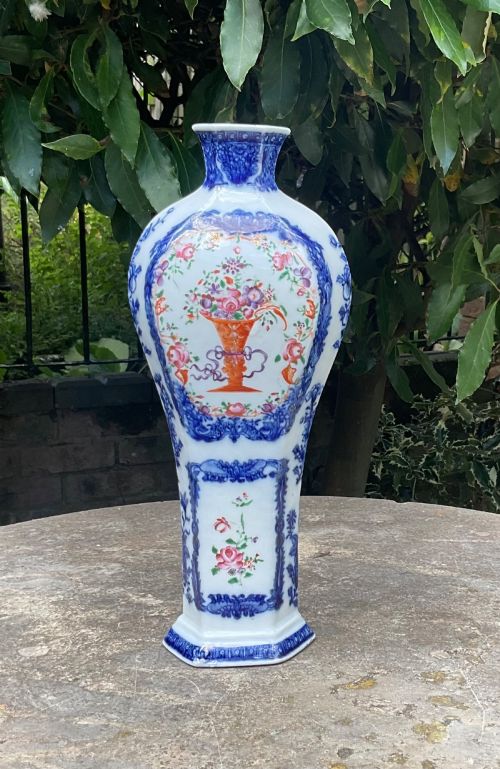
A blue ceramic pottery vase encompasses everything from 18th-century Dutch Delftware and Chinese export porcelain to British Art Nouveau stoneware and Japanese Imari. You will frequently meet Victorian and early 20th-century vessels on this page, particularly salt-glazed stoneware from makers like Royal Doulton and decorative earthenware from European and Asian potteries.
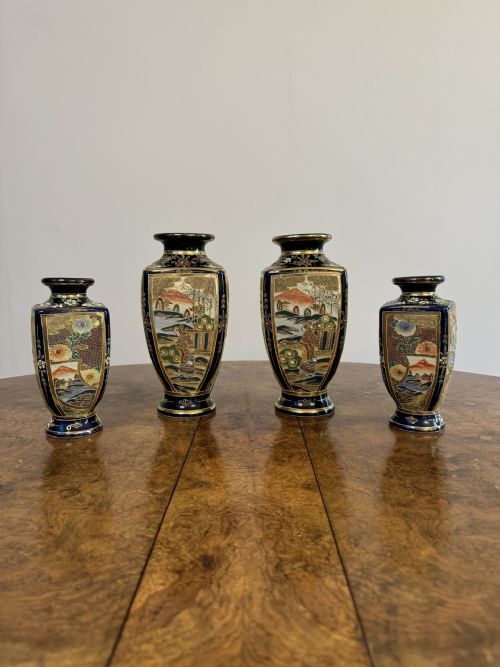
The forms range from baluster mantel vases and lidded ginger jars to cabinet pieces, ewers, and converted table lamps. Many incorporate cobalt blue decoration, either hand-painted beneath a clear glaze or applied as part of rich polychrome schemes alongside enamel and gold leaf.
Materials and methods
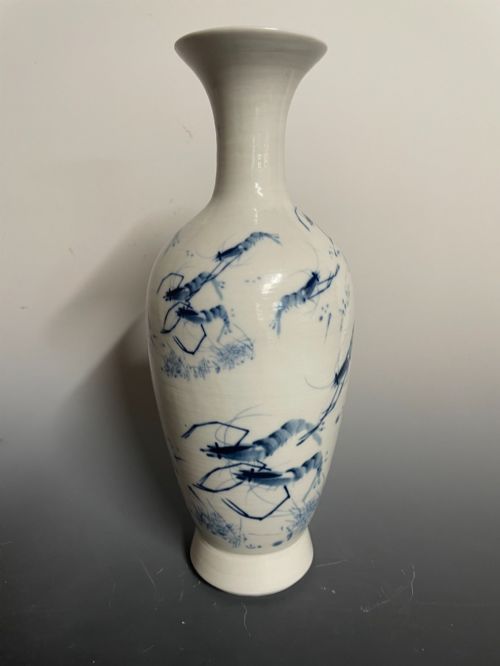
Makers shaped these vessels from clay bodies including porous earthenware, dense stoneware, and fine porcelain, often finishing them with tin glazes or translucent lead-silicate coatings. Cobalt oxide provided the enduring blue pigment, applied directly to the raw clay or upon an opaque white tin-glaze ground before firing.
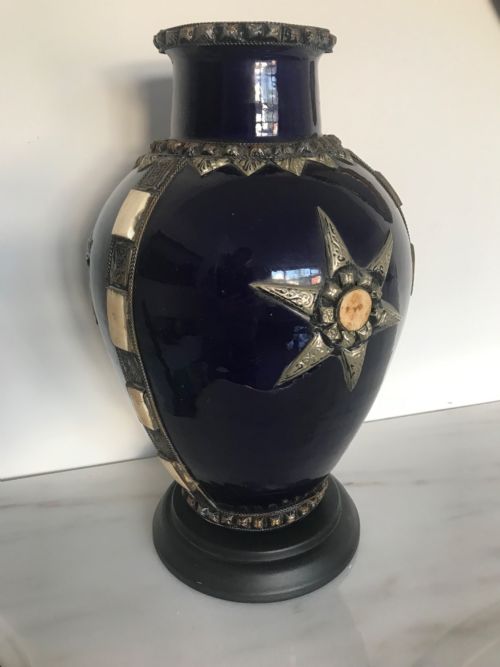
Many studio and factory pieces received secondary decoration through enamel painting, lustre applications, or metallic mounts in bronze and silver. Stoneware examples frequently relied on salt-glazing techniques, where salt thrown into the kiln vapours reacted with the silica in the clay body to create a pebbled skin.
Listings span periods from the 18th century through the Victorian era into the 1920s, featuring earthenware, stoneware, and porcelain.
Assessing quality
Quality rests upon the crispness of the potting, the control of the kiln temperature during firing, and the precision of the hand-painting. Superior vessels display a lively relationship between the clay body and the glaze, where cobalt tones remain deep and unclouded by kiln ash or running.
The distinction between standard production wares and exceptional studio pieces often lies in the authorship and individuality of the decoration. Pieces bearing identifiable artist ciphers, intricate slip-trailed patterns, or specialised lustre finishes demonstrate a higher level of workshop ambition.
Royal Doulton·Moorcroft·Cantagalli·Fourmaintraux-Courquin·Wedgwood·Minton
The Blue Ceramic Pottery Vase Glossary
- Baluster
- A vertical vase form that swells toward the lower portion before tapering to a narrow neck. This shape draws inspiration from architectural balusters.
- Imari
- A style of Japanese export porcelain decorated in underglaze blue, iron red, and gold. The palette is rich and densely patterned.
- Stoneware
- A robust, vitrified ceramic fired at high temperatures until the clay body becomes non-porous. It rings when struck and resists water without needing a glaze.
- Ewers
- Pitchers or jugs featuring a wide spout and a looped handle, often used as ornamental vessels rather than functional tableware.
Blue Ceramic Pottery Vase: Frequently Asked Questions
How do I date a blue ceramic pottery vase?
Dating relies on examining the base for factory stamps, artist monograms, and the characteristics of the clay body. Glaze pooling and style markers such as Art Nouveau motifs also provide clear chronological clues.
Comparing the potting technique with known factory production periods helps narrow the decade of creation.
Are these vases waterproof?
Vessels made from stoneware or porcelain are naturally vitrified and hold water safely. Tin-glazed earthenware pieces, particularly older examples, can be porous and benefit from a glass liner if used for fresh flowers.
Checking the interior glaze for hairline fractures ensures safe everyday use.
What is the difference between Delft and faience?
Both terms describe tin-glazed earthenware, but Delft specifically refers to wares made in the Netherlands. Faience is the broader continental term used for similar tin-glazed pottery produced in France, Italy, and other European centres.
The underlying clay and painting styles often help distinguish their specific regional origins.
How should I display my vase?
Position your vessel away from direct sunlight to protect enamel and lustre surfaces from fading. Stable, vibration-free surfaces protect tall baluster forms and pieces with delicate handles or bronze mounts.
Allowing adequate space around the piece highlights its form and blue decorative detail.