





Double Gourd Ceramic Vase
These double gourd ceramic vase examples combine striking double-bulbed silhouettes with centuries of diverse global craftsmanship, offering a sculptural centrepiece for any room.
Double Gourd Ceramic Vase
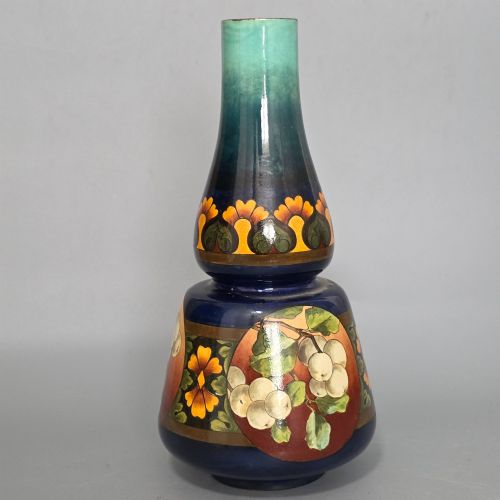
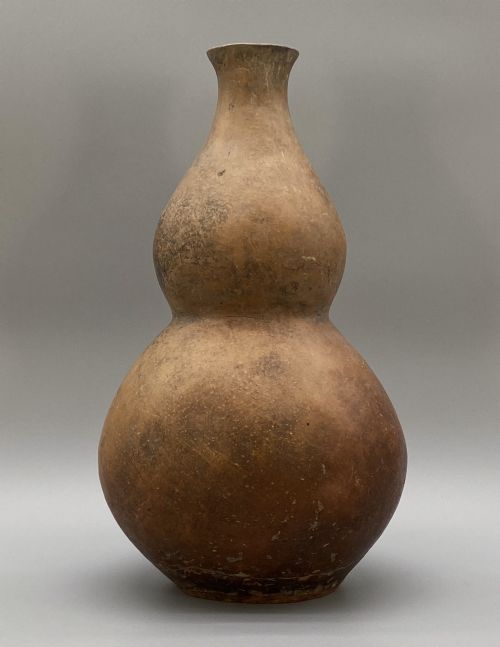
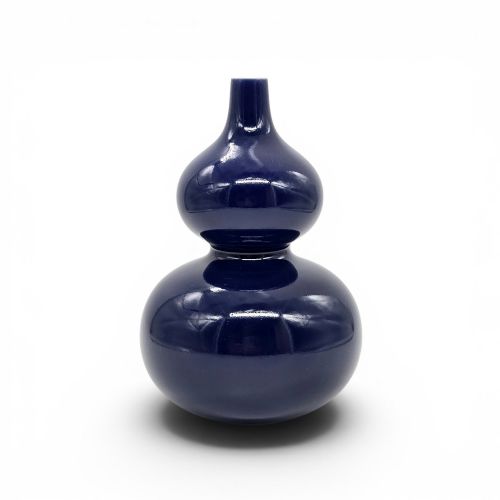
A double gourd ceramic vase takes its distinctive profile from traditional Asian gourd vessels, featuring a narrower upper bulb set above a fuller lower body. This silhouette appears across multiple eras, ranging from early Neolithic earthenwares to later Chinese blue and white porcelain and European art pottery interpretations.
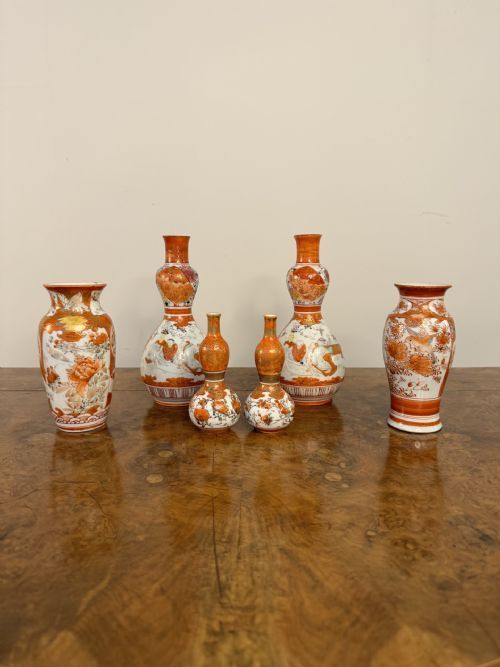
Collectors frequently encounter Japanese Imari examples, alongside substantial Chinese pieces carrying Qing Dynasty marks or earlier origins. European potteries from the nineteenth century also adopted the form, producing distinctive faience and porcelain iterations adapted as both decorative objects and wired table lamps.
Materials and construction
Makers shaped these vessels from clay bodies finished with specialised glazes, utilising cobalt pigment for traditional blue and white painting or vibrant enamel overglazes for rich polychrome patterns. Gold leaf highlights and clear glossy finishes frequently seal the surface, while some historic earthenware pieces rely on natural terracotta tones.
Production techniques span centuries of ceramic tradition, moving from early hand-coiled Neolithic vessels thrown without a wheel to refined porcelain pieces fired at high temperatures in imperial kilns. Later European art potteries applied similar throwing and moulding methods, occasionally mounting completed ceramic bodies with brass or bronze hardware.
The selection includes porcelain, enamel, and ceramic pieces spanning from Neolithic Yangshao culture up through nineteenth-century European art pottery and porcelain.
Distinctions in quality
The sophistication of the painted decoration dictates much of the distinction between pieces, where freehand cobalt brushwork or detailed enamel work demonstrates superior artisan control over mechanical transfers. Crisp definition in the moulded waist of the double bulb and an even, unblemished glaze application further elevate a piece.
The historical significance and intact condition of the ceramic body separate standard decorative items from museum-worthy examples. Original period marks, well-preserved gilding, and the absence of extensive restoration separate the finest items from more common productions.
Alice Euphemia Thatcher·Doulton Lambeth·Burmantofts Faience·Meissen
The Double Gourd Ceramic Vase Glossary
- Double gourd
- A ceramic vessel shape formed of two stacked bulbous sections resembling a natural gourd fruit. This profile has symbolic meaning denoting good fortune in various traditions.
- Cobalt pigment
- A metallic oxide colourant used beneath a transparent glaze to produce deep blue painted designs on white ceramic bodies. It withstands high firing temperatures without fading.
- Faience
- Tin-glazed earthenware decorated with opaque colourful glazes over a porous clay body. This technique developed extensively across European potteries during the historic periods.
- Imari
- A style of Japanese export porcelain characterised by distinctive blue, iron red, and gilt colour palettes. Artisans produced these wares primarily for international markets.
Double Gourd Ceramic Vase: Frequently Asked Questions
What is a double gourd vase?
A double gourd vase is a container shaped with two distinct rounded sections, one stacked on top of the other. The design mimics the natural shape of a real gourd fruit.
This silhouette has been utilised by potters across Asia and Europe for centuries. It remains a popular decorative form because of its pleasing, balanced proportions.
How do I date a ceramic vase?
Dating a ceramic vase involves examining the base for maker marks, reign stamps, or exhibition labels. The style of painting and the composition of the clay body also provide clues.
Comparing the glaze characteristics and manufacturing techniques against known historical periods helps narrow down the decade of production. Expert opinion is useful for older pieces.
Where were double gourd vases made?
These vessels originated in China, where potters shaped them from porcelain and earthenware during various imperial dynasties. The form later spread to Japan and European manufacturing centres.
Potteries in England, France, and Germany produced their own interpretations during the nineteenth century. Each region applied distinct decorative styles and glaze recipes to the familiar shape.
Can I use a vase as a lamp?
Many historic ceramic vessels have been converted into table lamps by adding electrical fittings through the top or base. This adaptation allows fragile or prized pieces to find a functional role in modern interiors.
Conversions range from professional wiring jobs that preserve the original ceramic body to simpler modifications. Collectors weigh the original integrity of the vase against the utility of a lamp.
How do I display a ceramic vase?
Displaying a double gourd vase requires a stable surface where its unique silhouette can be appreciated from multiple angles. Placing it away from high-traffic areas protects the delicate porcelain or earthenware body.
Adequate lighting helps highlight the nuances of the glaze and any hand-painted surface decoration. Pairing the piece with complementary antiques enhances its visual impact in a room.