


Antique English Pottery Vase
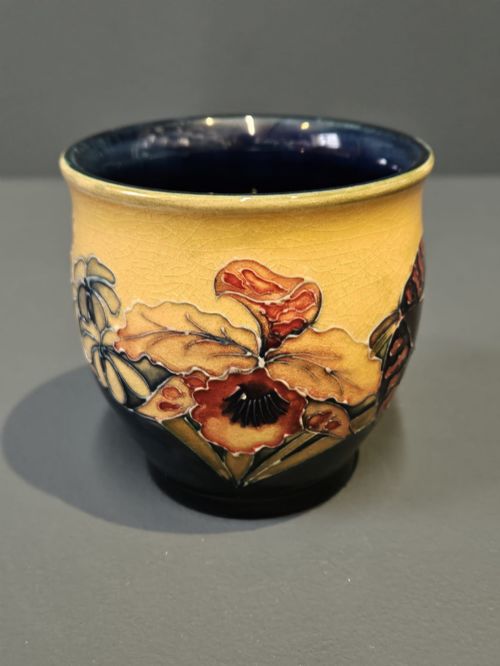
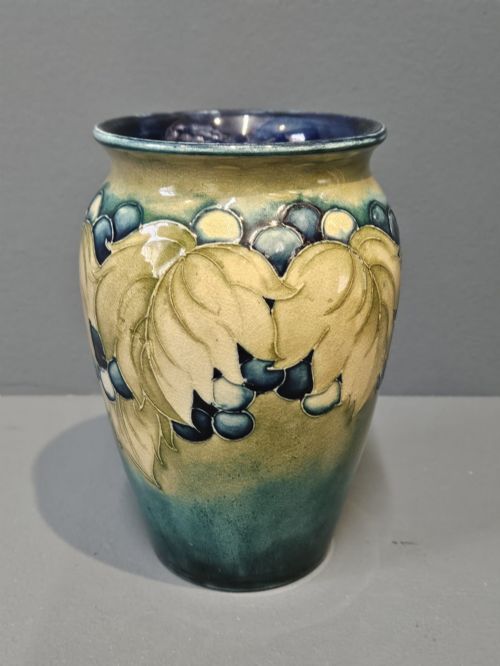
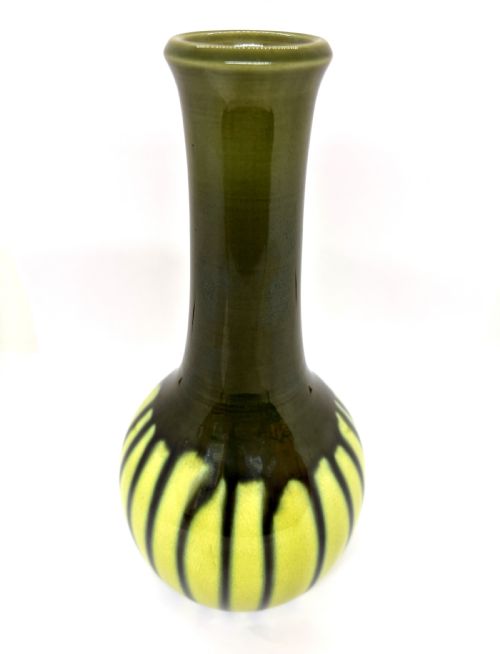
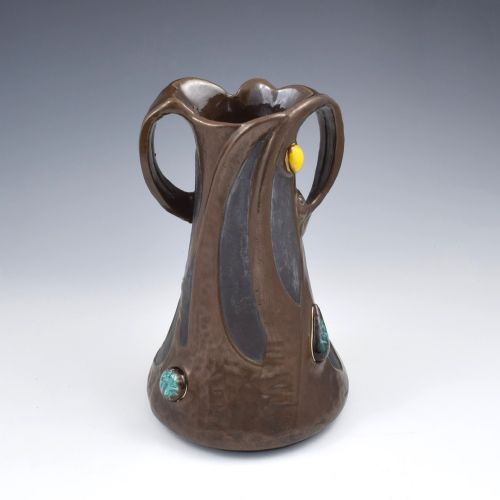
These antique English pottery vase examples span centuries of earthenware and stoneware, offering distinctive decorative forms for the home.
Antique English Pottery Vase
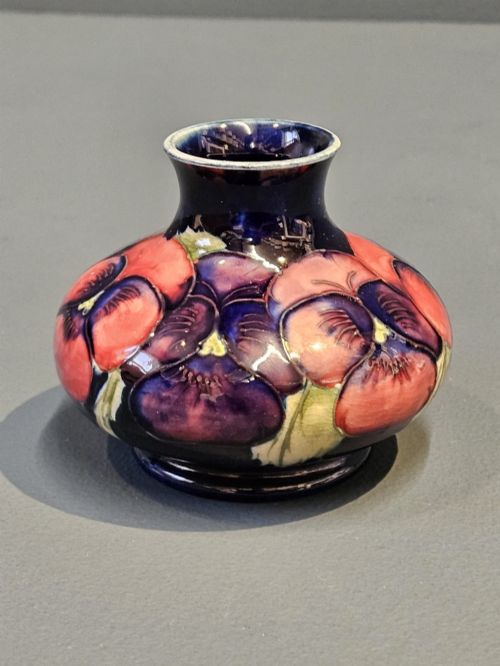
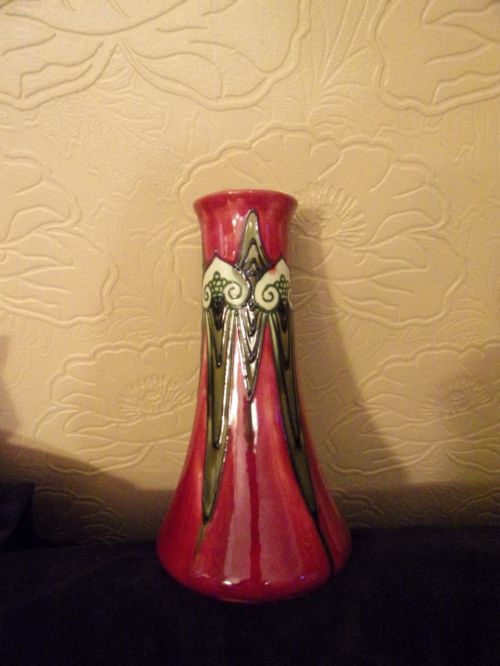
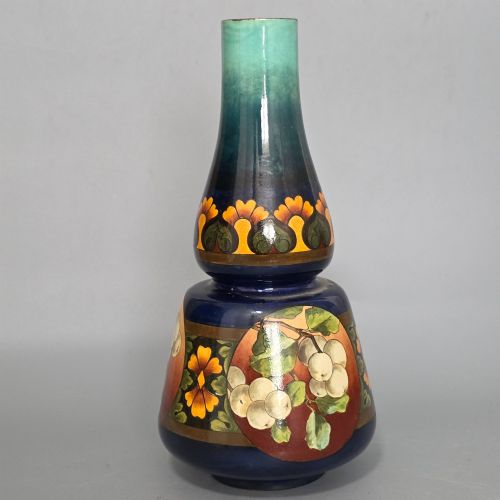
Buyers encounter distinct regional and factory styles, ranging from slip-decorated salt-glazed jugs to intricate tube-lined vessels created during the Arts and Crafts movement. Aesthetic developments are marked by shifts through Art Nouveau and Art Deco designs, utilising both earthenware and ironstone bodies.
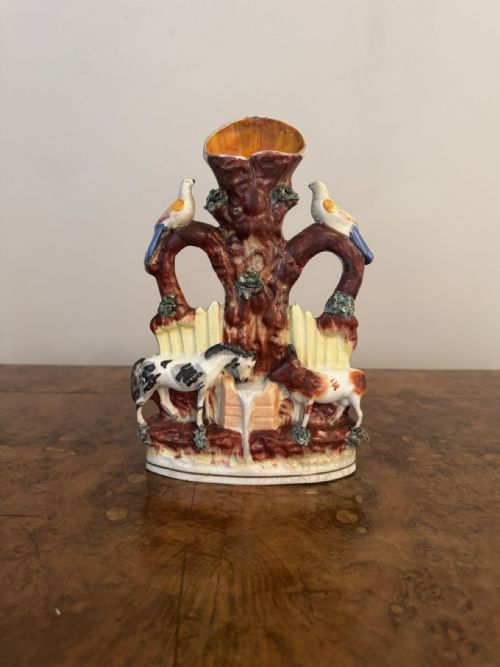
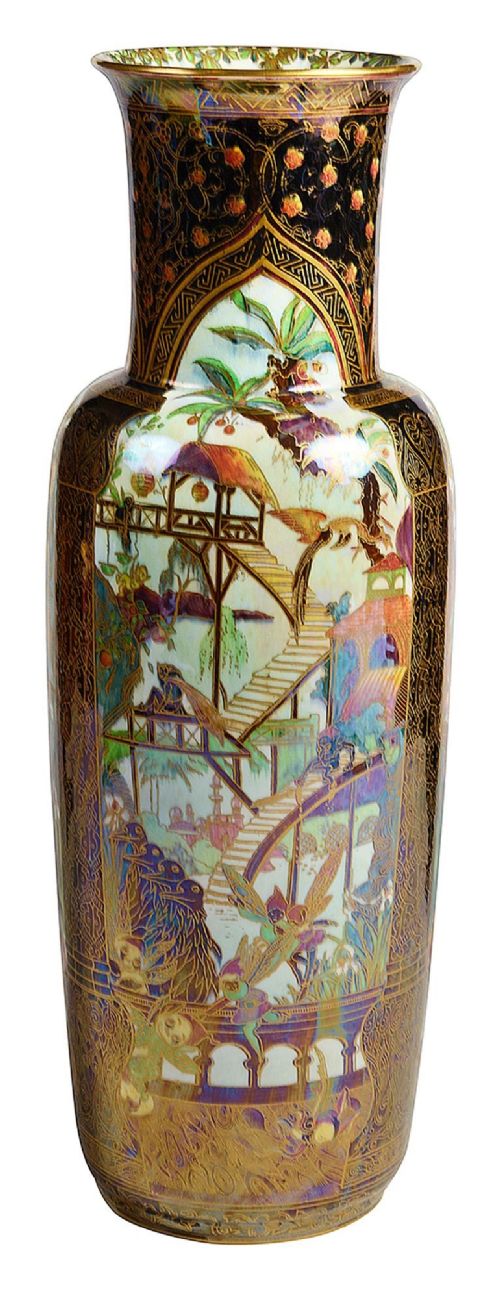
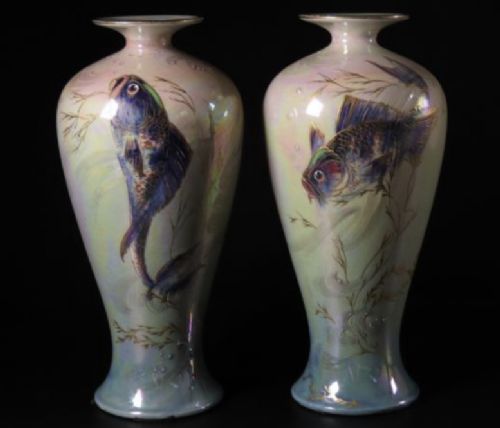
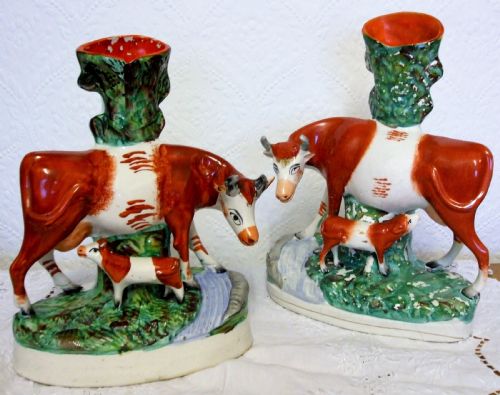
Forms vary from utilitarian spill vases shaped as animals or castles to large exhibition pieces decorated with transfer printing, enamel, or lustres. These objects reflect the changing domestic tastes and manufacturing capabilities of English potteries over successive decades.
How They Were Made
The construction of an antique English pottery vase typically involves earthenware, stoneware, or ironstone bodies shaped either by throwing on a potter's wheel or moulding in sections. Potters then applied liquid clay slips, coloured glazes, or enamel pigments before firing the ceramic in kilns.
Techniques such as tube-lining created raised outlines for coloured glazes to sit within, whilst lustre applications imparted metallic sheens through specialised chemical reductions during the firing process. Salt glazing involved throwing common salt into the kiln at high temperatures to produce a characteristic pitted surface texture on stoneware.
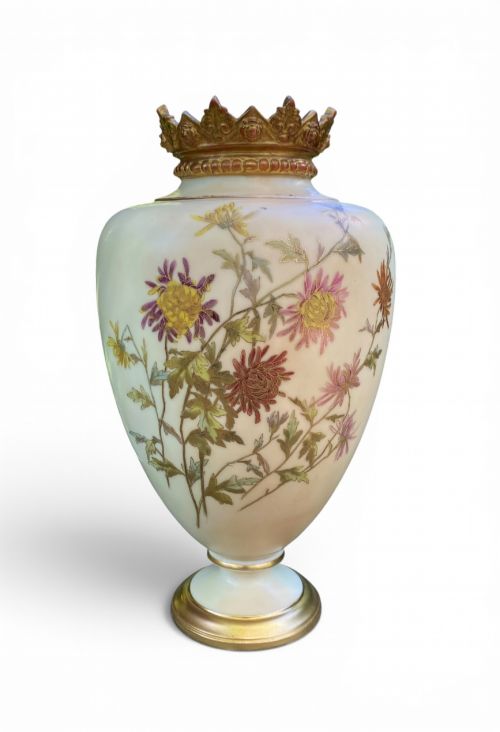
The listings span periods from the eighteenth century through the 1930s, incorporating earthenware, stoneware, and ceramic bodies decorated with enamel and gold leaf.
What Varies in Quality
Quality in these ceramics rests upon the precision of the modelling, the clarity of the glaze, and the artistic execution of the painted or transferred decoration. Hand-painted or tube-lined pieces demonstrate the steady hand of individual decorators, whilst crisp moulding defines the finer Staffordshire animal and figure groups.
The complexity of the ceramic body and the success of specialised finishes, such as iridescent lustres or deep salt glazes, distinguish standard production wares from exhibition-grade studio pieces. Superior examples retain vibrant enamel colours and well-preserved gilt or gold leaf highlights without heavy rubbing or kiln distortion.
Moorcroft·Minton·Wedgwood·Burmantoft s Pottery·Bretby Pottery·Shelley·Doulton Lambeth·Royal Worcester·Lambeth Pottery·Brannam·Royal Crown Derby·Spode·Sir Edmund Elton·Mason s Ironstone·Royal Doulton·Charlotte Rhead·Adams·Cranston·Royal Lancastrian·Miles Mason
The Antique English Pottery Vase Glossary
- Earthenware
- A porous pottery body fired at lower temperatures, requiring an applied glaze to become impermeable to liquids. This material forms the base of many Staffordshire figures and nineteenth-century domestic vases.
- Stoneware
- A dense, vitrified ceramic fired at high temperatures until the body becomes completely non-porous even without glaze. Salt-glazed examples display a characteristic orange-peel texture.
- Ironstone
- A patented type of heavy durable earthenware containing feldspar and china stone, developed in the early nineteenth century. It bridges the gap between earthenware and true porcelain.
- Spill Vase
- A small cylindrical vessel designed to hold taper spills used for lighting candles and fires. These often take figurative forms depicting animals, birds, or architectural structures.
- Tube-lining
- A decorative technique where a thin trail of liquid clay is squeezed onto the ceramic surface through a nozzle to form raised outlines. These raised cells then contain different coloured glazes.
- Lustre
- A metallic glaze application that produces an iridescent, reflective sheen upon the finished ceramic surface. It was achieved through the reduction of metallic oxides during firing.
Antique English Pottery Vase: Frequently Asked Questions
How do I date an antique vase?
Dating relies upon factory backstamps, registration marks, and stylistic indicators such as colour palettes and manufacturing techniques. Comparing the shape and decorative motifs to documented production periods helps narrow down the year of creation.
Changes in glaze formulas and the evolution of company names provide further chronological markers. Experts examine the underside of the ceramic body for impressed or painted factory signatures.
What is a Staffordshire spill vase?
A Staffordshire spill vase is a hollow ceramic figure incorporating a small cylinder designed to hold wooden tapers. Victorian households used these tapers to transfer flames from the hearth to candles or lamps.
These pieces frequently depict domestic animals, wildlife, or pastoral scenes rendered in bright earthenware colours. They combined decorative appeal with practical utility in nineteenth-century parlours.
How should I clean my pottery vase?
Cleaning antique ceramics requires gentle dusting with a soft, dry cloth to prevent the accumulation of abrasive particles. Submerging older earthenware in water can risk moisture absorption through microscopic cracks in the glaze.
Harsh chemical detergents or modern cleaning agents should be strictly avoided on hand-painted or enamelled surfaces. Professional conservation advice is recommended for pieces showing structural fragility or degraded glazes.
What distinguishes stoneware from earthenware?
Stoneware is fired at significantly higher temperatures than earthenware, causing the clay body to vitrify and become completely impermeable. Earthenware remains porous after firing and requires a glass-like glaze coating to hold water.
This difference in composition makes stoneware noticeably heavier and more durable than standard earthenware. Salt-glazed stoneware pieces also exhibit a distinctive textured exterior finish unique to that firing method.