
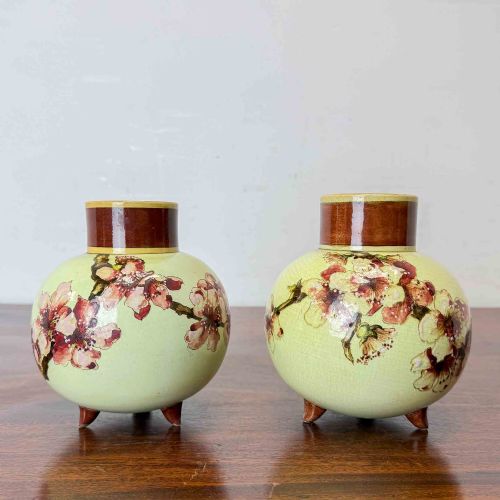

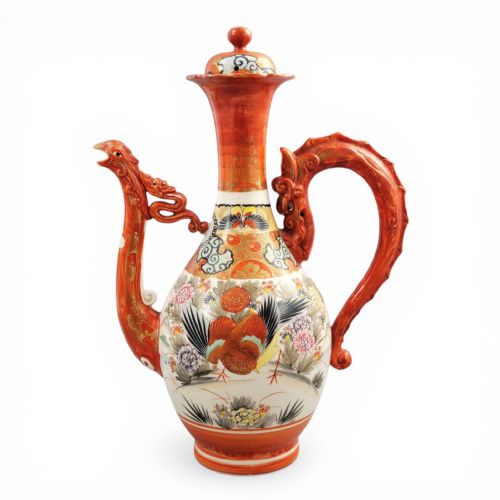


Late Victorian Ceramic Vessel
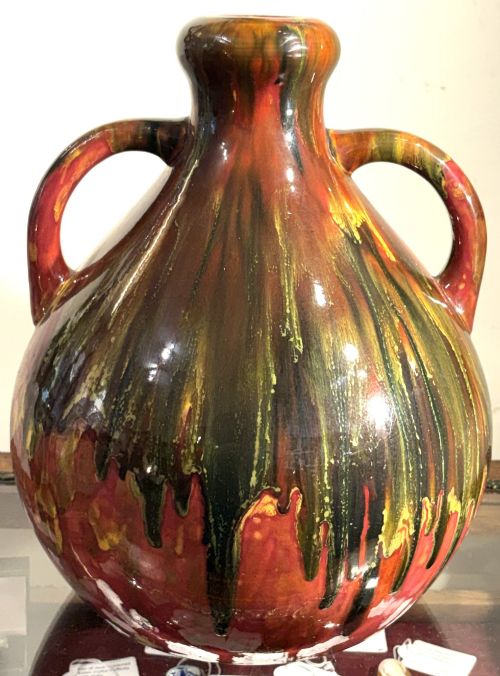
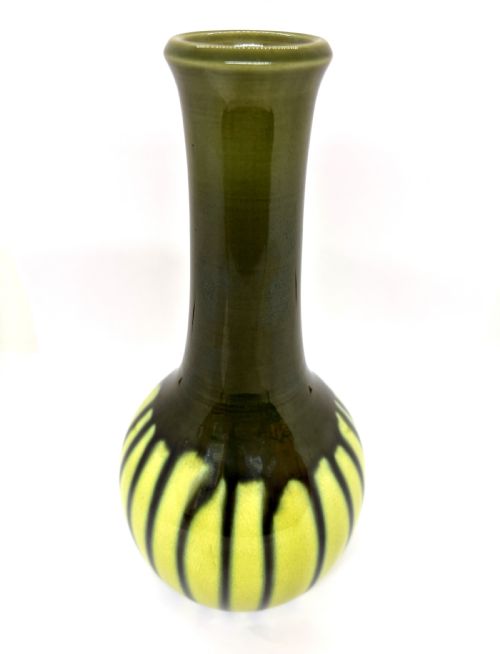
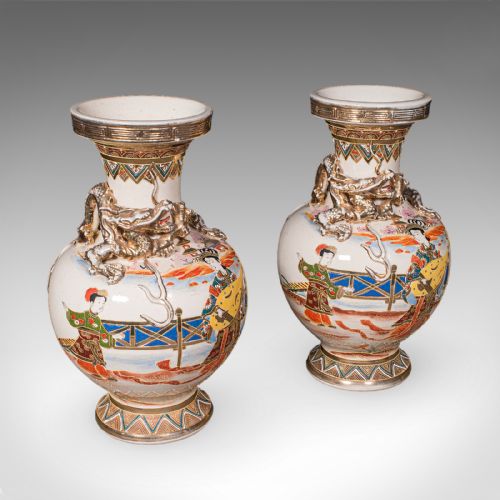
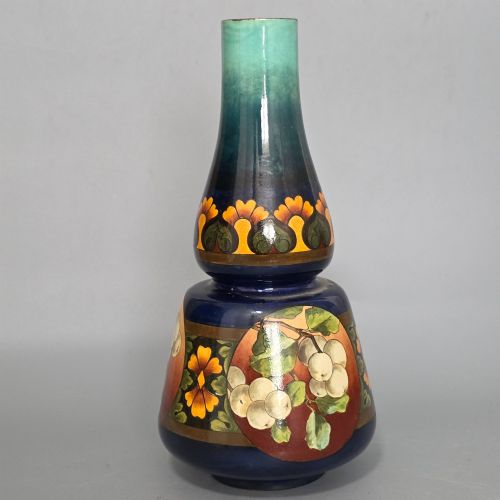
These late victorian ceramic vessel pieces are substantial earthenware and porcelain creations that anchor a room with period weight.
Late Victorian Ceramic Vessel
A late victorian ceramic vessel encompasses a diverse group of vases, jardinières, jugs, and urns originating primarily from the late nineteenth century and the early twentieth century. When exploring this selection, buyers frequently encounter studio pottery, faience, and finely decorated porcelain from major British potteries and international workshops.
The forms range from large twin-handled vases and decorative ewers to umbrella stands and delicate potpourri lidded jars. Stylistically, these pieces reflect the broader artistic movements of their time, including Arts and Crafts, Art Nouveau, Aesthetic Movement, and Neoclassical influences.
Makers utilised various traditional shapes such as baluster profiles and classical urn silhouettes. Examining the physical structure reveals how utilitarian vessels evolved into purely decorative ornamental objects for the home.
Materials and production methods
Makers constructed these vessels using earthenware, porcelain, and glazed bodies, applying intricate glazes and enamel decoration by hand. Many pieces feature surface embellishments like gold leaf, gilt accents, and pierced handles.
Techniques varied from the slip-cast and thrown forms of British art pottery to specialised faience and salt glaze firing methods. Artisans combined hand-painting with moulded details to achieve rich textural and visual depth.
Victorian households sometimes deployed salt glaze puzzle jugs with secret spouts to test the sobriety of dinner guests.
Assessing craftsmanship and execution
Quality in a late victorian ceramic vessel rests upon the precision of the hand-painted decoration and the depth of the glaze. Finer examples display crisp detail in floral or figural motifs and expert application of gilt highlights.
The weight and balance of the ceramic body, alongside the sophistication of the firing process, distinguish standard production wares from exceptional studio and factory pieces. Well-executed handles, piercing, and surface textures elevate the visual impact.
Burmantofts·Doulton Lambeth·Royal Worcester·Sir Edmund Elton·Brannam Art Pottery·Sitzendorf
The Late Victorian Ceramic Vessel Glossary
- Faience
- Tin-glazed earthenware popular in late nineteenth-century art pottery production. It provides an opaque white surface suitable for detailed hand-painted scenes.
- Baluster
- A vertical architectural form featuring a rounded lower body tapering to a narrower neck. This silhouette frequently defines the profile of large decorative vases.
- Jardiniere
- An ornamental ceramic pot designed to hold live plants or floral arrangements. These vessels often sit on pedestals or display substantial handles.
- Salt glaze
- A vitreous coating formed by throwing common salt into the kiln during high-temperature firing. This technique creates a distinctive textured surface resembling orange peel.
Late Victorian Ceramic Vessel: Frequently Asked Questions
How do I identify a genuine period piece?
Examine the base for factory stamps, impressed registration numbers, or artist signatures characteristic of late nineteenth-century production. The weight of the earthenware or porcelain and the chemical consistency of the glaze also offer reliable clues.
Compare the stylistic motifs against documented examples from specific potteries active during the Victorian era. Genuine pieces often display subtle hand-finishing marks that distinguish them from later reproductions.
Where were these vessels displayed originally?
Owners placed these decorative items prominently on mantelpieces, pedestals, and entrance halls within Victorian homes. Large jardinieres and umbrella stands functioned as both practical furnishings and status symbols in reception rooms.
Smaller vases and urns occupied occasional tables and cabinets, showcasing the homeowner's appreciation for contemporary artistic movements.
What distinguishes art pottery from standard wares?
Art pottery prioritises individual artistic expression, unique glazing techniques, and skilled hand-painting over mass commercial output. These pieces frequently bear the personal signature or monogram of the studio potter.
Standard factory wares relied on standardised moulds and transfer-printing methods for volume production. Art pottery examples often exhibit experimental textures and one-off decorative schemes.