

Antique Blue Table Lamp
An antique blue table lamp brings deep colour and decorative ceramic form into a room, offering warm illumination alongside historical character.
Antique Blue Table Lamp
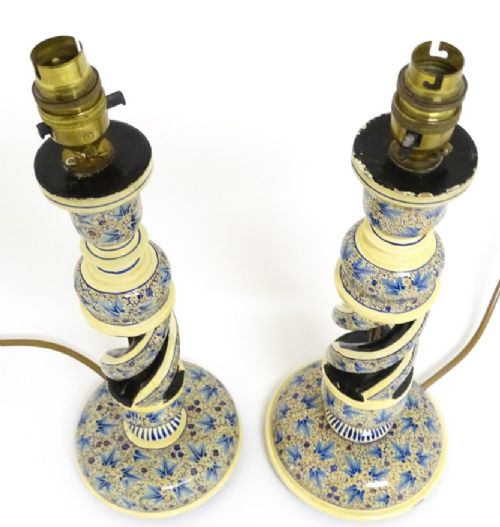
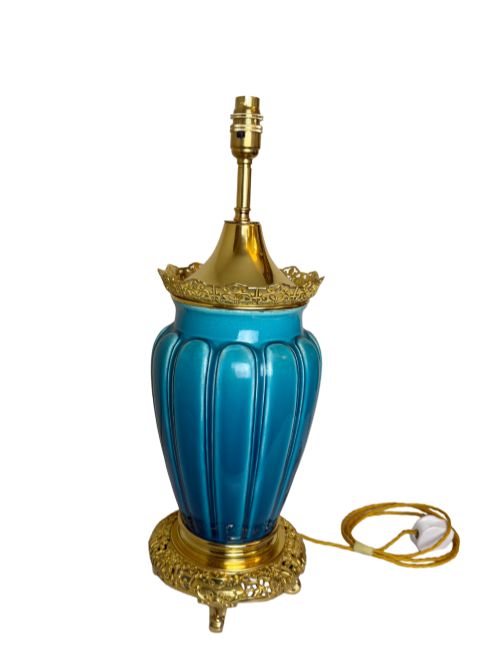
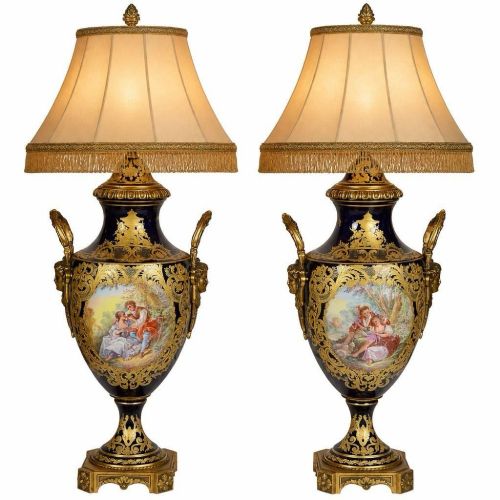
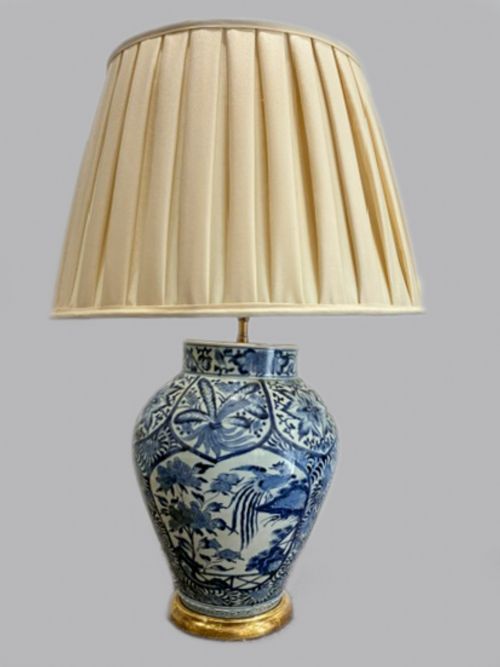
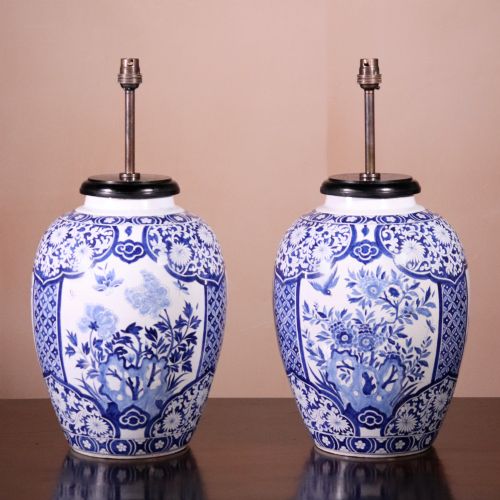
An antique blue table lamp typically takes the form of an historic ceramic vase, jar or oil reservoir converted to electrical use over time. These pieces often arrive from nineteenth-century European or Asian traditions, frequently pairing painted porcelain or glazed earthenware with metal mounts.
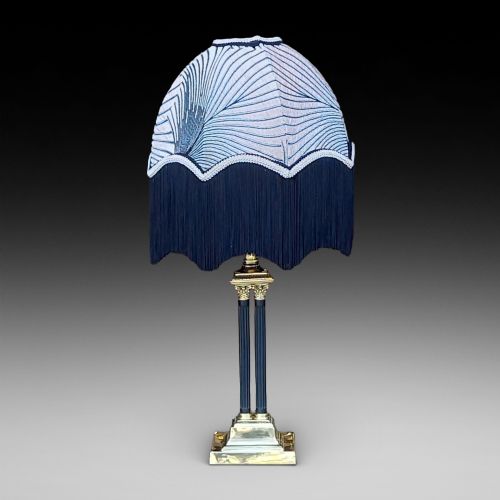
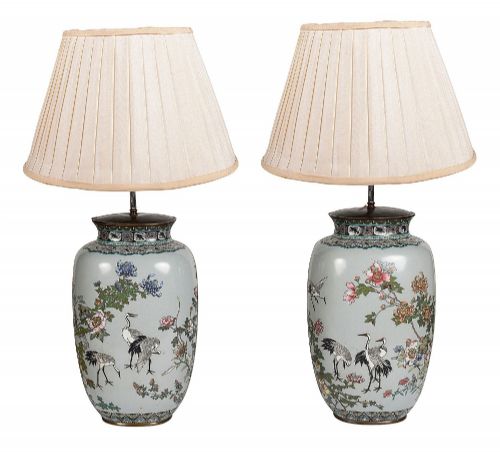
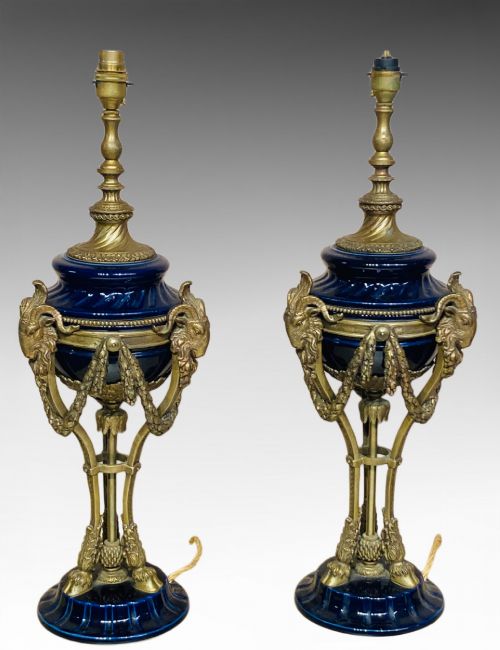
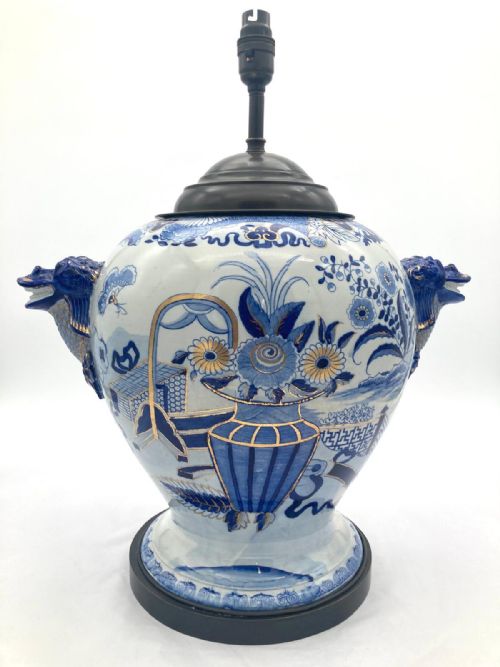
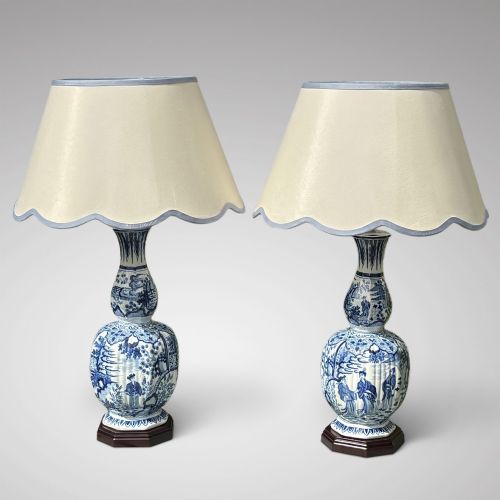
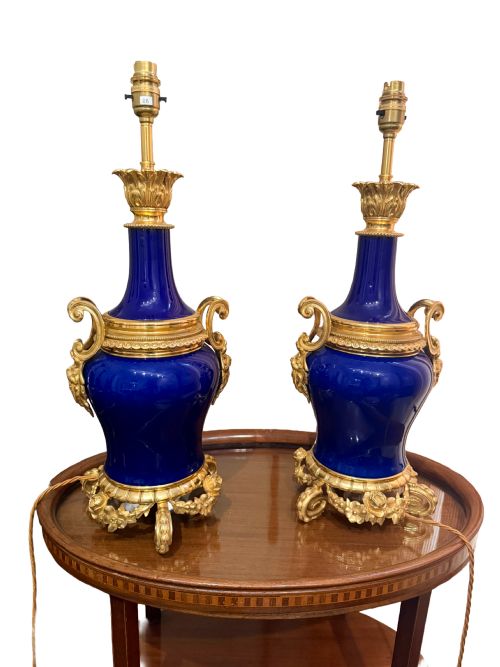
The selection spans from nineteenth-century French porcelain urns with ormolu trims to Delft blue and white earthenware and Japanese cloisonné enamel. Alongside these converted vessels, buyers also encounter classic Victorian brass oil lamps featuring coloured glass fonts and shades.
Materials and construction methods
The primary bodies rely on porcelain, ceramic, glass or cloisonne enamel, often glazed in rich shades of cobalt, turquoise or celadon blue. Metal components such as brass, gilt bronze and ormolu form the bases, collars and decorative mounts that support the ceramic bodies.
Many of these lighting pieces began life as vases, jars or oil lamps before undergoing later conversion into table lamps. Skilled workshops added electrical wiring, weighted bases and bespoke fabric or handmade shades to complete the transition.
Listings feature materials spanning porcelain, brass, gilt bronze, fabric and glass across the nineteenth and twentieth centuries.
Quality factors in blue lamps
The standard of the ceramic body and the crispness of the hand-painted cobalt decoration set the baseline for quality. Fine examples display deep, even glazes and carefully articulated pictorial details rather than flat or muddy transfers.
The integration of the metal mounts, such as cast ormolu or heavy brass Corinthian columns, distinguishes higher-grade pieces. Superior lamps retain well-chiselled mounts that fit the ceramic contours precisely, accompanied by quality period components.
The Antique Blue Table Lamp Glossary
- Ormolu
- Gilded bronze mounts cast in ornamental shapes and attached to the base or neck of ceramic lamps. This technique was widely utilised by nineteenth-century French makers.
- Cloisonne
- Enamel work created by soldering wire compartments onto a metal base before filling them with coloured paste and firing. This method produces intricate patterned surfaces on Japanese vessels.
- Delft
- Tin-glazed earthenware originating from Dutch and English kilns, typically decorated in blue and white. These vessels frequently feature in converted lamp forms.
Antique Blue Table Lamp: Frequently Asked Questions
How do I date an antique lamp?
Dating relies primarily on the style of the ceramic body, the manufacturing characteristics of the brass or bronze mounts, and any visible maker marks on the base. Stylistic clues from periods like the nineteenth century or Victorian era provide a reliable chronological anchor.
Rewiring and conversion hardware often date from the twentieth century, so focus your dating assessment on the original vessel or metal framework rather than the electrical cord.
How should I style a blue lamp?
A blue ceramic or glass lamp works well placed on a side table, sideboard or desk where its saturated colour can draw the eye. Pair it with a neutral or handmade fabric shade to balance the visual weight of the base.
Consider the surrounding room palette, as cobalt and turquoise tones complement both traditional dark wood furniture and lighter interior schemes.
What is a converted lamp?
A converted lamp is an antique vessel, such as an eighteenth-century vase or a Victorian oil lamp, that has been adapted to hold electrical fittings and a bulb. This practice gives decorative objects a practical second life as functional lighting.
Conversion methods vary depending on the era of adaptation, with some retaining original burners and fonts while others feature custom-drilled ceramic bases.