
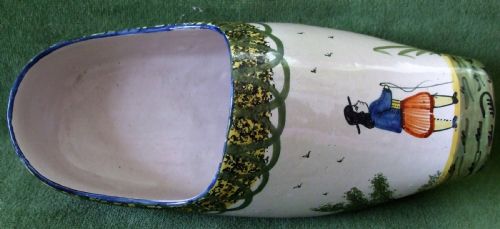


Cream Ceramic Planter
These cream ceramic planter examples combine utilitarian forms with decorative elegance, offering a practical home for indoor greenery.
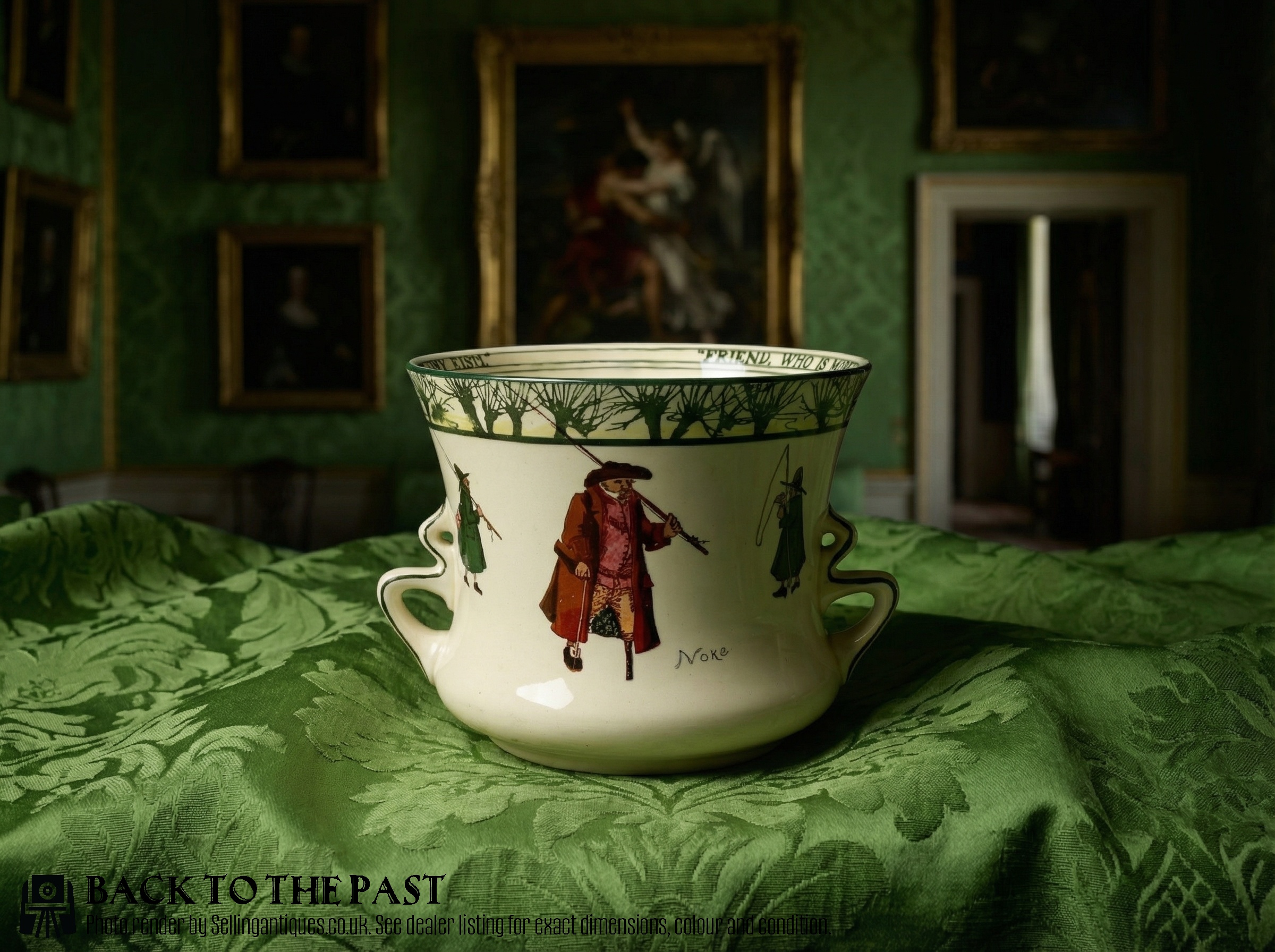
Cream Ceramic Planter
A cream ceramic planter encompasses items designed to hold plants, drawing from periods such as the Victorian and Edwardian eras, alongside pieces dated to 1900, 1910, 1920, and 1930. The selection includes object types described as planters, jardinières, garden urns, and vases.
Buyers will encounter forms ranging from large English pottery three-handled jardinières and Victorian tree planter bases to Grand Tour Italian planter urns and Japanese Satsuma bowls. Materials extend across earthenware, porcelain, glazed ceramic, and terracotta.
Stylistic influences span the Meiji period, Art Deco, French Provincial, and Rococo Revival. These items function primarily to house botanical displays within homes, conservatories, and patios.
Materials and production
Potters shaped these objects using earthenware, terracotta, and porcelain, applying glazes to seal the porous clay bodies and provide surface colour. Many examples utilise hand-painted details to enrich the ceramic body.
Firing techniques varied depending on the pottery and period, yielding either a refined porcelain finish or a heavier glazed earthenware structure suited to holding soil and moisture.
Object forms range from jardinières and tree planter bases to decorative vases and garden urns.
Assessing the range
Quality rests on the crispness of the modelled form and the control shown in the glaze and hand-painted decoration. Finer examples display balanced proportions and deliberate artistic execution rather than hasty mass production.
The distinction between standard domestic items and superior works lies in the depth of the finish, the complexity of the ceramic body, and the preservation of the original surface details over time.
Lipscombe & Co·Royal Dux·Charles Noke for Royal Doulton·HB Quimper·Clarice cliff
The Cream Ceramic Planter Glossary
- Jardinière
- A large ornamental pot or stand for holding flowers or plants, frequently designed for interior display.
- Earthenware
- Porous pottery fired at lower temperatures, requiring a glaze to become impermeable to water.
- Terracotta
- Unglazed or glazed fired clay of a brownish-red colour, commonly utilised for garden urns and planters.
- Satsuma
- Japanese earthenware pottery characterised by a ivory-coloured, crackle-glazed surface decorated with intricate enamels and gilding.
Cream Ceramic Planter: Frequently Asked Questions
Where should I place a heavy ceramic planter?
These pieces suit stable indoor surfaces, conservatories, or sheltered patio areas where their weight and glazed finishes remain protected from extreme frost.
Ensure the supporting surface can bear the combined weight of the ceramic body, soil, and plant material.
How do I care for antique glazed planters?
Wipe the surface gently with a soft, damp cloth to remove dust without harming fragile painted details or aged glazes.
Avoid harsh chemical cleaners that might strip the historic finish or discolour the cream ceramic body.
Can these planters hold live plants directly?
Many older vessels lack modern drainage holes, meaning they function best as cachepots to hold potted plants inside.
Using a plastic nursery pot inside the ceramic container protects the interior from constant moisture exposure.
How are different periods distinguished?
Stylistic cues such as Victorian ornamentation, Art Deco geometric lines, or Meiji period motifs point towards specific eras of manufacture.
Clay types, glaze compositions, and maker marks further help confirm the age and origin of each piece.