

Antique Cachepot Pot
An antique cachepot pot brings greenery indoors with the refined craftsmanship of past centuries.
Antique Cachepot Pot
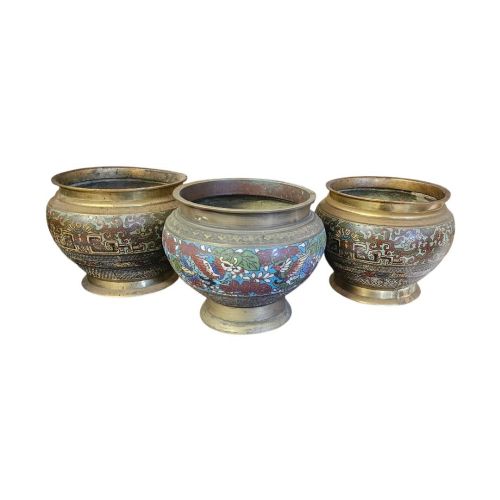
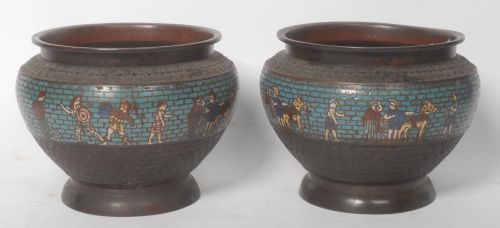
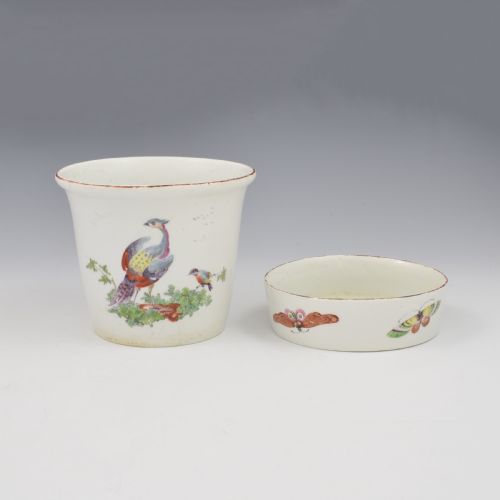
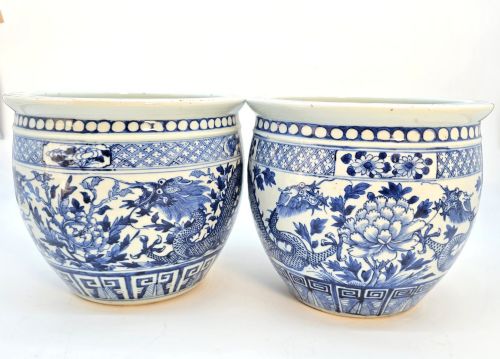
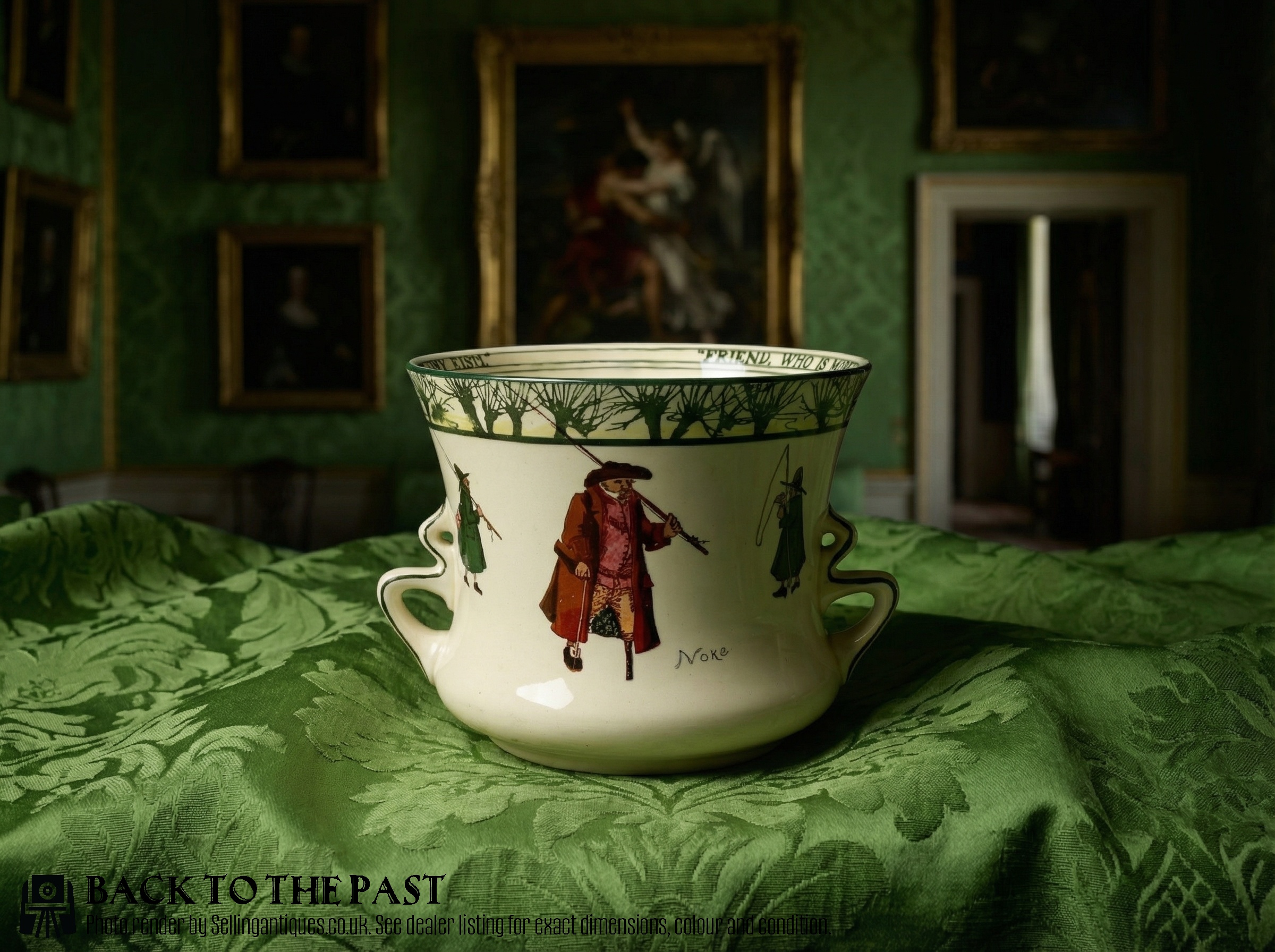
When you search for an antique cachepot pot, you encounter decorative indoor plant vessels intended to hold potted flora rather than plant earth directly. These pieces appear under various historical denominations such as jardinières, planters, bough pots and plant stands.
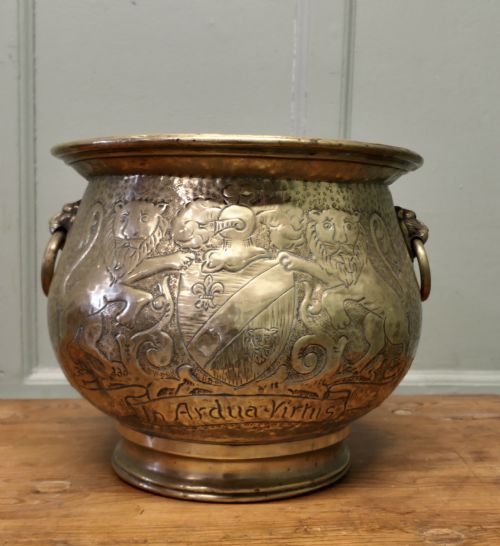
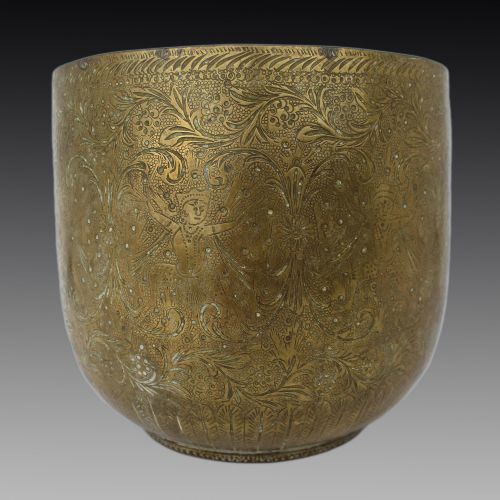
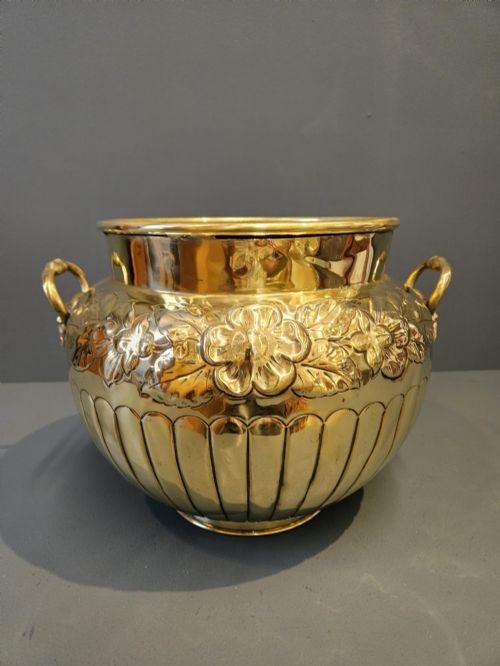
The specimens on this page span several centuries, with particular concentration in the Victorian era, the nineteenth century and the early twentieth century. Common physical forms range from compact ceramic bowls to substantial floor-standing copper and brass containers.
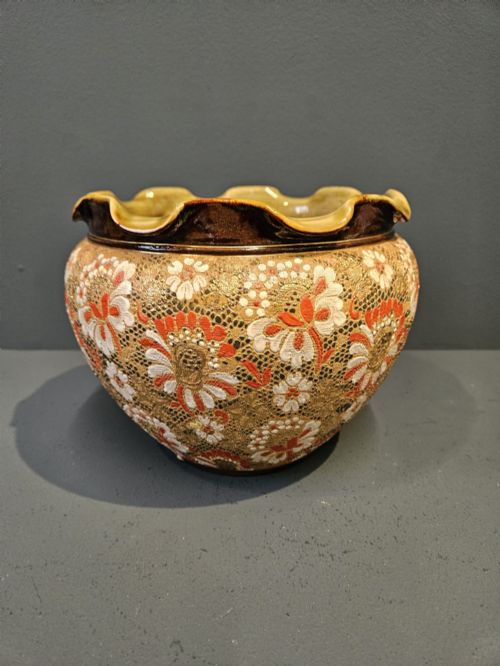
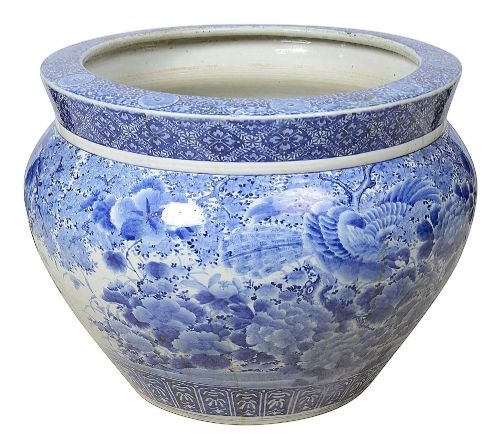
Geographic origins vary widely across the selection, encompassing English ceramics, Dutch metalwork, Japanese export porcelain and French decorative bronzes. Buyers are most likely to meet Victorian brass planters or English ceramic jardinières on this page.
How they were made
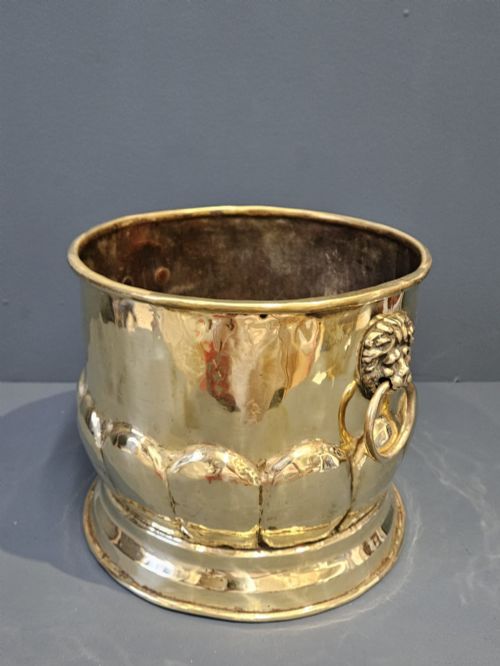
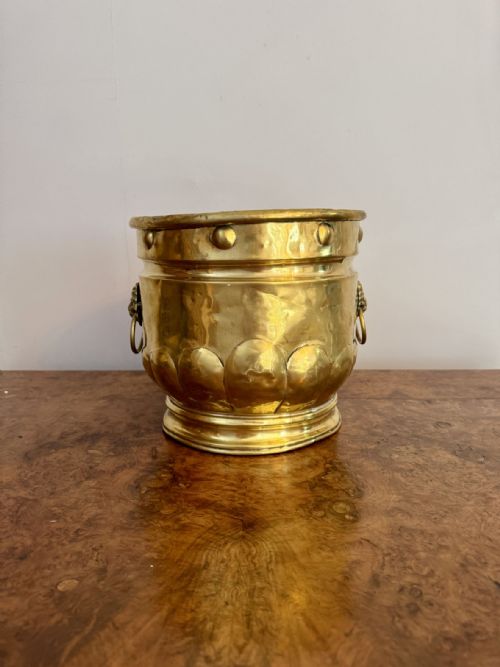
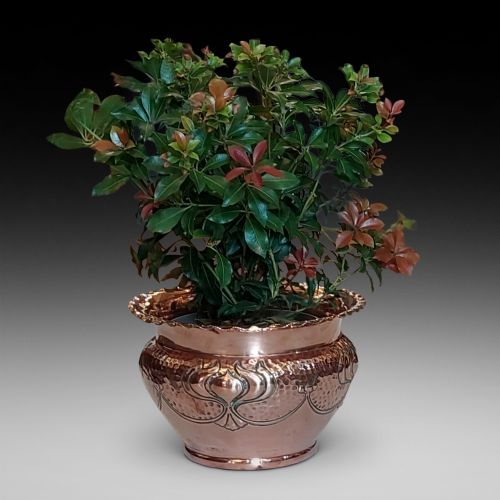
Metals such as brass and copper dominate the metallic examples, often shaped by hand, beaten into form or pierced with decorative patterns. Artisans also utilised gold leaf and ormolu for high-status decorative accents on specific vessels.
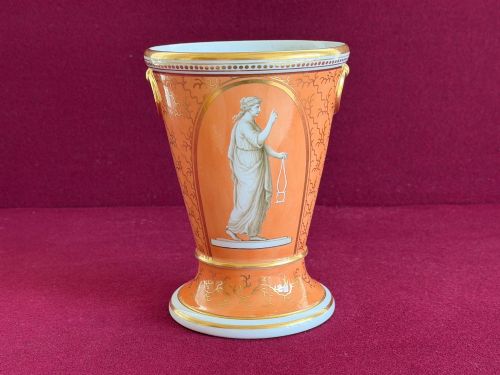
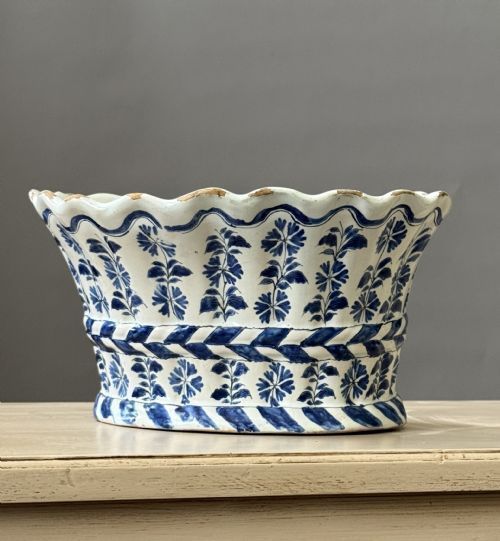
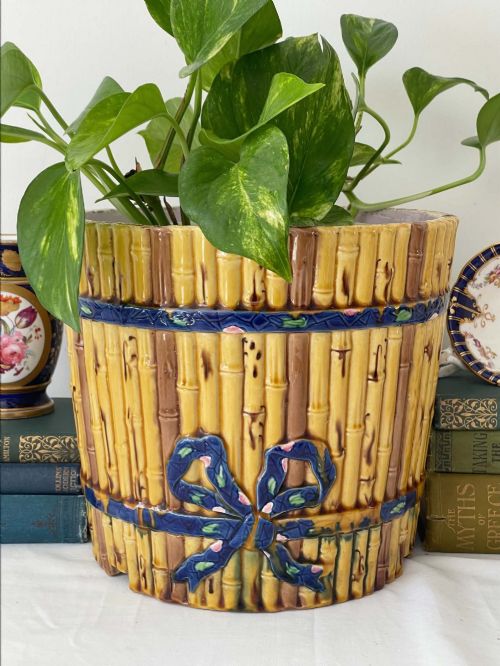
Ceramic pieces rely on established firing traditions, utilising porcelain, stoneware, majolica, Delft faience and jasper ware. Decoration on these clay bodies frequently involves hand-painted blue and white pigments, transfer printing or raised sculptural elements.
Listings feature brass, copper, porcelain, ceramic, stoneware, enamel, gold leaf and glaze.
What varies in quality
The distinction between ordinary and exceptional pieces rests primarily on the crispness of execution and the ambition of the design. Formative artistic input from recognised potteries or skilled metalworkers elevates a vessel well beyond standard utilitarian production.
Material thickness and decorative depth also dictate overall standard, as heavier gauge metals and hand-painted ceramic details demonstrate superior workshop standards. The survival of matching original stands or integrated crests further separates the finest examples from standard production.
Flight And Barr Worcester·Barr Flight And Barr·Minton·Doulton Lambeth·Royal Doulton·William Adams And Sons·W A Adderley·Doulton Burslem·Ethel Beard
The Antique Cachepot Pot Glossary
- Cachepot
- A decorative container used to conceal an ordinary flowerpot. The French term translates literally as hide-pot.
- Jardinière
- A large ornamental pot or stand for plants or flowers. These vessels are typically manufactured from ceramic or metal.
- Jasper ware
- A type of stoneware developed by Josiah Wedgwood distinguished by a matte unglazed finish and raised white ceramic reliefs.
- Majolica
- A colourful tin-glazed earthenware popular during the nineteenth century. The technique produces vibrant, glossy surfaces.
- Bough pot
- A traditional receptacle designed specifically for holding cut tree boughs or floral arrangements. These pieces frequently date to the eighteenth century.
Antique Cachepot Pot: Frequently Asked Questions
What is an antique cachepot pot used for?
These vessels serve to house indoor plants while concealing utilitarian plastic or clay growing pots inside them. They function as decorative interior accents on tables, ledges and dedicated plant stands.
Historically, they protected fine furniture surfaces from moisture damage associated with indoor gardening. Today, collectors utilise them both for live foliage and as standalone decorative display objects.
How do I distinguish porcelain from stoneware?
Porcelain is a fine-grained, vitrified ceramic that typically exhibits translucency when held up to a strong light source. It rings with a clear note when tapped gently.
Stoneware is a heavier, opaque ceramic fired at higher temperatures until non-porous. It feels dense and durable, often featuring salt-glazed or textured surfaces.
How can I tell Victorian pieces apart from Georgian ones?
Georgian pieces often display neoclassical symmetry, delicate hand-painted motifs, and refined porcelain bodies associated with eighteenth-century factories. Their forms tend to be restrained and classical.
Victorian items frequently exhibit heavier proportions, bolder industrial manufacturing techniques, and stylistic revivals like Gothic or Art Nouveau. Eclecticism defines the later nineteenth-century aesthetic.