


Edwardian Ceramic Jardiniere
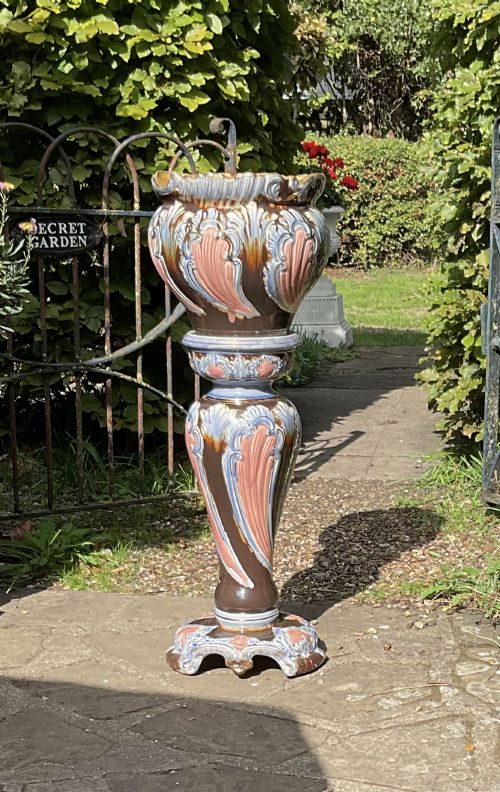
These Edwardian ceramic jardiniere pieces are glazed plant vessels from the early twentieth century designed to hold indoor foliage in style.
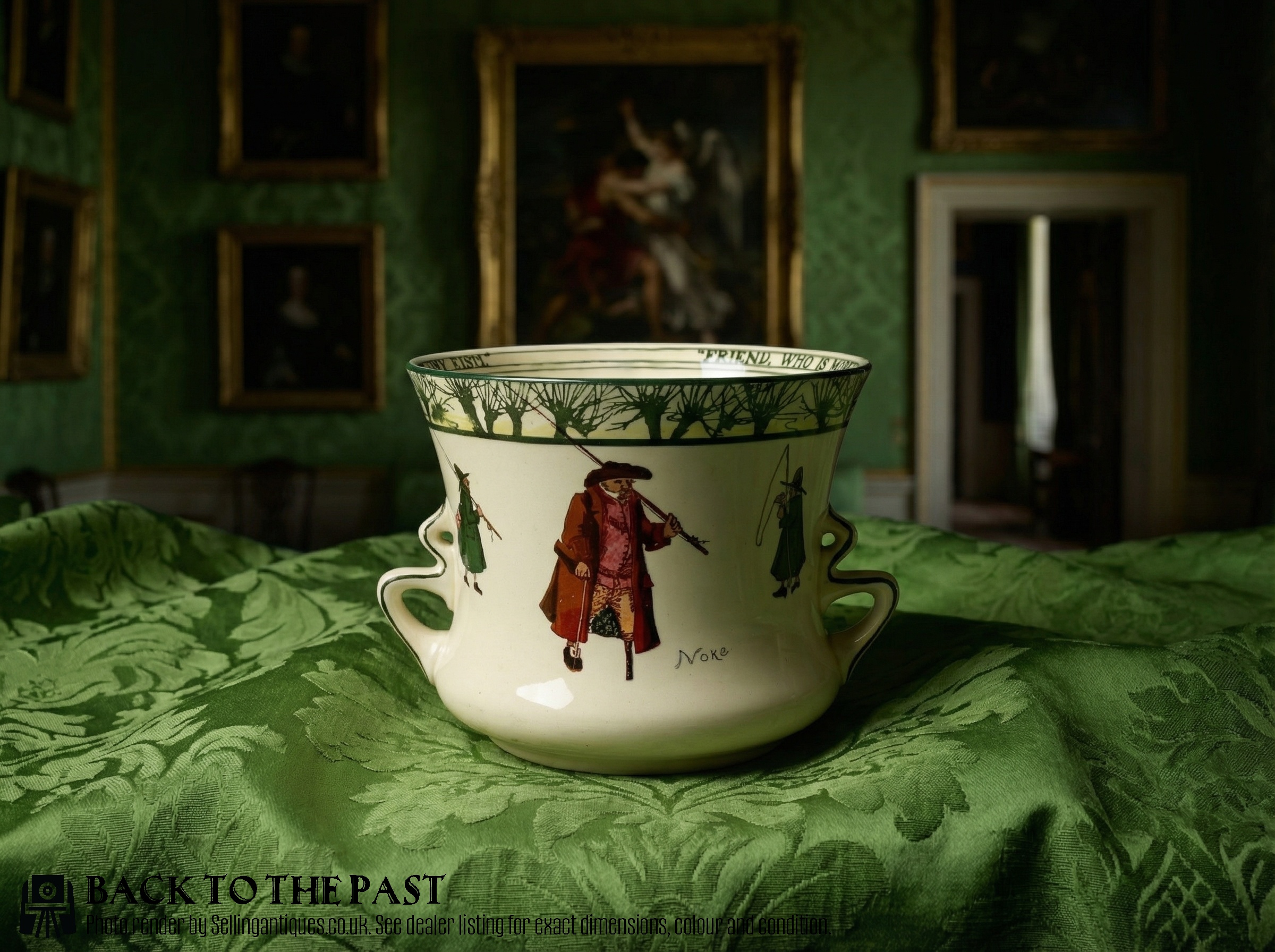
Edwardian Ceramic Jardiniere
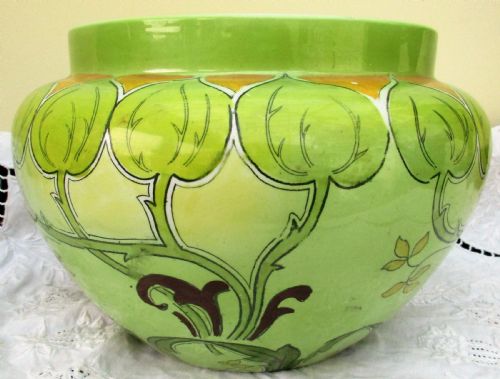
When you search for an edwardian ceramic jardiniere, you encounter plant holders and cachepots made during the late nineteenth and early twentieth centuries. Most examples on this page date from the Edwardian era through to the nineteen-twenties, incorporating earlier Victorian roots and Art Nouveau influences.
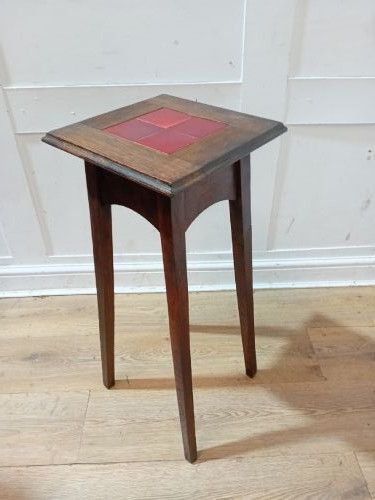
The forms range from single pots on stands to paired vessels and large cachepots. Makers produced pieces in earthenware, stoneware, and porcelain, frequently pairing ceramic bowls with oak or silver-plated stands.
How they were made
Potters shaped clay into heavy vessels using earthenware and stoneware bodies, applying lead and coloured glazes to achieve rich surface sheens. Factories such as Royal Worcester and Royal Doulton utilised specialised firing techniques to produce blush ivory finishes and Secessionist glaze effects.
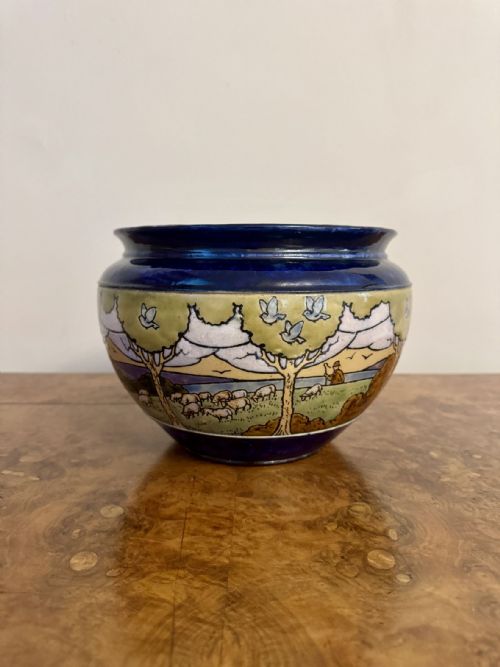
Some cachepots incorporate delicate hand-painted motifs or gilded details, while others rely on the natural texture of the fired ceramic body. Oak and silver-plated metal frames provide structural support for the heavier pots.
Fishermen occasionally found themselves immortalised in ceramic glaze, watching over Edwardian ferns from the side of a trophy planter.
What varies in quality
The standard of an edwardian ceramic jardiniere depends upon the reputation of the pottery and the complexity of its glaze work. Pieces bearing known studio marks or artist signatures demonstrate superior ceramic chemistry and painting skill.
Subtlety in the transition of Art Nouveau lines and the crispness of moulded relief work distinguish finer output from standard commercial production. The presence of matching stands or original metal fittings also elevates a piece.
Royal Doulton·Royal Worcester·Minton·W A Adderley·Coalport·Charles Noke
The Edwardian Ceramic Jardiniere Glossary
- Jardiniere
- An ornamental pot or stand designed to hold a plant or floral arrangement. These vessels sit on tables or floor pedestals.
- Cachepot
- A decorative flower pot used to conceal an ordinary plain plant pot inside. It typically lacks drainage holes at the base.
- Blush ivory
- A matte cream ceramic ground decorated with soft pastel tints and gilt highlights. Royal Worcester popularised this distinct finish.
- Secessionist
- A stylistic movement related to Art Nouveau featuring bold colours and fluid, stylised motifs. Minton produced notable examples in this manner.
- Stoneware
- A robust ceramic fired at high temperatures until vitrified and waterproof. It resists chipping better than standard earthenware.
Edwardian Ceramic Jardiniere: Frequently Asked Questions
What is an edwardian ceramic jardiniere?
An edwardian ceramic jardiniere is an ornamental plant pot produced around the start of the twentieth century. These vessels brought outdoor foliage into Victorian and Edwardian parlours.
They appear in various glazed ceramics, often featuring Art Nouveau or Arts and Crafts styling.
How were these planters used?
Victorian and Edwardian households placed these pots on tables, sideboards, or dedicated stands to display ferns and flowering plants. They served as decorative indoor containers rather than garden growing pots.
Many featured matching saucers or outer cachepots to catch excess water.
How do I identify a Royal Worcester piece?
Royal Worcester items often display specific factory backstamps underneath the glaze along with registration numbers. Blush ivory pieces feature a distinctive matte cream surface with hand-painted floral decoration.
Look for impressed marks that indicate the date of manufacture.
Are these pots waterproof?
Stoneware and glazed earthenware pots generally hold water well due to their vitrified body. However, porous early ceramics may allow moisture to seep through unglazed interior areas.
Using a modern plastic liner inside the antique vessel protects the historic ceramic from mineral deposits.
What is the difference between Art Nouveau and Arts and Crafts?
Art Nouveau styles utilise flowing, organic plant lines and asymmetrical curves. Arts and Crafts designs favour honest construction and handcrafted simplicity.
Both aesthetics influence the ceramic jardiniere pieces found from this period.