


Handled Ceramic Planter
These handled ceramic planter examples range from Victorian earthenware to Arts and Crafts jardinieres, offering practical vessels for botanical displays.
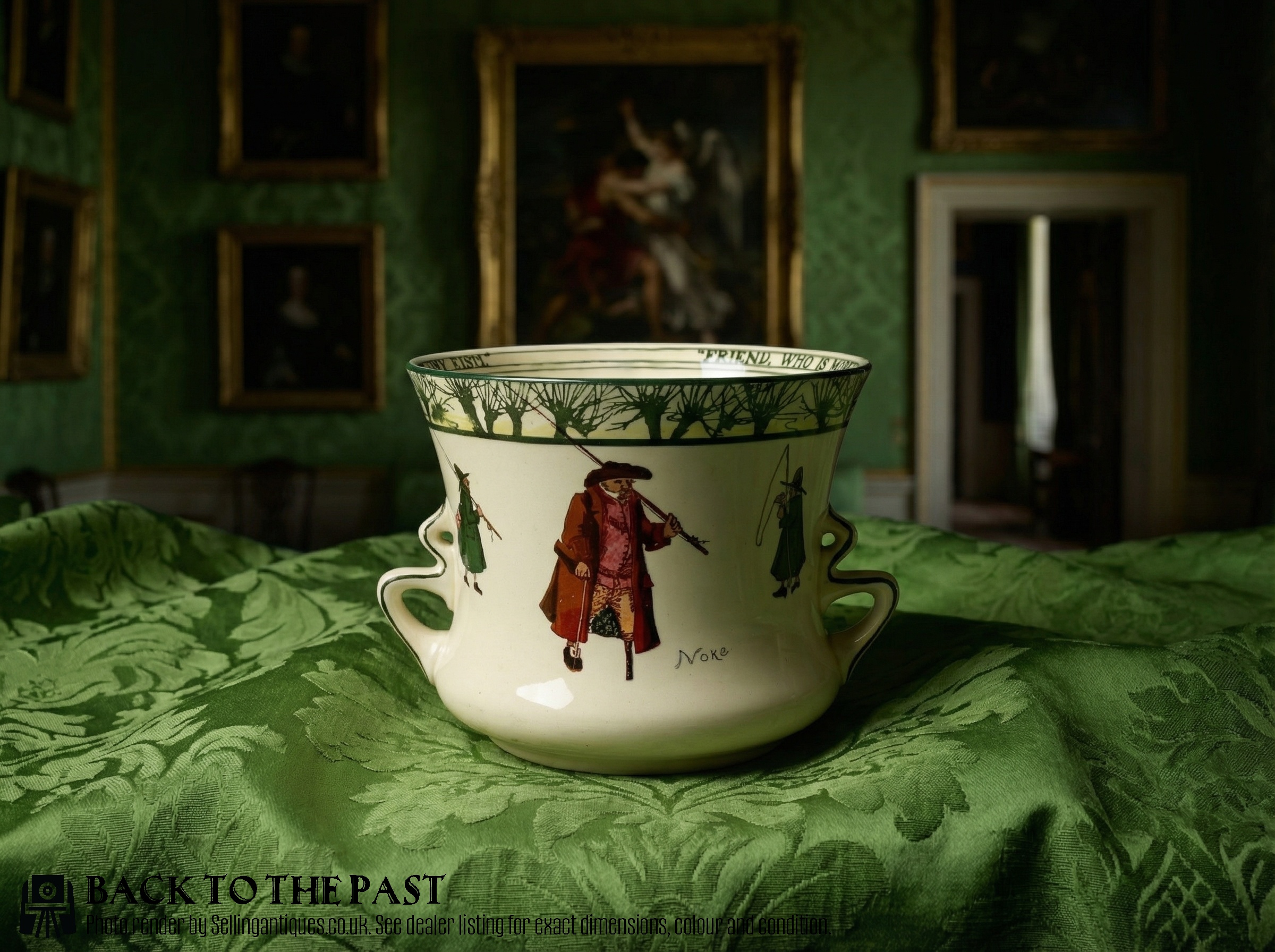
Handled Ceramic Planter
A handled ceramic planter brings historical earthenware, terracotta, and porcelain vessels into modern interiors for holding plants and botanical arrangements. These pieces function as decorative cache pots, jardinieres, and oil jars, often featuring integrated handles for transport.
The selections available here span the nineteenth and twentieth centuries, encompassing Victorian, Edwardian, and Arts and Crafts aesthetics. Common forms include large garden pots, twin-handled vessels, and detailed cache pots originating from English, French, and German workshops.
Materials and construction
Potters shaped these vessels using earthenware, terracotta, stoneware, and porcelain, often applying rich glazes to the exterior surfaces. Green glazes, confit jar finishes, and hand-painted motifs appear frequently across the terracotta and ceramic bodies.
Makers utilised traditional throwing and moulding techniques, occasionally incorporating gold leaf detailing or applied structural elements such as scroll handles. The structural integrity relies on well-fired clay bodies designed to hold weight and moisture.
Listings feature pieces spanning the nineteenth and twentieth centuries, constructed from earthenware, terracotta, stoneware, and porcelain.
Assessing quality and character
Distinction in these pieces rests upon the precision of the form, the depth and consistency of the glaze, and the clarity of any painted or modelled decoration. Superior examples display confident handling by known potteries and named designers rather than standard commercial output.
The integration of handles and decorative elements dictates the visual balance of the vessel. Finer items exhibit crisp execution in moulded details and rich surface variation within the glaze.
Doulton Burslem·Compton Pottery·Staffordshire Adams·Macintyre and Co·William Moorcroft·Liberty and Co·Dresden Porcelain·Coalport·Linthorpe Pottery·Christopher Dresser·Charles Noke·Royal Doulton
The Handled Ceramic Planter Glossary
- Jardiniere
- A decorative ceramic pot or stand designed to hold a plant or floral arrangement. These vessels typically sit on tables or pedestals rather than directly in the garden soil.
- Cache pot
- An ornamental container used to conceal an unadorned flowerpot. The term translates from French as hiding pot.
- Terracotta
- A porous, unglazed or glazed fired clay body with a characteristic brownish-red hue. It remains a primary material for garden and oil jars.
- Earthenware
- Pottery fired at lower temperatures, resulting in a porous body that requires a glaze to hold water. It is the foundation for much traditional British and European domestic ceramics.
Handled Ceramic Planter: Frequently Asked Questions
What is a handled ceramic planter?
A handled ceramic planter is a vessel designed to hold plants, featuring integrated grips or ears for lifting. These objects encompass historical jardinieres, cache pots, and oil jars made from clay.
They serve both decorative and functional roles in interior and garden spaces. The handles often reflect the stylistic period of the pottery.
How do I use a cache pot?
A cache pot acts as an outer container to hide a standard plastic plant pot. It catches drainage water and presents a finished decorative appearance.
Ensure you empty any standing water from the base to protect historical ceramic bodies from moisture damage.
Can these planters stay outside?
Terracotta and stoneware garden jars withstand outdoor conditions better than porous earthenware or delicate porcelain. Winter frost can damage historic fired clay if left exposed to freezing moisture.
Check the specific material composition before placing any antique vessel outdoors.
How do I identify the period?
Stylistic markers such as Arts and Crafts motifs, Victorian forms, and Edwardian proportions help date these pieces. Maker marks, glaze types, and manufacturing techniques provide further chronological clues.
Comparing the clay body and surface decoration against known factory histories confirms the era of production.