



Glazed Garden Planter
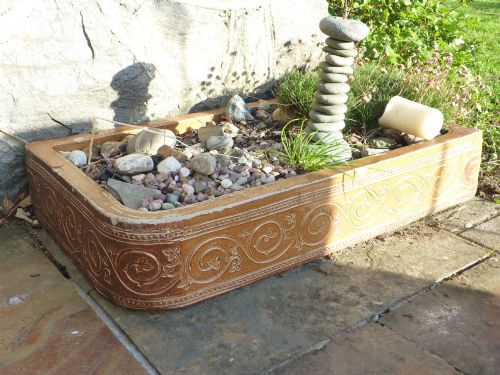
These glazed garden planter vessels bring texture and functional potting space to a garden terrace, built to hold everything from herbs to cascading strawberries.
Glazed Garden Planter
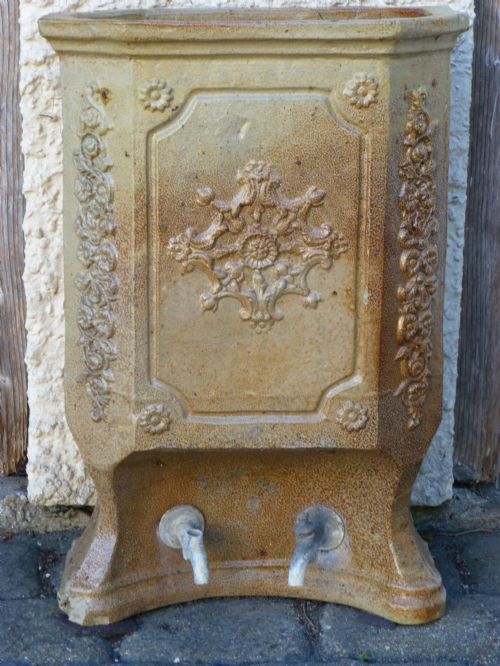
A glazed garden planter combines utility and decorative form, appearing across styles from French Country and French Provincial to Dutch Baroque and Chinese Qing Dynasty. When exploring these pieces, you encounter forms ranging from simple troughs and window boxes to grand garden urns and water filtration fountains.
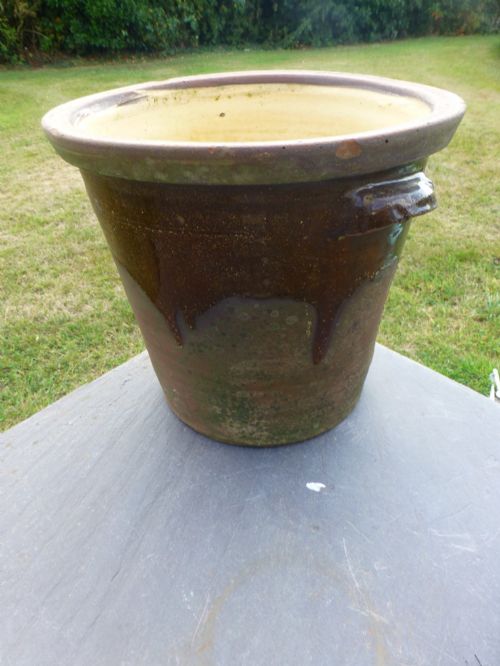
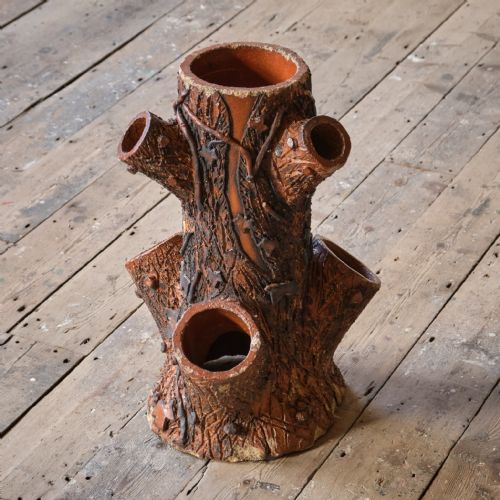
The selections span eras including the 18th century, Victorian period, and mid-twentieth century designs. Common formats include faux bois strawberry planters, dairy salting crocks repurposed for flora, and substantial Biot jars originating from Provence.
Materials and construction
Makers shaped these vessels primarily from terracotta, salt-glazed stoneware, and ceramic, utilising natural clay bodies suited to outdoor environments. Salt-glazing created a durable vitreous surface during kiln firing by introducing salt at high temperatures, producing distinct textured finishes.
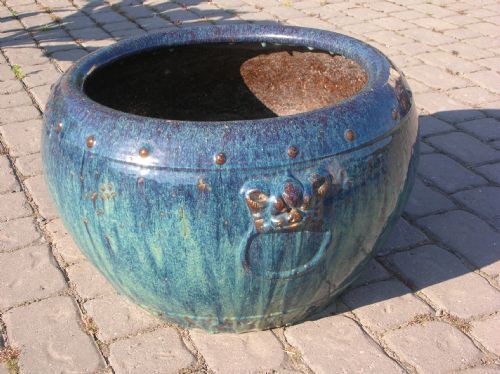
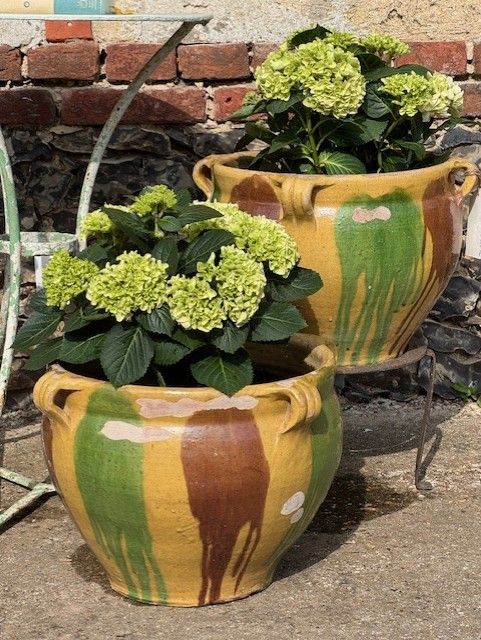
Certain pieces feature drip glazes or aged patinas developed over decades of exposure. Brass fittings occasionally appear on specific functional forms like water filtration vessels.
Listings feature salt-glazed stoneware, terracotta, and ceramic across 18th-century, 19th-century, and Victorian periods.
Assessing quality and finish
Quality rests upon the crispness of moulded details, particularly in faux bois pieces imitating wood grain or intricate urn reliefs. The application and stability of the glaze dictate both aesthetic appeal and resistance to weather wear.
Provenance and maker attribution elevate certain works, such as marked pieces from specific English and French potteries. The balance of the proportions and the depth of the original firing marks distinguish superior examples.
Guichard Carriès·Lipscombe And Co·LEFCO
The Glazed Garden Planter Glossary
- Faux bois
- Imitation of wood. Artisans mould clay to resemble natural logs, branches, or bark, popular in Victorian garden ornaments.
- Salt-glazed stoneware
- Pottery finished with a glassy coating. The technique involves throwing salt into the kiln during firing to react with the silica in the clay.
- Jardiniere
- An ornamental pot for plants. These freestanding vessels often feature decorative handles or footed bases for display on terraces.
- Biot jar
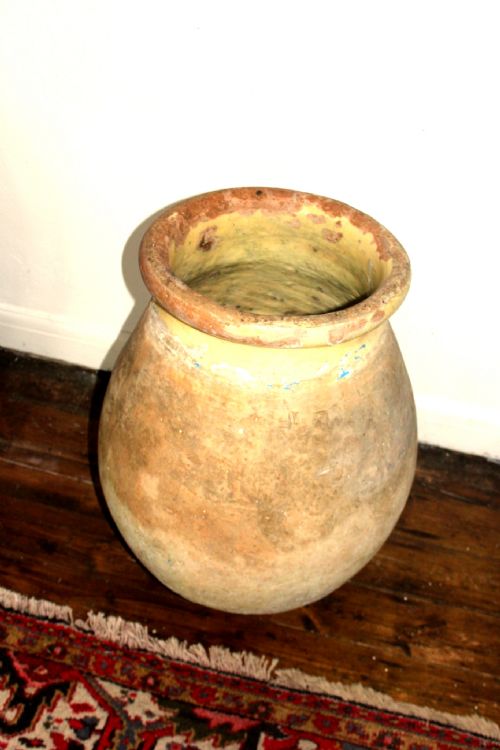
- Large terracotta storage vessel. Originating from Provence, these pots frequently double as garden planters with distinct aged patinas.
Glazed Garden Planter: Frequently Asked Questions
Can I leave my glazed garden planter outside in winter?
Most salt-glazed stoneware and heavy terracotta vessels withstand outdoor conditions well, provided drainage holes remain clear.
However, severe frost can crack porous earthenware if saturated with water, so moving delicate pieces under cover during freezing weather is wise.
How do I clean a vintage glazed garden planter?
Wash the surface gently using warm water and a soft brush to remove dirt without damaging the glaze or historic patina.
Avoid harsh chemical cleaners or abrasive scouring pads that might strip the aged finish from the terracotta or stoneware.
What is a faux bois planter?
Faux bois translates from French as false wood, describing garden ware moulded to look like natural timber.
Victorian makers utilised this technique to create strawberry planters and troughs that blended harmoniously with woodland settings.
How do I identify a 19th-century salt-glazed planter?
Examine the surface for the characteristic orange-peel texture created by salt vaporization during high-temperature kiln firing.
Nineteenth-century examples often display heavy potting walls, utilitarian forms, and occasional maker stamps near the base.