

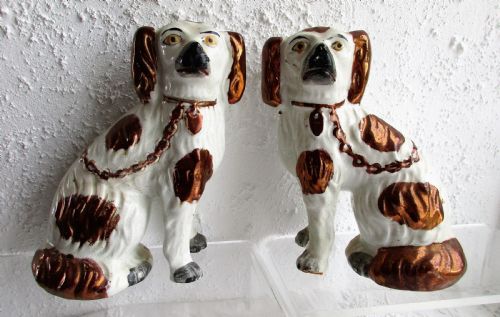
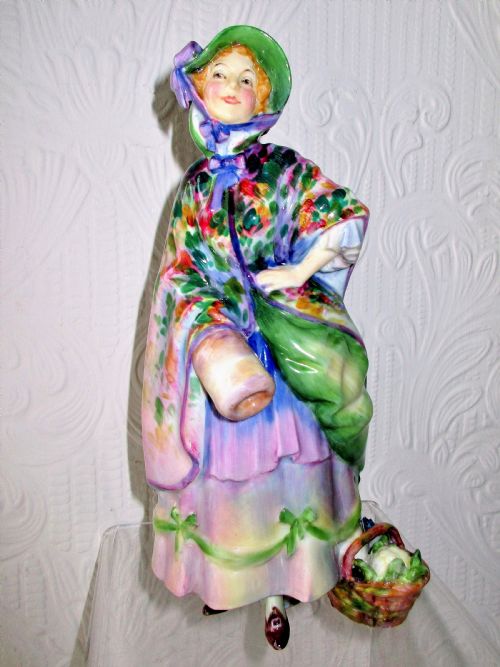
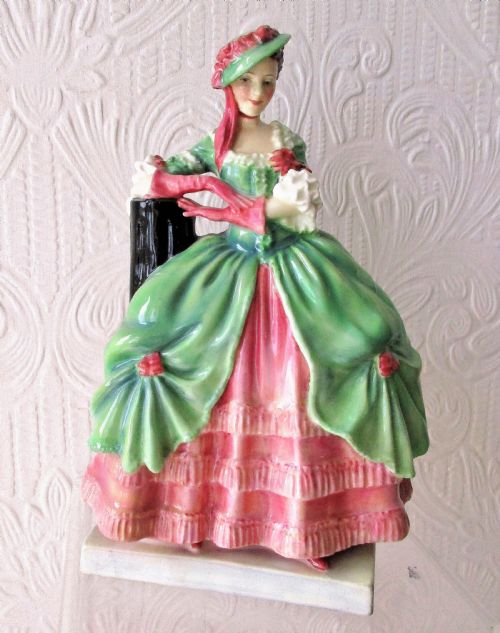
Painted Porcelain Ornaments
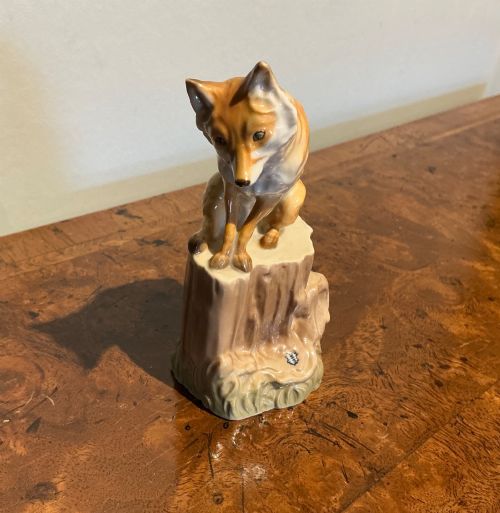
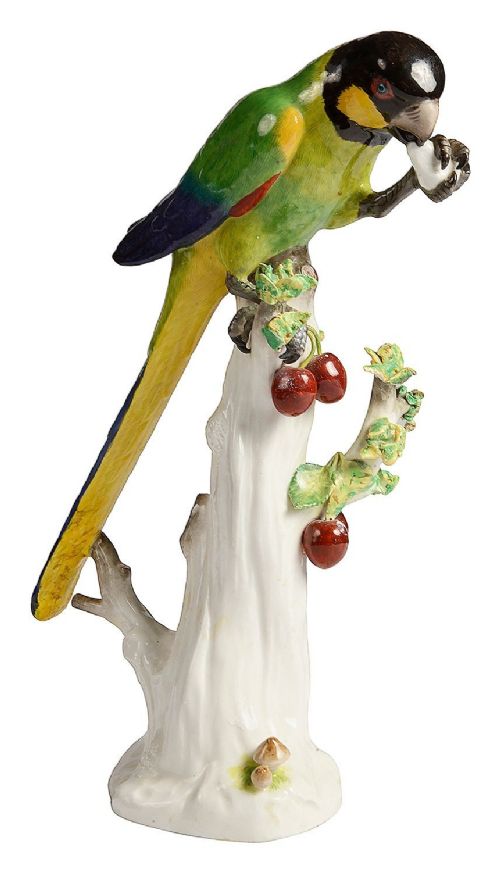
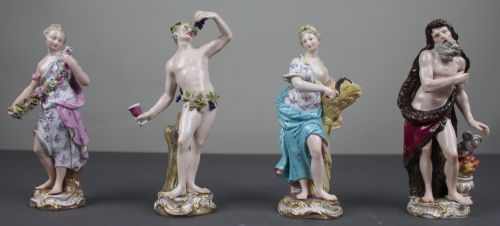
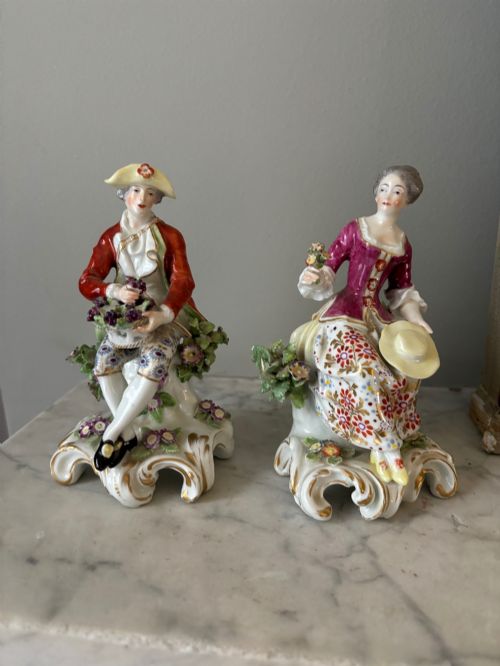
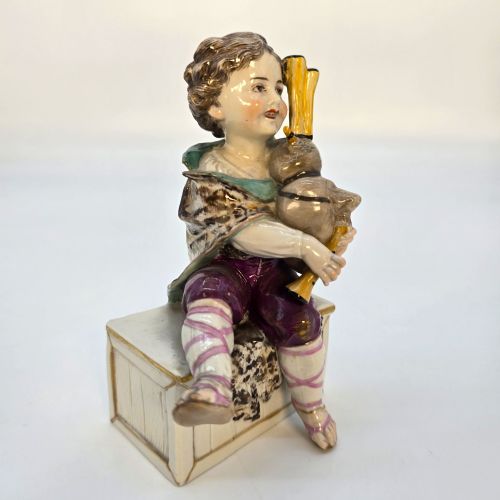
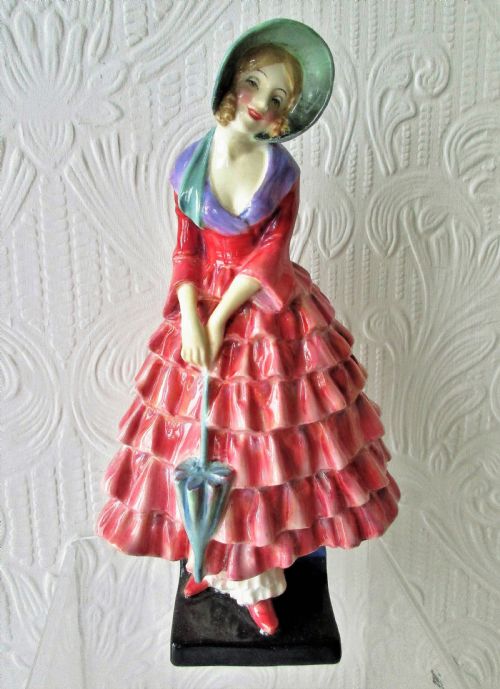
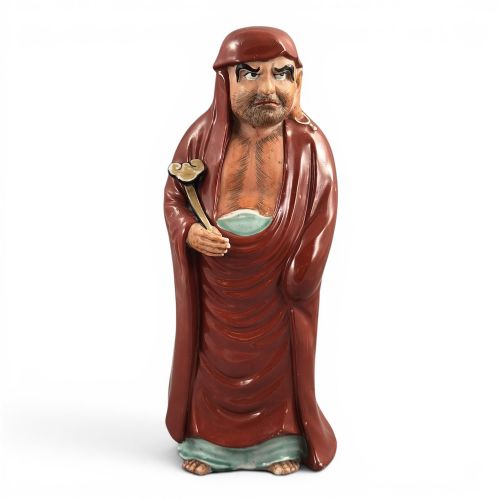
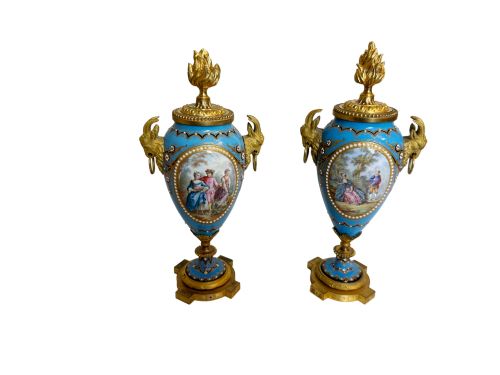
These painted porcelain ornaments encompass figures, animals and decorative objects shaped in clay and brought to life with glaze and enamel.
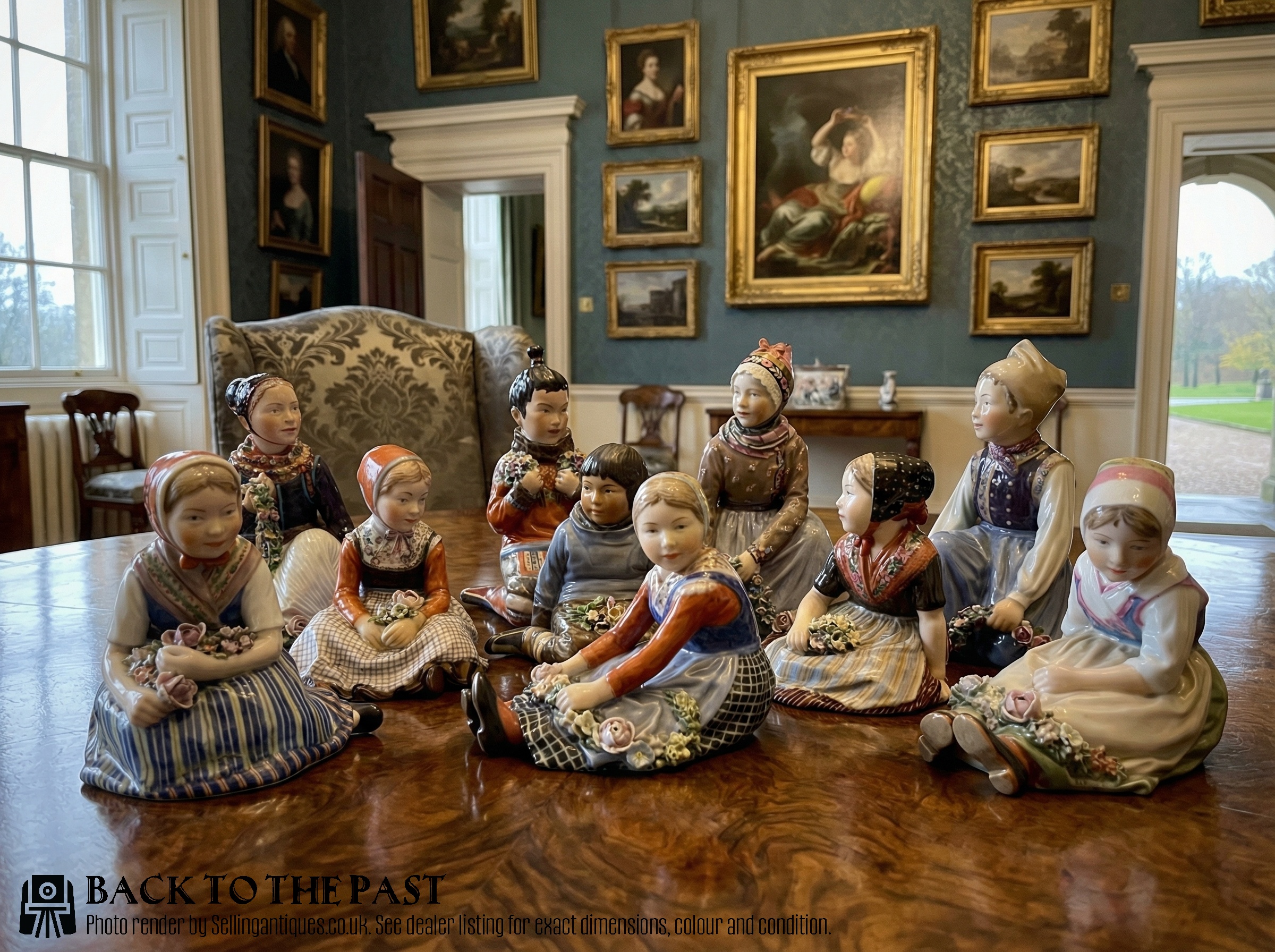
Painted Porcelain Ornaments
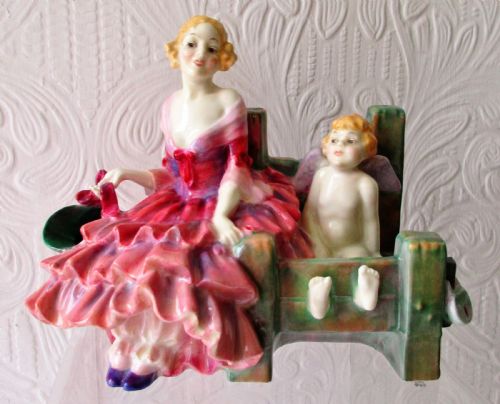
Painted porcelain ornaments represent a broad category of decorative works found across centuries of European and Asian ceramic production. When collectors search for painted porcelain ornaments, they encounter figures, animals, bookends and cassolettes shaped from hard-paste or soft-paste porcelain and bone china.
The selection ranges from eighteenth-century Meissen, Bow and Derby figures to nineteenth-century Staffordshire dogs, German factory pieces and twentieth-century Royal Doulton characters. These objects serve purely decorative roles within domestic interiors, often depicting human subjects, mythological figures, birds and domestic animals.
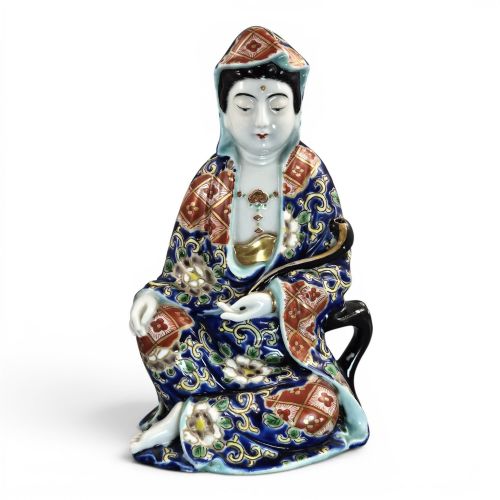
Figurines and pairs of companion pieces dominate the forms present, accompanied by specialised decorative vessels like cassolettes and bookends. Origins span English potteries, German manufactories such as Volkstedt and Nymphenburg, French workshops, and Japanese Kutani and Arita kilns.
Materials and construction
Manufacturers shaped these objects using clay bodies composed of kaolin, petuntse, bone ash or glass pastes, forming hard-paste and soft-paste porcelain or bone china. Potters cast these compositions in moulds or modelled them by hand before subjecting the pieces to initial kiln firings.
Artisans applied surface decoration utilising mineral oxides, enamel paints, metallic gold leaf and coloured glazes. A subsequent firing fused the pigments and glaze to the porcelain body, locking in the hand-painted details across the surface.
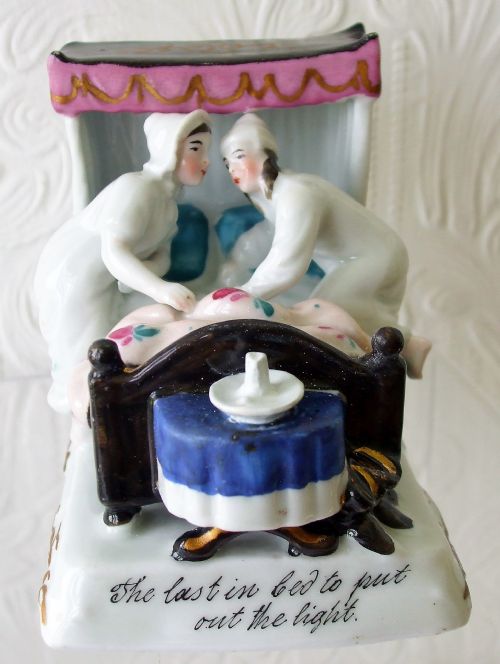
Nineteenth-century ceramic fairings playfully depicted domestic satire, capturing figures falling asleep while attempting to extinguish household candles.
Evaluating craftsmanship
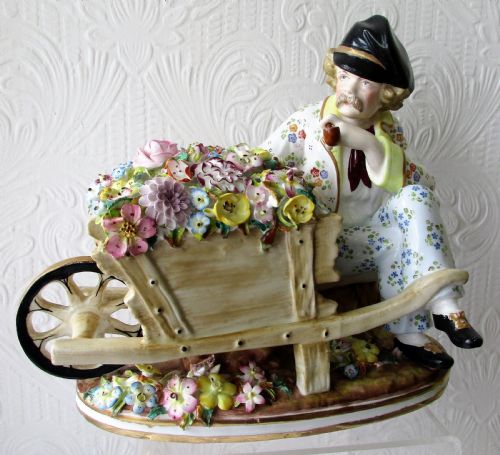
The sophistication of the original design and the reputation of the manufactory, from Meissen to Royal Doulton, influence the execution. Preservation of fragile elements such as applied porcelain flowers, fingers and delicate appendages distinguishes better-surviving specimens.
Royal Doulton·Nymphenburg·Meissen·Volkstedt Rudolstadt Factory·John Bevington·Triebner Ens And Eckert·Royal Worcester·Bow Porcelain·Samson Of Paris·La Coutille Factory
The Painted Porcelain Ornaments Glossary
- Hard-paste porcelain
- A dense, vitrified ceramic body invented in China and later replicated in Europe, fired at high temperatures with kaolin and petuntse. It resists scratching with a steel blade.
- Soft-paste porcelain
- An artificial porcelain composition containing glass frit, clay and chalk, fired at lower temperatures than hard-paste. It has a warmer tone and softer glaze susceptible to scratching.
- Bocage
- An ornamental background of applied porcelain foliage, leaves and flowers surrounding figures. It appears frequently on eighteenth-century English figures from factories like Derby and Bow.
- Cassolette
- A decorative vase or box featuring a pierced lid designed to hold perfumes or potpourri. Pairs often accompany garniture sets on mantelpieces.
- Okimono
- A Japanese carved or modelled decorative display object meant for interior placement. These figures depict deities, historical figures or folk characters in porcelain and ceramic.
Painted Porcelain Ornaments: Frequently Asked Questions
Were these pieces made for display?
Manufacturers created these objects specifically for visual display on mantelpieces, side tables and cabinets within wealthy homes. Their intricate painted details and thematic subjects suited formal entertaining spaces.
Unlike utilitarian tableware, these decorative figures and cassolettes held no practical function beyond enhancing the aesthetic of domestic interiors.
How can I tell English porcelain from German?
Examine the base and glaze characteristics for clues regarding the manufacturing origin and factory practices. English potteries often utilised bone china or soft-paste bodies with distinct glaze pooling, while German houses like Meissen utilised hard-paste porcelain and painted underglaze blue crossed swords.
Factory marks stamped, painted or incised underneath provide definitive attribution when clear. Stylistic traits in modelling also separate English pastoral figures from continental counterparts.
What does a gold anchor mark mean?
A gold anchor mark indicates porcelain produced by the Chelsea porcelain factory during its later operating periods. This painted or raised symbol served as a factory signature to denote origin.
Later nineteenth-century revival factories also copied these historical marks, requiring careful examination of the porcelain body and enamel quality to confirm date.