




Antique Meissen Group
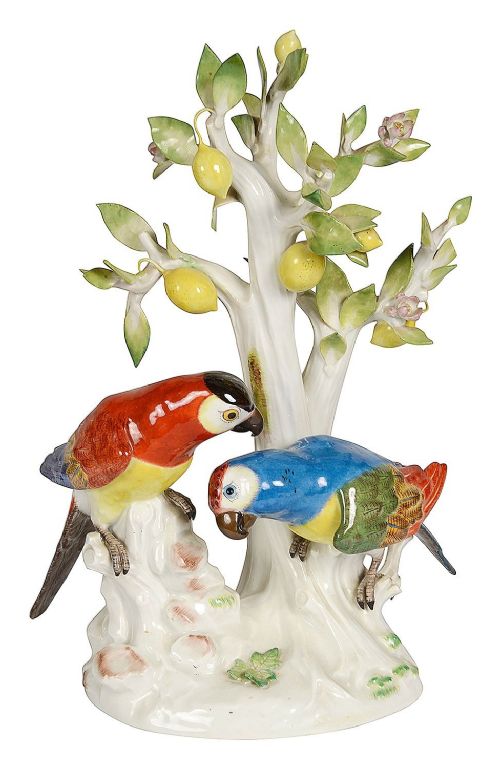
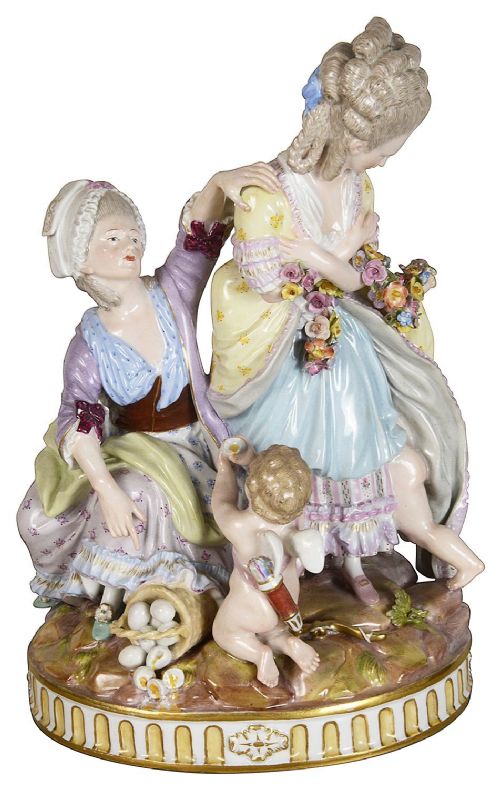
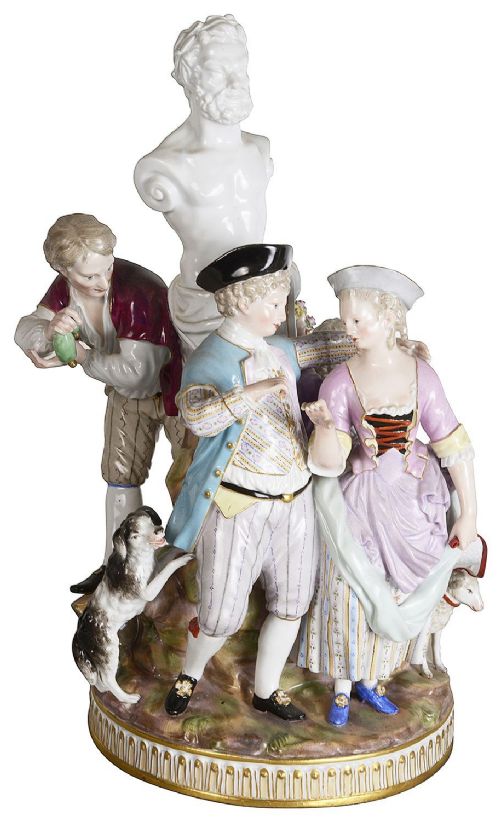
These antique meissen group pieces are hard-paste porcelain figural sculptures capturing classical and romantic scenes that collectors prize for their detail.
Antique Meissen Group
An antique meissen group presents multiple figures engaged in domestic, mythological or pastoral narratives, ranging from courting couples to allegorical subjects such as the Four Seasons. The listings here encompass both eighteenth-century iterations and nineteenth-century revivals.
Buyers encounter subjects like The Broken Eggs, musicians and gardeners alongside parrots and ormolu-mounted compositions. These pieces combine sculptural presence with painted enamel surfaces.
The objects span neoclassical and rococo styles, reflecting changing tastes from the mid-eighteenth century through to the late nineteenth century. Eighteenth-century examples include works from the Marcolini period, while later nineteenth-century groups often adopt revivalist aesthetics.
Judging quality in porcelain groups
Model complexity and the crispness of the moulding distinguish finer figures from simpler workshop output. Deep undercut details in the drapery and foliage indicate superior craftsmanship during the initial pressing stage.
The subtlety of the enamel painting and the precision of the gilding affect the visual success of the piece. Subtle flesh tones and well-preserved gold leaf elevate the standing of a group within its period.
Listings span the eighteenth and nineteenth centuries, featuring hard-paste porcelain, enamel, gold leaf and ormolu mounts.
The Antique Meissen Group Glossary
- Hard-paste porcelain
- A true porcelain composed of kaolin and petuntse, fired at very high temperatures. This material yields a vitrified body that resists scratching and accepts fine enamel painting.
- Enamel
- Vitreous pigments fused to the porcelain surface during a secondary low-temperature firing. These colours provide the rich palette seen on garments and naturalistic bases.
- Ormolu
- Gilt bronze mounts used to frame or support porcelain figures. This technique was frequently applied in eighteenth-century and nineteenth-century decorative objects.
- Marcolini Period
- The phase of Meissen production overseen by Count Camillo Marcolini between 1774 and 1814. Pieces from this era often feature specific factory marks and refined neoclassical modelling.
Antique Meissen Group: Frequently Asked Questions
How do I date an antique meissen group?
Dating relies on stylistic markers, modelling conventions and associated factory marks where present. Eighteenth-century examples display different paste characteristics and sculptural weight compared to nineteenth-century revival pieces.
Examining the underside and the sharpness of the enamel work helps establish whether a piece originates from the eighteenth century or the later Victorian period.
What subjects are common in these groups?
Common subjects include pastoral scenes with gardeners or lovers, allegorical sets like the Four Seasons, and classical narratives. Figures of children, musicians and animals also appear frequently.
More elaborate compositions may incorporate architectural elements or ormolu frames around the central porcelain figures.
Where should I display porcelain figures?
These groups require stable display surfaces away from heavy foot traffic due to their delicate projecting elements like fingers, leaves and musical instruments. Enclosed cabinets protect the enamel and gold leaf from dust and accidental impacts.
Proper lighting from the front enhances the painted details without exposing the porcelain to excessive heat from direct sunlight.
Are nineteenth century pieces considered authentic Meissen?
Nineteenth-century pieces produced by the factory represent valid iterations of historic models rather than modern reproductions. They reflect the nineteenth-century revival of rococo and neoclassical styles using traditional hard-paste porcelain methods.
Evaluating these items depends on their own sculptural merit and the quality of their execution rather than simply their age.