
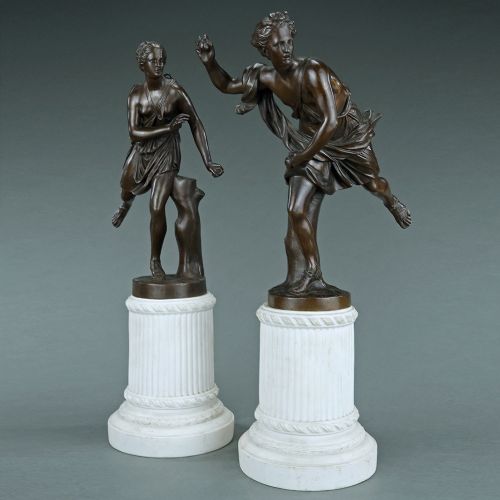
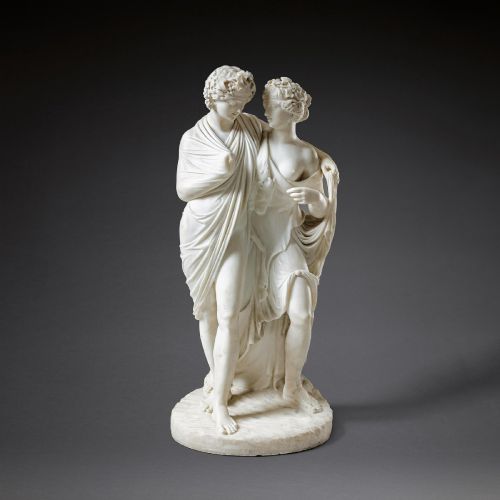
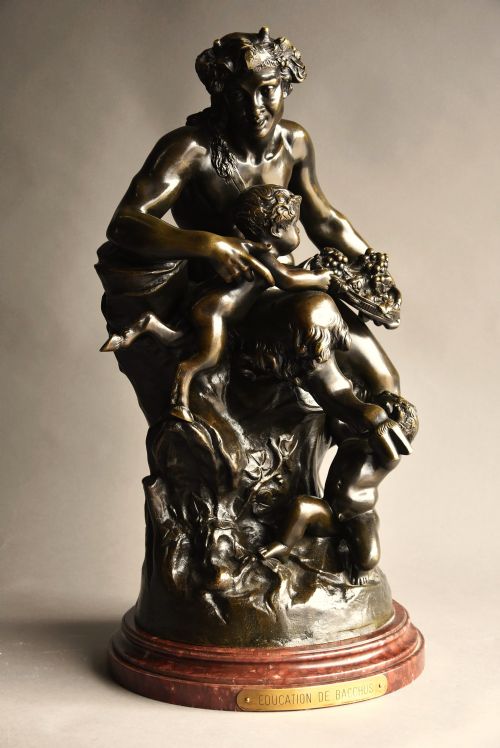
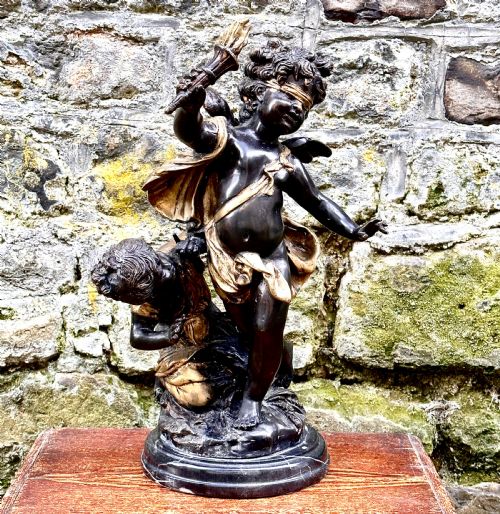




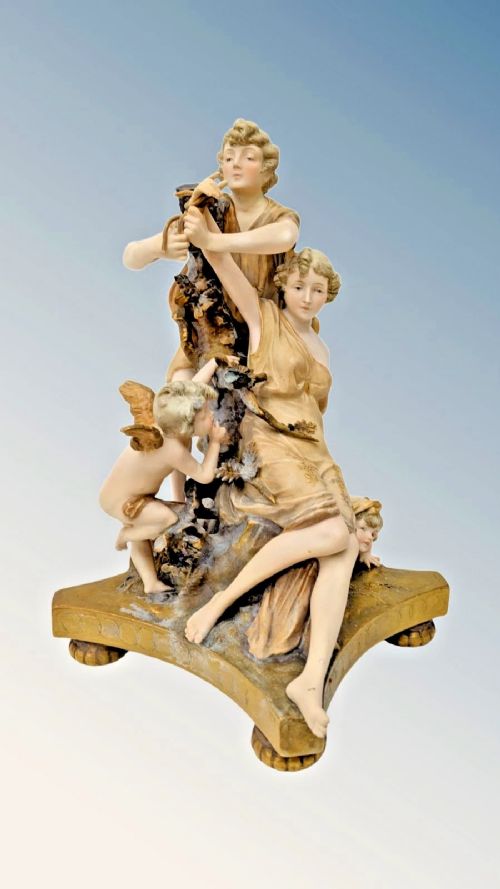

Classical Mythological Figurine
A classical mythological figurine captures gods, satyrs and heroes in bronze or porcelain, bringing antiquity into nineteenth-century drawing rooms.
Classical Mythological Figurine
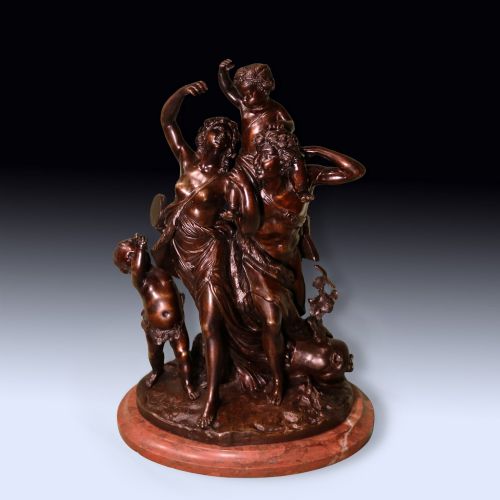
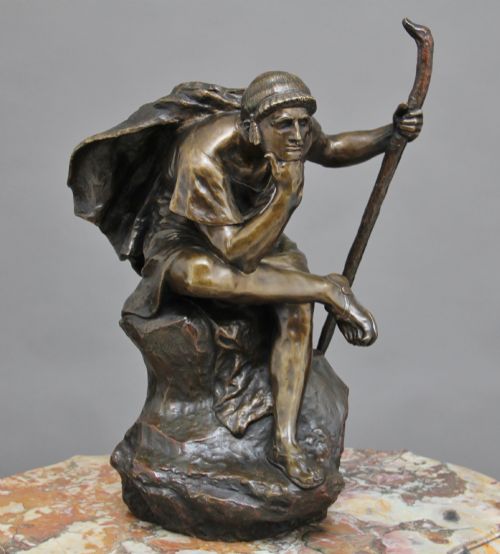
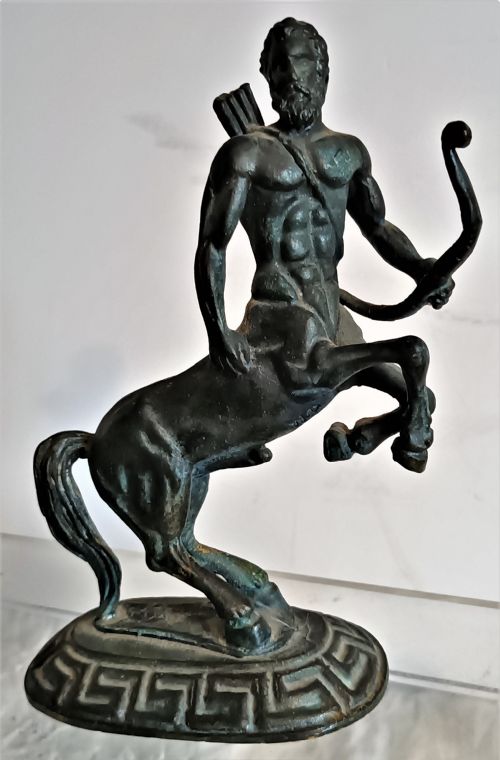
A classical mythological figurine depicts figures from ancient Greek and Roman legend, ranging from Olympian deities to rustic satyrs and nymphs. When you examine a classical mythological figurine on this page, you are most likely to encounter nineteenth-century bronzes, Grand Tour souvenirs and period porcelain figures.
The subjects draw heavily on classical sculpture excavated in Italy, reinterpreted through Neoclassical and Victorian lenses. Makers translated famous antiquities into cabinet-sized bronzes and glazed ceramic figures suitable for domestic display.
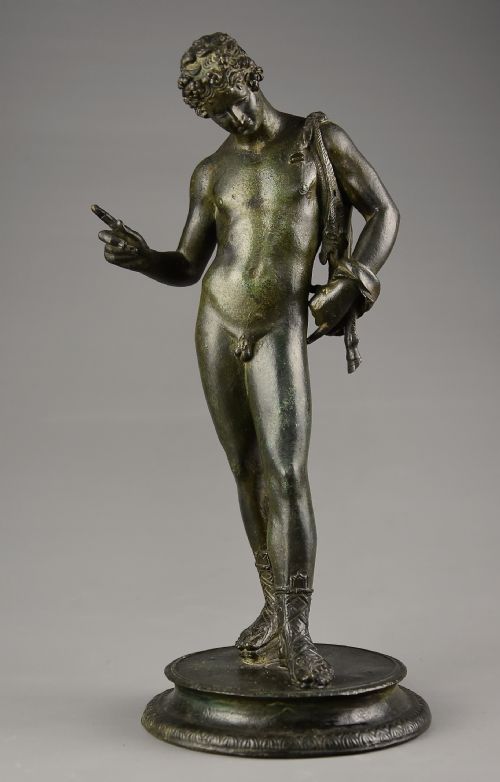
Many of these pieces reflect the nineteenth-century passion for classical education and travel, capturing subjects like Bacchus, Venus and Narcissus. They function as both decorative sculpture and tangible links to archaeological discovery.
Materials and construction
Foundry-cast bronze forms the backbone of these pieces, often finished with dark patination or gilt highlights to echo ancient metalwork. White marble frequently serves as a contrasting base or as the primary medium for carved statues.
Porcelain figures utilise soft-paste or hard-paste ceramic bodies, painted with enamel colours and occasionally enriched with gold leaf. Biscuit porcelain and glazed finishes both appear across eighteenth- and nineteenth-century English and continental factories.
Sculptors employed lost-wax casting for intricate bronzes or model-pressed clay and terracotta before firing. Detail was refined by hand with chisels on metal surfaces or delicate brushwork on ceramic glazes.
Classical Mythological Figurine Retail Price Guide 2026
Typical asking prices for classical mythological figurine among the pieces listed under this phrase on Sellingantiques today, from the lower quarter to the upper quarter. They describe what is for sale here now, not the wider market.
Listings span the eighteenth, nineteenth and early twentieth centuries, utilising bronze, marble, porcelain and terracotta.
Distinctions in craftsmanship
Patination and surface finish dictate visual depth, where expertly applied chemical patinas create convincing antique tones rather than flat, uniform dark paint. In porcelain, the delicacy of moulding and the precision of enamel painting mark the grade of the piece.
Association with documented foundries, skilled modellers or recognised sculptors elevates a piece above anonymous workshop production. The weight of the bronze, the stability of the marble mount and the harmony of proportion all contribute to overall success.
Barbedienne·Samson Paris·Royal Crown Derby·Chelsea Porcelain·Royal Worcester·Royal Dux
The Classical Mythological Figurine Glossary
- Grand Tour
- A cultural journey undertaken by wealthy young Europeans through France and Italy to study classical art. Souvenirs purchased along the way heavily influenced nineteenth-century sculpture production.
- Patination
- The chemical treatment or natural ageing process applied to bronze surfaces to produce colour and texture. Dark green, brown and near-black tones are common.
- Lost-wax casting
- A metal-casting method where a wax model is melted out and replaced with molten bronze. This technique allows for complex undercuts and fine detail.
- Neoclassical
- An artistic movement drawing inspiration from the classical art and culture of ancient Greece and Rome. It emphasises austere dignity, balanced proportion and mythological themes.
- Putto
- A plump, naked male child figure frequently depicted in classical art and Renaissance revivals. They often accompany deities like Venus and Bacchus.
Classical Mythological Figurine: Frequently Asked Questions
What is a Grand Tour bronze?
A Grand Tour bronze is a small-scale replica of a famous classical sculpture purchased by travellers visiting Italy during the eighteenth and nineteenth centuries. These reductions allowed collectors to bring museum antiquities into private homes.
Foundries in Naples, Rome and Paris produced these souvenirs in varying sizes and patinations. They served as physical evidence of a classical education and refined cultural taste.
How can I tell bronze from terracotta?
Bronze is a heavy metal alloy that feels cool to the touch and rings softly when struck, whereas terracotta is a fired clay body with a porous, earthen texture. Terracotta figures are matte and more fragile than metal casts.
Examining the underside or base often reveals the underlying material beneath any painted surface or patination. Bronze pieces may show casting seams, while terracotta exhibits potter's marks or kiln supports.
Where were these figures displayed?
Victorian and Georgian collectors placed these figurines on mantelpieces, library tables and specially commissioned cabinets. They acted as conversation pieces that signaled intellectual curiosity and classical learning.
Because of their domestic scale, they integrated easily into drawing rooms and studies without dominating the domestic interior. Their subjects provided moral and aesthetic contemplation for guests.
How do I identify mythological subjects?
Mythological subjects are identified by specific attributes, such as grapes and ivy for Bacchus, a bow and hound for Diana, or wings and a bow for Cupid. Recognising these symbols unlocks the narrative of the sculpture.
Many nineteenth-century works explicitly name the figure on the base or match recorded antiquities catalogued in European museums. Reference books on classical mythology and nineteenth-century sculpture clarify ambiguous poses.