

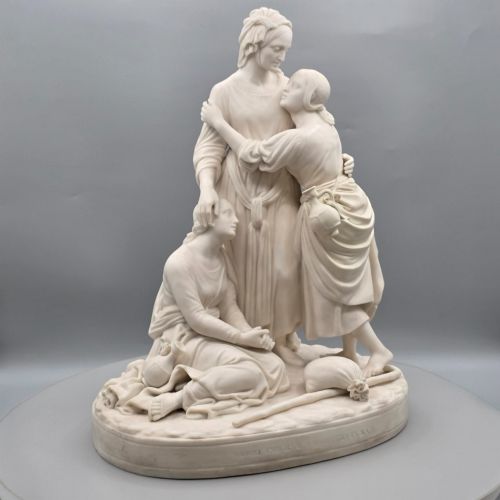


Parian Marble Figure
A parian marble figure brings nineteenth-century neoclassical sculpture into the home through unglazed porcelain that mimics carved stone.
Parian Marble Figure
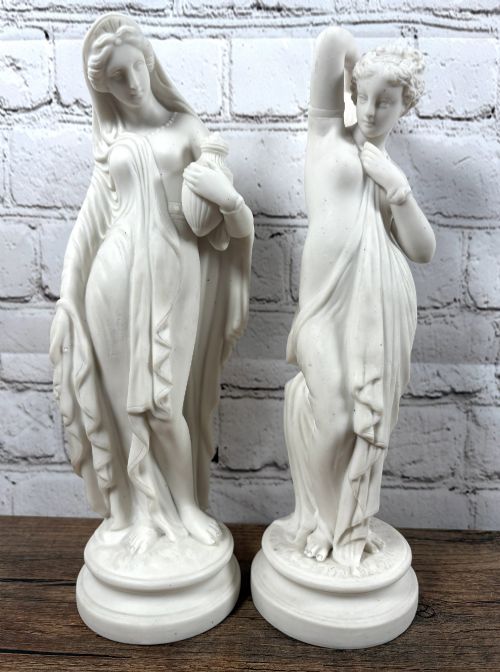
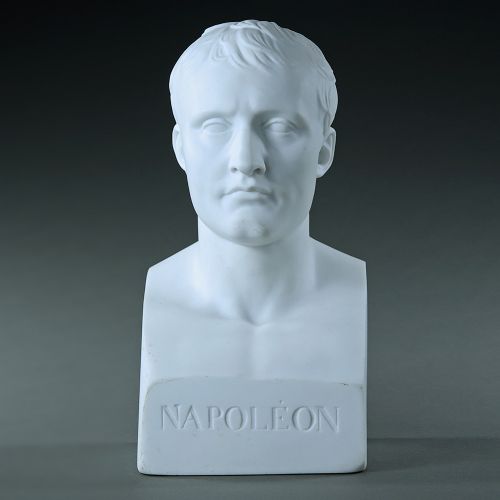
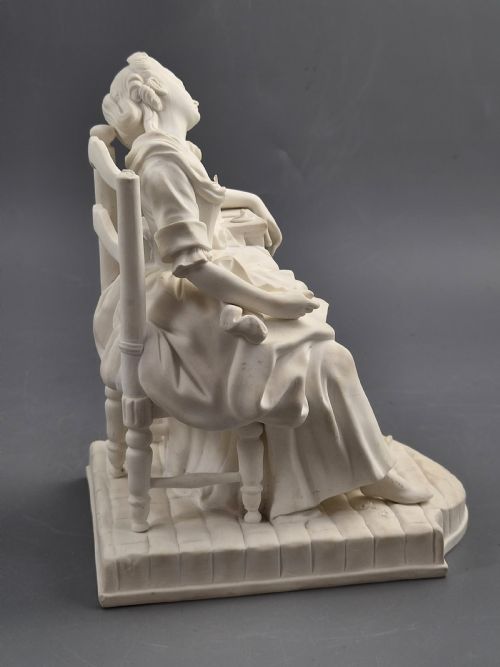
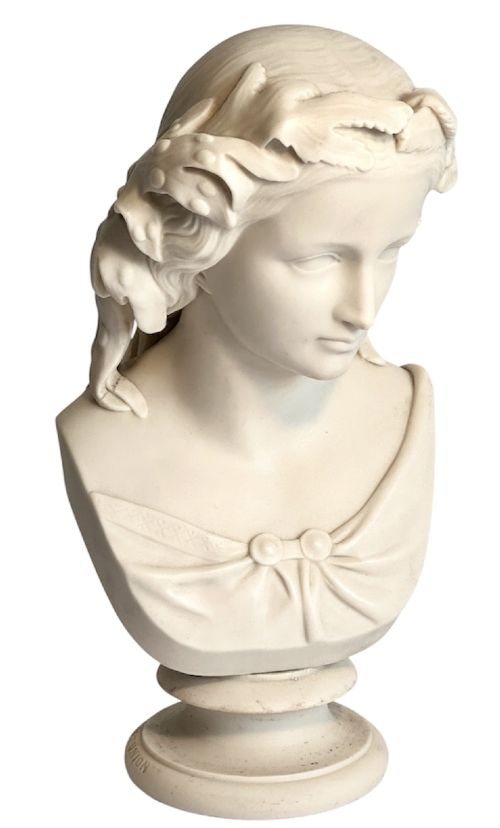
A parian marble figure represents the nineteenth-century taste for classical statuary translated into an accessible ceramic medium. These pieces take the form of busts, groups, and single statues depicting literary heroines, historical characters, and allegorical subjects. Buyers seeking a parian marble figure will encounter works produced during the Victorian period, largely originating from English potteries.
The objects on this page span several decades of the nineteenth century, reflecting the peak of parian ware production from around eighteen forty to the late eighteen seventies. Forms range from intimate cabinet figurines to substantial groups and portrait busts. Makers adapted classical and neoclassical idioms to suit domestic interiors, creating miniature monuments for Victorian mantelpieces and libraries.
Materials and manufacture
Makers produced a parian marble figure using a special formulation of porcelain slip that fired to a matte, fine-grained surface resembling carved marble. Unlike glazed ceramics, this biscuit or bisque porcelain required careful slip-casting in multiple mould pieces to capture the intricate drapery and facial expressions characteristic of neoclassical sculpture.
The resulting ceramic bodies achieved their characteristic texture through a precise firing temperature that vitrified the material without producing a glossy glaze. Potteries such as Copeland and Minton refined this ceramic recipe to imitate the look and feel of high-status carved stone without the prohibitive cost of actual marble.
Parian Marble Figure Retail Price Guide 2026
Typical asking prices for parian marble figure among the pieces listed under this phrase on Sellingantiques today, from the lower quarter to the upper quarter. They describe what is for sale here now, not the wider market.
Nineteenth-century manufacturers occasionally issued menu holders in parian ware, ensuring dinner guests consulted porcelain gentlemen regarding their evening meal.
Distinctions in quality
Quality in a parian marble figure lies in the crispness of the modelling and the subtlety of the surface finish. Finer pieces retain sharp details in the hair, hands, and drapery folds, whereas lesser examples show softness or blurring from worn moulds. The clarity of the relief work and the successful concealment of vertical mould lines separate standard production pieces from masterworks.
The sculptural ambition of the piece also dictates its standing, with complex multi-figure groups demanding greater technical skill in firing than single standing figures. The involvement of recognised modellers or sculptors adds further weight, as does the purity of the white ceramic body free from firing blemishes.
Minton·Copeland·Worcester
The Parian Marble Figure Glossary
- Parian ware
- A type of fine unglazed biscuit porcelain developed in the nineteenth century to imitate carved marble. It gained popularity for portrait busts and statuary.
- Biscuit porcelain
- Unglazed ceramic fired once before decoration, yielding a matte surface texture. It is also known as bisque porcelain.
- Neoclassical
- An artistic style drawing inspiration from the classical art and culture of ancient Greece and Rome. It dominated nineteenth-century sculpture and decorative arts.
- Slip-casting
- A manufacturing technique where liquid clay slip is poured into a plaster mould to form hollow ceramic objects. This method allowed potteries to replicate complex sculptural forms.
Parian Marble Figure: Frequently Asked Questions
What is parian marble?
Parian marble is actually a trade name for a specific type of nineteenth-century unglazed white porcelain. Potteries developed the material to replicate the appearance of fine carved marble.
Despite the name, it contains no stone and is entirely ceramic. The term derives from Paros, a Greek island renowned for its high-quality white marble in antiquity.
How do I clean a parian figure?
Cleaning unglazed ceramic requires care because the porous matte surface absorbs dirt and moisture easily. Dusting with a soft, dry brush is the safest method for routine maintenance.
Avoid using water or liquid cleaners, which can leave permanent stains within the unglazed body. Stubborn surface marks may sometimes be addressed with dry specialised erasers, but gentle handling remains essential.
Are these figures solid porcelain?
Most parian figures are cast as hollow pieces rather than solid blocks of ceramic material. Slip-casting allowed potteries to reduce weight and ensure even firing throughout the sculpture.
Larger groups and bases may feature thick walls for stability, but hollow construction was standard practice for nineteenth-century ceramic figures.
Who designed these sculptures?
Victorian potteries frequently commissioned professional sculptors to model their figures for production. Artists such as John Durham created original works that factories translated into ceramic editions.
Many pieces also adapted famous classical statues or European monuments, bringing renowned sculptural compositions into nineteenth-century homes.