




White Staffordshire Figure
White staffordshire figure pieces bring Victorian domestic portraiture and animal subjects to the shelf through moulded ceramic work.
White Staffordshire Figure
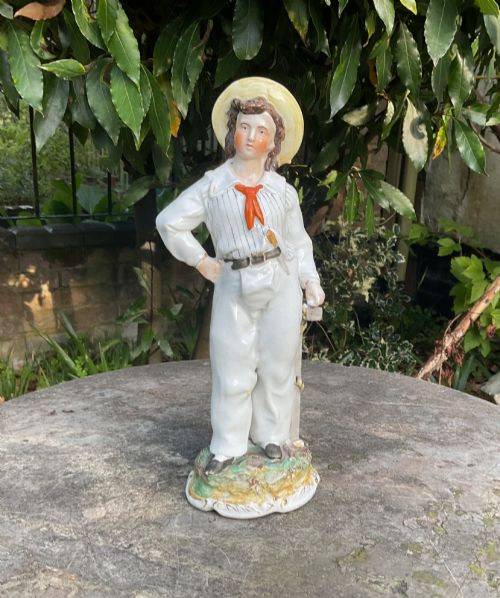
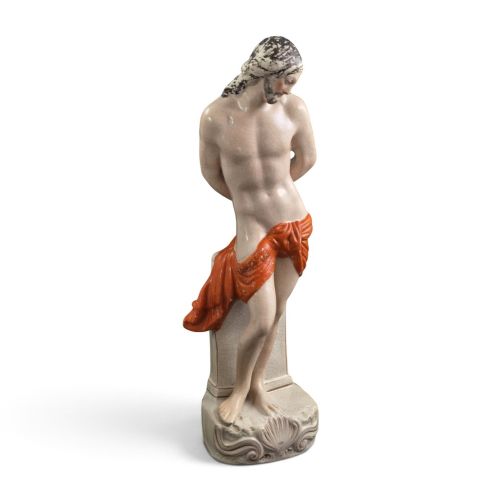
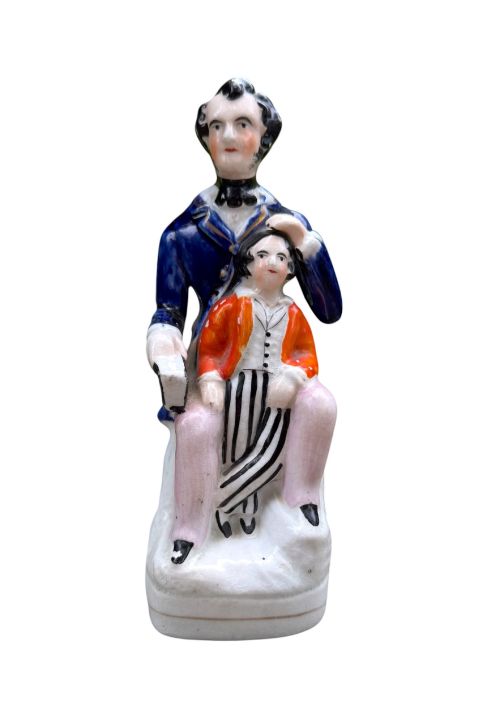
A white staffordshire figure represents the sculptural ceramic output of the Staffordshire potteries during the nineteenth century, capturing everything from royal portraits and literary characters to domestic animals. Buyers searching this phrase look for these distinct table ornaments, flatback chimney pieces, and spill vases that defined Victorian interior display.
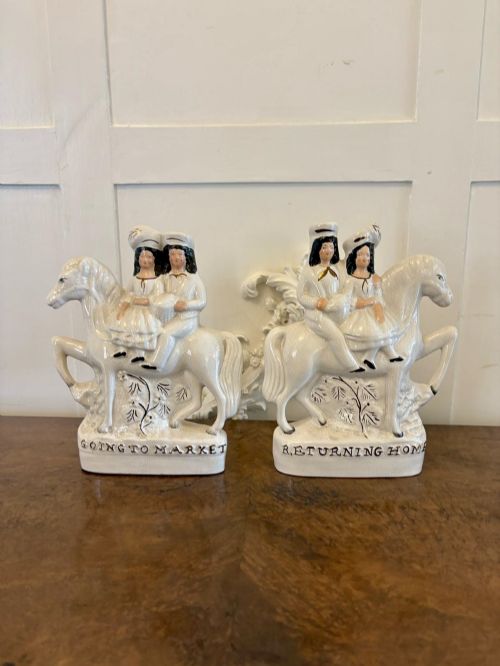
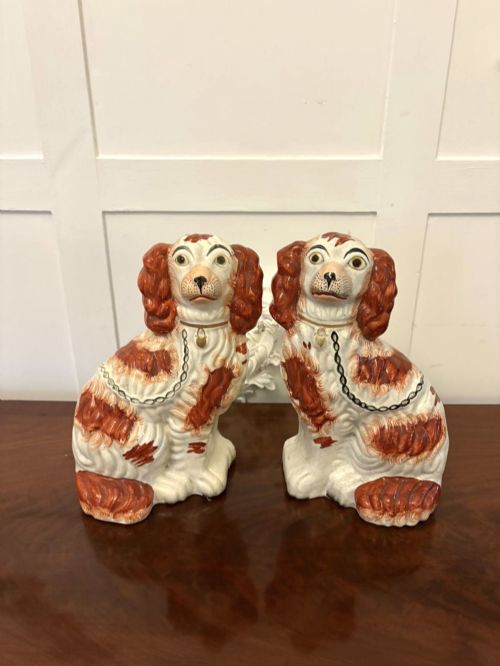
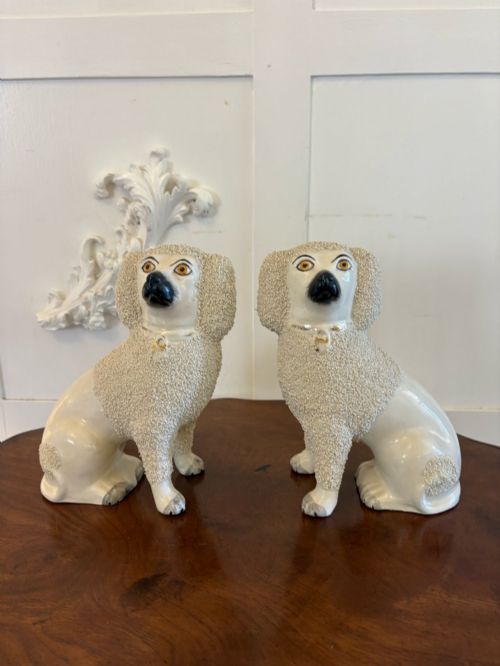
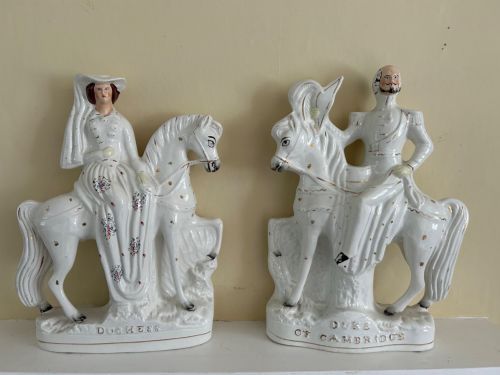
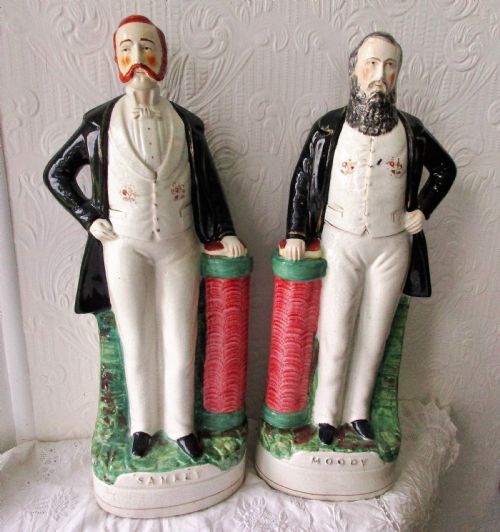
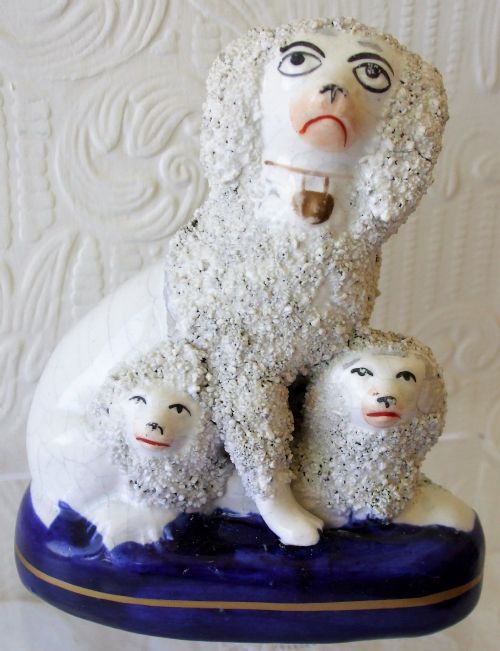
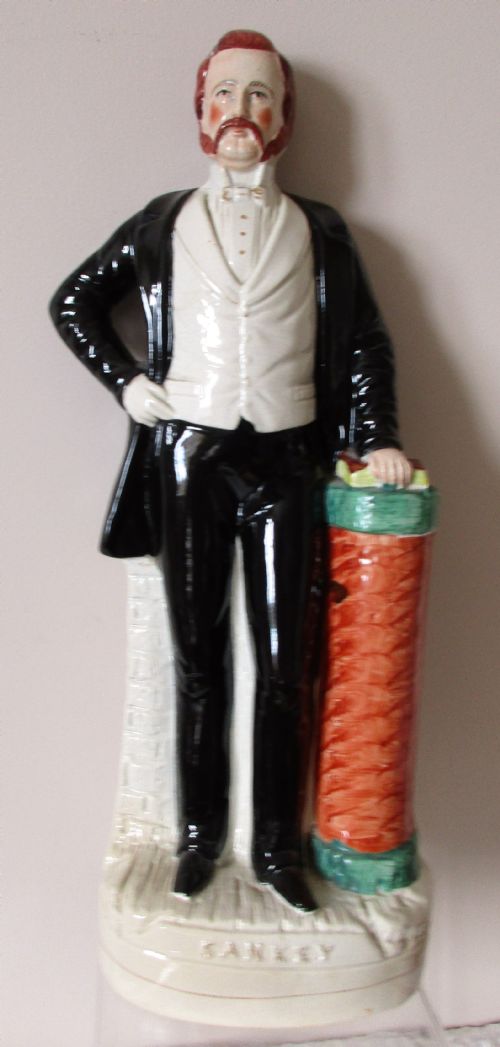
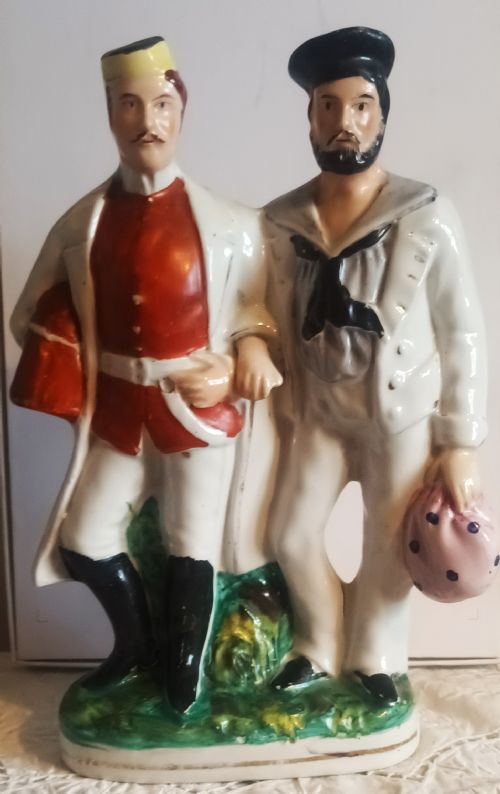
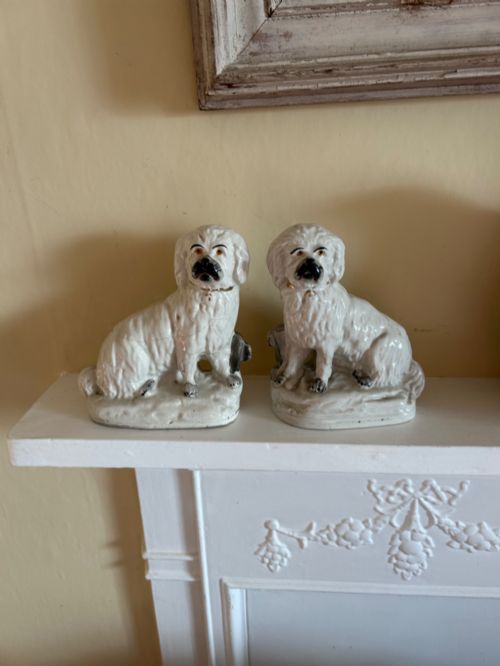
The most common examples on this page are nineteenth century earthenware dogs such as spaniels and poodles, alongside flatback portrait groups depicting contemporary figures. These pieces range from simple single figures to matched pairs intended for mantelpiece placement.
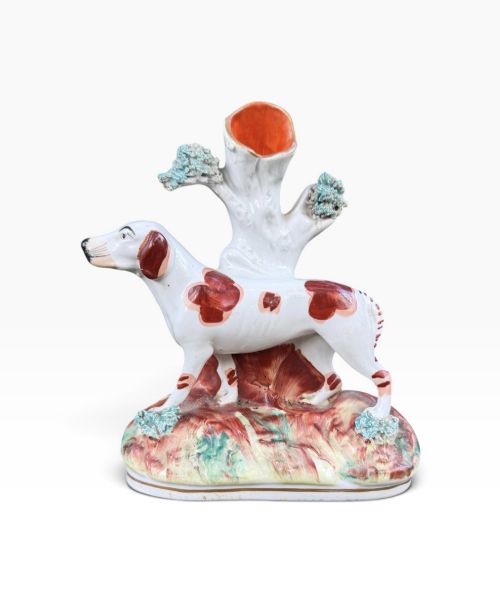
Moulded forms span domestic animals like greyhounds and zebras as well as historical figures like Lord Shaftesbury and Joan of Arc. Many utilise a flat back to sit flush against a wall, whilst others take the form of money boxes, watch holders, or inkwells.
How they were made
Potters formed these figures using earthenware and porcelain, shaping the clay in press moulds before finishing the surface with glaze. Lead glaze and enamel paint provided the smooth finish and surface colour.
White Staffordshire Figure Retail Price Guide 2026
Typical asking prices for white staffordshire figure among the pieces listed under this phrase on Sellingantiques today, from the lower quarter to the upper quarter. They describe what is for sale here now, not the wider market.
Even the most stern Victorian mantelpiece gained a touch of warmth from a pair of watchful ceramic spaniels.
What varies in quality
Proportion and modelling set better examples apart from standard factory output, particularly in matched pairs of animals or complex portrait groups. Careful application of glaze and gilding indicates a higher standard of manufacture.
Thomas Parr·Wooley
The White Staffordshire Figure Glossary
- Flatback
- A Staffordshire figure modelled with a finished front and a flat, unglazed or minimally decorated rear designed to stand against a wall.
- Earthenware
- A porous pottery body fired at lower temperatures, commonly used for the majority of Staffordshire figures.
- Lead glaze
- A glossy coating containing lead oxide applied to pottery before firing to give a smooth, shiny surface.
- Spill vase
- A hollow ceramic figure incorporating a small cylindrical holder designed to store wooden spills for lighting fires.
- Enamel paint
- Coloured vitreous paint applied over the fired glaze and fixed by a secondary low-temperature firing.
White Staffordshire Figure: Frequently Asked Questions
What is a flatback figure?
A flatback is a ceramic piece designed with a detailed front and a flat reverse side so it could sit neatly on a mantelpiece.
Potters made them this way to save on material and weight for display.
Why are dogs so common?
Spaniels and poodles were popular household pets and symbols of loyalty during the Victorian era.
Victorian homes frequently displayed matched pairs of these dogs on either side of the fireplace.
How do I date these figures?
Dating relies on the style of clothing, subject matter, and the specific manufacturing techniques recorded across the nineteenth century.
Pieces depicting specific historical events or historical figures provide a narrow timeframe for creation.
Were they used for storage?
Some pieces served practical functions alongside their decorative role, including money boxes, watch holders, and inkwells.
Others incorporated spill holders for lighting candles and fires.