

Victorian Country Pottery
Victorian country pottery comprises utilitarian earthenware and decorative figures embodying domestic life, which collectors prize for their rustic character and regional history.
Victorian Country Pottery
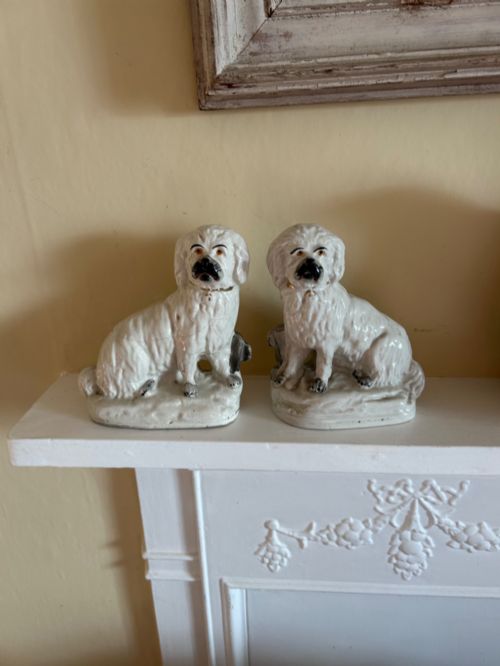
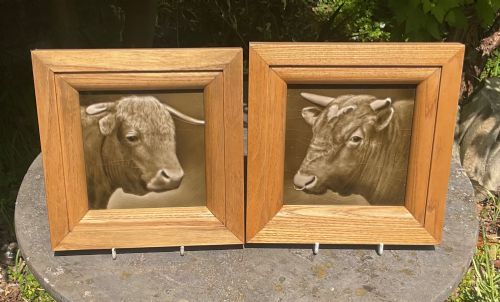
Victorian country pottery encompasses a diverse selection of utilitarian wares and decorative figures originating from various domestic kilns during the nineteenth century. These items range from large dairy bowls and kitchenalia to Staffordshire flatback figures, animals, and framed tiles.
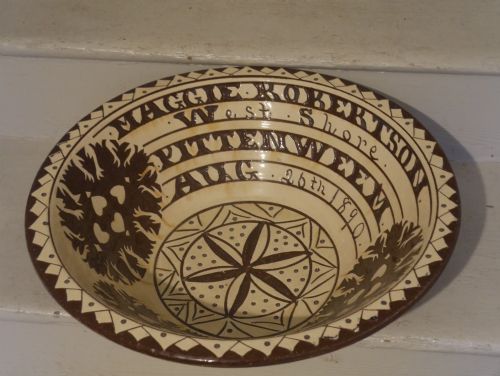
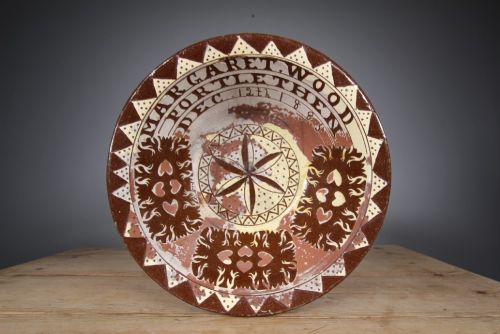
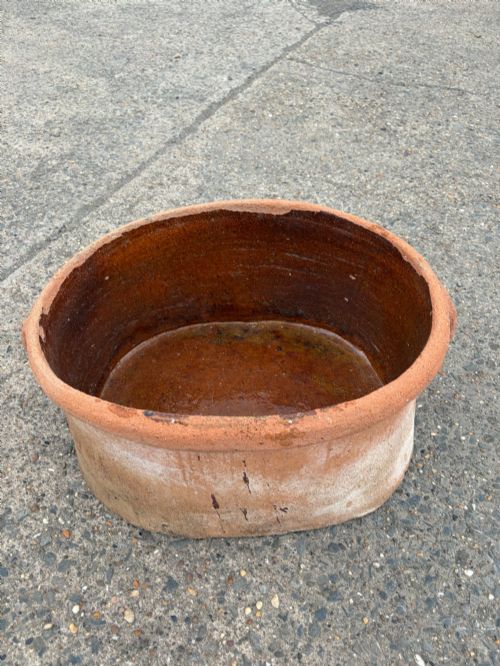
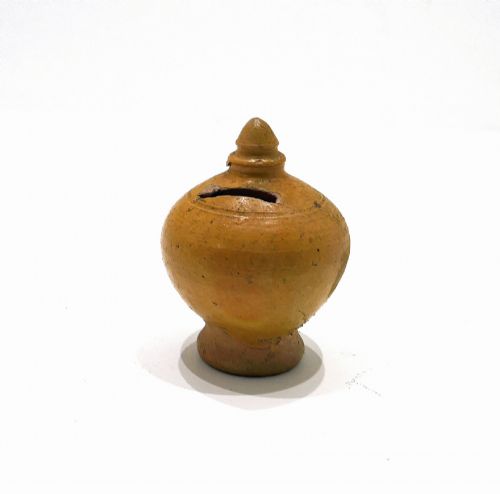
Buyers encountering this search phrase frequently meet earthenware and stoneware objects reflecting both English and Scottish regional traditions. Examples include slipware bowls from Seaton Pottery, terracotta salters from North Devon, and Verwood pottery money boxes from Dorset.
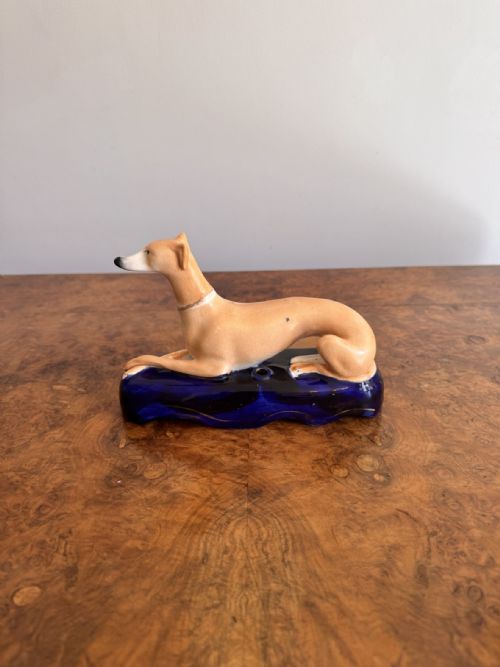
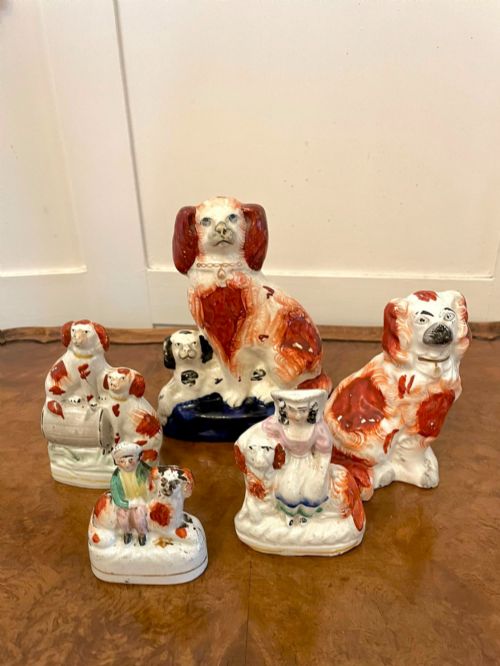
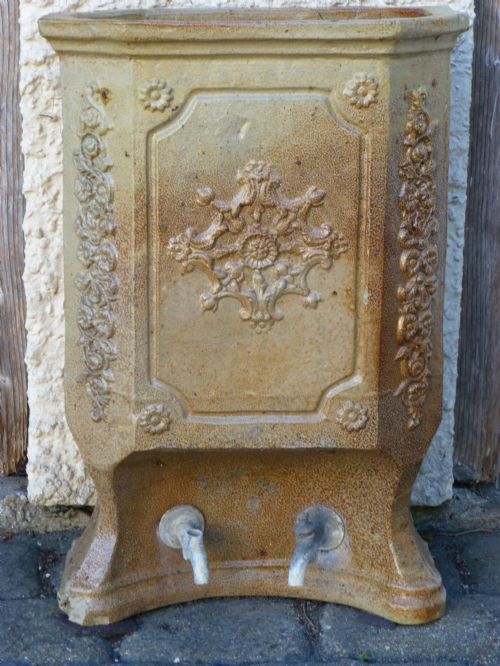
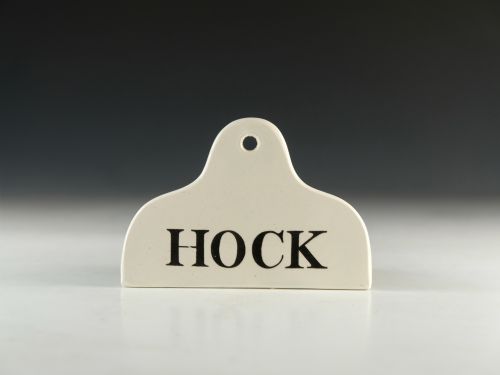
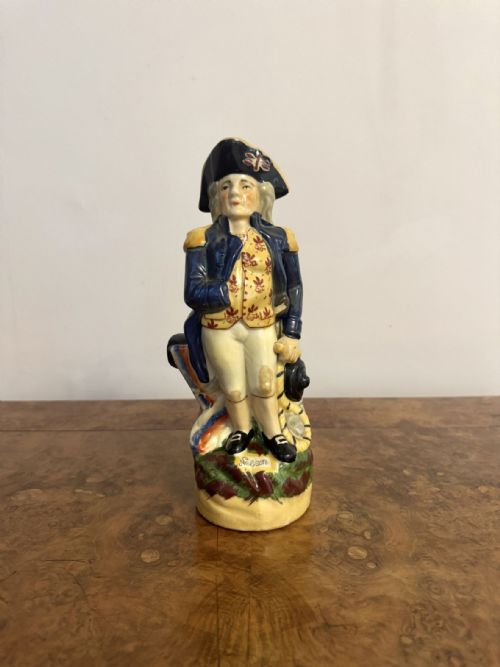
The selection also includes figurative pieces such as Staffordshire dogs, sheep, and country couples alongside functional wine cellar bin labels and water filters. These pieces capture the domestic aesthetic and practical demands of rural Victorian households.
Materials and production methods
Makers utilised earthenware, stoneware, and terracotta bodies formed into functional vessels and decorative figures. These fundamental clays provided the durable foundation required for daily agricultural and domestic service.
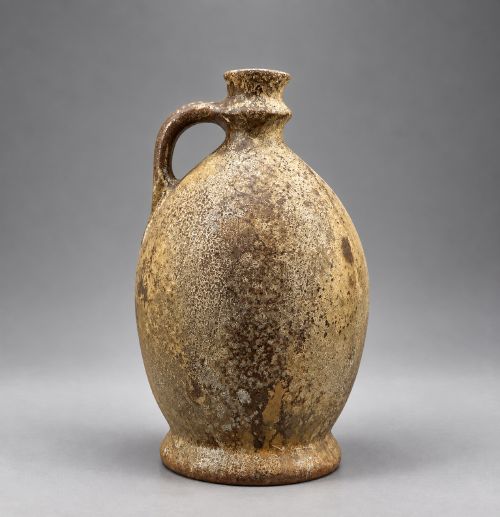
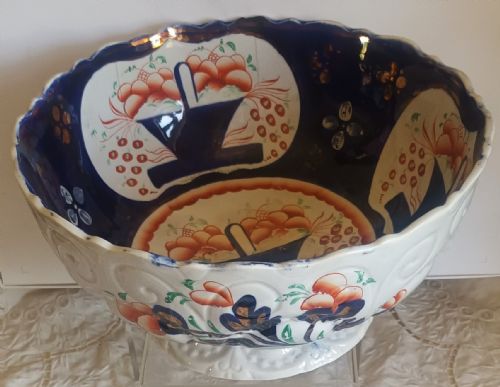
Surfaces received lead glazes, salt glazes, or enamel decorations to seal the porous clay and introduce colour. Techniques such as slipware trailing and spongeware application added patterned detail to utilitarian bowls and jugs.
Stray dog hairs embedded in wet clay remind us of workshop floors where farm animals wandered freely.
Assessing quality and manufacture
Quality rests upon the crispness of moulding in figurative works and the stability of thrown forms in utilitarian vessels. Superior examples display careful control during firing and glazing.
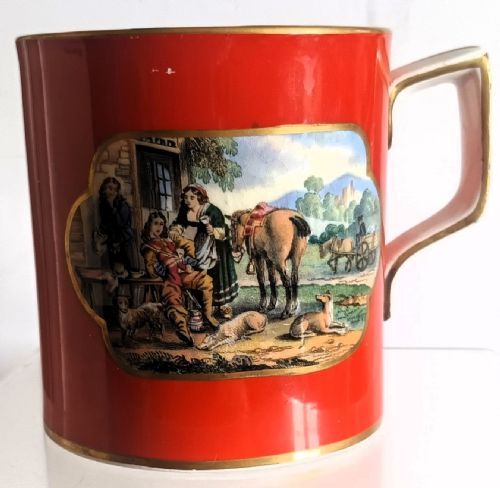
The execution of hand-painted or sponged decoration distinguishes finer workshop output from standard commercial production. Well-preserved glazes and legible regional markings elevate the standing of individual pieces.
Seaton Pottery·Mann Co·Doulton Lambeth·Sherwin And Cotton·Verwood Pottery·Minton
The Victorian Country Pottery Glossary
- Earthenware
- Porous pottery fired at lower temperatures, typically requiring a glaze to hold liquids. It forms the body of many nineteenth century domestic bowls and figures.
- Stoneware
- Dense, vitreous pottery fired at higher temperatures until impervious to water. It suits heavy kitchenware and salt glazed storage vessels.
- Slipware
- Pottery decorated with slip, a liquid clay mixture, trailed or brushed onto the body before firing. This technique creates simple linear patterns on bowls and dishes.
- Flatback
- A Staffordshire figure modelled with a finished front and a flat, unadorned rear intended to sit against a mantelpiece. These figures depict royalty, animals, and pastoral scenes.
- Salt glaze
- A glassy finish achieved by throwing common salt into the kiln during high-temperature firing. It produces a distinctive orange-peel texture on stoneware.
Victorian Country Pottery: Frequently Asked Questions
What is Victorian country pottery?
Victorian country pottery encompasses utilitarian vessels like dairy bowls alongside decorative Staffordshire figures made during the nineteenth century.
These pieces reflect the practical needs and domestic tastes of regional British households and potteries.
How were dairy bowls used?
Large earthenware bowls served in rural dairies for setting milk so the cream could rise to the surface.
Workers skimmed the cream off for butter and cheese production before washing the heavy ceramic vessels for reuse.
Where were Staffordshire figures displayed?
Staffordshire flatbacks and animal figures sat proudly on cottage mantelpieces and parlor shelves throughout the Victorian era.
Their flat backs allowed them to rest flush against walls in modest homes.
How do I care for antique pottery?
Keep earthenware and stoneware pieces away from direct sunlight and sudden temperature fluctuations to protect the old glaze.
Clean them gently with a dry or barely damp cloth, avoiding harsh detergents or soaking.
How can I tell periods apart?
Early nineteenth century pieces often show simpler primitive forms and traditional slipware or salt glaze techniques.
Later Victorian examples introduce varied enamel colours, moulded details, and factory marks associated with larger potteries.