




White Glazed Pottery Figurine
A white glazed pottery figurine brings the character of nineteenth-century parlours and eighteenth-century cabinets straight into your room.
White Glazed Pottery Figurine
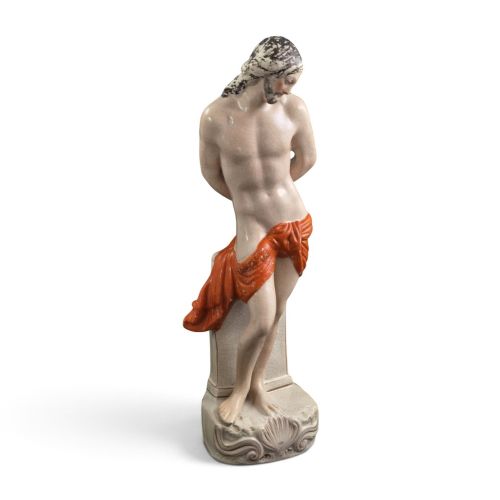
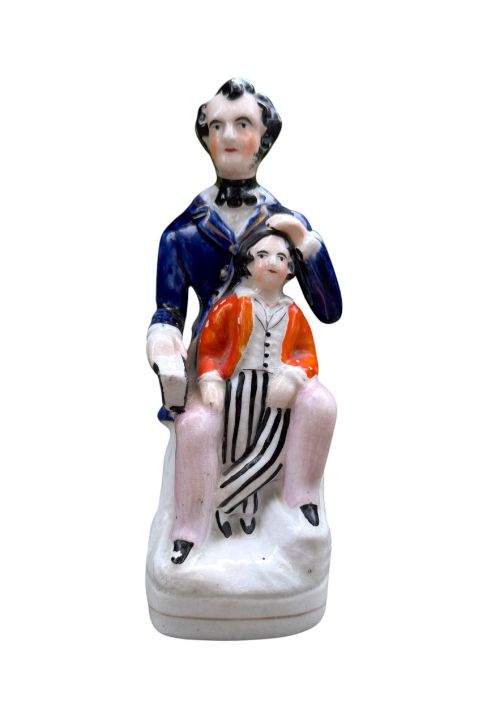
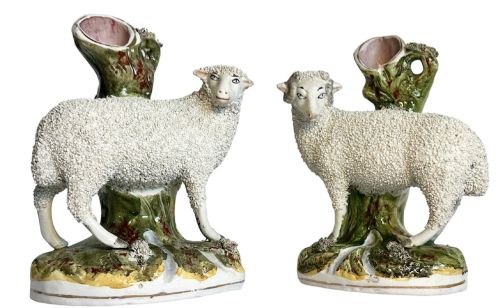
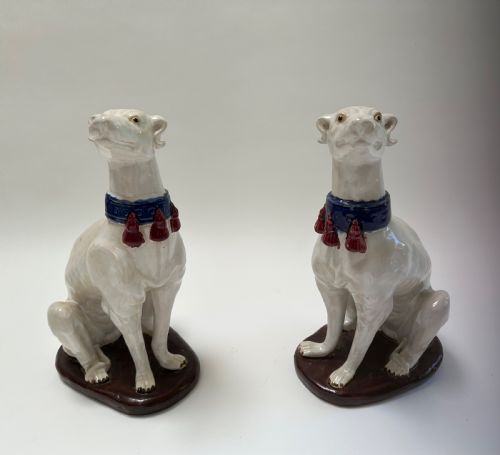
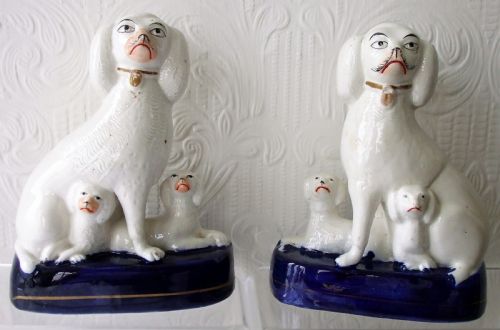
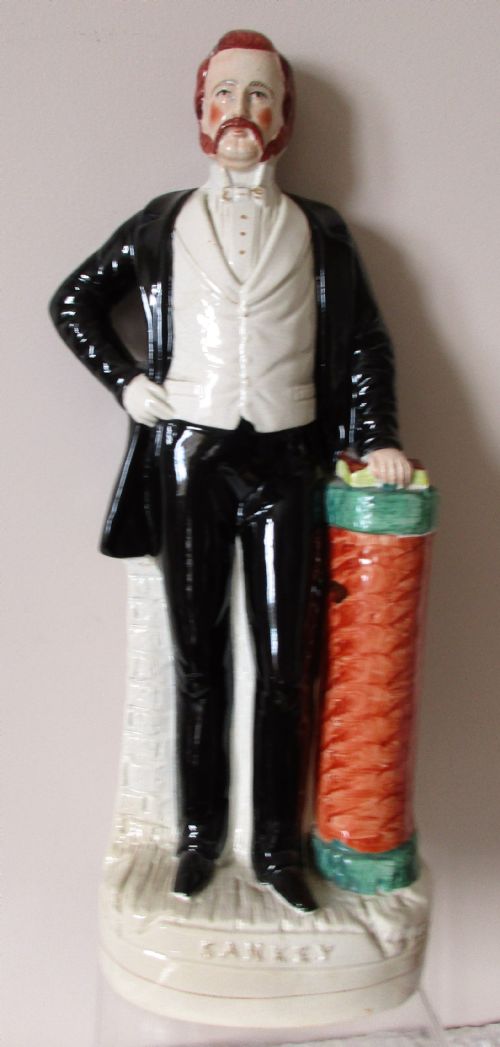
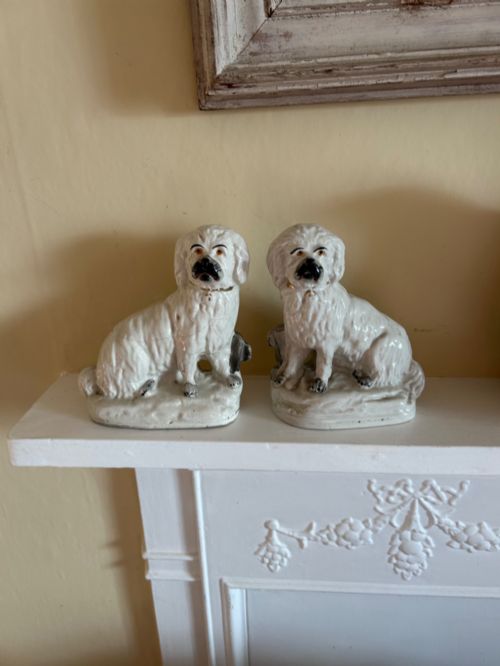
A white glazed pottery figurine takes many shapes across the nineteenth and eighteenth centuries, ranging from Staffordshire spaniels and poodles to Dutch Delft cows and Italian majolica dogs. You will frequently encounter Victorian flatback portrait figures, spill vases, and canine pairs among these listings.
Makers shaped these ceramic pieces to depict royal figures, literary characters, animals, and mythological groups, often designed for mantelpieces and display shelves. The selection spans earthenware and ceramic figures from English, Dutch, German, and French potteries.
The objects combine domestic ornament with narrative history, capturing subjects like military heroes, political events, and pastoral scenes. Most examples date from the Victorian era, while earlier eighteenth-century pieces display tin glazing and faience techniques.
Materials and Technique
Potters shaped these figures using earthenware and ceramic bodies, applying lead glazes, tin glazes, or enamel paints to seal the surface. Many examples incorporate copper lustre, gilt, or polychrome enamel details over the white glazed ground.
The listings feature earthenware and ceramic bodies finished with lead glazes, tin glazes, enamel paints, and gilt.
Evaluating Quality
The application of glaze and the richness of secondary pigments like gilt or copper lustre contribute significantly to the visual depth of the piece. Stronger examples display confident hand-painting that brings clarity to expressions, costumes, and animal markings.
Pieter Verburg·Thomas Parr
The White Glazed Pottery Figurine Glossary
- Earthenware
- Porous pottery fired at lower temperatures, commonly used for nineteenth-century Staffordshire figures. It requires a glaze to become impervious to liquids.
- Tin Glaze
- An opaque white glaze containing tin oxide, used on earlier European pottery to provide a smooth ground for painted decoration. It is characteristic of Dutch Delft and faience pieces.
- Spill Vase
- A hollow ceramic tube attached to a figure, designed to hold wooden spills for lighting candles or pipes. They frequently appear alongside animal figures.
- Flatback
- A figure moulded with a finished front and a plain, unglazed or partially glazed flat rear intended to stand against a wall. This construction is typical of Victorian mantelpiece ornaments.
- Lead Glaze
- A shiny, transparent coating applied to earthenware and fired to create a glossy surface. It protects the ceramic body and intensifies underlying colours.
White Glazed Pottery Figurine: Frequently Asked Questions
What are white glazed pottery figurines?
These objects are moulded ceramic figures, animals, and portrait groups created primarily in nineteenth-century Britain and eighteenth-century Europe. They were designed as decorative ornaments for domestic interiors.
Potters produced them in large numbers using earthenware bodies coated in white glazes, enamels, and sometimes lustre finishes to catch the light on mantelpieces.
How were Staffordshire figures displayed?
Victorian households placed these figures on mantelpieces, chiffoniers, and parlor tables, often arranging pairs of dogs or portraits symmetrically. Spill vases served the practical purpose of holding tapers near the fireplace.
Their flat backs allowed them to sit flush against cottage walls and shelf backs, making them staple ornaments of the period interior.
How do I date a pottery figure?
Dating relies on stylistic clues, subject matter, and manufacturing techniques such as the presence of flat backs or tin glazes. Victorian pieces often depict contemporary royalty or historical events of the nineteenth century.
Earlier eighteenth-century examples utilise tin-glazed earthenware bodies and distinct faience or delft painting styles that separate them from later Victorian production.
What subjects do these figures show?
The subjects range widely from domestic animals like spaniels, poodles, and cows to portraits of politicians, monarchs, and literary characters. Historical events and military engagements also inspired commemorative portrait groups.
Folk art and allegorical figures complete the variety, reflecting popular tastes and news stories of the Victorian and Georgian eras.